A flickering light, a warm outlet, or a breaker that keeps tripping can make hiring help feel urgent. A home electrician review checklist gives you a clear way to choose the right professional before someone begins work on the systems that power and protect your home.
Electrical work is not a weekend DIY project, and the lowest-looking estimate is not always the safest choice. The right residential electrician should make the process easier: listen to the problem, diagnose the cause, explain the options, and complete the repair correctly.
Start With the Type of Work You Need
Before reading reviews or making calls, identify what is happening in your home. An outlet that stopped working may be a simple device failure, but it can also point to a loose connection, a tripped protective device, or a circuit issue. A panel upgrade, EV charger, hot tub connection, or standby generator installation has a different scope than replacing a switch or installing a ceiling fan.
This matters because residential electrical service is specialized. Look for a company whose everyday work includes homes, troubleshooting, repairs, safety upgrades, and household installations. A technician who regularly works in occupied homes understands the need to protect finishes, communicate clearly, work around family schedules, and leave the area clean.
If you smell burning, see discoloration around an outlet or panel, hear buzzing, or lose power to part of your home, treat it as a safety concern. Turn off power to the affected area if you can do so safely, avoid using the equipment, and call a qualified electrician promptly.
The Home Electrician Review Checklist
Reviews can tell you a lot, but only if you look beyond the star rating. Read recent comments and watch for recurring details about communication, arrival times, workmanship, and how the company handled a problem. One short complaint does not always tell the whole story. A repeated pattern does.
Use these seven checks when comparing electricians for your home:
- Verify proper licensing and insurance. A professional electrician should be qualified to perform the work required in your area and carry appropriate insurance. Do not feel awkward asking. A trustworthy company will answer plainly.
- Look for residential experience. Your home has different needs than a commercial building. Ask whether the company regularly diagnoses household wiring, panels, outlets, lighting, protective devices, and dedicated circuits.
- Check for clear, recent customer feedback. Look for reviews that describe what the electrician fixed, whether the technician explained the issue, and whether the work was completed as promised. Specific feedback is more useful than generic praise.
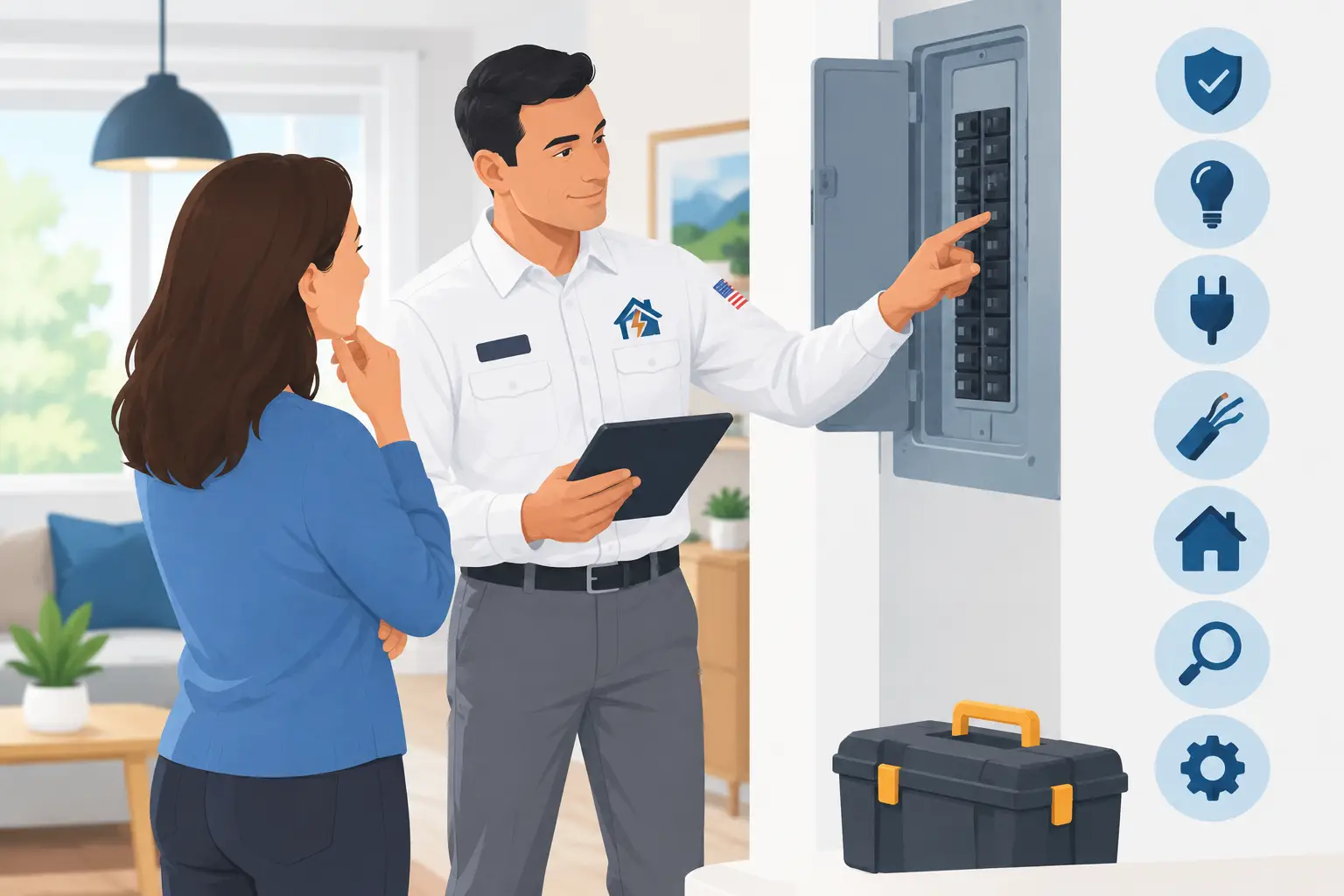
- Ask how diagnosis works. Electrical symptoms can have more than one cause. A good electrician does not guess from the driveway or promise a repair before inspecting the system. They test, identify the issue, and explain what they found.
- Expect upfront communication about the work. You should know what is being recommended, why it is needed, and what the work involves before it begins. Clear scope and approval protect both the homeowner and the service team.
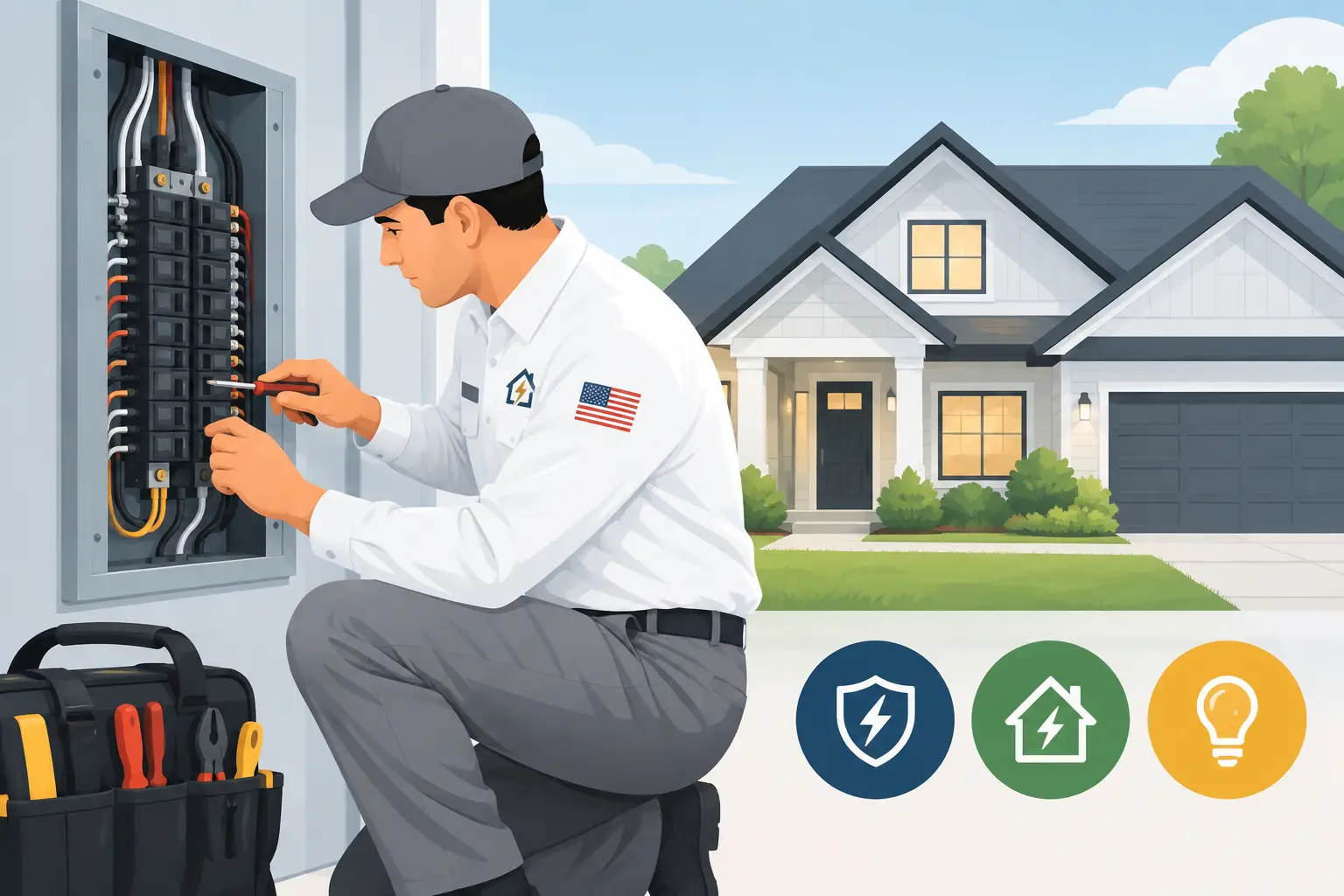
- Pay attention to safety practices. Professionals should use appropriate testing methods, follow applicable code requirements, and avoid shortcuts. They should also recognize when an older panel, damaged wiring, or overloaded circuit needs a larger safety conversation.
- Consider responsiveness and follow-through. When a breaker fails, a smoke detector will not stop chirping, or a new appliance needs a dedicated circuit, waiting without updates is frustrating. Choose a company that schedules clearly, arrives prepared, and communicates if conditions change.
What Strong Reviews Actually Sound Like
The most helpful reviews mention more than a friendly technician. Courtesy matters, but homeowners should also look for proof of a professional process.
A strong review might say the electrician arrived on time, found the source of a recurring issue, explained the repair in plain language, and completed the work neatly. It may mention that options were provided before work started or that the technician respected the home by wearing protective coverings and cleaning up afterward.
Reviews that mention problem-solving are especially valuable. Electrical issues are not always obvious. A light fixture that flickers could involve the fixture, switch, wiring connection, circuit load, or panel. The best residential service teams do not treat every symptom as a quick replacement job. They diagnose first, then fix the actual cause.
It is also worth noticing how a company responds when a customer has a concern. No service business is perfect, but accountability matters. Professional responses should be respectful, direct, and focused on making things right rather than making excuses.
Questions to Ask Before You Schedule
A short phone conversation can reveal whether an electrician is organized and ready to help. Describe the symptoms, when they started, and whether anything changed before the problem appeared. For example, tell them if the breaker trips when the microwave and air fryer run together, or if an outlet became loose after a furniture move.
Then ask whether the company handles that kind of residential work, what the diagnostic visit involves, and how recommendations are presented. You can also ask whether the technician will explain options before beginning repairs. These are reasonable questions, especially when work may involve your panel, wiring behind walls, or safety equipment.
For planned upgrades, share the goal instead of assuming the solution. If you want to charge an electric vehicle at home, power a new spa, improve outdoor lighting, or add a ceiling fan, the electrician needs to evaluate your existing electrical capacity and the installation location. The right answer depends on your home, not just the new equipment.
Red Flags That Deserve a Second Look
Be cautious if someone offers to do electrical work without inspecting the issue, pressures you to approve work you do not understand, or is vague about qualifications. A professional should not dismiss your questions or make you feel rushed into a decision.
Other warning signs include cash-only pressure, no clear description of the work, unwillingness to provide an estimate before starting, or suggestions to bypass safety devices that keep tripping. Breakers and protective outlets trip for a reason. Resetting them repeatedly without finding the cause can put your home at risk.
Be equally careful with advice that minimizes aging electrical components. Older homes in Southern Utah can have electrical systems that were adequate when built but no longer match modern household demand. More electronics, kitchen appliances, HVAC equipment, EV charging, and outdoor additions can place new demands on circuits and panels. That does not mean every home needs a major upgrade, but it does mean a qualified evaluation is better than an assumption.
Compare Value, Not Just the First Number
Homeowners naturally want a fair price, but electrical work should be compared by scope, quality, and safety – not only by the first number presented. One estimate may include proper diagnosis, code-compliant materials, permits when required, cleanup, and a clear explanation of the completed work. Another may leave important details out.
Ask what is included and what could change if the electrician finds hidden damage or an issue inside the wall, panel, or equipment. Honest professionals cannot predict every condition before opening or testing, but they can explain the process and get approval before moving forward.
The same thinking applies to upgrades. A less expensive fixture installation is not a better value if the existing box cannot safely support it or the circuit is already overloaded. Good electrical work protects your home long after the service visit is over.
Choose a Team That Explains the Why
You should never have to pretend to understand electrical jargon to get safe service. A good technician can explain the problem in everyday terms: what failed, what caused the symptom, what options are available, and what should happen next.
That communication is especially important for smoke detectors, surge protection, panel concerns, and recurring power issues. These systems affect more than convenience. They can affect your family’s safety and the reliability of the equipment you use every day.
Service Right Electric follows a straightforward approach: call, diagnose, and fix. For homeowners, that means less uncertainty and a clearer path from an electrical concern to a professionally completed repair or upgrade.
When you use this checklist, you are not just choosing someone to replace a switch or install a light. You are choosing who gets to work on the electrical system behind your walls. Take the extra few minutes to ask good questions, review the details, and choose a residential electrician who treats your home with the care it deserves.




0 Comments