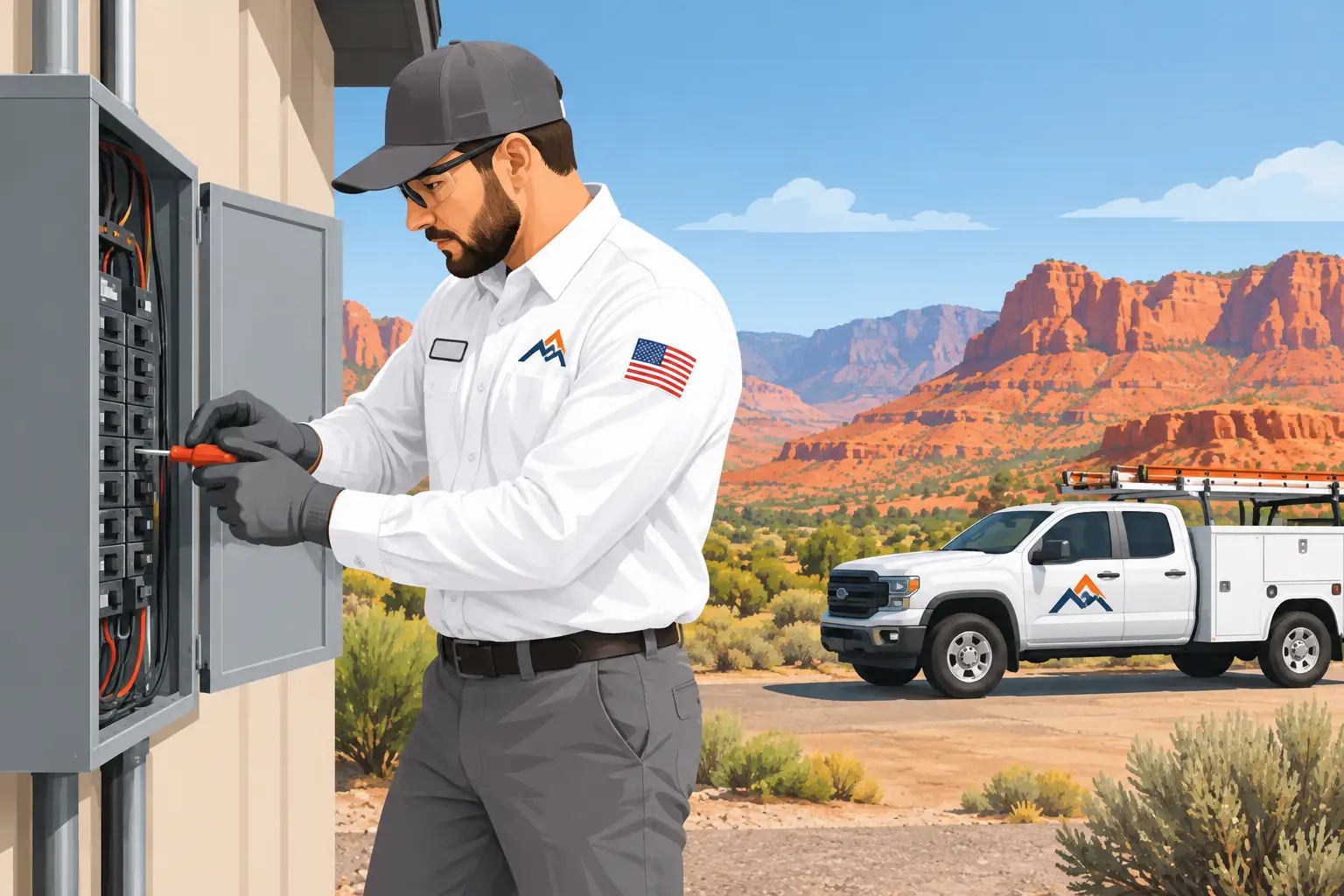
A flickering kitchen light may be nothing more than a failing bulb. But when lights dim as the air conditioner starts, breakers trip repeatedly, or an outlet feels warm, your home is telling you something more serious. This Southern Utah electrical maintenance guide helps homeowners separate routine upkeep from issues that need a licensed electrician right away.
Electrical systems work quietly until they do not. A little attention can help you catch wear, overloaded circuits, and aging equipment before they interrupt your day or create a safety concern. The goal is not to turn homeowners into electricians. It is to know what safe observations you can make, what changes deserve attention, and when to call for a professional diagnosis.
Why Electrical Maintenance Matters in Southern Utah
Southern Utah homes deal with conditions that can be hard on electrical equipment. Long stretches of heat place added demand on cooling systems, refrigeration, pool equipment, and other major appliances. Seasonal storms can bring power disruptions and surges. Dust, sun exposure, and outdoor temperature swings can also affect exterior fixtures, outlets, and equipment over time.
Maintenance is especially useful in homes with older wiring, a recently added hot tub or workshop, new high-demand appliances, or plans for an EV charger. A system that was adequate when the home was built may need attention as the way your household uses power changes.
It depends on the age and condition of your home, as well as the work that has been done over the years. A newer home with a properly sized panel may only need prompt attention when a warning sign appears. An older home or a home that has been remodeled in stages may benefit from a more complete electrical evaluation.
A Safe Homeowner Checkup
You do not need to remove panel covers, open outlets, or handle wiring to keep an eye on your electrical system. In fact, those tasks are not weekend DIY projects. A visual check and a few notes about recurring problems can give a technician a much faster path to the cause.
Walk through the home occasionally and look for changes. Check whether outlets hold plugs securely, switches operate normally, and light fixtures stay bright without flickering. Pay attention to exterior outlets, garage circuits, bathrooms, kitchens, and laundry areas, where moisture and high-use appliances increase the importance of proper protection.
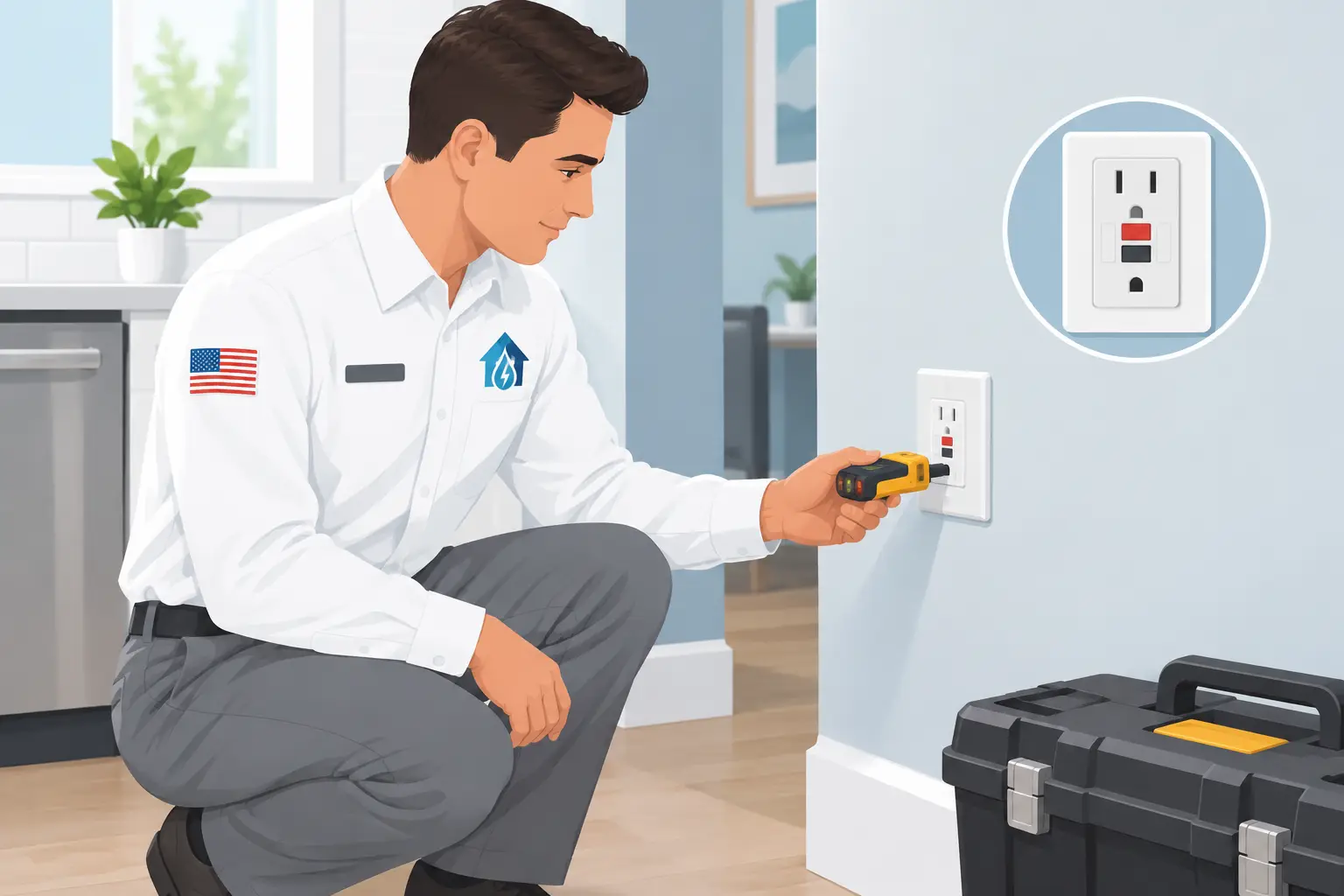
Test the test and reset buttons on ground-fault protected outlets according to the manufacturer instructions. These outlets are commonly found near water sources and outdoors. If the device will not test or reset, stop using that outlet and schedule service. Do not assume a reset button fixes an underlying problem if it repeatedly trips.
Smoke and carbon monoxide alarms deserve the same attention. Test them regularly, replace batteries when applicable, and watch for units that chirp, fail a test, or have reached the end of their service life. Working alarms provide valuable early warning, but only if they are powered and properly located.
Warning Signs That Should Not Wait
Some electrical problems are inconvenient. Others can signal an immediate hazard. Turn off power to the affected area if you can do so safely, avoid touching damaged equipment, and call for help when you notice burning odors, smoke, sparks, buzzing, or a hot outlet, switch, cord, or breaker panel.
Repeated breaker trips should also be taken seriously. A breaker is designed to shut off power when it detects a problem. Resetting it once after an obvious overload may be reasonable, but a breaker that trips again is doing its job. It could indicate an overloaded circuit, a damaged appliance, loose connections, or a wiring fault. Do not keep resetting it to force power back on.
Other signs worth scheduling include lights that dim when equipment starts, outlets that no longer work, switches that crackle, frequent bulb failures, or a panel that is crowded with mismatched or poorly labeled breakers. These issues are not always emergencies, but they need a proper diagnosis rather than guesswork.
If your home has experienced water intrusion near electrical equipment, do not use affected outlets or controls until they have been evaluated. Water and electricity are a dangerous combination, even after an area appears dry.
Maintain the Circuits Your Home Relies On Most
The circuits with the heaviest workload deserve the closest attention. Kitchen appliances, laundry equipment, HVAC systems, garage tools, outdoor equipment, and entertainment areas can all place significant demand on a home electrical system.
Avoid relying on extension cords or power strips as permanent wiring. They are meant for temporary use, not a long-term substitute for an outlet where you need one. If you regularly run cords across a room, unplug one appliance to use another, or deal with overloaded power strips, adding outlets or a dedicated circuit may be the safer, more convenient solution.
Major equipment often needs its own properly sized circuit. This can include an EV charger, hot tub, sauna, large appliance, or certain HVAC equipment. Before adding one of these loads, have a licensed electrician assess the existing panel capacity and wiring. The right answer may be a dedicated circuit, a panel upgrade, or a different installation plan based on the home’s available electrical capacity.
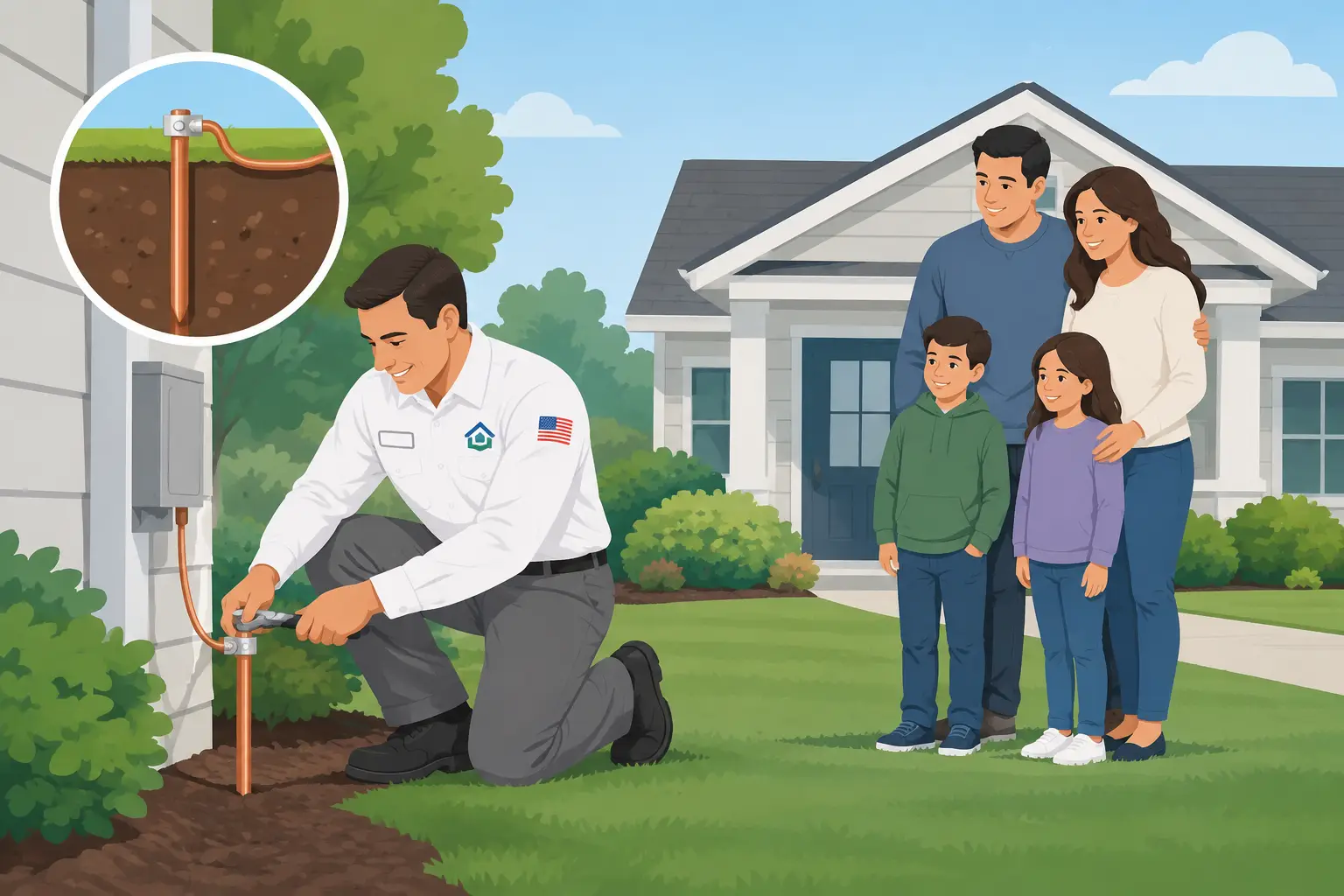
Outdoor electrical equipment needs special attention after storms and during periods of heavy use. Look for cracked covers, loose outlet covers, damaged conduit, exposed wiring, or fixtures that take on moisture. Keep landscaping, stored items, and debris away from electrical equipment so it remains accessible and can dissipate heat normally.
Protect Electronics From Surges and Outages
Power surges do not only come from lightning. They can occur when power is restored after an outage or when large equipment cycles on and off inside the home. Individual plug-in protectors can help with specific electronics, but they do not address every circuit or appliance in the house.
A professionally installed whole-home surge protection solution can add another layer of defense at the electrical panel. It is not a guarantee that every device will survive every event, but it can reduce exposure to common voltage spikes. The best approach depends on the home, the equipment you want to protect, and the condition of the existing electrical system.
For households that need power continuity during an outage, a standby generator can be a practical upgrade. Planning matters. A professional can help determine which loads should remain powered, how the system will transfer safely, and whether the panel and service capacity support the plan. Never connect a portable generator directly to home wiring without approved transfer equipment.
When to Schedule Professional Electrical Maintenance
A professional maintenance visit is useful before a major upgrade, after recurring electrical symptoms, when buying an older home, or when you simply do not know the history of the electrical system. It can also be a smart step before the hottest part of the year, when cooling demand puts more pressure on household circuits.
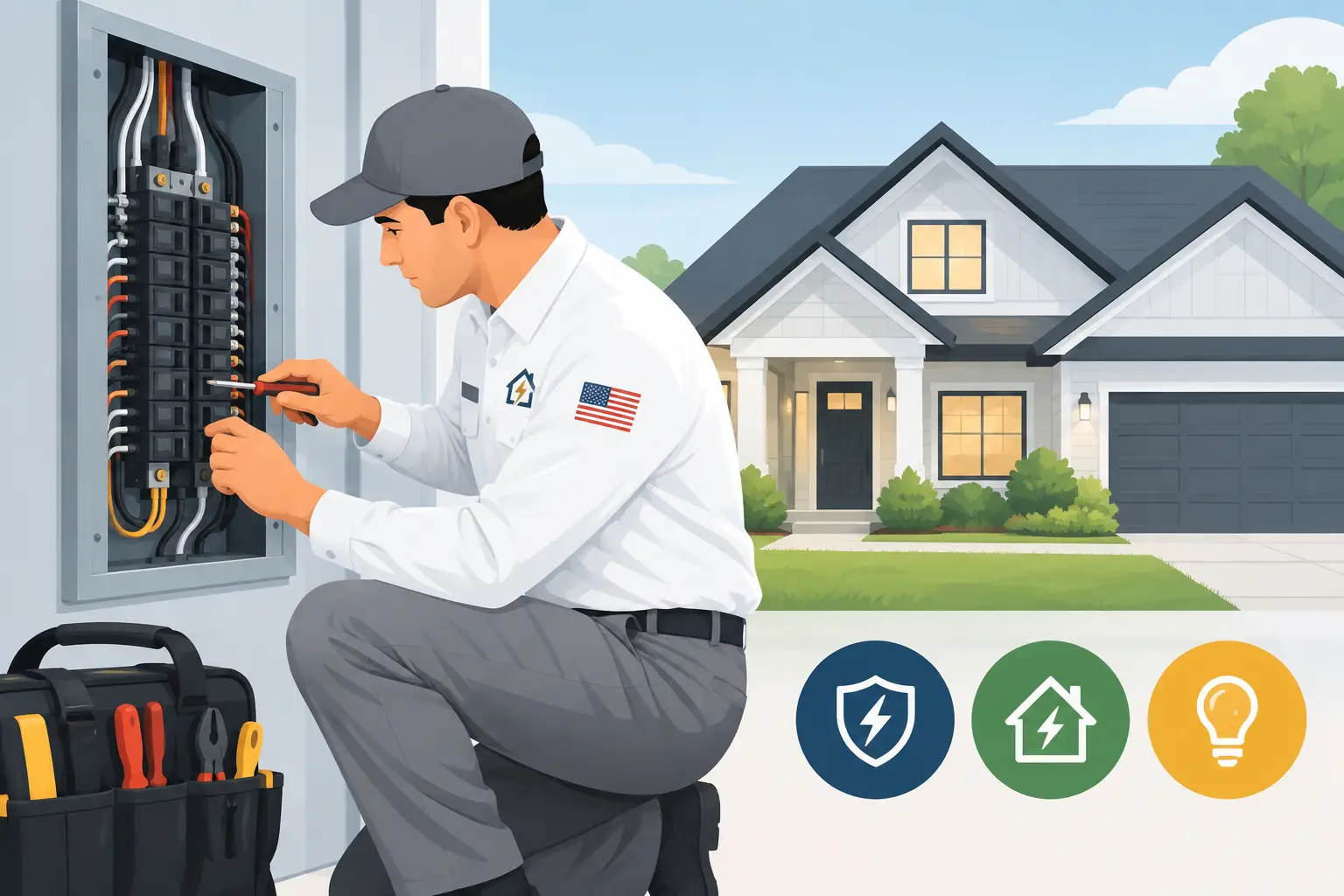
During a service visit, a licensed electrician can diagnose concerns at the panel, inspect accessible components, identify safety issues, and explain practical options before work begins. The value is not just finding a failed part. It is understanding why it failed and whether the rest of the system needs attention.
For homeowners in St. George and across Southern Utah, Service Right Electric keeps the process straightforward: call, diagnose, and fix. You get clear communication about the issue and the recommended repair, rather than being left to make sense of electrical symptoms on your own.
A well-maintained electrical system gives your family safer, more dependable power for daily life. If something looks, sounds, smells, or feels wrong, trust that signal and get it checked before a small concern becomes a bigger interruption.


0 Comments