A three-prong outlet is only as safe as the grounding system behind it. Effective home grounding methods give stray electrical current a controlled path back to the electrical system, helping reduce shock risk and allowing breakers to respond properly when a fault occurs. When grounding is missing, damaged, or incorrectly modified, the danger may stay hidden until someone touches a metal appliance, a surge damages electronics, or a circuit fails under load.
For Southern Utah homeowners, grounding deserves attention during panel upgrades, outlet replacements, remodeling work, and any time an older home shows signs of electrical trouble. This is not a weekend DIY project. A licensed electrician can test the system, identify the actual issue, and make repairs that protect the people and equipment in your home.
What a Home Grounding System Actually Does
Grounding does not normally carry electricity during everyday operation. Instead, it provides a low-resistance safety path for fault current. If a hot wire contacts the metal case of a dryer, dishwasher, light fixture, or other appliance, the grounding path helps direct that energy safely back to the panel. This allows the breaker to trip instead of leaving the metal surface energized.
A properly grounded home works as a connected system. It generally includes the grounding connections at the main electrical panel, grounding electrode conductors, grounding electrodes, branch-circuit grounding wires, and correctly wired grounded outlets. These parts must be properly sized, securely connected, and installed according to current electrical requirements.
Grounding also supports the performance of surge protection. A whole-home surge protection device can help manage voltage spikes, but it needs an effective grounding path to do its job. Without sound grounding, a home may have less protection from utility disturbances, lightning-related surges, and switching events inside the home.
Common Home Grounding Methods
There is no one-size-fits-all answer for every house. The appropriate arrangement depends on the age of the home, the type of electrical service, local code requirements, and the condition of the existing system. An electrician begins by inspecting and testing rather than assuming what is behind the panel cover or outlet faceplate.
Grounding Electrode Systems
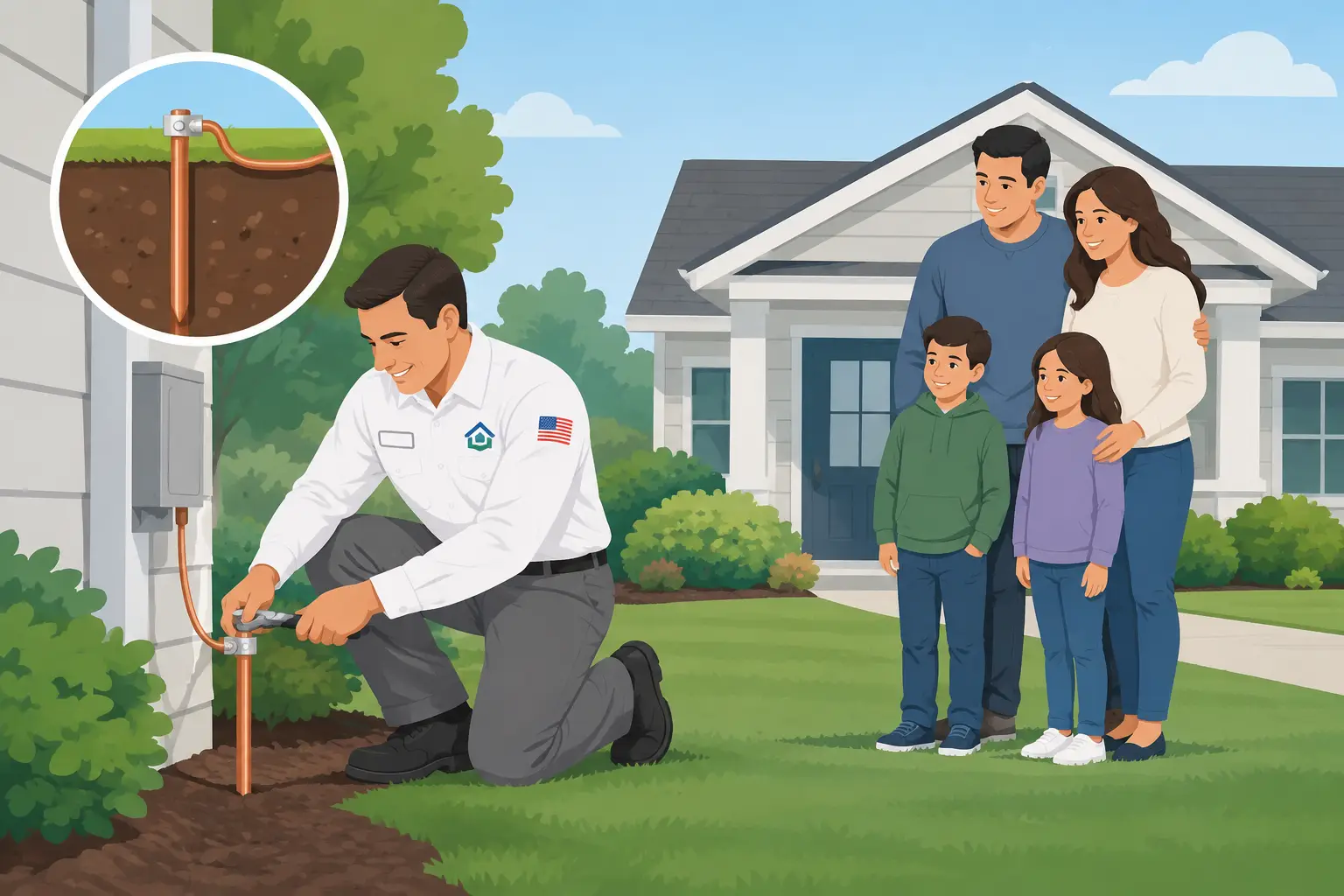
Most homes use grounding electrodes connected to the main service equipment. A grounding electrode may be a metal water pipe that meets specific requirements, a ground rod, or another approved electrode. In many homes, more than one electrode is used to create a reliable connection to the earth.
The important detail is not simply whether a ground rod is visible outside. The connections, conductor size, bonding, and overall installation all matter. A loose clamp, corroded conductor, severed wire, or improper connection can leave a system compromised even if the rod itself is still in place.
Equipment Grounding Conductors
The grounding wire that runs with a circuit is called an equipment grounding conductor. In modern cable, this is often a bare or insulated wire connected to the grounding bar in the panel and to the grounding terminal at an outlet, switch box, or appliance connection.
This conductor is what creates a fault-clearing path within the home. It is separate from the neutral conductor, even though neutral and ground are connected at the main service equipment under specific conditions. Connecting neutral and ground together in the wrong location can create unsafe conditions and interfere with normal circuit operation.
Grounded Outlets and Proper Receptacle Upgrades
Older homes may have two-slot outlets with no equipment grounding conductor. Replacing them with three-slot receptacles without correcting the wiring can create a false sense of security. The outlet may look modern, but the ground opening may not be connected to anything useful.
Depending on the wiring and the location, safe options may include running a new grounded circuit, extending a proper grounding path where allowed, or using a protective device and labeling it correctly when code permits. The right choice depends on what testing reveals. An electrician can explain the available options clearly before any work begins.
Bonding Metal Systems
Bonding is closely related to grounding, but it has a different job. Bonding connects metal components that could become energized so they remain at the same electrical potential. Proper bonding can include certain metal water piping and other applicable systems.
This work is technical because not every metal object should be treated the same way, and improper connections can create safety problems. When a service panel is upgraded or a significant electrical repair is underway, bonding should be evaluated as part of the overall safety check.
Signs Your Grounding May Need Professional Attention
Grounding concerns are not always obvious, but several warning signs should prompt a professional inspection. A mild tingle from an appliance or faucet is never normal. Stop using the affected equipment if it can be done safely, avoid touching exposed metal surfaces, and arrange for an electrician to diagnose the source.
Repeated breaker trips, damaged outlet covers, scorch marks, buzzing outlets, flickering lights, and outlets that test as ungrounded also deserve attention. These symptoms do not automatically mean the grounding system is at fault. They can point to loose wiring, overloaded circuits, failing devices, or panel issues. That is why testing matters more than guessing.
Homeowners should also consider an inspection when buying an older property, adding a major appliance, installing an EV charger, finishing a basement or garage, or replacing a breaker panel. These projects can expose limitations in older wiring and create an opportunity to correct safety issues before they become urgent.
Why Grounding Is Not a DIY Repair
It can be tempting to install a ground rod, replace an outlet, or move a wire inside a panel after watching a quick video. The risk is that grounding work looks simpler than it is. A connection that appears correct can still be undersized, improperly bonded, disconnected elsewhere in the circuit, or placed where it creates an unintended path for current.
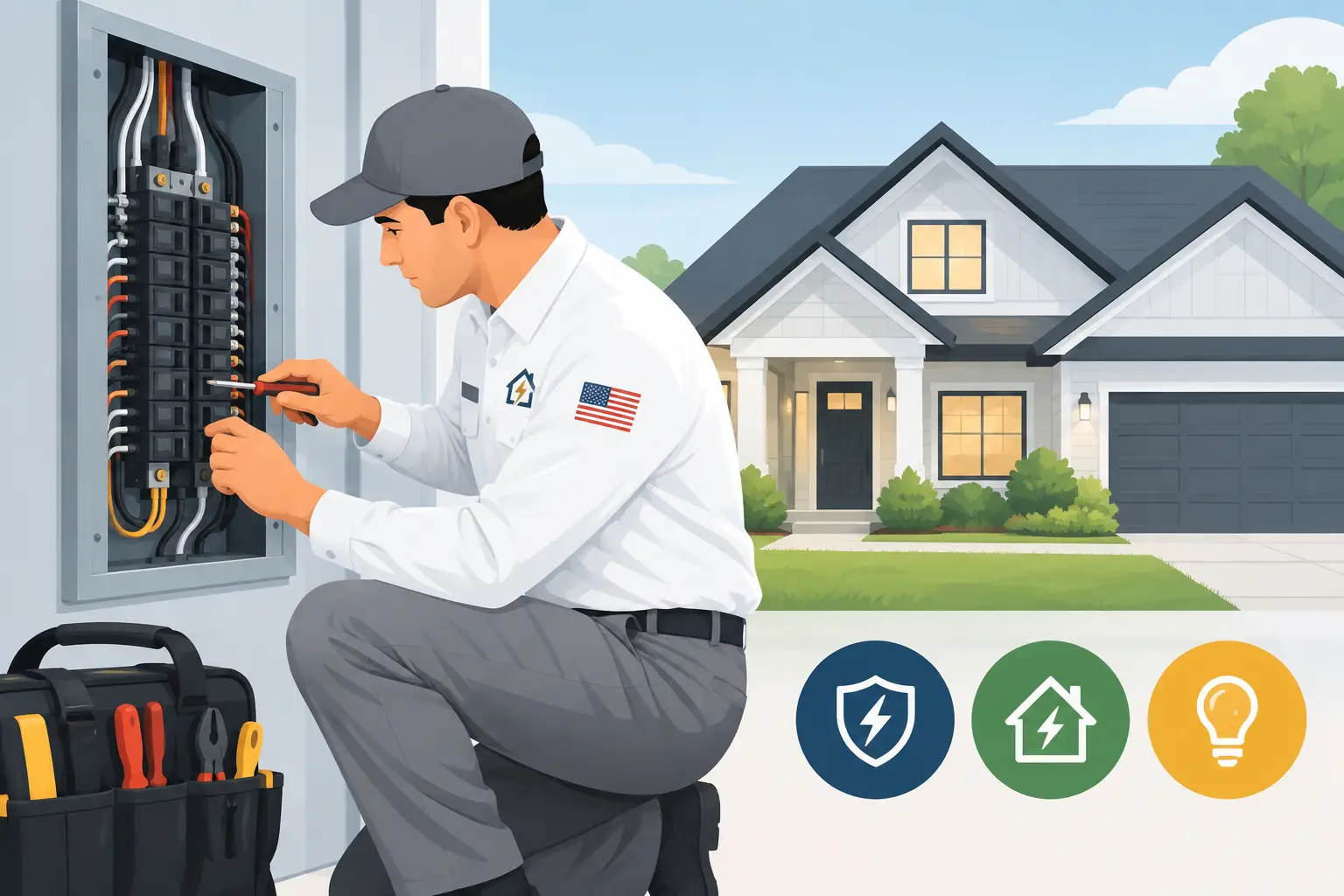
Panel work introduces additional hazards. Even when a main breaker is off, portions of the electrical service equipment may remain energized. Mistakes can result in shock, arc damage, fire risk, or damage to expensive appliances and electronics.
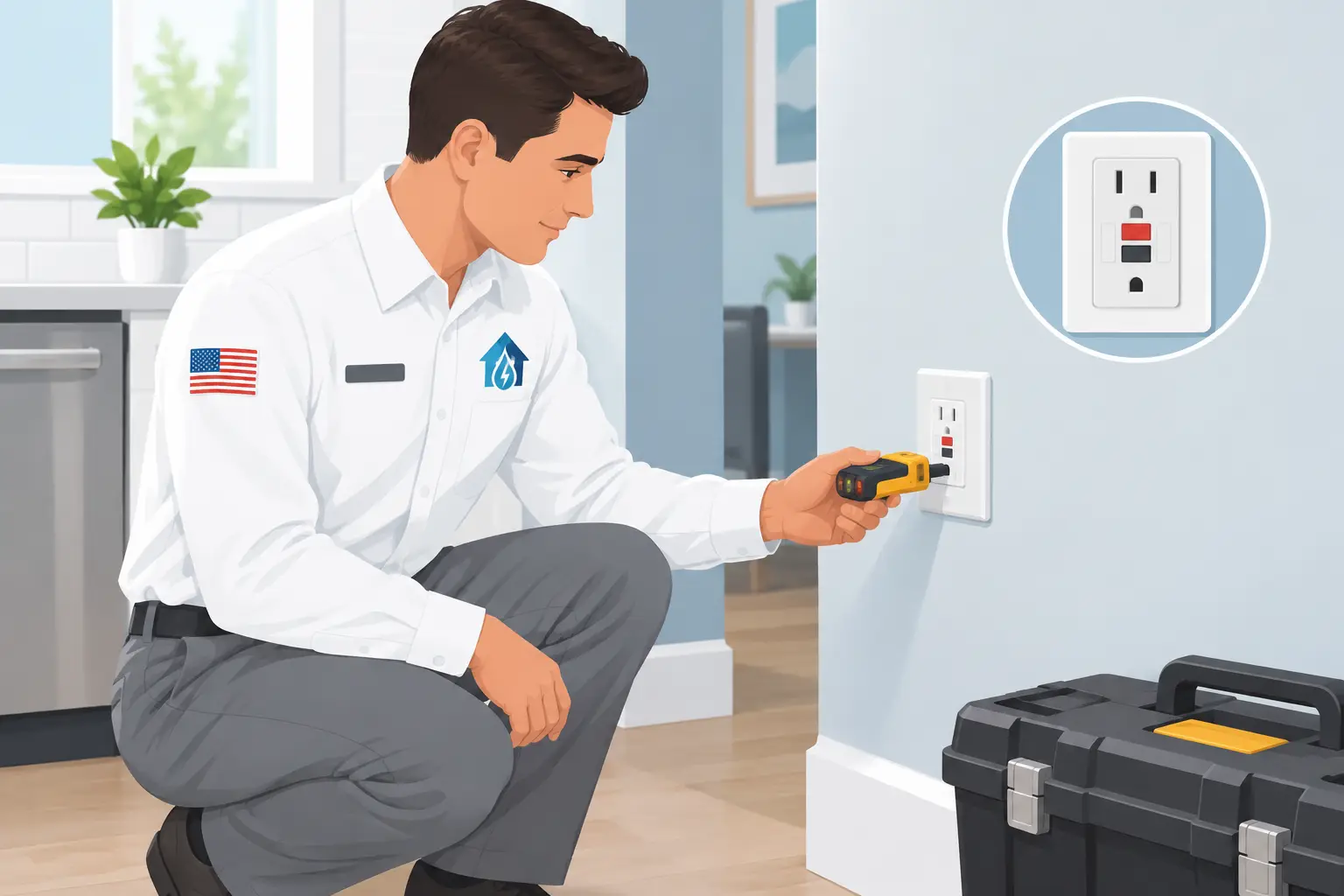
A trained residential electrician has the testing equipment to verify continuity, polarity, grounding paths, circuit condition, and panel connections. More importantly, they can identify whether an apparent grounding problem is actually caused by a failed outlet, damaged cable, improper neutral connection, moisture intrusion, or another electrical defect.
A Practical Plan for Safer Grounding
If you are concerned about grounding, start with the symptoms you can see and avoid making assumptions about the fix. Make note of which outlets, appliances, or rooms are affected, whether breakers are tripping, and when the issue occurs. This gives the technician useful information when diagnosing the problem.
Next, avoid temporary shortcuts. Do not defeat a grounding pin, rely on plug adapters as a permanent solution, or install three-prong outlets on ungrounded wiring just for convenience. These workarounds can hide a safety issue rather than resolve it.
Finally, schedule a professional assessment. The technician should inspect the relevant outlet or equipment, trace the circuit as needed, evaluate the panel and grounding connections, and explain the repair options before work begins. In some cases, a small correction is all that is needed. In others, the safest solution may be a new dedicated circuit, outlet upgrade, wiring repair, or panel-related improvement.
When to Call for Prompt Electrical Service
Call promptly if you feel a shock or tingling sensation from an appliance, notice burning smells or heat at an outlet, see sparks, find exposed or damaged wiring, or experience repeated breaker trips. If there is active sparking, smoke, or an immediate danger, move away from the affected area and seek emergency help as appropriate.
For planned upgrades and non-emergency concerns, Service Right Electric can inspect your home’s grounding and electrical system, explain what is happening in plain language, and complete the needed work safely. The goal is simple: a home electrical system that protects your family without leaving you to guess what is behind the walls.
A properly grounded home is mostly invisible when it is working correctly. That is exactly how it should be – quiet, dependable protection built into the system every time you plug something in.


0 Comments