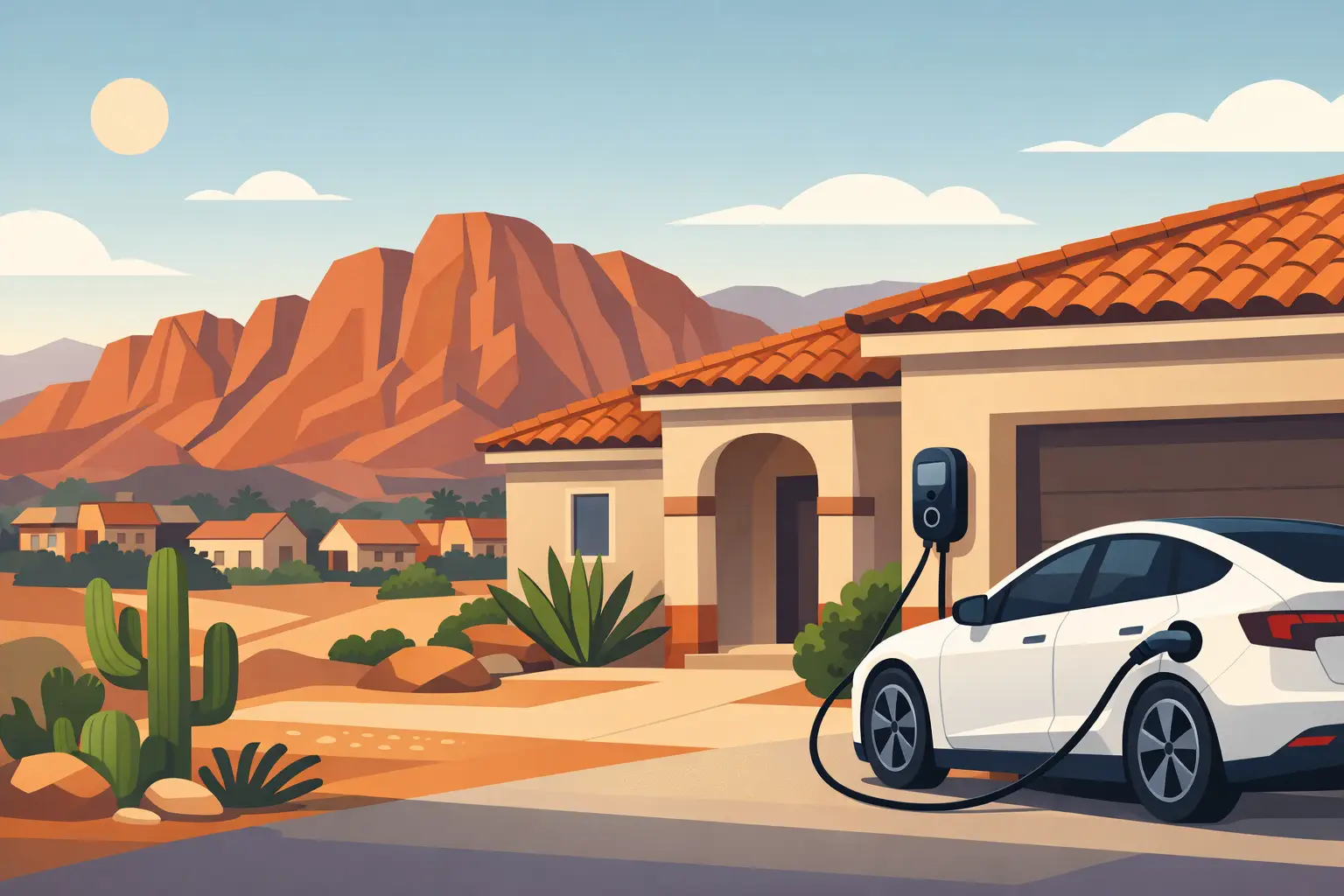
Your new EV should make daily life easier, not turn every drive into a search for a public charging station. With professional EV charger installation St George homeowners can charge where they park, wake up with usable range, and avoid relying on an ordinary wall outlet for a job it was never designed to handle.
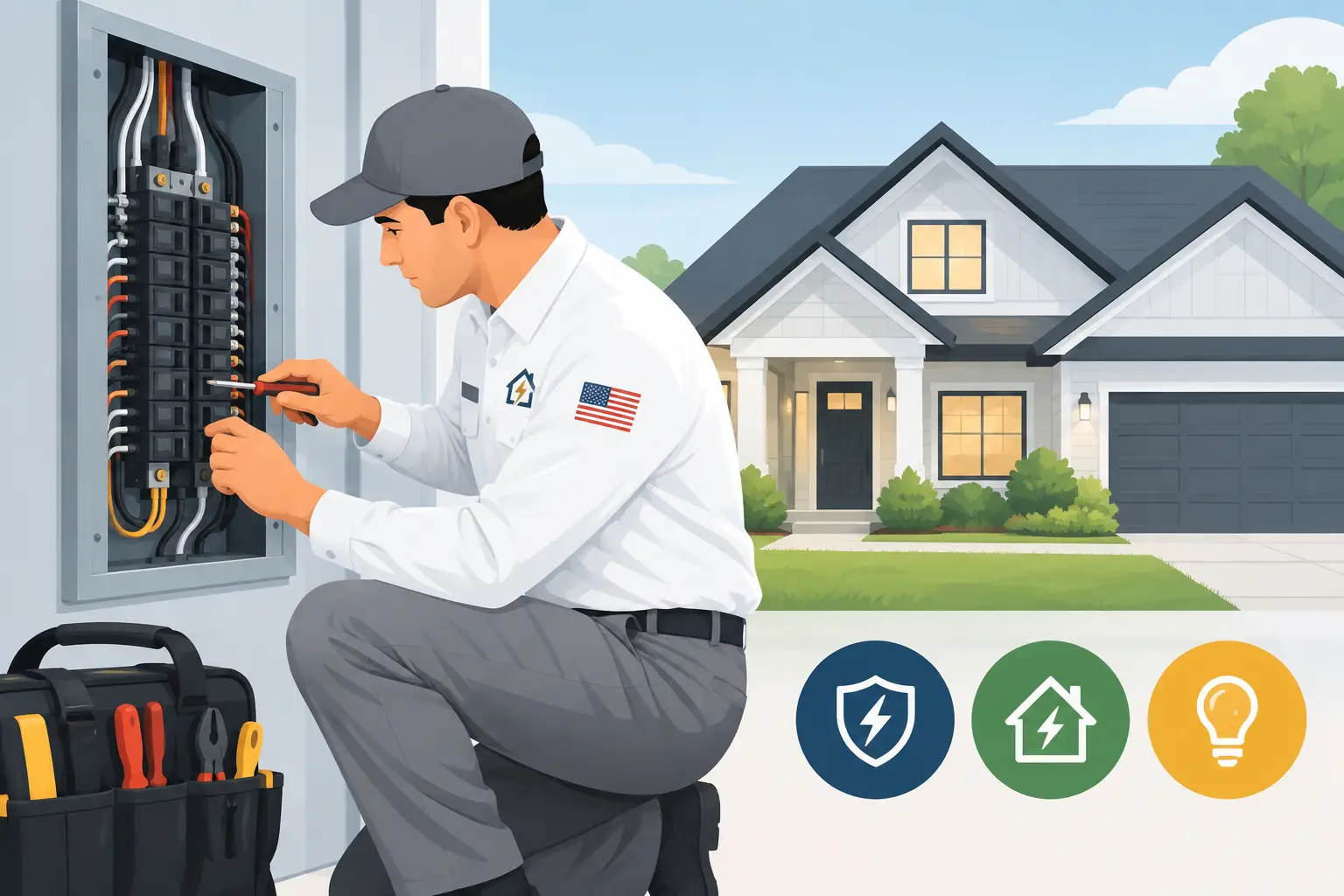
A home charging upgrade looks simple from the outside: mount a charger, plug in the vehicle, and charge overnight. Behind that charger, however, is a dedicated circuit, the right breaker, proper wire sizing, a safe connection method, and an electrical system that can support the added load. This is not a weekend DIY project. A licensed residential electrician can inspect the home, explain the options, and complete the work correctly before your new charger goes into service.
What Home EV Charging Actually Requires
Most homeowners choose a Level 2 charger. Unlike a standard 120-volt outlet, Level 2 equipment uses 240 volts, similar to the power used by a dryer, range, or hot tub. It can add meaningful driving range during an overnight charge, making it the practical choice for most daily drivers.
The charger itself is only one part of the project. It needs a dedicated circuit from your electrical panel to the charging location. That circuit cannot be shared with appliances, lighting, or general-use outlets. The wire, breaker, conduit, disconnecting method where required, and charger connection all need to match the equipment rating and local code requirements.
Some drivers can get by with Level 1 charging from a standard outlet, especially when they drive very few miles each day. But this approach is slow, and it should not involve an overloaded extension cord, a worn outlet, or an unknown circuit. If you are buying an EV for regular commuting, school runs, errands, or Southern Utah road trips, a properly installed Level 2 charger is usually the more dependable long-term solution.
EV Charger Installation St George Homes Can Support
Before an electrician recommends a charger size, the first question is whether your home can safely handle it. A newer home with a modern panel and available breaker space may be ready for a straightforward installation. An older home, a full panel, or a home with major electric appliances may need more planning.
Your electrician should assess the panel capacity and perform a load calculation. This review considers the home’s existing electrical demand, including HVAC equipment, electric water heaters, ranges, dryers, hot tubs, pool equipment, and other large loads. The goal is not simply to find an open breaker position. It is to confirm the service can carry the additional continuous load safely.
If the panel has limited capacity, there may still be good options. A panel upgrade can create needed space and capacity. In other cases, a load management device or a charger with adjustable output may make sense. The right answer depends on your house, vehicle, charging habits, and budget. A transparent diagnosis helps you avoid paying for an upgrade you do not need while making sure a necessary upgrade is not overlooked.
Choosing the Right Charger and Location
The highest-amp charger is not automatically the best charger for every home. Your vehicle’s onboard charging capability, your panel capacity, and the hours your vehicle is parked all matter. If your vehicle sits in the garage for 10 to 12 hours most nights, a moderate Level 2 charging rate may fully meet your needs without requiring a larger circuit or panel work.
Location matters just as much. The charger should be placed where the vehicle’s charging port can be reached without stretching the cable across a walkway or driveway. For many St. George homes, that means a garage wall near the parking space. For a carport, driveway, or detached garage, the installation may require outdoor-rated equipment, weather protection, trenching, conduit, or a longer circuit run.
Southern Utah heat is another reason to choose quality equipment and professional placement. Chargers and cables should be installed according to manufacturer instructions, protected from avoidable damage, and positioned for normal use without creating a trip hazard. A clean installation is not just about appearance. It protects the equipment and makes charging easier every day.
There are two common connection styles: plug-in and hardwired. A plug-in charger connects to a correctly installed 240-volt receptacle. It can offer flexibility if you may move or replace the charger later. A hardwired charger is directly connected to the circuit and can be a clean, durable option for a permanent setup. The better choice depends on the charger model, available circuit capacity, installation location, and how you plan to use the equipment.
Why a Dedicated Circuit Is Non-Negotiable
EV charging is a continuous electrical load. That means the system must be designed to operate safely for extended periods, not just for a few minutes. Using a convenient existing outlet, an adapter of uncertain quality, or an extension cord can lead to overheating, damaged connections, nuisance breaker trips, or worse.
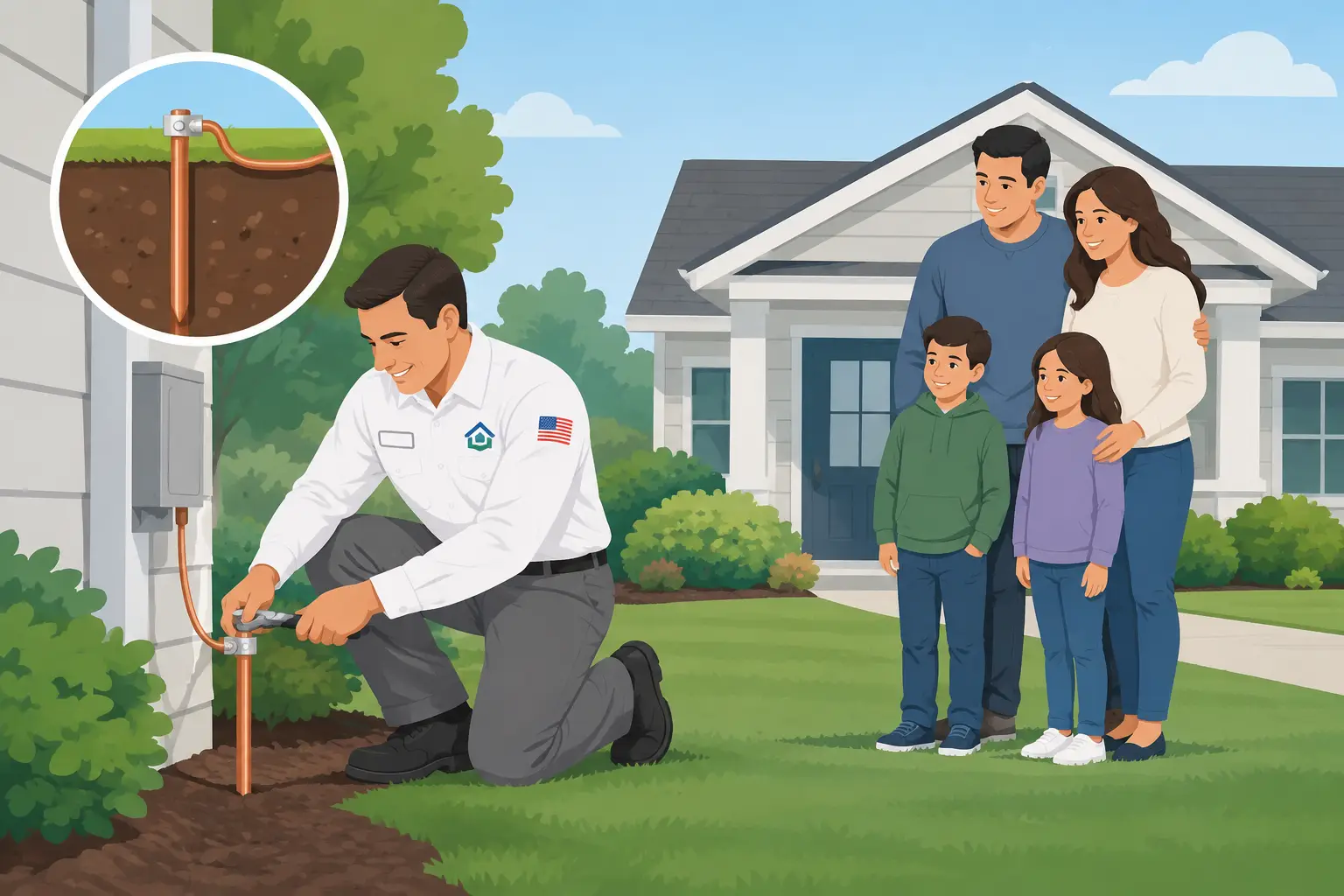
A professional installation protects more than the charger. It helps protect the wiring inside your walls, the electrical panel, your vehicle, and your home. The technician can also identify issues that are easy to miss, such as loose panel connections, outdated equipment, insufficient grounding, or a circuit route that needs better protection.
This is particularly important when a charger will be installed in a garage with other electrical demands. Freezers, power tools, refrigerators, lighting, and garage-door openers all need reliable power. Giving the EV charger its own properly sized circuit keeps the system organized and reduces the chance of unexpected problems.
What to Expect During a Professional Installation
A good service visit should start with a conversation, not a guess. Let the electrician know the EV make and model, the charger you have selected or are considering, where you park, and whether you have noticed any electrical concerns in the home. If you have future plans for a second EV, mention that too. Planning for future capacity can be less disruptive than reworking the installation later.
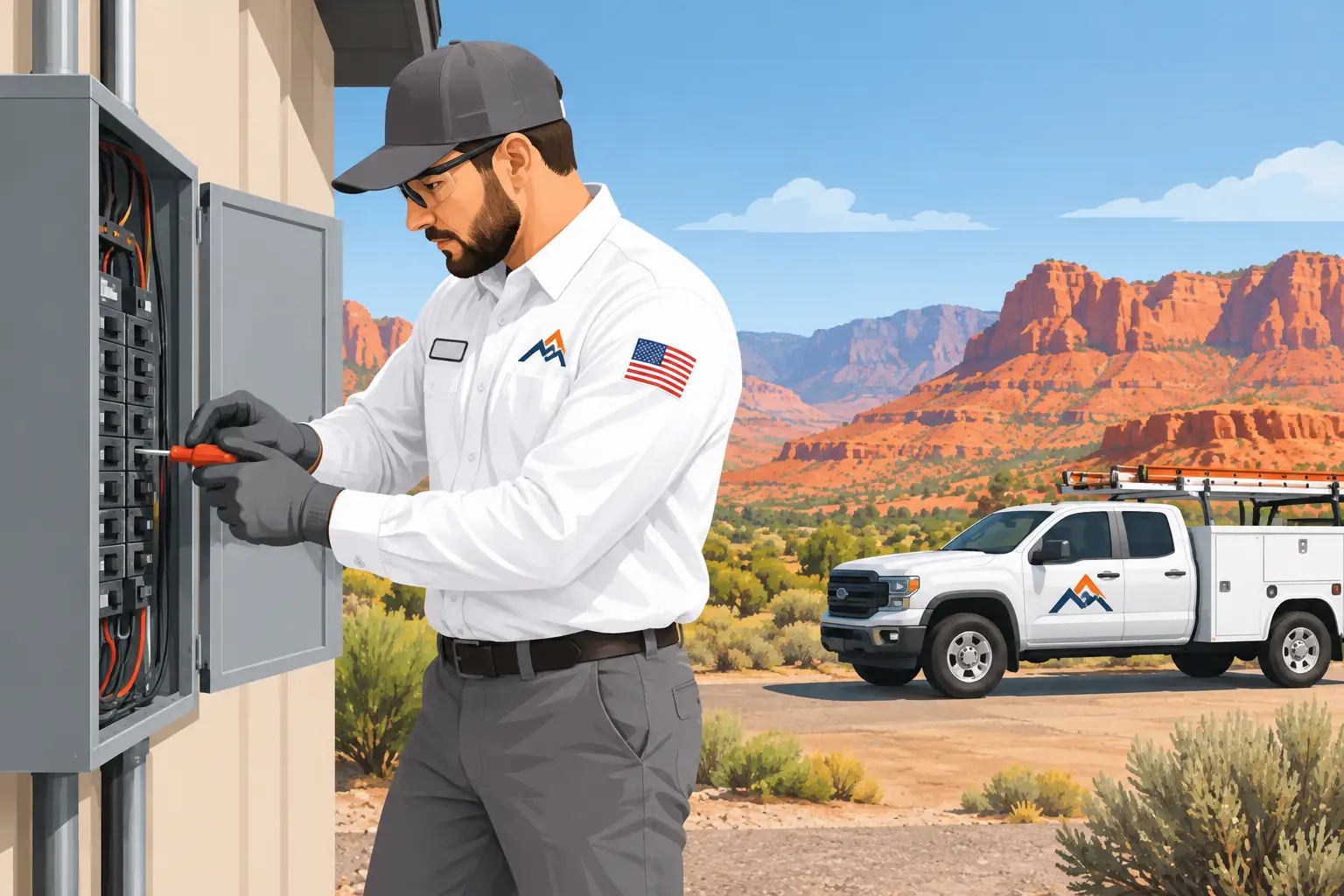
During the assessment, the electrician will inspect the panel, verify available capacity, evaluate the route to the charging location, and identify any permit or code requirements that apply to the work. You should receive clear recommendations and upfront pricing before work begins. If there are multiple safe options, the differences should be explained in plain language.
The installation may involve running new wire through walls, attic space, crawlspace, conduit, or underground pathways. Once the circuit and charger are installed, the electrician tests the equipment and verifies proper operation. You should also understand basic charger use, including how to connect the vehicle safely and what normal charging behavior looks like.
When a Panel Upgrade May Be Worth It
A panel upgrade is not required for every EV charger installation, but it can be the right investment for homes with aging panels, limited breaker space, or growing electrical needs. If you are adding an EV charger while also considering a hot tub, electric appliance upgrades, new HVAC equipment, or a standby generator, it is wise to look at the whole system instead of treating each project separately.
Older panels may have corrosion, wear, unsafe components, or insufficient capacity for a modern household. Addressing those issues before adding a high-demand charging circuit can improve safety and give you more flexibility for future upgrades. The key is a real on-site evaluation, not an assumption based on the age of the house alone.
Get Charging Set Up the Right Way
Home charging should feel routine: park, connect, and let the vehicle charge while you handle the rest of your evening. It should not involve warm outlets, tripped breakers, questionable adapters, or uncertainty about whether your panel can handle the load.
Service Right Electric provides residential EV charger installation with a focus on safe workmanship, clear communication, and upfront pricing. If you are buying an EV, replacing an older charger, or preparing your home for a second electric vehicle, schedule an electrical assessment before installation. A properly planned charging setup gives you dependable power at home and one less thing to think about before tomorrow’s drive.


0 Comments