A breaker panel is the control center for nearly every electrical convenience in your home. When it is outdated, overloaded, damaged, or too small for the way you live now, the question is usually not whether it needs attention. It is what the panel upgrade cost will involve and what work is actually necessary to make the home safer.
There is no responsible one-size-fits-all answer. A panel upgrade is a safety project tied to your home’s existing wiring, electrical demand, service equipment, and local requirements. The right electrician should inspect the system, explain what they find in plain language, and provide clear upfront pricing before work begins.
What Is Included in a Panel Upgrade Cost?
A panel upgrade may mean replacing the breaker panel itself, but the full scope can extend beyond that enclosure. The panel has to work correctly with the incoming electrical service, grounding system, meter equipment, branch circuits, and the appliances that rely on them.
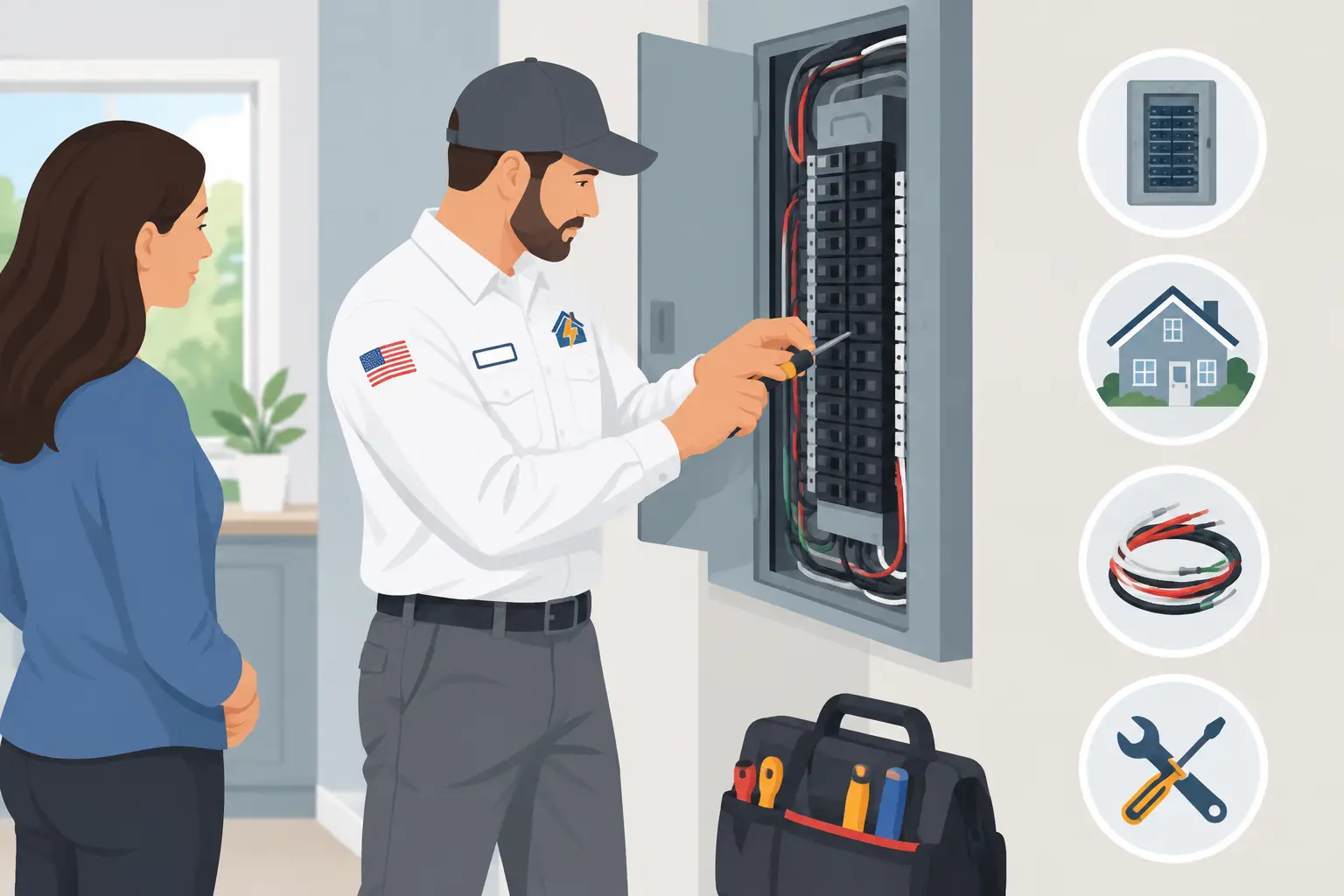
A licensed electrician starts by diagnosing the current condition of the equipment. They will look for signs of heat damage, corrosion, loose connections, improper wiring, crowded breakers, and capacity concerns. They also evaluate whether the panel is properly sized for the home and the upgrades you plan to add.
The final scope often includes safely disconnecting and replacing outdated equipment, labeling circuits, installing correctly sized breakers, verifying grounding and bonding, and testing the system once work is complete. If the existing service or wiring has issues, those repairs may need to be addressed at the same time rather than hidden behind a new panel.
That is why a professional assessment matters. A lower initial quote that leaves a known safety issue unresolved is not a better value.
The Main Factors That Affect Panel Upgrade Cost
Every home has a different electrical history. A newer home with accessible equipment and a straightforward replacement can require far less work than an older property with aging wiring, altered circuits, or damaged service components.
Here are the biggest factors an electrician considers when building the scope of work:
- Panel condition and capacity: A worn or undersized panel may need replacement, while a home adding major electrical loads may need a capacity increase as well.
- Service equipment condition: Meter equipment, the service connection, disconnects, and grounding components must all be safe and compatible with the upgraded panel.
- Existing wiring: Brittle insulation, improperly terminated conductors, aluminum wiring concerns, overloaded circuits, or previous unpermitted work can add necessary repair work.
- Access and location: Panels in finished walls, tight utility areas, or locations with difficult routing can take more time to service safely.
- Permits and inspection requirements: Electrical upgrades often require permits and inspections. These steps help confirm the work meets current safety requirements.
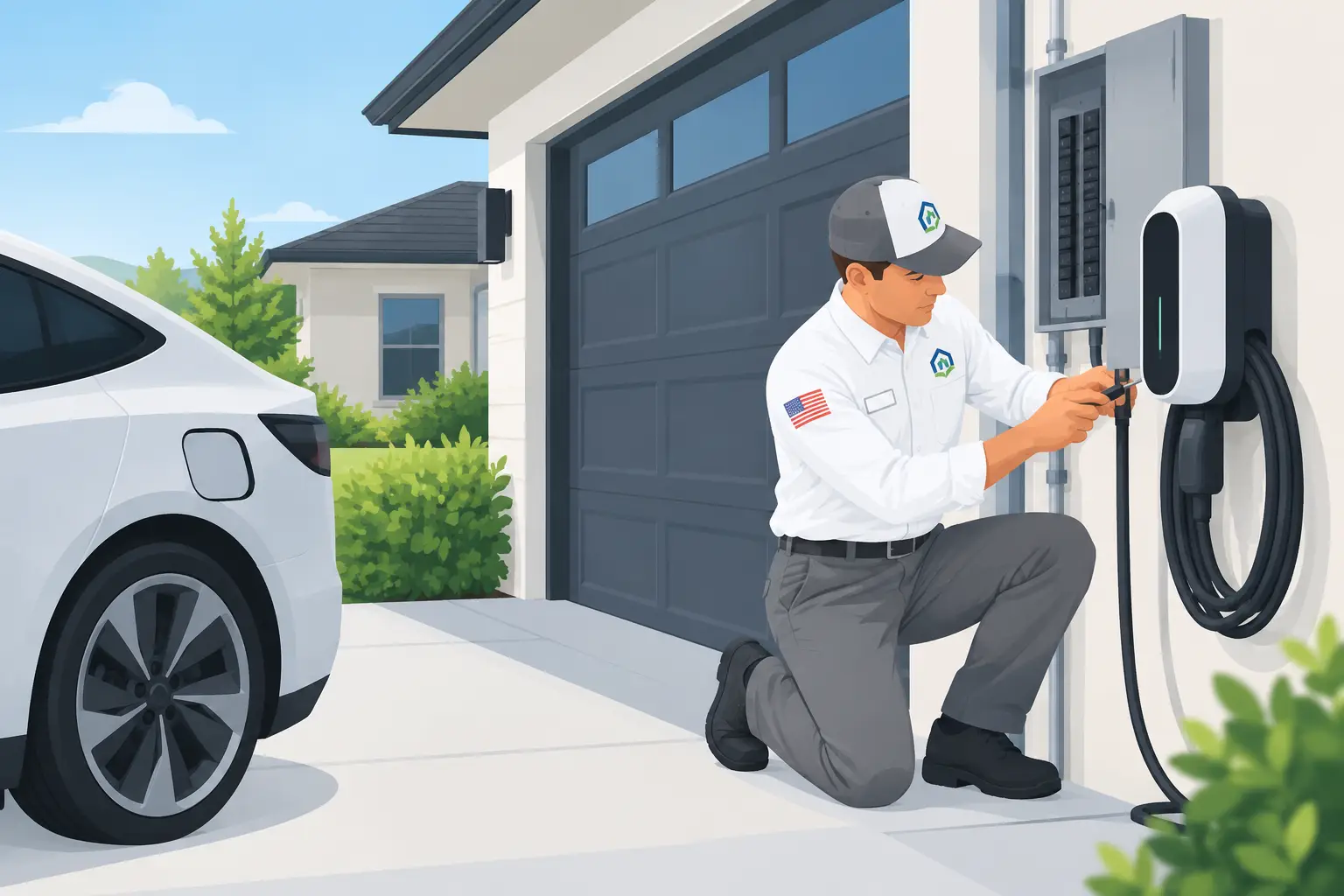
- Planned home upgrades: An EV charger, hot tub, sauna, standby generator, or additional large appliance may require dedicated circuits and influence the capacity your home needs.
The most useful question is not, “What does every panel upgrade cost?” It is, “What does my home need now, and what will keep it ready for the next improvement?”
Why Electrical Capacity Matters More Than Breaker Space
Homeowners sometimes see open breaker spaces and assume the panel has plenty of room. Physical space is only one part of the picture. The electrical service must have enough capacity to safely support the loads in the home.
Modern households use more electricity than many homes were designed to handle. Central cooling, kitchen appliances, home office equipment, larger entertainment systems, workshop tools, electric vehicle charging, and outdoor amenities all add demand. Even when everything appears to be working, an overloaded system can create nuisance tripping, overheated connections, or limits on future projects.
An electrician can perform a load calculation to determine whether the existing service is appropriate. This is especially valuable before installing a new high-demand appliance or convenience upgrade. It helps prevent a homeowner from paying for part of a project only to discover later that the electrical system needs more work.
When a Panel Upgrade Should Not Wait
Some panel concerns are planning projects. Others need prompt attention. If you notice burning odors, warmth around the panel, buzzing or crackling sounds, visible damage, water intrusion, repeated breaker trips, flickering lights throughout the home, or breakers that will not stay reset, contact a licensed electrician right away.
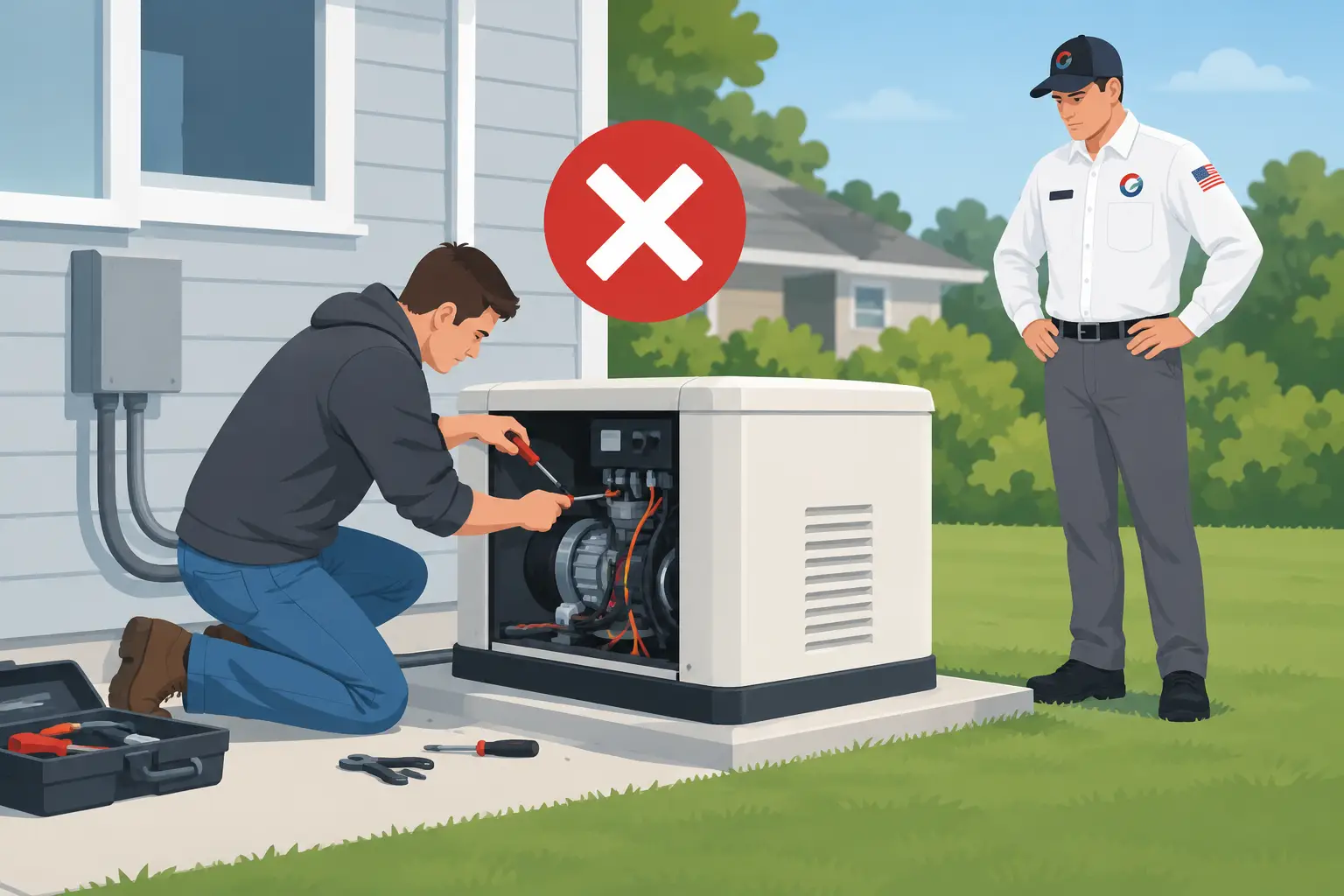
Do not remove the panel cover or try to force a breaker into position. The energized components inside a panel can cause severe injury, and a failed breaker or damaged connection may not be visible from the outside. This is not a weekend DIY project.
Older panels can also deserve a professional inspection even when they have not failed. Southern Utah homes vary widely in age and construction, and a panel that has served a family for decades may not match the electrical needs of the home today. An inspection gives you a clear condition report and helps you make a plan before an issue becomes urgent.
Replacement, Repair, or Upgrade: Which One Do You Need?
Not every electrical problem requires a complete panel upgrade. A tripping breaker might be caused by a circuit overload, a failing appliance, a loose connection, or a wiring fault elsewhere in the home. Replacing the panel without diagnosing the cause would not fix the underlying issue.
In other cases, a targeted repair is appropriate. A damaged breaker, a missing panel cover, poor labeling, or a grounding issue may be correctable without replacing the entire panel. The right recommendation depends on the condition of the system and whether it can safely support present and planned electrical loads.
A full upgrade is more likely when the panel is damaged, obsolete, overcrowded, unsafe, or unable to support the home’s required capacity. It can also make sense when you are planning several improvements at once. Coordinating electrical work before a remodel, EV charger installation, hot tub wiring project, or generator installation can avoid repeated disruption and help the finished system work as intended.
How to Get a Clear, Useful Estimate
A panel estimate should begin with an on-site evaluation, not a guess based on a photo or a quick description over the phone. Photos can be helpful for scheduling, but they do not reveal everything an electrician needs to see.
During the visit, be ready to share any known issues, recent breaker trips, upcoming appliance purchases, remodeling plans, and previous electrical work. Mention if lights dim when equipment starts, if outlets stop working intermittently, or if you have noticed heat or unusual sounds near the panel. Small details can point to a larger issue.
Ask the electrician to explain the recommended scope in terms you can understand. You should know whether the work addresses a safety defect, adds capacity for a specific upgrade, repairs existing damage, or prepares the home for future use. You should also know what permit and inspection steps apply to the project.
Transparent upfront pricing matters because it lets you make an informed decision before work begins. It also creates a better conversation about priorities. If there are multiple concerns, a qualified electrician can help separate immediate safety repairs from improvements that can be planned for later.
A Panel Upgrade Is an Investment in Safer Daily Living
A properly designed panel does more than keep breakers organized. It gives your home a safer foundation for the equipment you depend on every day. It can reduce the risk of overloaded circuits, support dedicated circuits where they are needed, and make future electrical projects easier to plan.
There are trade-offs. Completing related work at the same time can be more efficient, but it may not be necessary if the existing system is safe and capable. Increasing capacity can add long-term flexibility, but the correct size should be based on a real load calculation, not simply the largest option available.
The best path is a clear diagnosis from a residential electrical professional who will explain the options without pressure. If your panel is showing warning signs or your home is ready for a major electrical addition, Service Right Electric can evaluate the system, outline the work, and help you move forward with confidence. A safe electrical system starts with getting the right answer before the work begins.



0 Comments