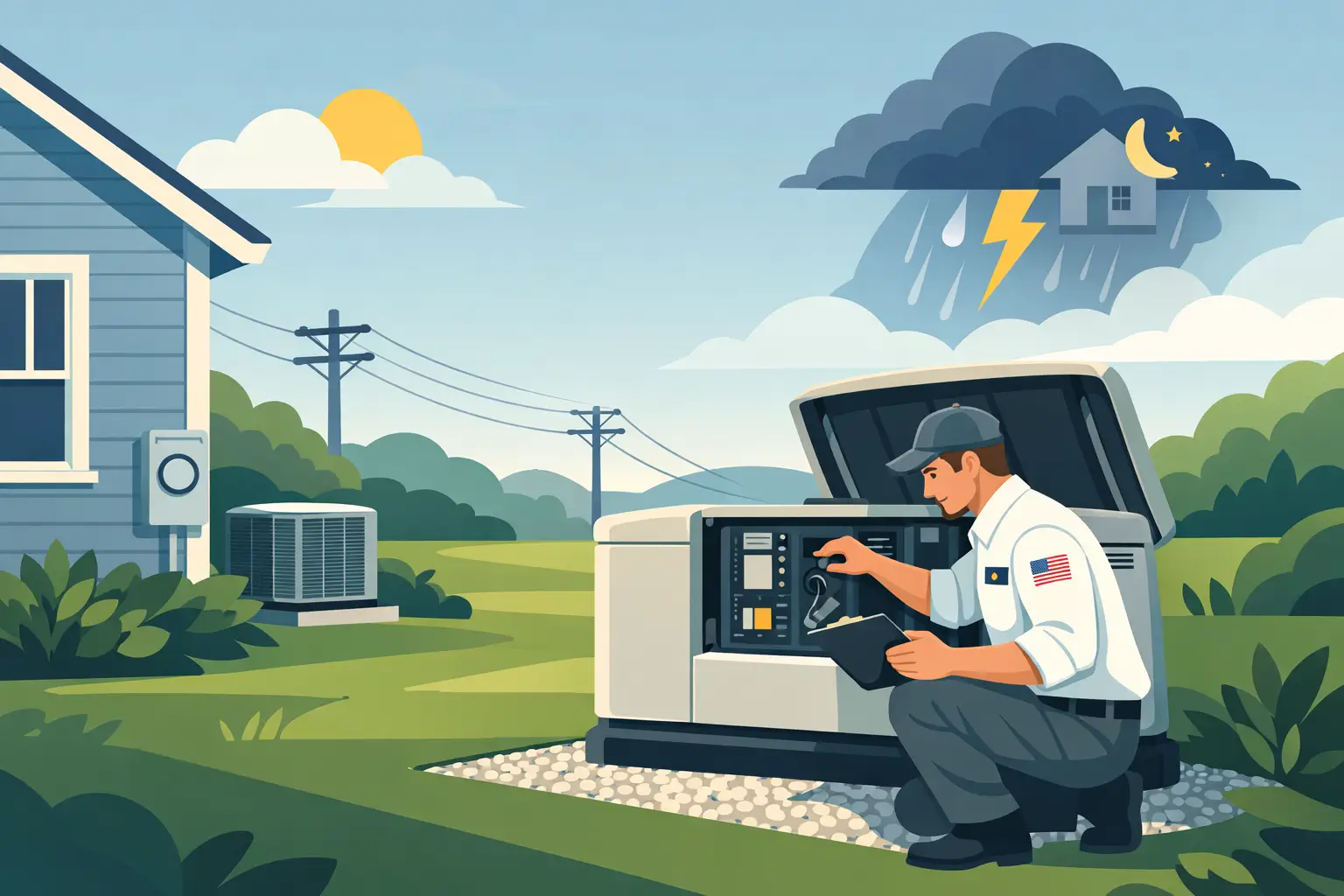
A power outage changes a home quickly. The air conditioner stops during a Southern Utah heat spell, refrigerated food starts warming, the garage door may not open, and medical or work-from-home equipment can lose power. Standby generators provide an automatic backup power source that can keep selected systems, or much of the home, operating when utility power fails.
This is not a convenience upgrade to choose on impulse. A generator must match the home’s electrical needs, connect safely to the electrical system, and receive routine care so it is ready when the outage arrives. The right setup brings real peace of mind. The wrong setup can leave a homeowner with unnecessary expense, limited capacity, or a serious electrical safety risk.
What Standby Generators Do Differently
A standby generator is permanently installed outside the home and connected to the electrical system through an approved transfer device. When the utility supply goes out, the system detects the outage, starts the generator, and shifts the home or designated circuits to backup power. When utility power returns, it transfers the load back and shuts the generator down after a brief cool-down period.
That automatic response is the key difference. A portable unit can be useful in certain situations, but it generally requires someone to bring it out, start it, manage fuel, and connect it properly. A standby system is designed to respond even when no one is home, which matters for families traveling, second homes, refrigerated food, sump equipment, security systems, and temperature-sensitive needs.
Automatic backup does not necessarily mean every device in the house will run exactly as it does during normal service. The design can focus on essential circuits, such as refrigeration, lighting, internet equipment, garage access, selected outlets, and heating or cooling controls. Other homes need broader coverage. The best choice depends on how the household uses electricity and what needs to remain available during an outage.
Start With the Loads That Matter Most
Generator sizing is not about choosing the largest unit that fits beside the house. It is about calculating the electrical load the generator must safely handle, including the higher startup demand created by certain motors and appliances.
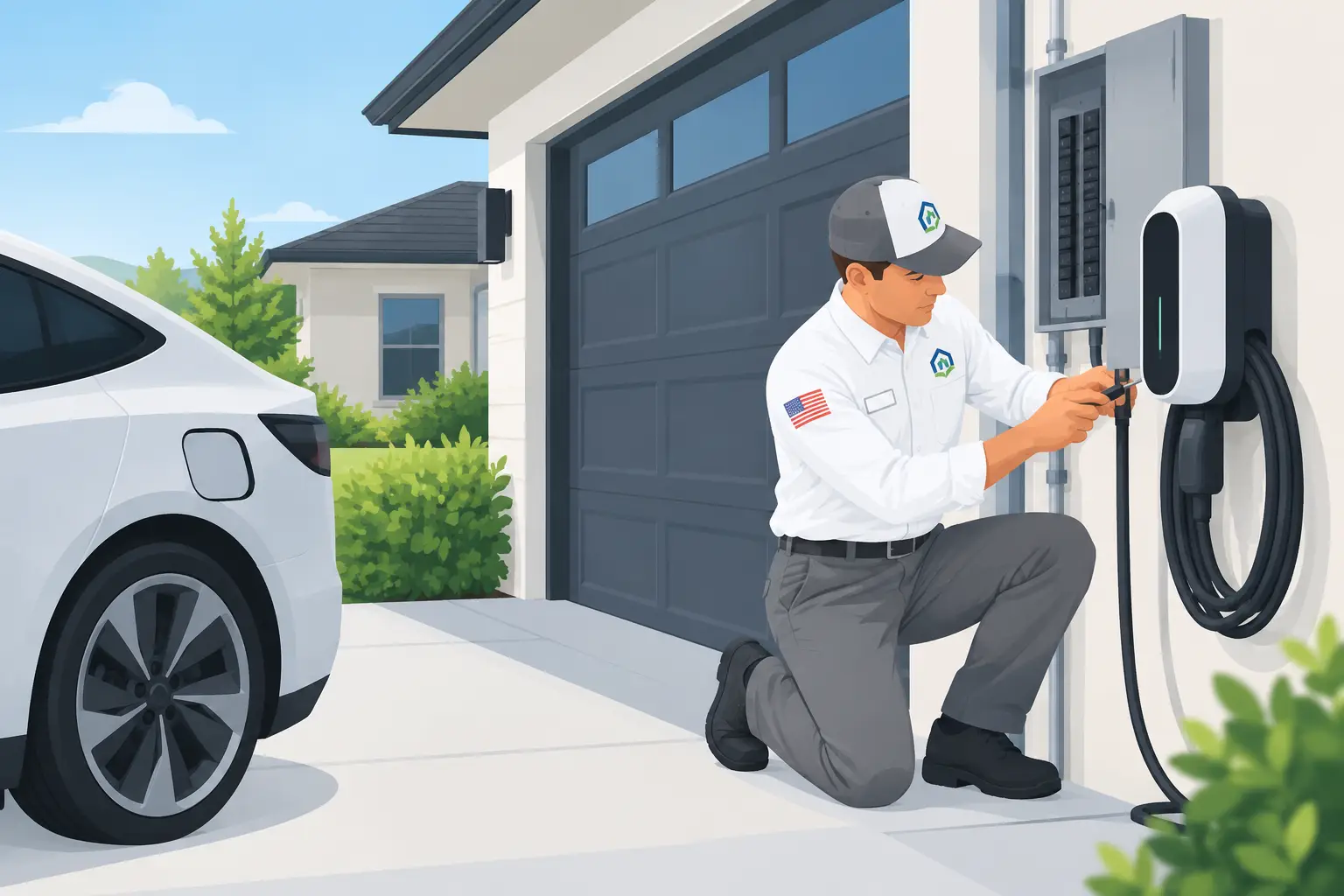
A refrigerator, well pump, air-conditioning equipment, electric range, EV charger, hot tub, and dryer do not place the same demand on a generator. Some may be essential during an outage, while others can remain off until normal power returns. A professional evaluation looks at the home’s panel, major equipment, existing circuits, and the household’s priorities before recommending a capacity and transfer strategy.
It helps to consider outages in realistic terms. If the power is out for several hours on a hot afternoon, do you want to preserve food and run lights, or do you need cooling in occupied rooms as well? If someone works remotely, is dependable internet part of the plan? If the home has a well or an electrically operated gate, does it need backup power? These answers shape the system far better than a general square-footage estimate.
Essential-Circuit Coverage Versus Whole-Home Coverage
Essential-circuit coverage directs generator power to selected parts of the home. It can be an effective choice when the goal is to keep critical systems operating while managing the size and cost of the installation. Homeowners commonly prioritize refrigeration, a few lighting circuits, outlets for communications, garage-door operation, and necessary heating or cooling equipment.
Whole-home coverage is designed for a broader electrical load. It may be a better fit for larger households, homes with medical needs, or owners who want fewer decisions during an outage. Still, whole-home backup has limits. High-demand appliances may need load management so the generator is not asked to carry every major appliance at the same time.
Neither option is automatically better. The right approach is the one that supports your family’s needs without overloading the system or paying for backup capacity you are unlikely to use.
Why Professional Installation Is a Safety Requirement
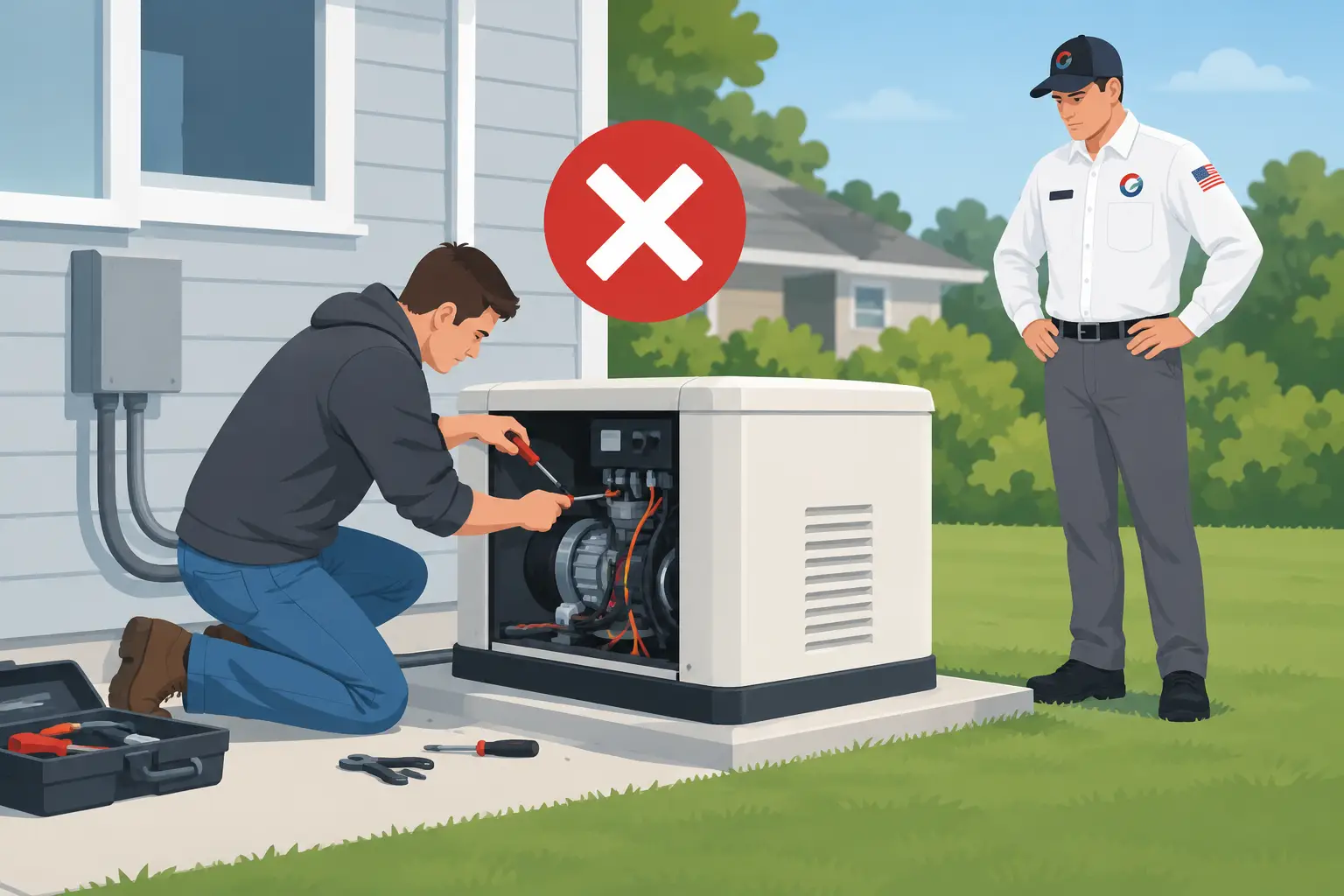
A standby generator touches several critical home systems: electrical service equipment, the main panel, grounding and bonding, fuel supply, placement clearances, and local permitting requirements. It is not a weekend DIY project.
The transfer equipment is especially important. It prevents generator power from feeding back into utility lines, a condition that can endanger utility workers, damage equipment, and create fire hazards. Proper installation also ensures the generator is isolated and connected according to the home’s electrical design.
Placement matters, too. The unit needs adequate clearance from openings, equipment, and combustible materials, along with proper ventilation and access for service. Noise, drainage, local code requirements, and the path for electrical and fuel connections should be considered before the installation begins. A generator that looks good on a site sketch may not be the safest or most practical location once those details are reviewed.
For homeowners in St. George and throughout Southern Utah, a site assessment can also account for the region’s heat, dust, and outdoor exposure. Equipment needs a location that allows reliable operation and routine service without becoming an obstacle around the home.
Plan for the Electrical Work Before an Outage
Many homes can support a standby system with the right installation plan. Others may need electrical upgrades first. An aging breaker panel, insufficient service capacity, damaged equipment, or poorly labeled circuits can complicate backup power and should be addressed before the generator is connected.
A qualified electrician can diagnose the existing system and explain what must be corrected, what is optional, and how the transfer equipment will operate during an outage. This is also the time to identify circuits that should not be on generator power or appliances that require a specific load-management plan.
Clear communication matters here. Homeowners should understand what will be powered, what will not, where the equipment will be installed, and what normal operation sounds and looks like. Service Right Electric follows a straightforward process: call, diagnose, and fix. For a standby project, that begins with listening to how you need your home to function when the grid is down, then creating a safe, clearly scoped plan.
Maintenance Is What Makes Backup Power Dependable
A generator can be installed correctly and still fail when needed if it is ignored for years. Standby generators require periodic testing and maintenance to confirm that the unit starts, transfers power correctly, and remains ready for service.
Routine care commonly includes inspecting electrical connections, checking the battery and charging system, reviewing fluid levels and filters, confirming the enclosure is clean, and testing the automatic exercise cycle. The exact service needs depend on the equipment and usage, but the goal is consistent: find small problems before a real outage exposes them.
Homeowners can help by keeping the area around the generator clear. Do not stack storage, landscaping debris, or other items against the enclosure. After storms or high winds, look for visible damage, blocked vents, or signs that pests have made a home near the unit. If the generator displays a warning or does not complete its scheduled exercise cycle, arrange service rather than assuming it will correct itself.
It is also smart to practice the household side of backup power. Know which appliances should remain off during an outage, where flashlights are stored, and how to operate manual items such as garage access if needed. A generator reduces disruption, but a simple plan makes the home safer and calmer when power is unavailable.
When a Standby Generator Makes Sense
Backup power is particularly valuable when an outage creates more than inconvenience. Homes with medical devices, refrigerated medication, remote-work demands, young children, older adults, well pumps, or temperature concerns often benefit from automatic power restoration. It can also make sense for homeowners who travel often and want refrigeration, security equipment, and essential systems protected while they are away.
For other households, the decision may come down to outage frequency and tolerance. If losing power for a few hours would be manageable, a full standby installation may not be the first upgrade to prioritize. If repeated outages disrupt work, comfort, food storage, or household safety, automatic backup becomes easier to justify.
The best time to evaluate standby power is before the next outage puts your home in the dark. A professional assessment can turn a broad idea of “backup power” into a clear plan built around the systems your family actually relies on. When the lights go out, knowing what will stay on is a practical kind of confidence.



0 Comments