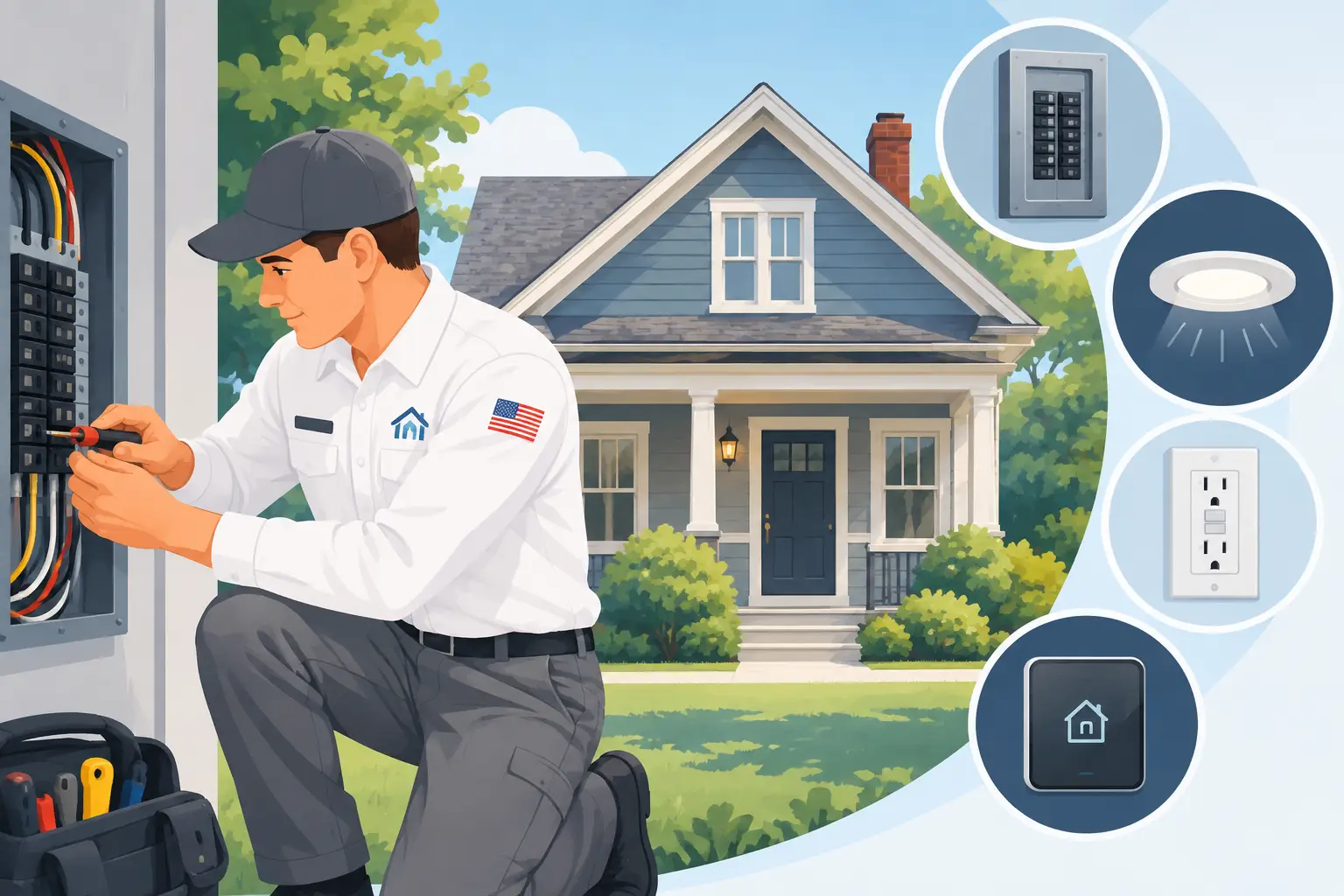
A charming older home can hide an electrical system that was never designed for today’s demands. The best electrical upgrades aging homes can receive do more than add convenience. They help protect your family, prevent recurring electrical problems, and give modern appliances the dependable power they need.
Many Southern Utah homes have been remodeled room by room over the years. That can leave behind a mix of old wiring, crowded breaker panels, aging outlets, and additions that were never properly planned for. A licensed electrician can assess what is actually in place, explain the priorities clearly, and recommend upgrades based on safety and how you use your home.
Start With the Electrical Panel
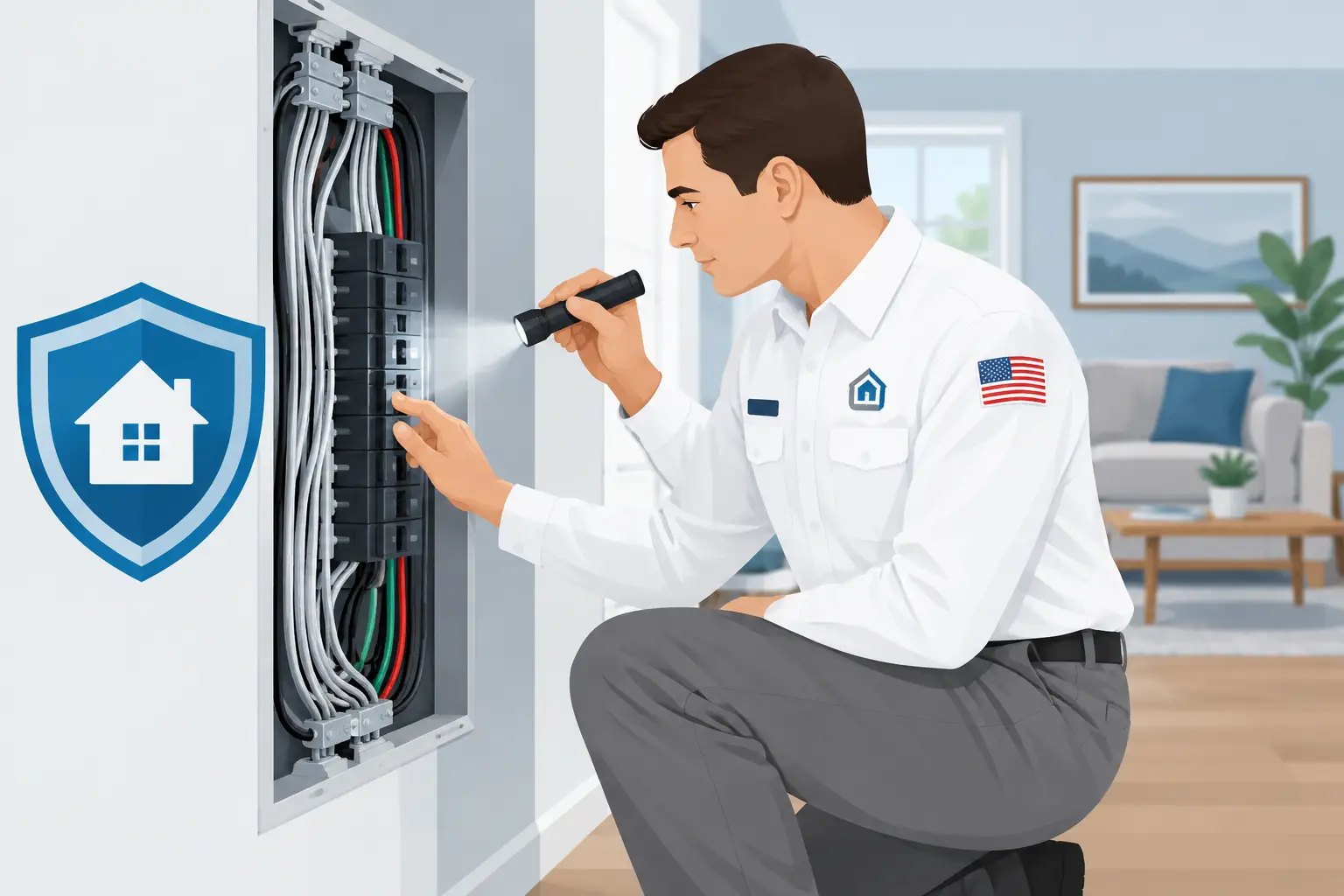
Your electrical panel is the control center for the entire home. If it is outdated, undersized, corroded, frequently tripping, or full of improvised additions, a panel upgrade may be the most valuable place to begin.
Older homes were built when families used far fewer electrical devices. Now, kitchens have multiple countertop appliances, bedrooms have chargers and electronics, garages may need power tools or an electric vehicle charger, and outdoor living spaces often include lighting, fans, or entertainment equipment. An older panel may not have enough capacity or room for the dedicated circuits those uses require.
A panel upgrade is not automatically necessary just because a home is old. If the panel is in good condition and has adequate capacity, targeted circuit upgrades may make more sense. But if breakers trip regularly, lights dim when a major appliance starts, or the panel feels warm, do not treat those signs as normal. Have them diagnosed promptly.
Replace Unsafe or Deteriorating Wiring
Wiring problems are often out of sight, but they should never be out of mind. Insulation can become brittle with age, connections can loosen, and past repairs may not meet current safety standards. Some older homes also contain wiring methods that require careful professional evaluation before adding new loads or remodeling walls and ceilings.
Warning signs include a burning smell, warm switches or outlets, buzzing sounds, discolored cover plates, flickering lights, or breakers that trip without an obvious reason. Turn off power to the affected area if it is safe to do so, avoid using the circuit, and call a licensed electrician. Electrical troubleshooting is not a weekend DIY project, especially when heat, damaged wiring, or repeated breaker trips are involved.
Rewiring does not always mean opening every wall in the home. The right scope depends on the condition of the existing system, the area being remodeled, and the loads you need to support. Sometimes a focused wiring replacement and new dedicated circuits solve the immediate safety concern. In other cases, a whole-home rewiring plan is the responsible long-term choice.
Add Dedicated Circuits Where Modern Life Needs Them
A dedicated circuit serves one major appliance or a specific high-demand use. It prevents that equipment from competing with lighting, outlets, or other appliances on an overloaded circuit.
Common candidates include refrigerators, microwaves, dishwashers, garbage disposals, laundry equipment, HVAC equipment, sump pumps, hot tubs, saunas, workshop tools, and EV chargers. A dedicated circuit can also be useful in a home office where computers, monitors, and networking equipment need reliable power.
This upgrade is especially worthwhile when a remodel adds appliances to a kitchen, bathroom, garage, or outdoor space. It is far safer to plan the electrical capacity before the project is finished than to rely on extension cords or overloaded power strips afterward.
Upgrade Outlets for Everyday Safety
Outlets wear out. Plugs that slide out easily, cracked receptacles, loose cover plates, or outlets that spark when a plug is inserted deserve attention. These small issues can point to worn components or loose connections behind the wall.
Modern outlet protection also matters. Ground-fault circuit interrupter protection, commonly called GFCI protection, is designed to reduce shock hazards in areas where water is present. Kitchens, bathrooms, laundry areas, garages, unfinished spaces, and outdoor locations are common places where this protection is needed.
Arc-fault protection is another upgrade a qualified electrician may recommend. It is intended to detect certain dangerous arcing conditions that can occur from damaged cords, loose connections, or compromised wiring. Whether GFCI or arc-fault protection is needed depends on the home’s layout, the work being performed, and applicable code requirements.
For convenience, consider adding outlets where you actually need them. A properly installed outlet near a nightstand, in a pantry, at a workbench, or on a patio is a much better solution than running cords across walkways. If you have children, tamper-resistant outlets offer another practical layer of protection.
Install Whole-Home Surge Protection
Power surges are not only caused by lightning. They can also occur when power is restored after an outage or when large equipment inside the home cycles on and off. A single large surge can damage sensitive electronics, while smaller repeated surges can gradually shorten the life of appliances and devices.
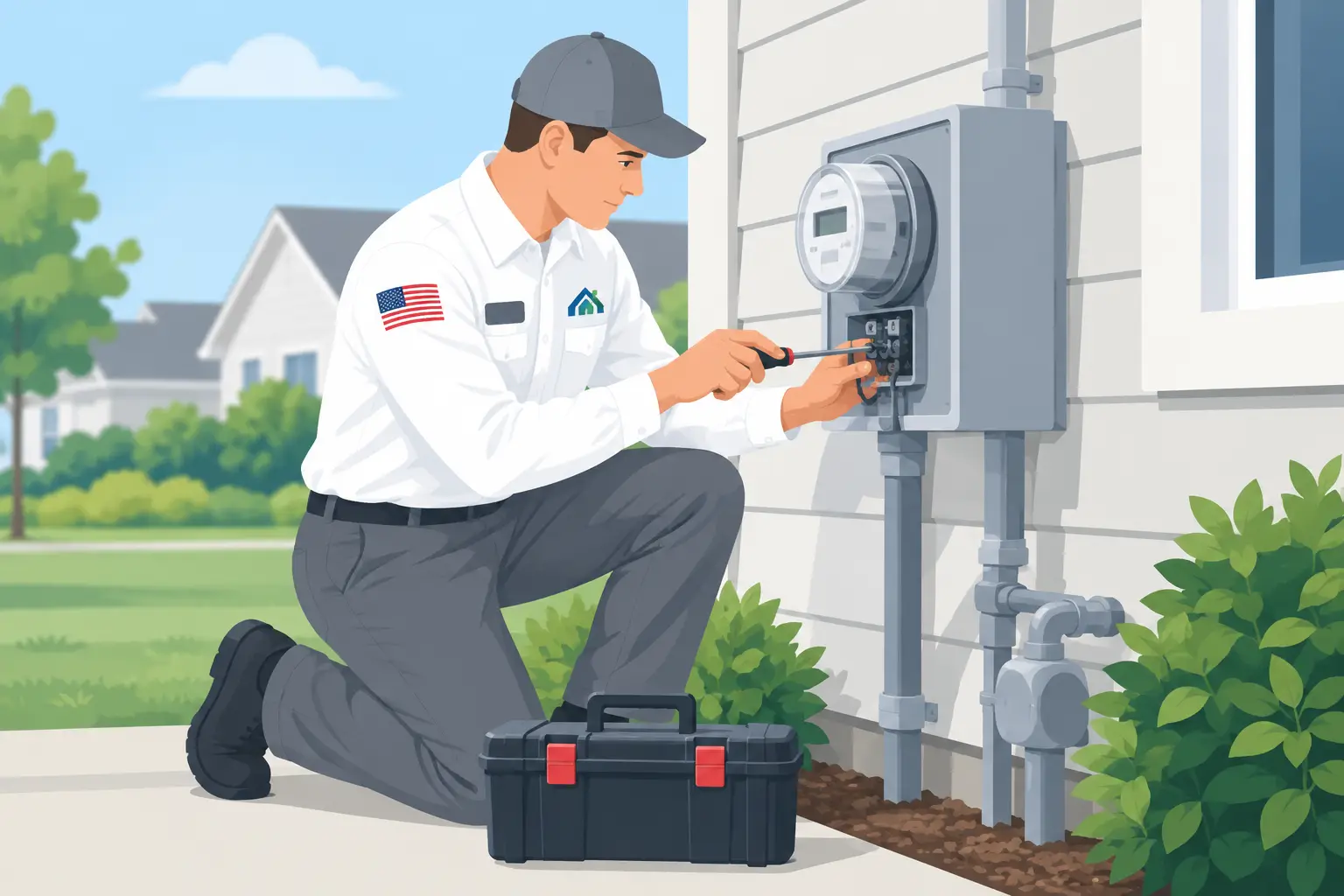
Whole-home surge protection is installed at or near the electrical panel and works alongside point-of-use protection where appropriate. It is a sensible upgrade for homes with newer appliances, smart devices, televisions, computers, garage door openers, and HVAC controls.
It is not a guarantee that no electronic device will ever be damaged. Still, it provides broad protection at the source and can be an affordable part of a larger panel or electrical modernization project.
Bring Smoke and Carbon Monoxide Detection Up to Date
Smoke alarms and carbon monoxide alarms are among the most important safety devices in a home. Older homes may have alarms that are outdated, missing from key locations, disconnected, or powered only by replaceable batteries.
A professional can evaluate the placement and condition of your alarms, then recommend properly powered and interconnected devices when appropriate. Interconnected alarms are designed so that when one alarm detects danger, the others sound as well. That can give everyone in the home more time to respond.
Do not wait for a renovation to address alarm concerns. If an alarm chirps persistently, fails a test, is yellowed or damaged, or is past its service life, schedule an evaluation.
Plan for the Upgrades You Want Next
One of the best reasons to modernize an aging electrical system is to make future improvements easier and safer. A panel with available capacity, well-labeled circuits, and correctly installed wiring gives you more options when your needs change.
For some homeowners, that means preparing for an EV charger in the garage. For others, it means wiring for a hot tub, improving indoor lighting, adding landscape lighting, installing ceiling fans, or setting up standby generator connections. These projects can place significant demands on an older system, so they should be assessed before equipment is purchased or construction begins.
A good electrician will not push every possible upgrade at once. They will separate urgent safety issues from useful improvements and long-range planning. That allows you to make informed decisions without guessing about what is necessary now and what can wait.
Choose the Right Order for Electrical Upgrades in an Older Home
If you are unsure where to start, begin with anything that creates an immediate hazard: burning odors, heat at the panel or outlets, damaged equipment, exposed wiring, repeated breaker trips, or unreliable power. Next, address the system capacity needed for essential appliances and daily use. Convenience upgrades can follow once the foundation is safe and dependable.
Before work begins, ask for a clear diagnosis, an explanation of the recommended scope, and upfront pricing. You should know what the electrician found, why the repair or upgrade is recommended, and what result to expect when the work is complete.
At Service Right Electric, our employee-owned team follows a simple approach: call, diagnose, fix. Whether your home needs a safer panel, updated outlets, new circuits, or a plan for a future project, the goal is the same – work completed carefully, explained clearly, and built to serve your home for years ahead.
An older home does not need to stay stuck with yesterday’s electrical limits. Start with a professional assessment, take care of safety concerns first, and make each upgrade count toward a home that feels safer, more capable, and ready for the way your family lives.



0 Comments