A damaged meter setup can turn a normal day at home into a safety concern quickly. Electric meter repair may involve equipment owned by your utility, equipment owned by the homeowner, or both – and knowing the difference helps you get the right help without taking risks.
Your electric meter and the equipment around it are where utility power enters the home. That means damaged covers, corrosion, heat, loose connections, or water intrusion should never be treated as a weekend DIY project. If you see a serious problem, keep your distance and call for professional guidance right away.
When Electric Meter Repair Is Needed
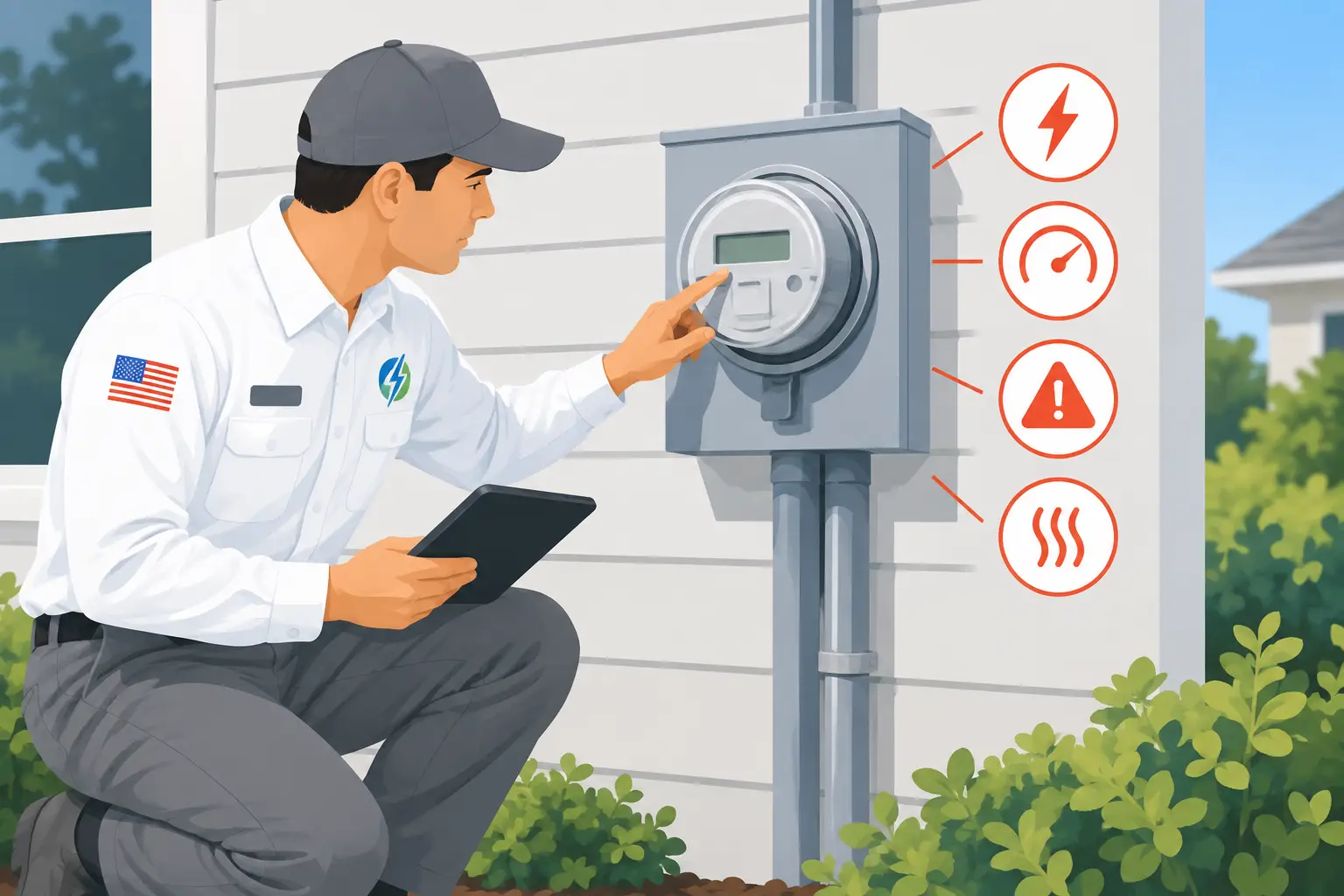
The meter itself records your home’s energy use, but the meter base or socket holds that meter in place and connects it to your electrical service. Depending on the issue and local utility rules, the utility may handle the meter while a licensed electrician repairs the meter base, service conductors, grounding components, panel connection, or weather-damaged equipment.
Homeowners often first notice a problem outside. You may see rust around the meter base, a bent or missing cover, cracked equipment, exposed wiring, or discoloration near the connection. Other warning signs show up inside: lights that flicker throughout the house, unexplained power loss, breakers that trip repeatedly, or a burning odor near the panel or meter location.
Not every flickering light means the meter equipment is at fault. A failing fixture, loose outlet, overloaded circuit, or utility-side issue can create similar symptoms. A proper diagnosis matters because the service equipment carries far more power than a typical household circuit.
Signs That Need Prompt Attention
Call for help promptly if you notice warmth at the meter base, buzzing or crackling sounds, scorch marks, melted plastic, water inside the enclosure, or a persistent burning smell. These can point to a loose or failing electrical connection that may overheat under load.
A meter that is pulling away from the wall, a damaged riser pipe above the meter, or a service cable that looks frayed or loose also deserves immediate attention. Wind, heat, age, landscaping damage, and storm exposure can all take a toll on exterior electrical equipment in Southern Utah.
If the meter area is sparking, smoking, actively burning, or near downed power lines, stay well away. Call 911 for an immediate emergency, then notify the utility. Do not touch the meter, panel, service cable, or anything nearby, including a wet wall or metal fencing that could be energized.
Who Handles the Meter and Who Handles the Repair?
This is one of the most confusing parts of an electric meter repair issue. In many cases, the utility owns and controls the meter itself, including removal and replacement. The homeowner is commonly responsible for maintaining the meter base and other portions of the service equipment on the home side of the utility connection.
The exact boundary can vary by utility provider, property layout, and the type of service equipment installed. That is why the best first step is not to guess. A licensed residential electrician can inspect the accessible equipment, identify what has failed, explain the repair scope, and coordinate the next steps when the utility must disconnect or reinstall the meter.
This process protects everyone involved. The meter may need to be safely removed before repairs can be completed, and power may need to be shut off while damaged components are replaced. A professional handles permits and required inspection steps when they apply, so the repair is completed correctly and the service can be restored safely.
Why Meter Equipment Fails
Electrical service equipment is built to last, but it does not last forever. Older meter bases can corrode, especially where moisture enters through a damaged seal or worn enclosure. Over time, corrosion can weaken connections and create resistance. Resistance produces heat, and heat can damage terminals, insulation, and the meter socket itself.
Physical damage is another common cause. A vehicle, lawn equipment, construction activity, or even a loose gate can strike exterior equipment. Sometimes the damage seems minor, but a shifted meter base or cracked housing can allow water inside or strain electrical connections.
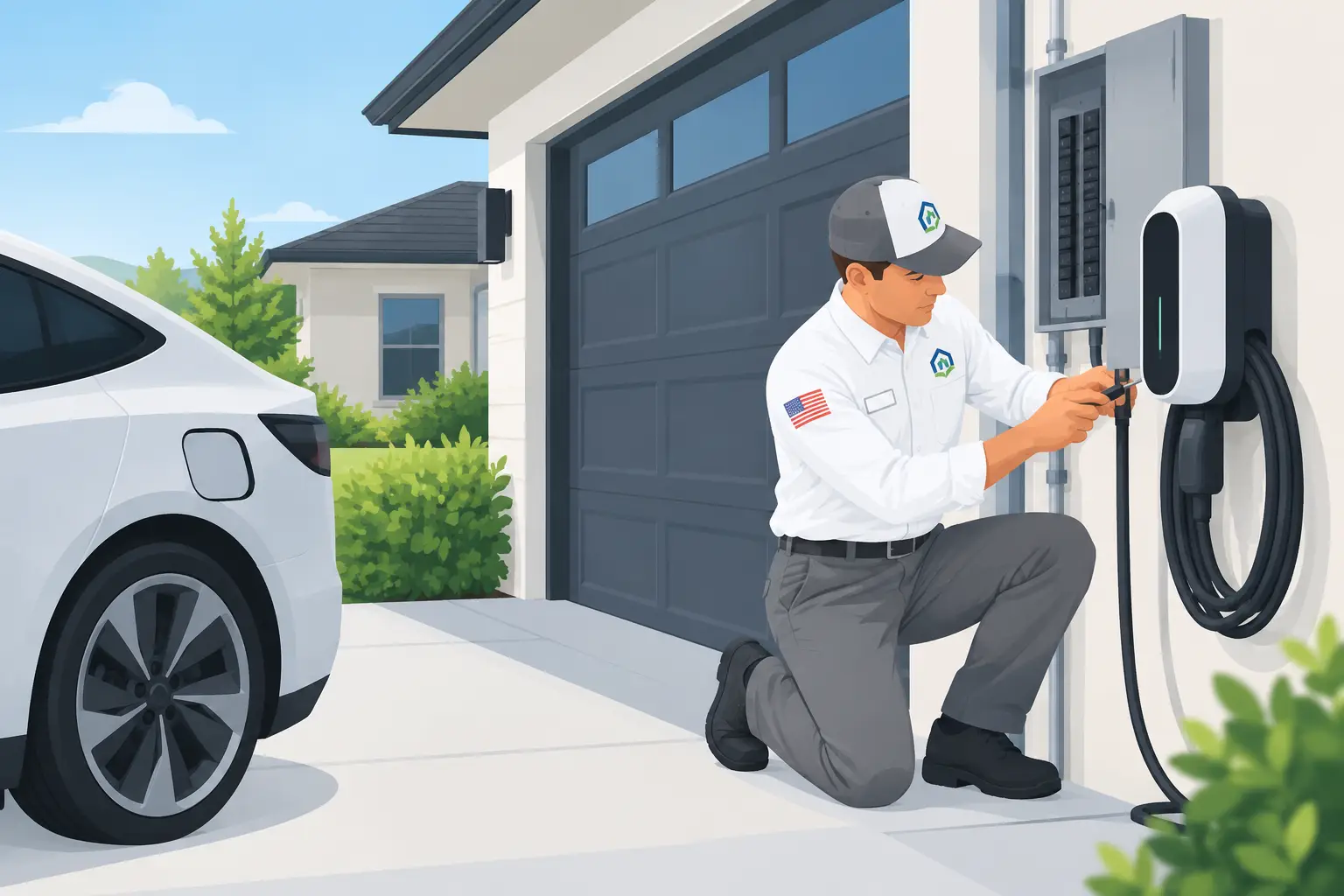
Service upgrades can also reveal a problem. If your household adds an EV charger, hot tub, sauna, or other major electrical load, an electrician may find that aging service equipment needs attention before the new circuit can be installed. The goal is not simply to add capacity. It is to make sure the entire path bringing power into the home is in sound condition.
Extreme heat matters, too. Southern Utah summers put electrical systems under heavier demand as air conditioning runs for long periods. Existing loose connections may become more noticeable during peak use, showing up as flickering lights, inconsistent power, or overheating equipment.
What a Professional Meter Repair Visit Looks Like
A good repair starts with diagnosis, not assumptions. Your electrician will look at the meter base and surrounding service equipment, inspect for visible damage and corrosion, and assess related components such as the main panel, grounding, service conductors, and exterior connections.
They will explain what they found in plain language and outline the options before work begins. If the utility needs to be involved, the electrician can help clarify which portion belongs to the homeowner and what work must happen before the meter can be reinstalled.
The repair itself may involve replacing a damaged meter base, correcting loose or overheated connections, repairing weather-related damage, improving grounding, or addressing panel and service equipment concerns discovered during the inspection. The right repair depends on the condition of the system. Replacing one visible damaged part without correcting the cause can leave the home with the same problem waiting to return.
Service Right Electric follows a straightforward process: call, diagnose, and fix. You get a clear explanation of the issue, upfront pricing before approved work begins, and licensed residential technicians focused on getting your home safely back to normal.
What Not to Do Around a Damaged Meter
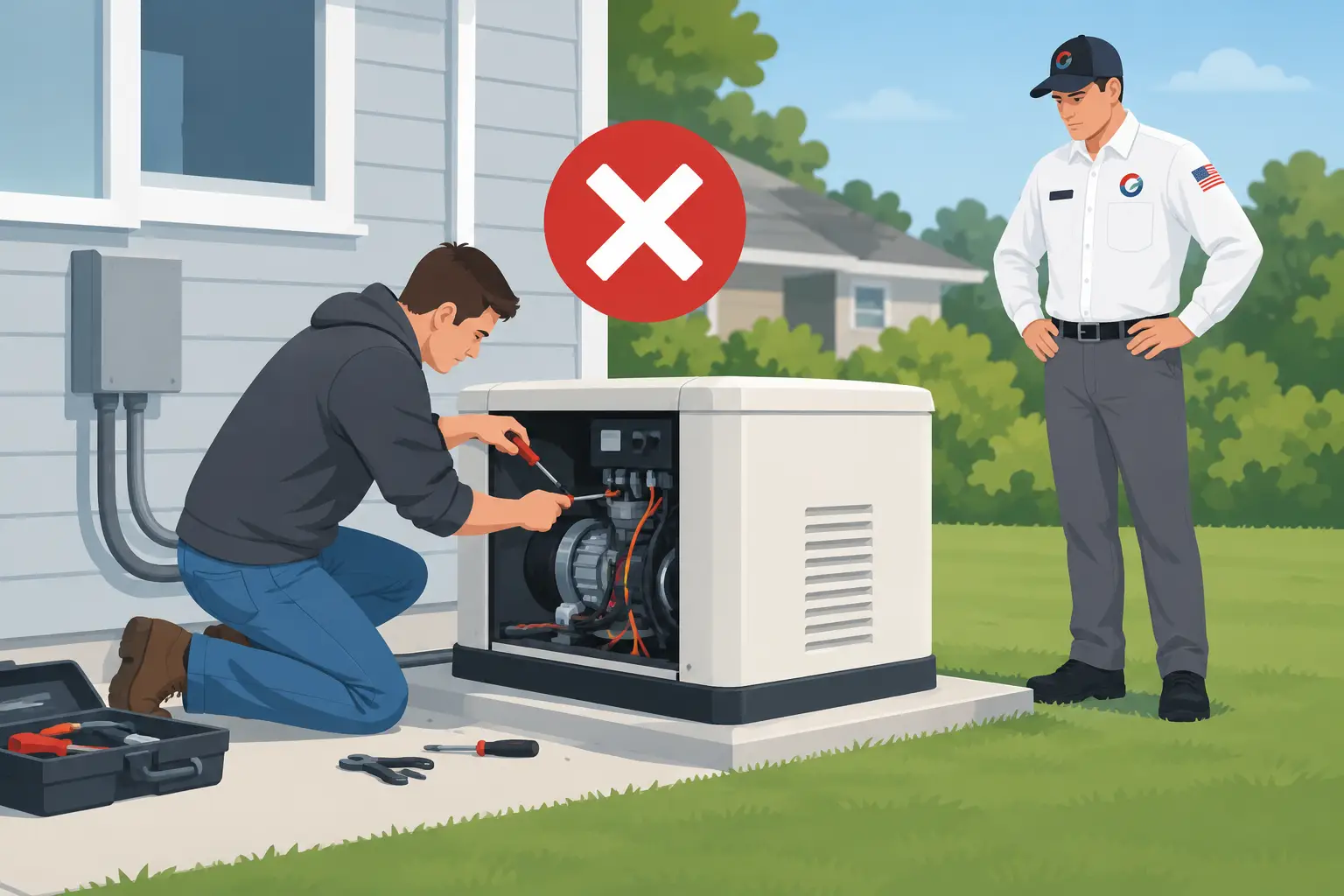
Do not remove the meter, cut seals, open a meter base, or try to tighten connections yourself. These components can remain energized even when power inside the home is off. The risk includes severe shock, arc flash, fire, equipment damage, and utility violations.
Avoid covering a damaged meter with tape, plastic, or a temporary homemade enclosure. Keeping water out may sound sensible, but a temporary cover can trap moisture, interfere with heat dissipation, or conceal a worsening problem. Keep children and pets away from the area instead.
If you have lost power, do not assume the meter is the cause. Check whether neighbors are affected and report a possible outage to the utility. If the outage is limited to your home, or you see signs of damage at the meter or panel, call a licensed electrician for an inspection.
Preventing Future Meter Base Problems
You cannot prevent every equipment failure, but you can catch developing issues earlier. Periodically look at the meter area from a safe distance. The enclosure should appear secure, closed, and free from obvious rust, cracks, water staining, or impact damage. Keep shrubs, stored items, and outdoor furniture away so technicians and utility personnel can access the equipment when needed.
After a major storm, exterior renovation, or accidental impact near the service equipment, take a fresh look. If your home has older electrical infrastructure or you are planning a major addition to your electrical load, ask for a professional evaluation before the project begins.
A meter problem is rarely the place to wait and see. A quick call can turn an uncertain electrical issue into a clearly scoped repair, protect your home from further damage, and give you confidence that the power coming in is safe to use.



0 Comments