A home can have aluminum branch-circuit wiring for decades without an obvious problem – until a connection begins to fail behind an outlet or inside a panel. So, can aluminum wiring remain in place safely? Sometimes, yes. But the answer depends on the wiring’s condition, the type of connections present, and whether a qualified electrician has evaluated the system.
For Southern Utah homeowners, this is not a weekend DIY project or a decision to make based on a quick look at one outlet. Aluminum wiring requires a careful, whole-home assessment. The goal is not to create unnecessary worry. It is to identify loose, damaged, or improperly terminated connections before they become a source of heat, arcing, smoke, or fire.
Can Aluminum Wiring Remain Safe?
Aluminum wiring was commonly installed in some homes built from roughly the mid-1960s through the early 1970s. It was used as an alternative to copper when copper costs were higher. Large aluminum conductors are still used safely for certain electrical applications today, including service entrance wiring. The concern is primarily older, smaller-gauge aluminum branch wiring that feeds outlets, switches, and lights inside a home.
The wire itself is not automatically dangerous simply because it is aluminum. The risk usually develops at connection points. Aluminum expands and contracts more than copper as it warms and cools. Over time, that movement can loosen a terminal screw, splice, switch, or receptacle connection. Aluminum can also oxidize at the surface, which may increase resistance and create heat.
That means aluminum wiring may be able to remain if a licensed electrician finds it is in suitable condition and verifies that connections have been properly addressed using approved repair methods and compatible devices. In other homes, replacement may be the more practical long-term choice, especially when the wiring is damaged, heavily altered, or paired with other aging electrical components.
Why Connections Matter More Than What You Can See
An outlet cover can look clean while the connection behind it is overheating. That is why a visual walk-through alone cannot confirm the safety of older aluminum wiring.
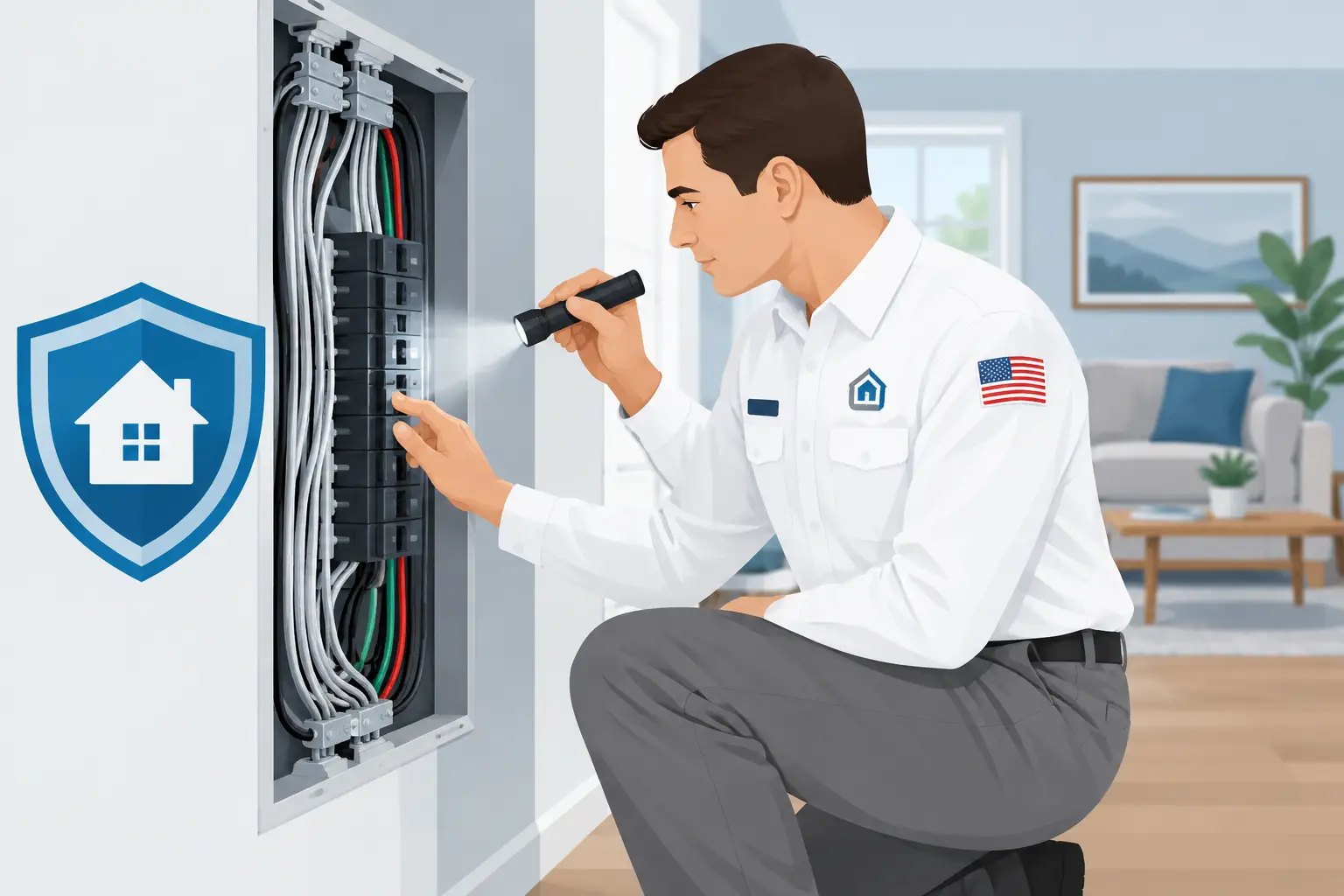
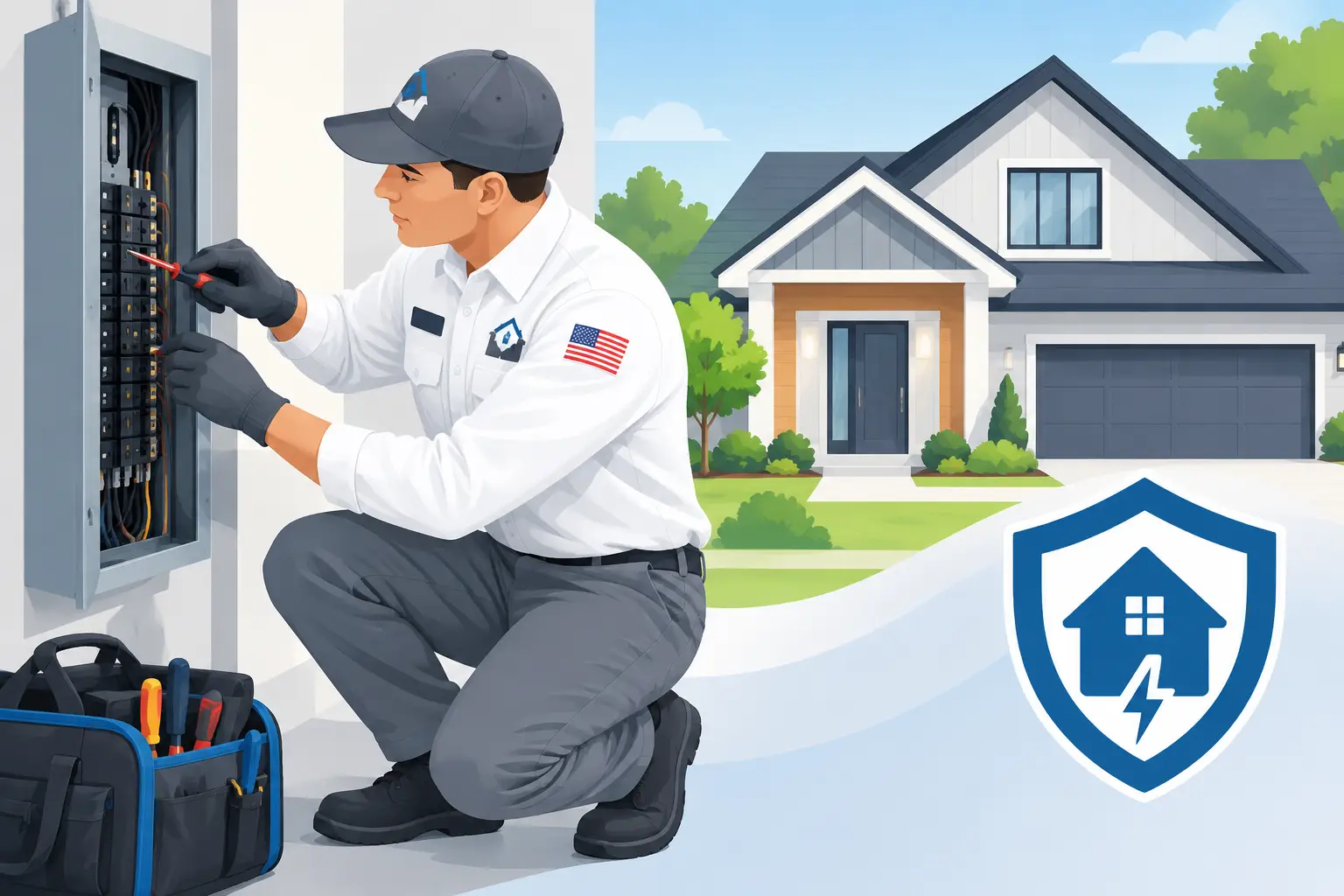
A professional evaluation looks beyond the visible wire. An electrician may inspect outlets, switches, junction boxes, lighting connections, the breaker panel, and accessible splices. They will look for signs of heat damage, loose terminations, improper mixed-metal connections, outdated devices, overloaded circuits, and previous repairs that do not meet current safety requirements.
The condition of the home matters, too. A house that has had years of remodeling may have a mix of original wiring, added copper wiring, altered circuits, and hidden junction boxes. That does not automatically mean the system is unsafe, but it does mean assumptions can be costly. A proper diagnosis establishes what is actually present before anyone recommends a repair or upgrade.
Warning Signs That Need Prompt Attention
Do not wait for a full remodel if your home shows signs of an electrical connection problem. Turn off power to the affected circuit if it can be done safely, avoid using the device, and schedule a professional inspection.
Common warning signs include:
- Warm, discolored, cracked, or buzzing outlets and switches
- Flickering or dimming lights that are not caused by a loose bulb
- A burning odor, smoke, or visible sparking near electrical equipment
- Breakers that trip repeatedly or outlets that stop working intermittently
- Light switches or receptacles that feel loose, hot, or unreliable
A burning smell or smoke is an urgent safety concern. Move away from the area, call emergency services if there is an active fire risk, and do not remove outlet covers or attempt to tighten wiring yourself. Electrical problems can remain energized even when an outlet appears dead.
Your Options: Repair, Rewire, or Plan an Upgrade
There is no single answer for every house with aluminum wiring. After inspecting the system, a licensed electrician can explain the condition of the wiring and outline the appropriate path forward in plain language.
Professionally repair connection points
For some homes, an approved repair at connection points can reduce the risks associated with older aluminum branch wiring. This work may involve specialized connectors, properly rated devices, and repair procedures designed for aluminum-to-copper transitions or aluminum conductors. The details matter. Standard devices and ordinary wire connectors may not be appropriate for this application.
This option can be sensible when the existing wiring is otherwise in good condition, accessible repairs can be completed correctly, and the home’s electrical capacity still supports the family’s needs. It is not the same as simply swapping an outlet or adding a quick splice.
Replace affected branch circuits
Replacing older branch circuits may be the right call when wiring is damaged, connections are widespread or inaccessible, the home has been repeatedly modified, or a major renovation has opened walls and ceilings. Rewiring can also make sense when you want to add new circuits for a kitchen, garage, workshop, hot tub, EV charger, or other high-demand equipment.
The trade-off is that rewiring can be more involved because it may require access through walls, ceilings, or crawlspaces. But it can also provide a clean foundation for modern electrical use and reduce the need to work around aging conductors later.
Combine electrical work with planned improvements
If you are already updating lighting, remodeling a room, replacing a panel, or adding dedicated circuits, it is a good time to evaluate aluminum wiring in the work area. Coordinating projects can limit disruption and help ensure the electrical system supports how you use the home now, not how it was used decades ago.
A panel upgrade alone does not replace branch wiring throughout the house. It can improve capacity and address panel-related concerns, but each part of the electrical system should be evaluated for its own condition. Clear scope matters, and a good electrician will explain exactly what is being repaired, replaced, or left in place.
Why DIY Repairs Create Extra Risk
Homeowners often find online advice suggesting that aluminum wiring can be fixed by tightening screws, applying a compound, or replacing outlets with standard hardware-store devices. Those approaches can create a false sense of security.
Electrical connections must be compatible with the conductor material, installed to manufacturer requirements, and properly torqued. Over-tightening can damage a conductor or terminal. Under-tightening can cause a high-resistance connection that heats up under load. Even identifying aluminum wiring can be difficult in a home with additions and prior repairs.
This is one of those situations where hiring a licensed residential electrician protects more than the wiring. It protects your family, your home, and your ability to make informed decisions about repairs. A professional inspection also gives you a clear record of what was found and what work was completed.
What to Expect From a Professional Assessment
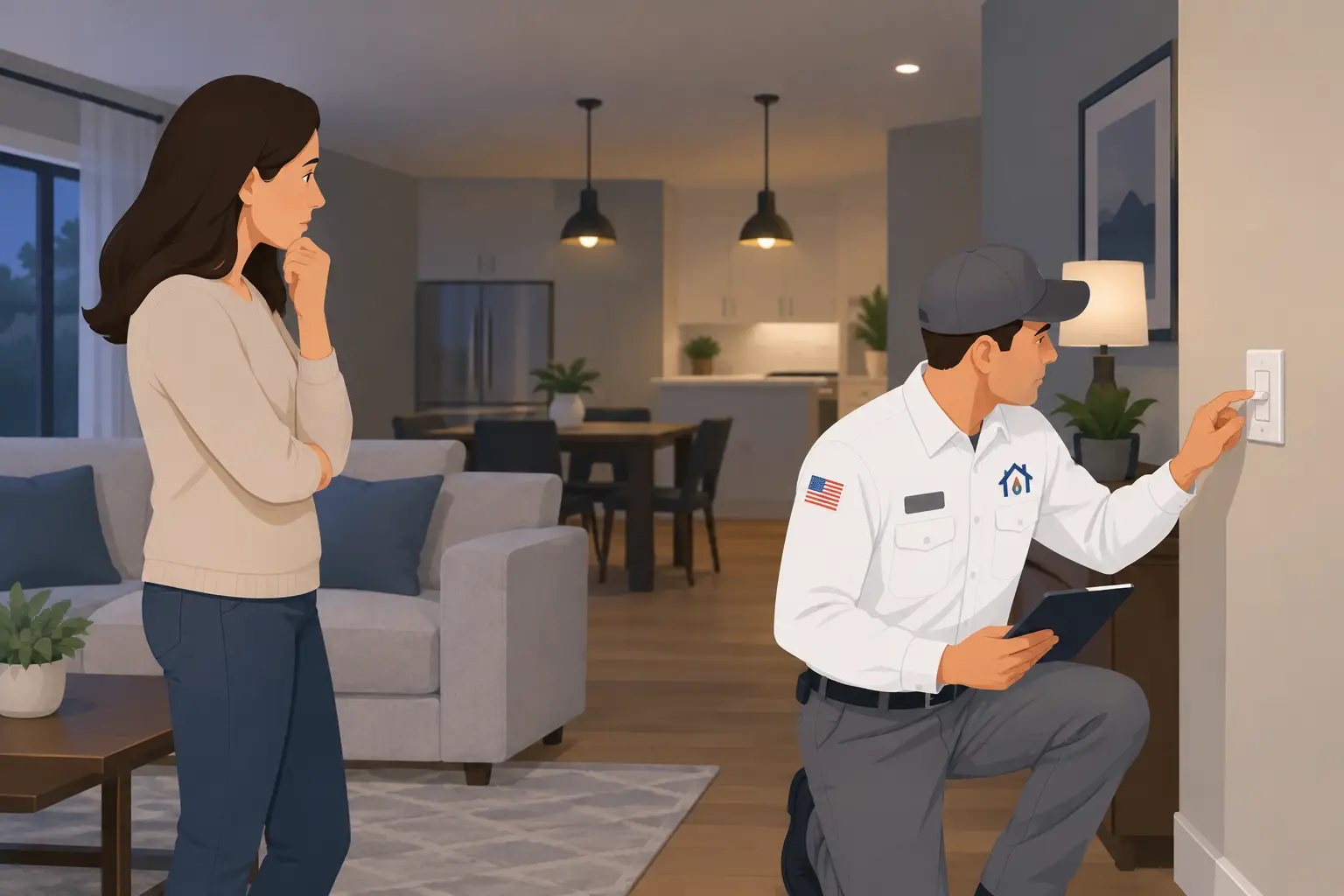
The first step is a diagnosis, not a sales pitch. The electrician should listen to your concerns, ask about the home’s age and any symptoms you have noticed, and inspect the areas that can be safely accessed.
After the assessment, you should receive a straightforward explanation of the findings. If repairs are needed, the scope should be clear: which circuits or devices are involved, what the repair is intended to address, and whether there are any additional issues worth planning for. Upfront pricing before work begins helps homeowners decide without pressure or surprise charges.
At Service Right Electric, our employee-owned team follows a simple process: call, diagnose, fix. We help Southern Utah homeowners understand what is happening in their electrical system and complete the work safely, with clear communication from start to finish.
Older wiring does not have to leave you guessing. If you suspect your home has aluminum branch wiring, or you have noticed heat, flickering, tripping breakers, or unreliable outlets, arrange a qualified electrical inspection before a small connection issue becomes a bigger problem.


0 Comments