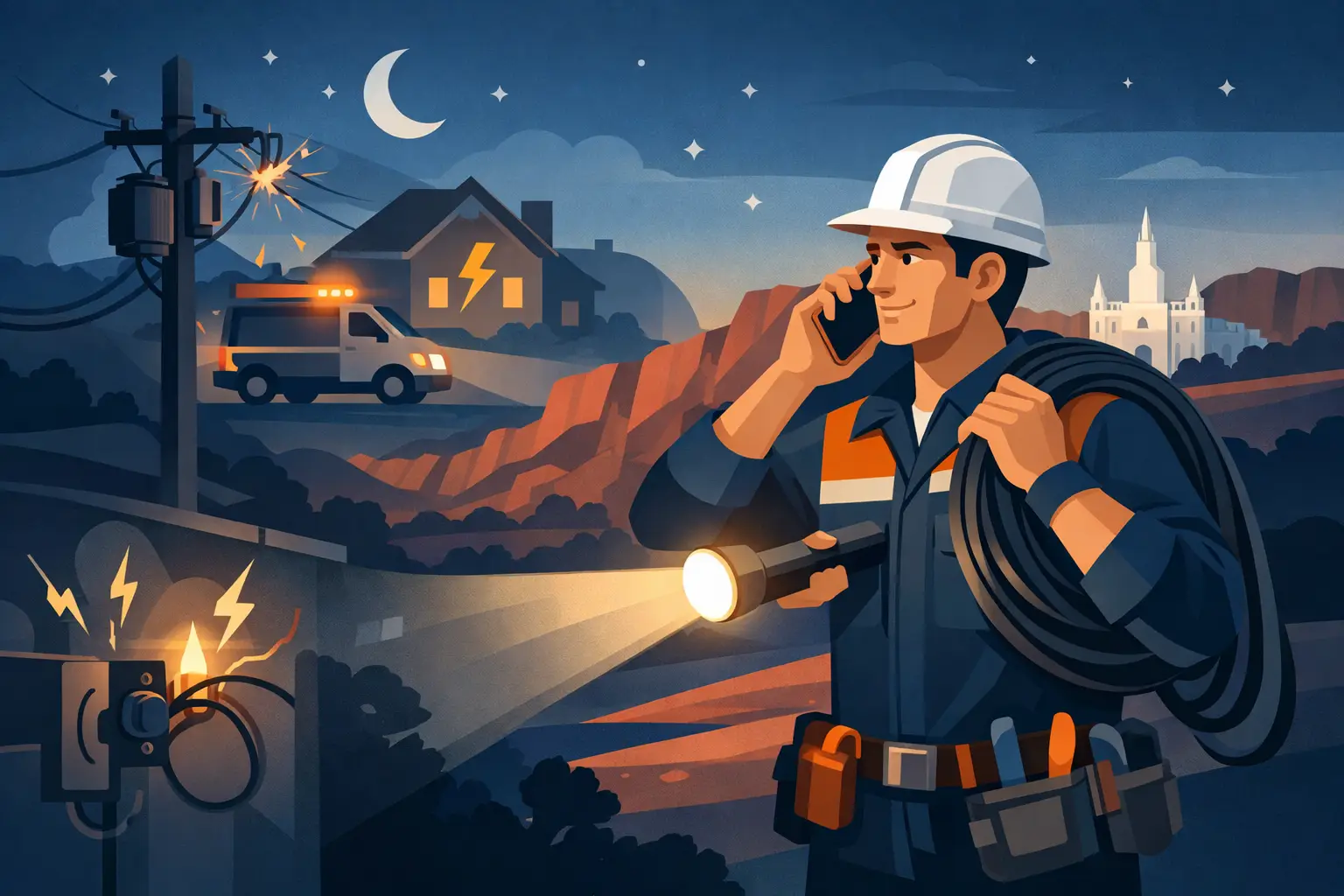
A breaker that will not reset at 10 p.m., an outlet that feels hot, or a burning smell near the panel can turn an ordinary evening into a real safety concern. When you need an emergency electrician St George homeowners can rely on, the first priority is not troubleshooting the problem yourself. It is protecting people, pets, and property until a licensed professional can diagnose the cause.
Electricity often gives warnings before a serious failure. A flickering light may be a loose connection. A tripping breaker may be responding exactly as it should to an overloaded or damaged circuit. The safest response depends on what you see, smell, hear, and whether the problem is contained to one fixture or affecting the whole home.
When to Call an Emergency Electrician in St George
Some electrical problems can wait for a scheduled service visit. A single dead outlet with no heat, odor, or breaker trouble is inconvenient, but it is usually not an immediate emergency. A light fixture replacement or new ceiling fan installation can also be planned around your schedule.
Other situations deserve a faster response because they may involve overheating, arcing, damaged equipment, or a loss of critical power. Call for urgent electrical help if you notice a burning or fishy odor, smoke, sparks, buzzing from a panel or outlet, repeated breaker trips, visible scorch marks, or an outlet or switch that is hot to the touch. Water near electrical equipment, storm damage to exterior electrical components, and a damaged meter base also call for professional attention.
A total or partial loss of power can be more complicated. First, check whether nearby homes are out and whether your utility has reported an outage. If the utility is operating normally and only your home has lost power, the issue may be in the main panel, meter equipment, service connection, or a failed circuit. Do not remove a panel cover or attempt to handle utility-side equipment. Those systems require qualified evaluation.
What to Do Before Help Arrives
A calm response can reduce the risk of shock or fire. If you can reach the electrical panel without passing through smoke, standing water, or a hazardous area, turn off the affected breaker. If you cannot identify the circuit and there are signs of active danger, turn off the main breaker only if it is safe to do so.
Then take these practical steps:
- Keep everyone away from the affected outlet, panel, fixture, or damaged wire.
- Unplug appliances from the affected area if the plugs and cords are cool, dry, and easy to reach.
- Do not use water on an electrical fire. Leave the home and call 911 if there is smoke, fire, or an immediate threat.
- Avoid using extension cords as a permanent workaround for a failed circuit or outlet.
- Make a note of what happened just before the issue started, including which appliances were running and which breakers tripped.
Do not reset a breaker repeatedly. One reset after an overload can be reasonable, such as when too many portable heaters, kitchen appliances, or tools were running on one circuit. But if the breaker trips again, leave it off. Repeated resetting can send power into a circuit that has a short, loose connection, failing appliance, or damaged wiring.
Why Electrical Emergencies Are Not a DIY Project
Homeowners can safely handle a few basic tasks, such as changing a light bulb or testing a GFCI outlet with its reset button. Finding the source of an electrical fault is different. The visible symptom is rarely the whole story.
For example, a dead outlet may be caused by a tripped GFCI outlet elsewhere in the home. It could also point to a loose wire, a failed receptacle, rodent damage, an overloaded circuit, or a problem at the panel. A breaker that keeps tripping may be protecting the home from a dangerous condition, not simply being inconvenient.
Southern Utah homes also face conditions that can put extra demands on electrical systems. High summer temperatures increase cooling loads. Older homes may have panels or wiring that were not designed for modern electronics, large appliances, electric vehicle charging, hot tubs, or home office equipment. Outdoor equipment and lighting can be affected by weather, irrigation, and landscaping work.
The trade-off is simple: trying to save time with a quick repair can create more damage, a shock hazard, or a fire risk. A licensed residential electrician has the training and test equipment to isolate the problem, verify the repair, and explain what needs to happen next.
What a Professional Emergency Visit Looks Like
Clear communication matters when something is wrong with your home’s power. The right service visit should not begin with guesswork or unclear billing. It should start with a focused diagnosis.
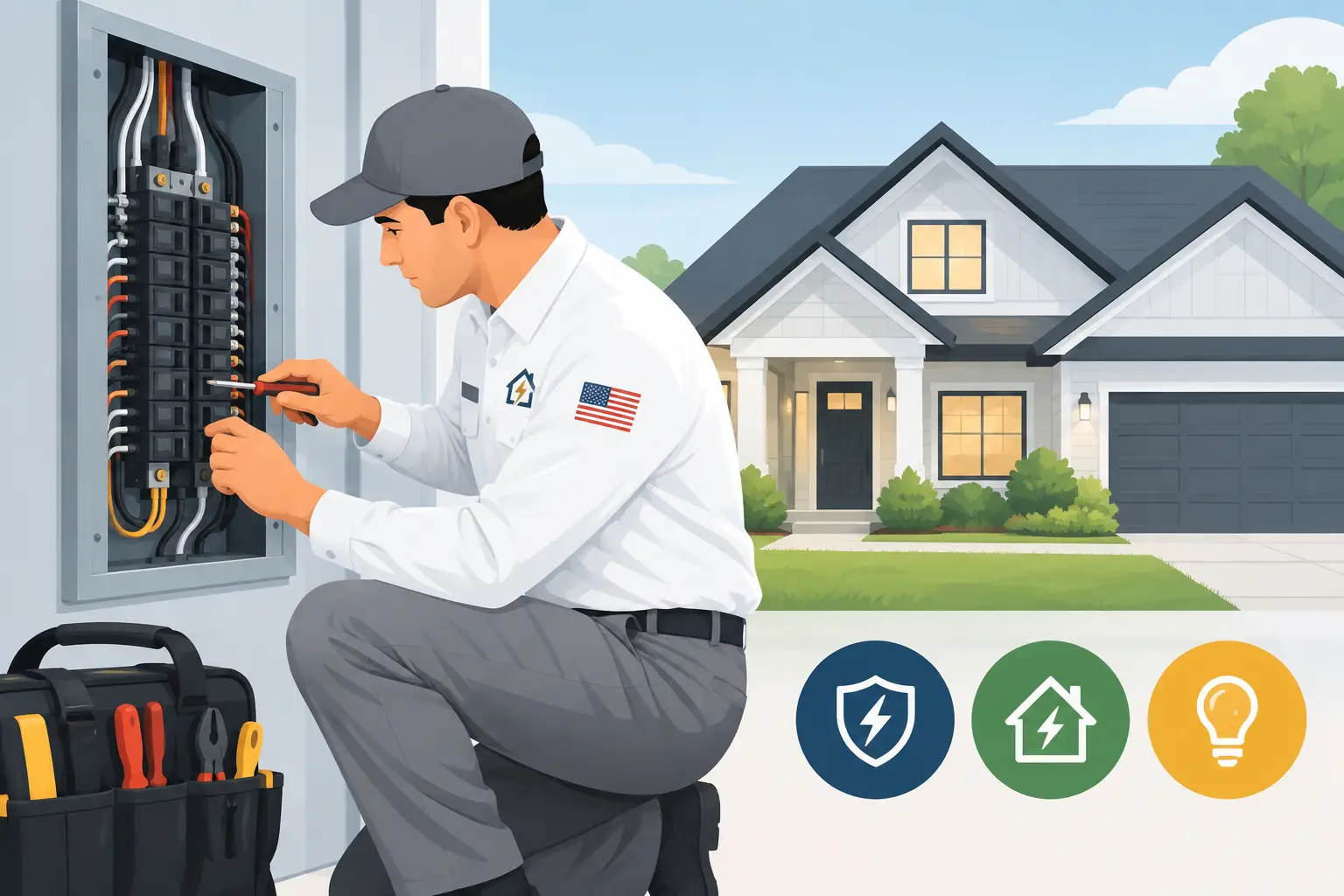
Service Right Electric follows a straightforward process: call, diagnose, and fix. A technician listens to what happened, evaluates the affected circuit or equipment, and identifies the underlying issue. Before work begins, you receive clear options and upfront pricing so you can make an informed decision.
The repair may be as contained as replacing a failed outlet, switch, GFCI device, breaker, or damaged connection. In other cases, the technician may find a larger issue, such as deteriorated wiring, an overloaded panel, unsafe aluminum wiring connections, or damaged exterior electrical equipment. The right recommendation depends on the condition of the system, the age of the home, and the safety risk involved.
Sometimes the safest repair includes a planned follow-up upgrade rather than an immediate full replacement. For instance, a panel may need a targeted repair today and a capacity upgrade before adding an EV charger, hot tub, or standby generator later. Good electrical service separates what must be addressed now from what can be scheduled thoughtfully.
Problems That Often Need Fast Electrical Repair
Certain calls come up repeatedly in St. George-area homes. A tripping breaker is one of the most common. The cause can range from too many devices on one circuit to a damaged appliance or a wiring fault behind a wall. The only safe answer comes from testing, not guessing.
Hot outlets and switches are another concern. A device that is warm because of a dimmer or heavy load may need evaluation, but one that is hot, discolored, crackling, or smells burned should be shut off and inspected promptly. Loose connections create resistance, and resistance creates heat.
Flickering lights deserve attention when the problem affects multiple rooms, happens when major appliances start, or occurs alongside buzzing and breaker trouble. It may be a simple fixture issue, but it can also indicate a loose neutral connection, panel problem, or service issue.
GFCI outlets that will not reset, bathroom or kitchen outlets that suddenly stop working, and exterior outlets exposed to moisture are also common service calls. These devices are built to protect against shock, so bypassing or replacing them without understanding why they tripped is not a safe fix.
Prevent the Next Electrical Emergency
Not every electrical emergency can be predicted, but many can be reduced with timely maintenance and upgrades. If your breakers trip frequently, outlets are loose, lights flicker, or your panel is older and full, schedule an inspection before the issue becomes urgent.
Consider dedicated circuits for high-demand equipment, properly installed whole-home surge protection, updated smoke detectors, and panel capacity planning before adding major loads. These improvements are not just about convenience. They give your home electrical system room to operate safely as your needs change.
If an electrical issue feels unsafe, trust that instinct. Turn off power when it is safe, keep clear of the affected area, and get professional help instead of hoping the warning signs disappear. Fast action and a correct diagnosis are the best way to protect the home you have worked hard to build.

0 Comments