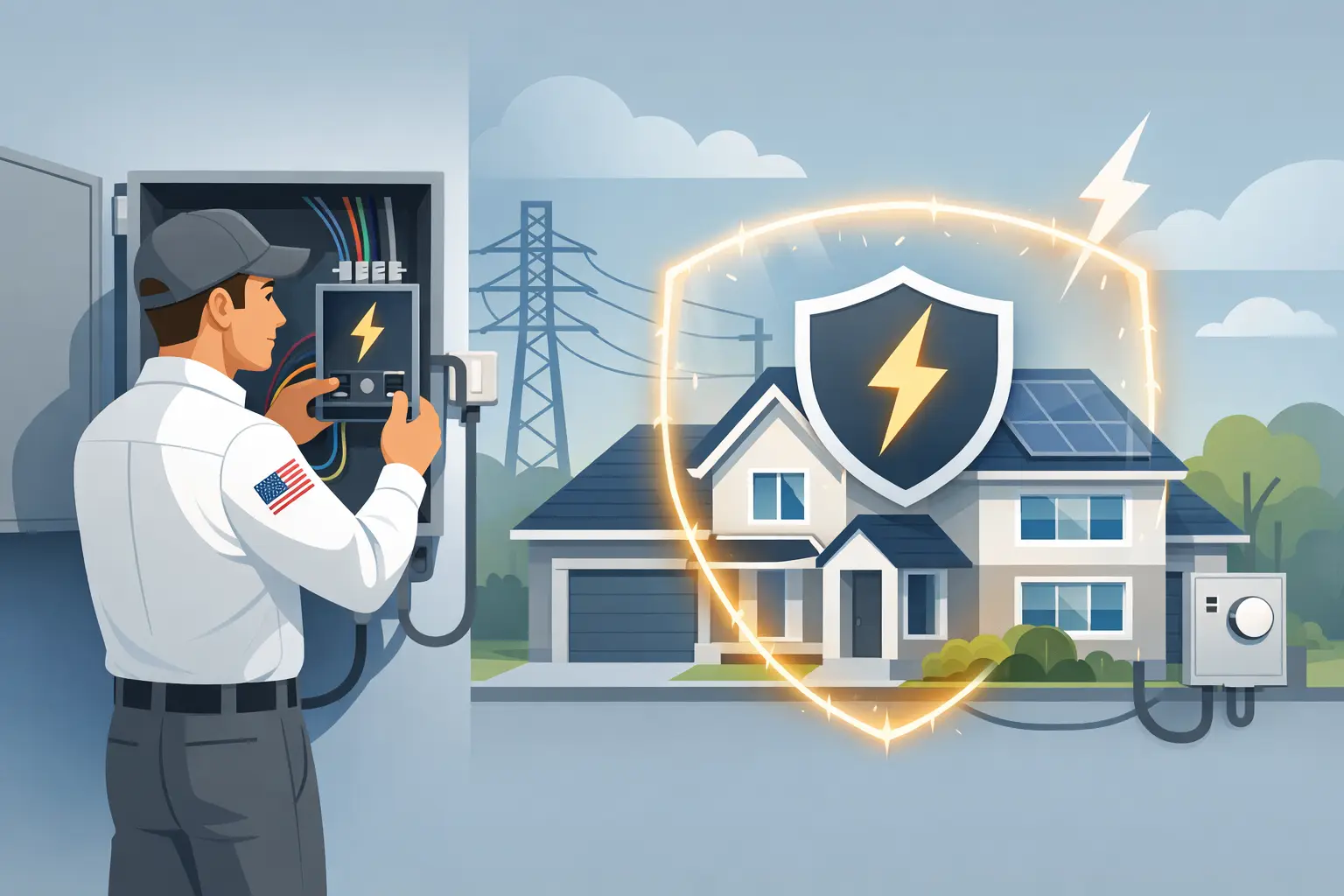
A single lightning strike is not the only threat to your electronics. Smaller voltage spikes can enter through utility lines or occur inside the home when major equipment cycles on and off. They can slowly wear down circuit boards in refrigerators, HVAC equipment, garage door openers, smart appliances, televisions, and charging equipment. Choosing whole home surge protectors gives your electrical system a first line of defense where power enters the house.
For Southern Utah homeowners, surge protection is especially worth considering during electrical upgrades, panel work, EV charger installation, generator projects, or when replacing an older breaker panel. The right device is not simply the one with the biggest number on the box. It needs to fit the home’s electrical service, be installed in the correct location, and work alongside point-of-use protection where it makes sense.
What a Whole Home Surge Protector Actually Does
A whole home surge protector is installed at or near the main electrical panel. When a short burst of excess voltage reaches the home, the device is designed to divert that extra energy safely away from the circuits it protects.
This differs from a plug-in power strip. A quality power strip may protect the few items connected to it, while a whole home device helps reduce exposure across the electrical system. It can protect hardwired equipment that cannot plug into a strip, such as air conditioning components, built-in appliances, ceiling fans, well equipment, garage door openers, and some lighting controls.
Surge protection is not a promise that no electronic item can ever fail. A direct lightning event or a severe electrical fault can exceed what any residential device can handle. The practical goal is to reduce the damage caused by common transient surges and limit the gradual wear that repeated smaller events can cause.
Choosing Whole Home Surge Protectors by Protection Ratings
Electrical ratings can be confusing, but a licensed electrician can explain the numbers in plain language and recommend an appropriate option for your home. Three specifications are especially useful when comparing whole home surge protectors.
Surge current capacity
Surge current capacity, commonly shown in kiloamps or kA, describes how much surge current the device can handle. Higher capacity is often desirable, especially for homes with substantial electrical loads or valuable connected equipment. But bigger is not automatically better if the device is not properly matched to the panel and installation method.
A homeowner with standard appliances and electronics may have different needs than someone with multiple HVAC systems, a pool or spa, extensive outdoor lighting, an EV charger, or a standby generator. The best choice reflects the home as a complete system.
Voltage protection level
This rating indicates how much voltage may pass through before the protector begins limiting the surge. In general, a lower voltage protection level means the device begins clamping the excessive voltage sooner. This is one reason comparing only surge-current capacity can be misleading.
A qualified electrician looks at both ratings rather than treating one number as the deciding factor. Good protection is a balance of capacity, response, compatibility, and proper installation.
Short-circuit current rating
The short-circuit current rating shows whether the surge protector is suitable for the available fault current at the service equipment. This is a safety and compatibility issue, not a number to guess at. The electrical panel, service size, grounding system, and available fault current all matter.
Professional installation helps ensure the selected device is listed and rated for the conditions in your home. It also helps avoid a common mistake: selecting a product that sounds capable but is not appropriate for the panel where it will be installed.
The Electrical Panel Matters as Much as the Device
The surge protector needs a proper path to do its job. Its location and connection length at the panel can affect performance. Longer conductors can add resistance and inductance, allowing more of a surge to reach connected equipment before the device can redirect it.
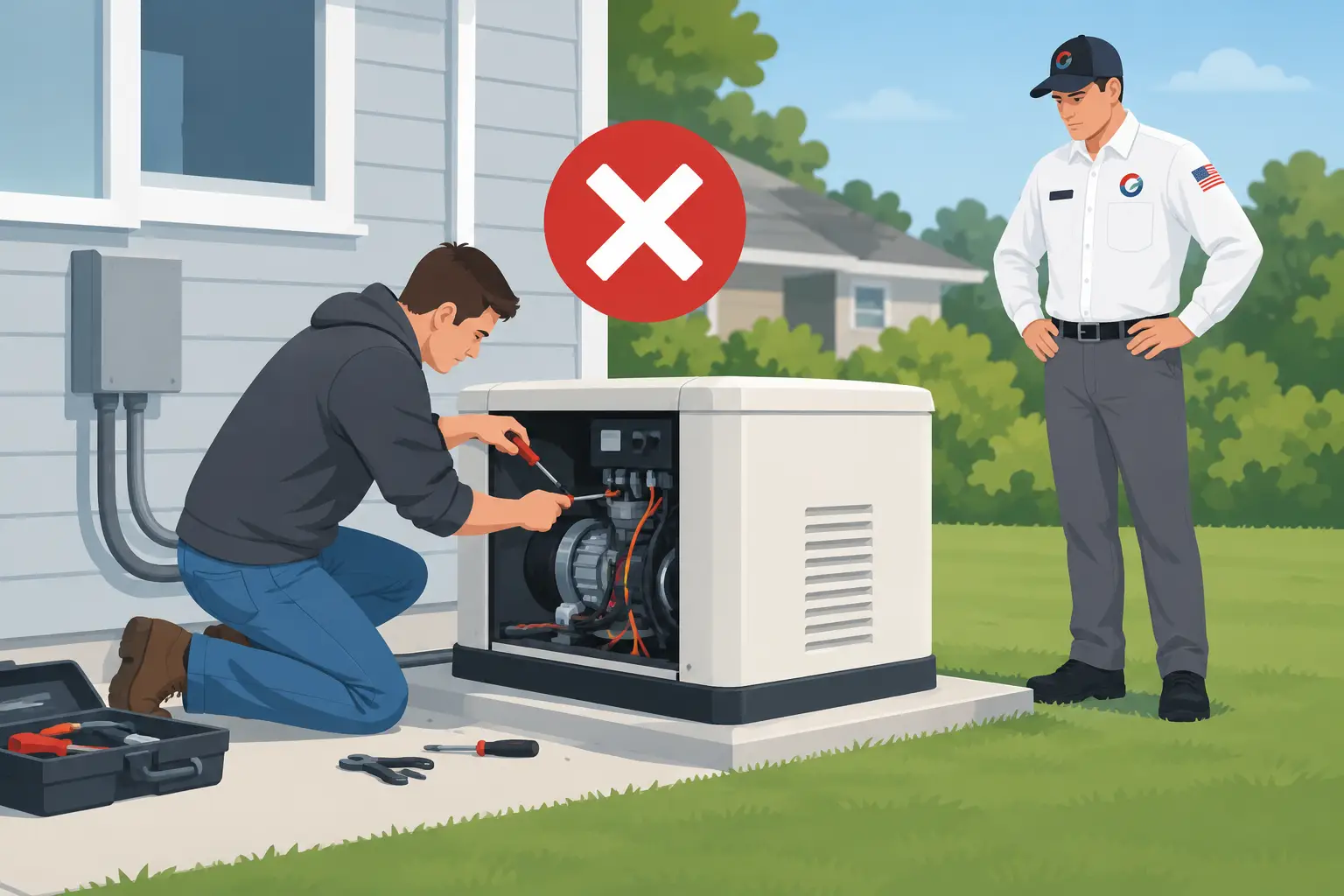
That is why installation is not a weekend DIY project. Working inside a main panel exposes a person to energized components, even when certain breakers are off. A trained electrician can determine the best mounting location, use the correct breaker or connection method, and keep leads as short and direct as the equipment instructions and code requirements allow.
Your panel’s condition also deserves attention. If it has corrosion, heat damage, overcrowding, obsolete equipment, loose connections, or insufficient capacity for planned upgrades, a surge protector alone does not solve those issues. It may make more sense to address the underlying panel concern first or coordinate the work as part of a larger electrical upgrade.
Start With the Risks Inside Your Home
The homes that benefit from whole home surge protection are not limited to houses full of high-end electronics. Modern residential systems rely on sensitive controls in places homeowners may not think about until they fail.
Consider the equipment that would be inconvenient or expensive to repair: HVAC controls, refrigerators, washers and dryers, microwave ovens, smart thermostats, internet equipment, security equipment, irrigation controls, garage door openers, and charging stations. Hardwired equipment is often the strongest reason to add protection at the panel because it cannot be fully protected by plug-in strips.
Newer homes may have more electronic controls than older homes, but older homes can still benefit. In fact, an older panel or grounding system may need a professional inspection before new protective equipment is added. The question is not whether the house is old or new. It is whether the electrical system is in good condition and whether the home’s equipment warrants another layer of protection.
Whole Home Protection Works Best in Layers
A panel-mounted surge protector is a strong starting point, not always the only step. Sensitive electronics can still benefit from quality point-of-use protection at the outlet. This layered approach is particularly useful for computers, televisions, networking equipment, gaming systems, and other devices with delicate circuit boards.
Think of it as protection at the entry point and protection near the equipment. The whole home device reduces the energy entering the electrical system, while point-of-use protection can help handle what remains closer to an individual device.
Not every plug-in strip is a surge protector, and not every surge protector is still functioning after repeated events. Homeowners should use devices designed for surge protection and follow their replacement indicators and instructions. An electrician can advise on the panel-level work, while you can decide where additional outlet-level protection is most useful.
Do Not Overlook Grounding and Bonding
Whole home surge protection depends on a sound grounding and bonding system. Grounding provides a reference path for excess energy, while bonding helps keep metal components at the same electrical potential. If these systems are damaged, incomplete, or improperly connected, surge protection may not perform as intended.
This is another reason a panel inspection matters. A professional can check visible grounding and bonding connections and identify concerns that should be corrected before or during the installation. This work is about more than adding a device. It is about supporting a safer, more reliable electrical system.
When to Schedule an Installation
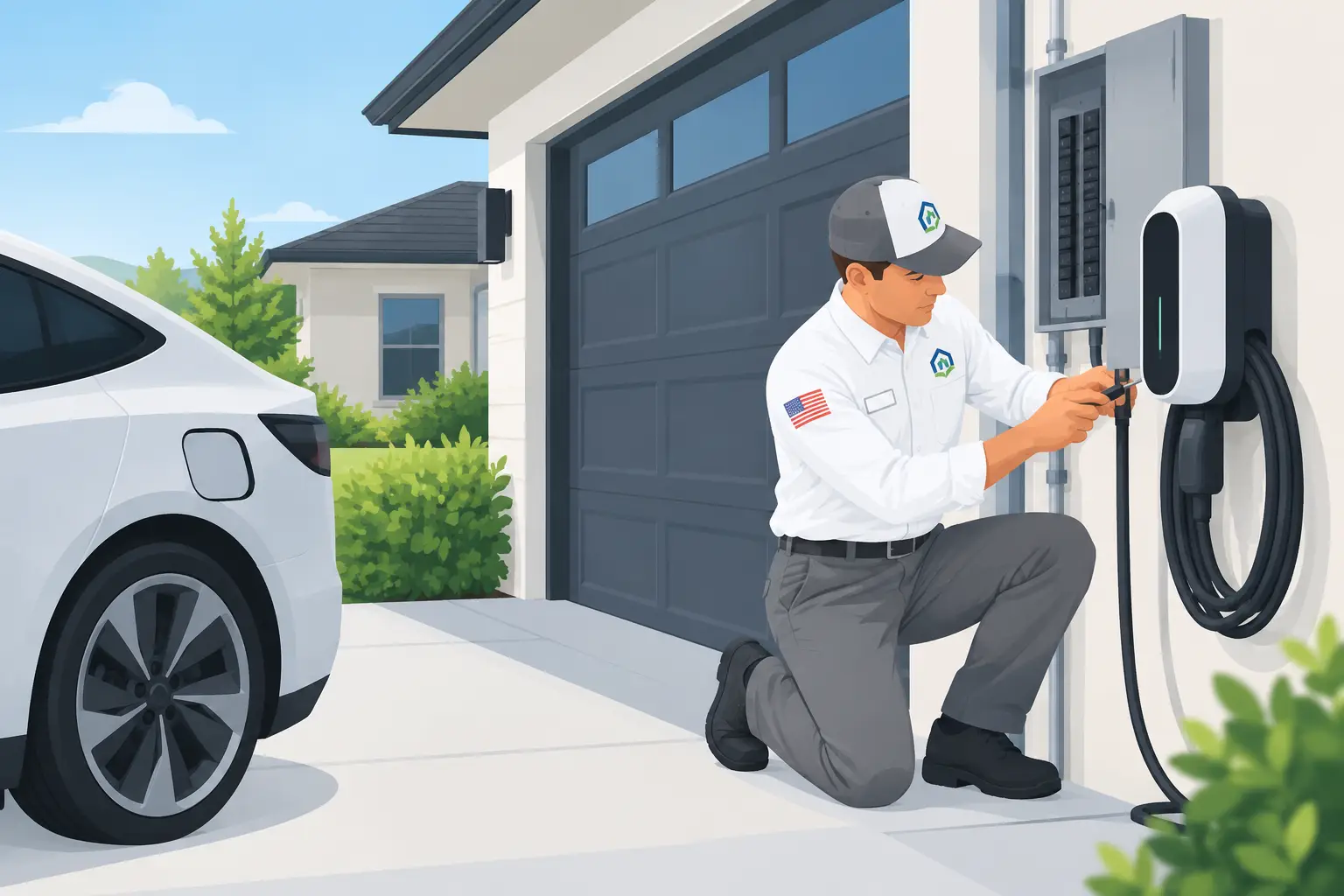
A planned installation is convenient, but certain situations make surge protection more urgent. If you are replacing a panel, adding an EV charger, installing a standby generator, upgrading HVAC equipment, or remodeling, it is smart to discuss it before the project is complete. Combining compatible electrical work can make the process more efficient and helps ensure the system is designed as a whole.
It is also worth calling after an electrical event. Repeated breaker trips, burned outlets, flickering lights, damaged electronics after a storm, or a recent utility disturbance may indicate a problem that needs diagnosis. Surge protection can be part of the solution, but it should not be used to cover up loose connections, overloaded circuits, or damaged service equipment.
Service Right Electric can inspect your panel, explain your options before work begins, and install the right protection for your home’s electrical system. You get a clear diagnosis, safe workmanship, and an upfront plan instead of a guess.
Your home depends on more electronics than it did a decade ago. A properly selected and professionally installed whole home surge protector is a practical way to protect the equipment you rely on every day and add confidence to the next electrical upgrade.



0 Comments