A summer storm, a utility outage, or an equipment failure can turn an ordinary evening into a scramble for flashlights, phone chargers, and a way to protect refrigerated food. That is why home generator technology trends matter to Southern Utah homeowners. Backup power is no longer just about getting a generator to start. The best systems are becoming smarter about what they power, how they communicate, and how they protect your home’s electrical system.
For homeowners considering a standby generator, the goal is straightforward: safe, dependable power when the grid is unavailable. The technology is improving, but a reliable result still starts with proper sizing, code-compliant wiring, and a professionally installed transfer system. A generator is not a weekend DIY project, especially when it connects to your home’s service panel and fuel supply.
Smarter Generator Controls Are Becoming Standard
Older backup systems often required more hands-on attention. Modern standby generators can monitor utility power, start automatically after an outage, and transfer selected household circuits to generator power within seconds. When utility service returns, the system can safely switch the home back and allow the generator to cool down before shutting off.
Many current systems also provide status notifications through a connected monitoring platform. Homeowners may receive an alert when the generator runs, needs service, or detects a fault. That can be particularly helpful for seasonal homes, rental properties, or families traveling when an outage occurs.
Connected features are useful, but they do not replace maintenance or professional diagnosis. A notification can tell you that a system needs attention. It cannot correct a low fuel supply, worn component, wiring issue, or transfer equipment problem on its own. Think of smart monitoring as an early warning system, not a substitute for regular service.
Home Generator Technology Trends: Better Load Management
One of the most practical advances in home generator technology trends is load management. A generator has a fixed power capacity. If too many large appliances start at once, the system can be overloaded unless it is properly designed to manage demand.
Modern load-management equipment can prioritize essential circuits and temporarily delay certain high-demand loads. For example, a home may keep refrigeration, lighting, internet equipment, selected outlets, and a heating or cooling system running while limiting the chance that multiple heavy appliances operate at the same time.
This approach can sometimes allow a homeowner to choose a generator based on realistic backup needs rather than trying to power every electrical item in the house at once. It depends on the home, the electrical panel, and the equipment you want available during an outage. A house with a large air-conditioning load, electric water heating, a pool, or several major appliances will have different requirements than a smaller home focused on essential circuits.
The right question is not simply, “What size generator should I buy?” A better question is, “What do we need to keep operating safely and comfortably during an outage?” A licensed electrician can evaluate the answer before equipment is selected.
Quieter Operation and More Efficient Exercise Cycles
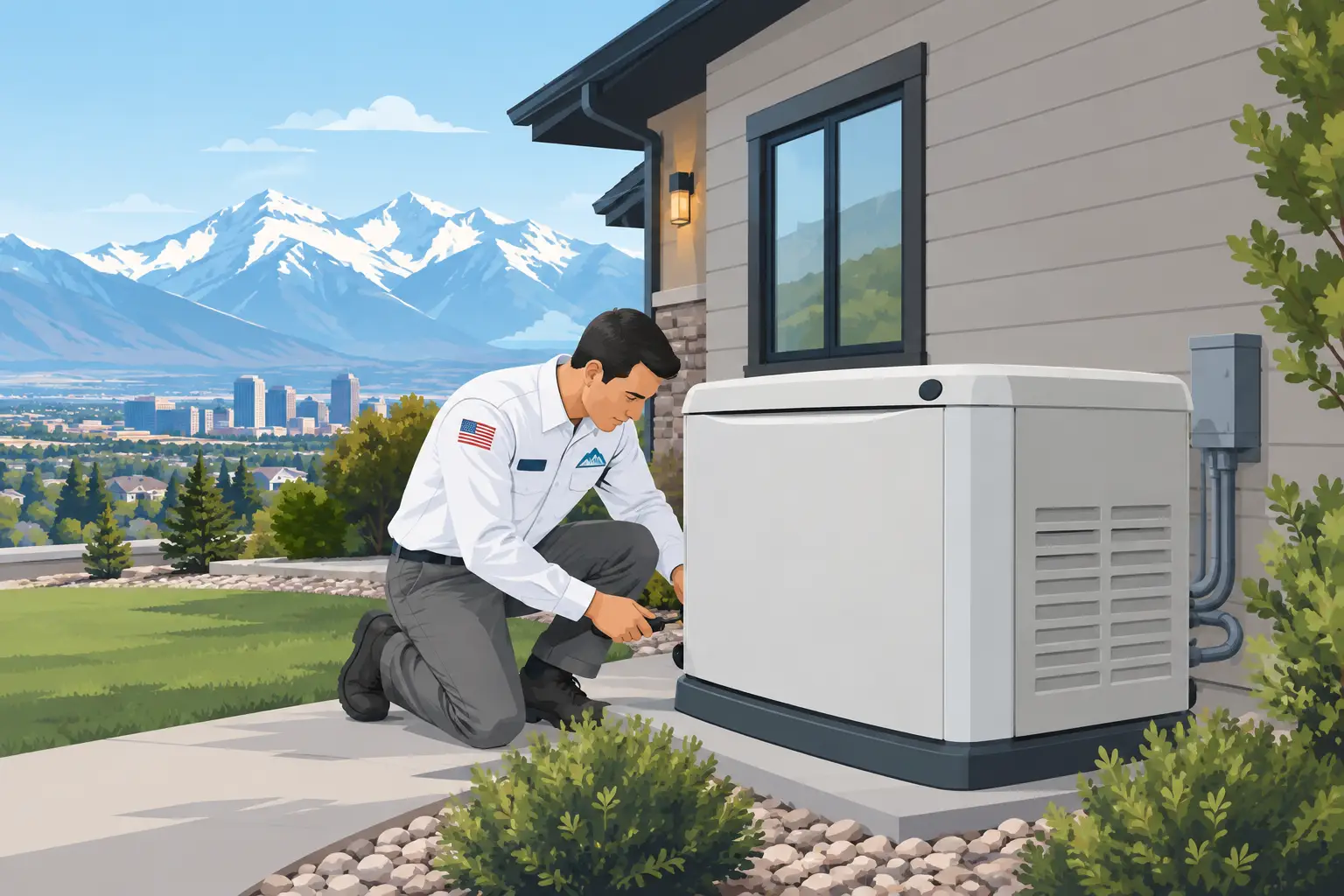
Noise has always been a concern for homeowners and neighbors. Newer standby systems are generally designed with improved sound control and operating efficiency compared with older equipment. Placement still matters. Local codes, property layout, clearances, ventilation, and access for service all affect where a generator can safely be installed.
Automatic exercise cycles are also becoming more refined. A standby generator needs to run periodically so it remains ready for an actual outage. Modern controls can schedule these tests, record operating information, and make it easier to identify a concern before backup power is needed.
That said, exercise does not equal complete maintenance. Oil, filters, batteries, fuel connections, electrical terminations, and transfer equipment need appropriate inspection. A generator that starts during a weekly test may still have a problem that only appears under a real electrical load. Routine professional service helps uncover those issues before the next outage does.
Fuel Flexibility Requires Careful Planning
Fuel options continue to be part of the conversation as homeowners seek longer-lasting backup power. Depending on local availability and the generator design, a standby unit may be supplied by a permanent fuel source or another approved fuel setup. The right choice often comes down to outage duration, property conditions, expected usage, and local requirements.
A permanently supplied standby system can offer significant convenience because it does not rely on homeowners refueling a portable unit during bad weather. However, fuel planning must be handled correctly from the beginning. It involves more than choosing an equipment location. Proper coordination, safe clearances, and installation requirements all matter.
Do not assume a fuel connection or existing line can support a new generator without evaluation. An undersized supply arrangement can affect performance when the generator needs to carry a meaningful load. This is one reason a site assessment is valuable before installation day.
Transfer Switches Remain the Safety Centerpiece
The generator gets most of the attention, but the transfer switch is the safety-critical component that controls how backup power connects to the home. It prevents generator power from feeding back into utility lines and helps ensure the system operates as designed.
Backfeeding through an outlet, a makeshift cord, or an improperly configured panel connection is dangerous. It can put utility workers at risk, damage equipment, and create serious fire or shock hazards inside the home. A portable generator should never be connected to a home electrical system without the correct transfer equipment installed by a qualified professional.
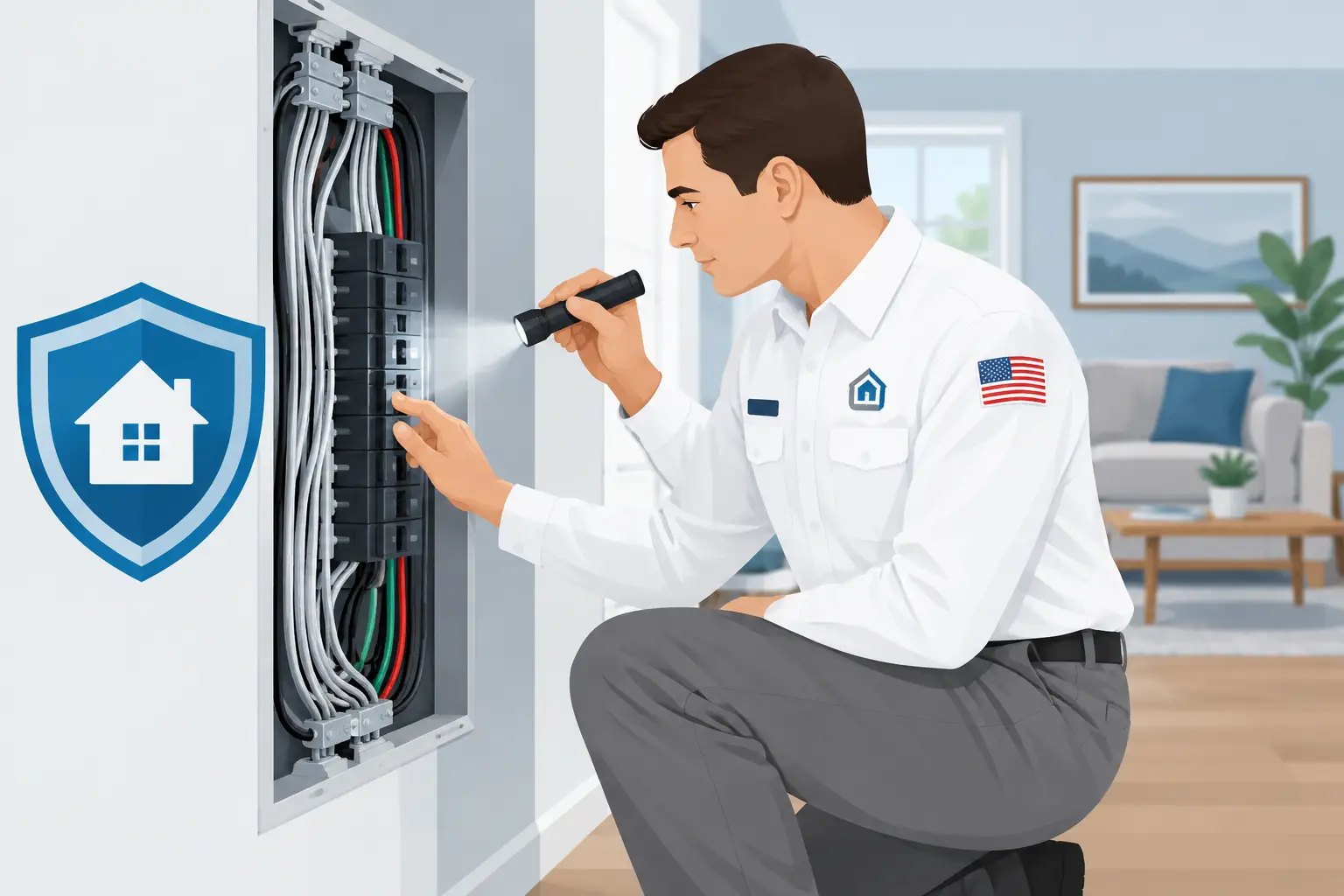
A properly designed standby system includes the generator, transfer equipment, appropriate breakers and wiring, and a clear plan for what the system will power. During a professional evaluation, the electrician should also look at the main panel’s capacity and condition. In some homes, a panel upgrade or additional electrical work may be needed to support a safe, reliable installation.
Battery Storage Has a Different Role
Some homeowners are also looking at battery backup systems. Batteries can provide quiet power for selected loads and may be a good fit for shorter outages or homes with modest essential-power needs. They are not automatically a replacement for a standby generator.
The trade-off is duration and load capacity. Running lights, communications equipment, and refrigeration is very different from running large heating and cooling equipment or multiple high-demand appliances for an extended outage. A generator can be a stronger option when longer outages and higher electrical demands are the main concern. In other situations, a battery system may complement a broader backup strategy.
The right solution depends on what you need powered, how long you expect to be without utility service, and what your existing electrical system can support. A careful assessment beats a one-size-fits-all recommendation.
What Southern Utah Homeowners Should Plan for Now
Heat is a real factor in Southern Utah. During a warm-weather outage, keeping essential cooling, refrigeration, medical equipment, and communications available can quickly move from convenience to necessity. Homeowners should also consider seasonal storms, wind events, and the possibility of outages that last longer than expected.
Before installing a backup power system, gather a practical list of priorities. Consider critical medical devices, refrigerators and freezers, internet equipment, garage access, security systems, lighting, well pumps where applicable, and heating or cooling needs. Then identify major loads that can remain off during an outage. This conversation helps determine whether an essential-circuit design or a broader whole-home approach makes better sense.
It is also wise to ask about permit requirements, equipment placement, maintenance access, and whether your electrical panel is ready for the upgrade. Clear answers upfront prevent surprises later. At Service Right Electric, our process is simple: call, diagnose, and fix. That means explaining the condition of your electrical system and the scope of work before work begins.
A backup generator should give your household confidence, not create another electrical worry. Start with the loads that matter most, choose equipment that fits the home, and make sure the installation is completed safely by licensed professionals. When the power goes out, that preparation is what makes the technology worth having.


0 Comments