A breaker that trips whenever the microwave runs, an outlet that feels warm, or lights that dim when the air conditioner starts are not small annoyances to ignore. They are signs your home may be asking more of its electrical system than it was designed to handle. The right electrical upgrades can make daily life safer, more convenient, and better prepared for the way your family actually uses power.
For many Southern Utah homeowners, the need is not a complete rebuild. It may be one properly installed circuit, a safer panel, better lighting, or protection for the electronics and appliances you rely on every day. The key is identifying what is causing the issue, then having a trained residential electrician explain the right fix before work begins.
When Your Home Is Ready for an Upgrade
Homes change over time. A room that once held a lamp and a television may now support computers, chargers, gaming equipment, and a work-from-home setup. The garage may need power for an EV charger. A patio may become an outdoor living area with lighting, fans, or a hot tub. Electrical demand grows quickly, especially in homes built before these conveniences were common.
Repeatedly resetting a breaker is one of the clearest signals that something deserves attention. A breaker is designed to shut off power when a circuit is overloaded or a fault occurs. Resetting it once after a clear cause can be reasonable. Needing to reset it again and again is not a solution. It is a reason to schedule a diagnosis.
Other warning signs include flickering lights, buzzing switches or outlets, discoloration around electrical devices, outlets that do not hold plugs securely, and a burning smell near a panel or receptacle. If you notice heat, smoke, sparks, or a burning odor, turn off power to the affected area if it is safe to do so and contact an electrician promptly.
Your Panel May Be the Starting Point
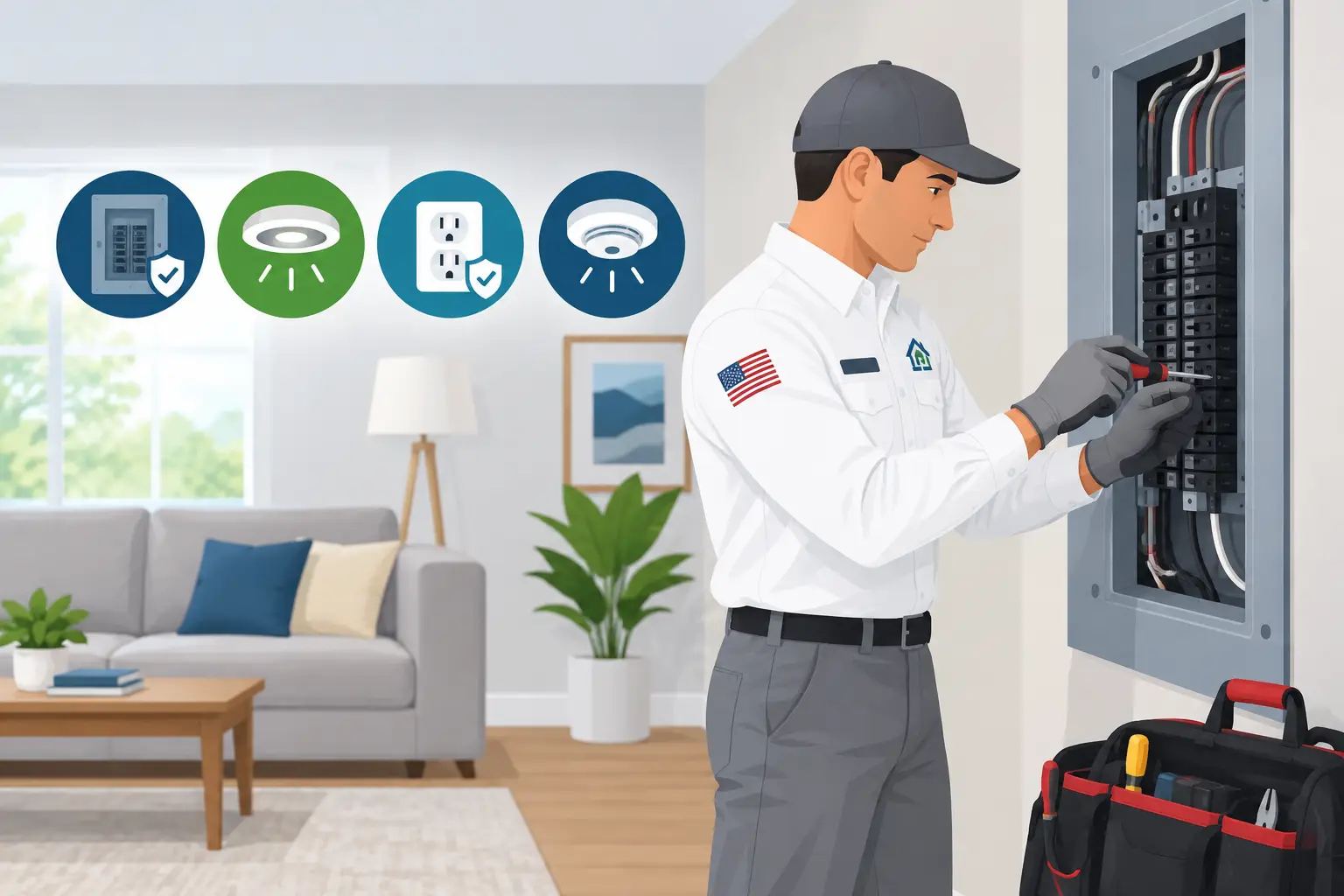
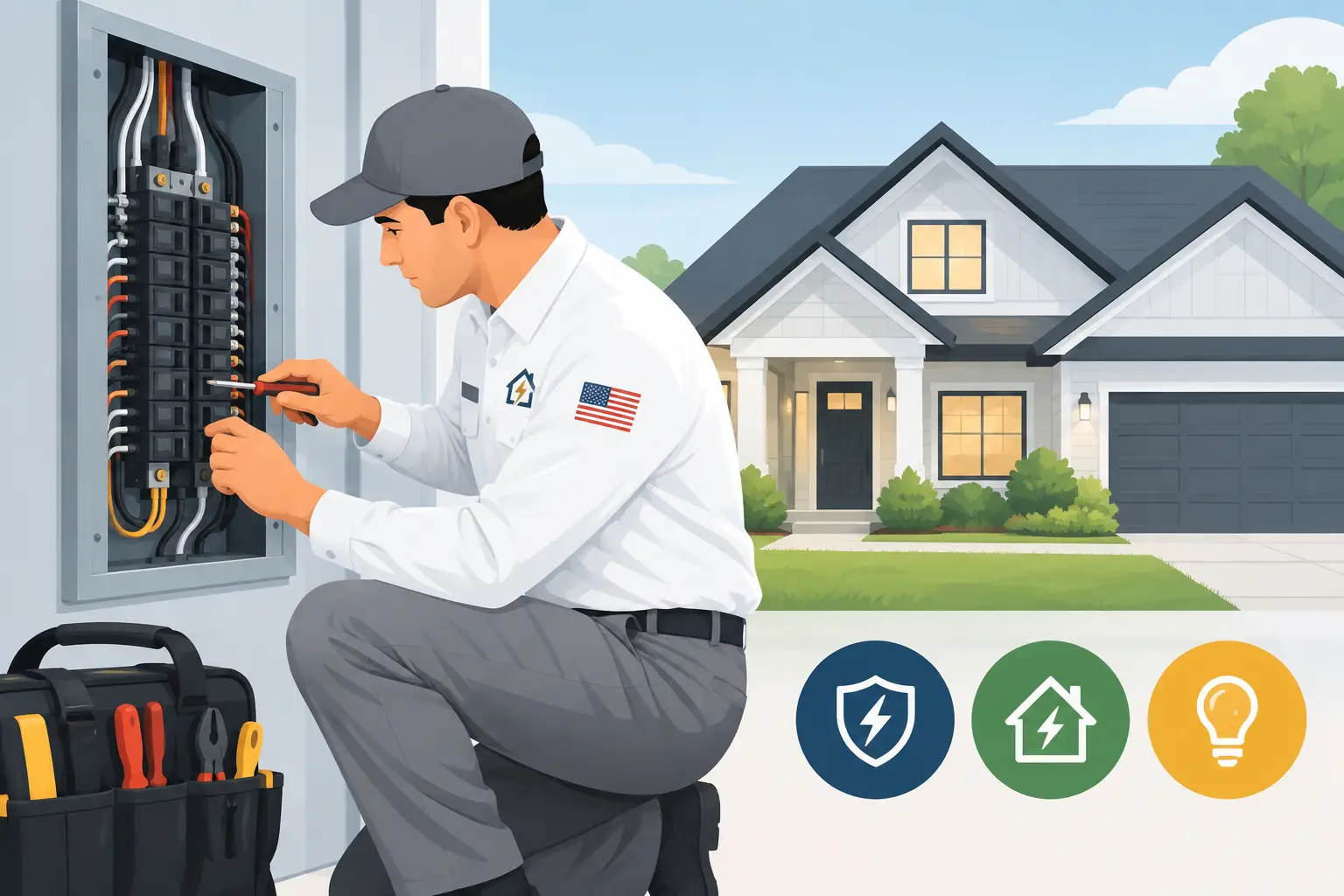
The electrical panel is the control center for the home. It distributes power to individual circuits and provides protection when something goes wrong. An aging, damaged, undersized, or overcrowded panel can limit what you can safely add to the home.
A panel upgrade is not automatically necessary just because a home is older. It depends on the panel’s condition, available capacity, the number of circuits already in use, and the equipment you plan to install. A professional inspection can determine whether the answer is a new dedicated circuit, a panel repair, a service upgrade, or another targeted solution.
This matters before major additions are made. Adding an EV charger, hot tub, sauna, or standby generator without confirming the home’s capacity can create nuisance tripping at best and a serious safety concern at worst. Planning the electrical work first helps prevent expensive changes later.
Electrical Upgrades That Solve Everyday Problems
Some upgrades are driven by a visible problem, while others improve comfort and protection before trouble starts. Both have value when they are matched to your home and your goals.
Dedicated circuits are a practical example. High-demand equipment should not have to share power with other household loads. A dedicated circuit gives one appliance or system its own protected path back to the panel. This can be appropriate for kitchen appliances, laundry equipment, garage tools, EV charging equipment, hot tubs, and other power-hungry additions. The exact need depends on the equipment requirements and the existing electrical system.
Outlet upgrades can also make a noticeable difference. Replacing worn or damaged receptacles improves reliability, while adding properly located outlets can reduce the clutter and risk that come with extension cords and overloaded power strips. In areas exposed to moisture, the right protective devices are especially important. Bathrooms, kitchens, garages, laundry rooms, and outdoor spaces each have electrical safety requirements that should be handled correctly.
Lighting is another upgrade that affects how a home feels every day. New indoor lighting can improve visibility in kitchens, hallways, and work areas. Outdoor lighting can make entries, walkways, and patios easier to use after dark. Ceiling fans add comfort and can help rooms feel more usable during warm weather, but they need a properly rated electrical box and secure installation. A fan should never be hung from a box intended only for a light fixture.
Whole-home surge protection is often overlooked until a power event damages something valuable. It does not replace point-of-use protection for sensitive electronics in every situation, but it adds a first line of defense at the electrical system. For homes with connected appliances, entertainment systems, smart devices, and HVAC controls, that added protection can be a sensible investment.
Safety Devices Are Not Optional Details
Smoke detectors, carbon monoxide alarms where appropriate, ground-fault protection, and arc-fault protection are designed to reduce risks that may not be obvious from across the room. These devices do not eliminate every electrical hazard, but they provide early warning or shut off power when dangerous conditions are detected.
Because code requirements can vary by location, age of the home, and scope of work, an electrician should evaluate what applies to your project. The goal is not to add devices without a reason. It is to make sure the home has the right protection in the places where it matters most.
Plan for the Way You Live Now
The best upgrades begin with a conversation about how you use the home. If you are renovating a kitchen, converting a room into an office, finishing a garage, or adding outdoor amenities, mention those plans during the service visit. A technician can look beyond the immediate request and identify whether the electrical system has enough capacity to support it.
It is also worth thinking a few years ahead. If an EV charger is likely in your future, it may make sense to consider panel capacity before a remodel closes up walls. If you experience frequent outages and rely on medical equipment, refrigeration, or a home office, standby generator planning may deserve a closer look. Not every home needs these upgrades, but waiting until an emergency can narrow your options.
A clear scope of work helps homeowners make confident decisions. You should understand what is being diagnosed, why the recommended repair or upgrade is needed, and what the completed work will accomplish. Straight answers are particularly valuable when electrical work is hidden behind walls or inside the panel.
Why Electrical Work Is Not a Weekend DIY Project
Replacing a decorative light fixture may look simple online, but household electrical systems involve more than connecting a few wires. Circuit loading, grounding, wire condition, box ratings, moisture exposure, breaker compatibility, and local requirements all affect whether work is safe and dependable.
DIY mistakes can remain hidden until they cause damage or fail at the worst time. Loose connections can generate heat. Incorrect wire sizing can lead to overheating. Improperly installed outdoor equipment can create shock hazards. Even a small project can reveal a larger issue in older wiring or an overloaded circuit.
Professional service begins with diagnosis, not guesswork. A qualified electrician can test the circuit, inspect the components, explain the findings, and complete the repair or installation correctly. That approach is especially important for panels, new circuits, generator connections, hot tub wiring, and EV charging equipment.
A Better Way to Move Forward
If your home is showing warning signs or you are planning a project that needs more power, start with an on-site evaluation. Service Right Electric follows a straightforward process: call, diagnose, and fix. You get a clear explanation of the issue and the available options before the work moves ahead.
The right upgrade should solve a real problem, support your plans, and leave your home safer than it was before. Whether that means correcting one failing outlet or preparing the electrical system for a major addition, a properly completed job gives you confidence every time you flip a switch, plug in a device, or come home after dark.



0 Comments