A hot Southern Utah afternoon can reveal a home electrical system’s limits fast. If the air conditioner is running, the kitchen is in use, and a circuit suddenly goes dark, homeowners often start asking about the fuse box versus breaker panel question. The answer is not simply that one is old and one is new. Both are designed to protect wiring from dangerous overloads, but their condition, capacity, installation, and ability to support modern electrical demands can be very different.
For homeowners, the real question is whether the electrical panel protecting the home is safe, reliable, and sized for the way the home is used now.
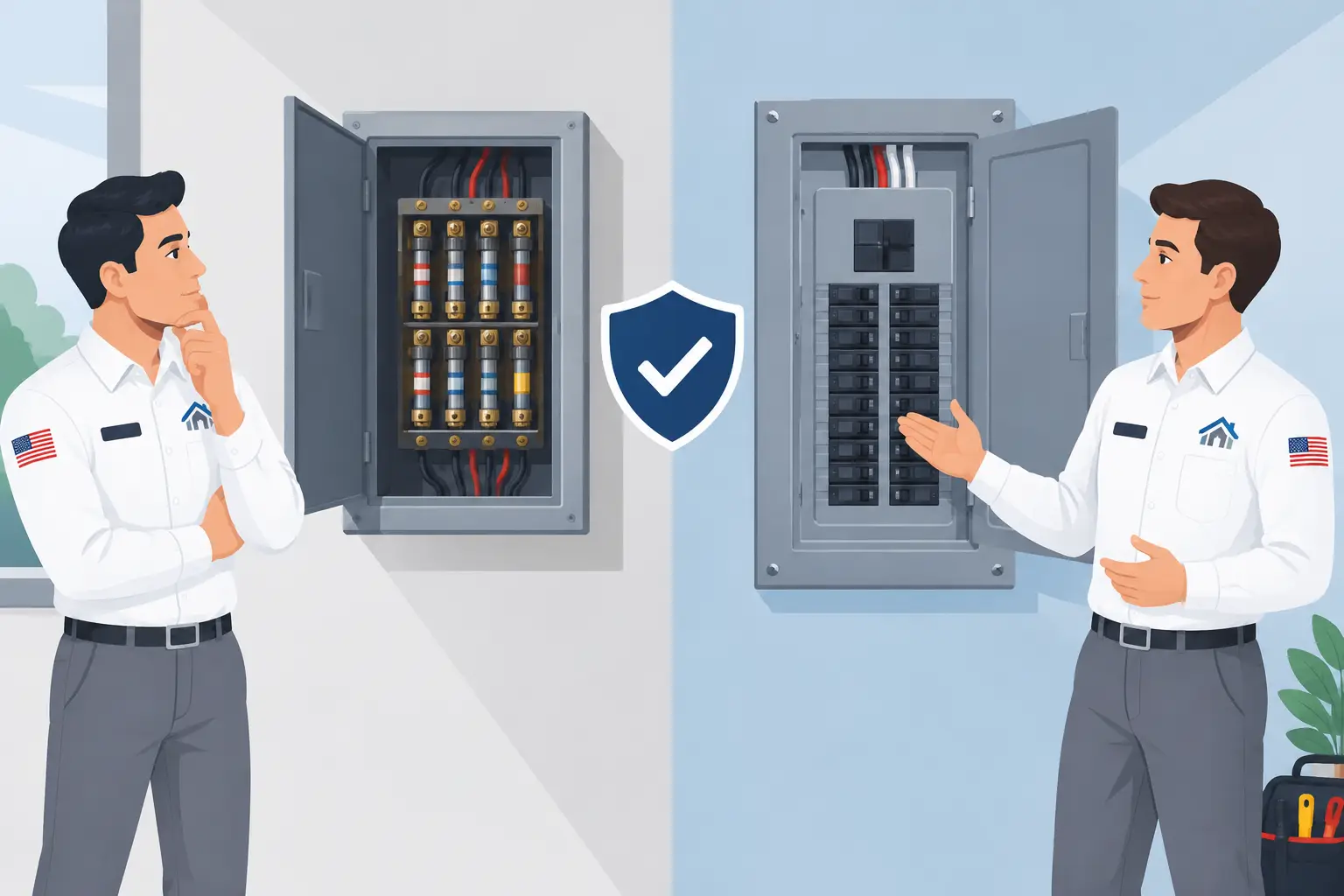
Fuse Box Versus Breaker Panel: The Core Difference
A fuse box and a breaker panel perform the same essential job. They interrupt power when a circuit draws more electricity than the wiring can safely handle. That protection helps prevent overheated wires, damaged equipment, and electrical fires.
A fuse contains a small metal element that melts when excessive current flows through it. Once it blows, it must be replaced with the correct type and rating before the circuit can operate again. A circuit breaker uses an internal switch that trips when it detects an overload or fault. In many cases, it can be reset after the underlying problem is addressed.
That reset feature is the difference homeowners notice most. A tripped breaker is more convenient than replacing a fuse, but convenience is not the whole story. A properly installed, properly maintained fuse box can still provide protection. The concern is that many fuse boxes are now decades old, may have limited capacity, and were not designed around today’s electrical use.
Modern homes commonly carry more electrical load than homes built several generations ago. Central cooling, larger kitchen appliances, home offices, entertainment systems, garage equipment, hot tubs, electric vehicle charging, and standby power needs can all place added demand on a system that was once adequate.
Why Breaker Panels Are Usually the Better Fit Today
Breaker panels are the standard choice for new construction and most residential electrical upgrades because they are designed for modern safety requirements and practical daily use. They also give a licensed electrician clearer options for adding dedicated circuits when a home needs them.
A dedicated circuit gives a major appliance or high-demand piece of equipment its own protected electrical path. This helps prevent nuisance tripping and reduces the risk of overloading a shared circuit. Equipment such as an electric range, dryer, HVAC system, EV charger, hot tub, or workshop tool may require one.
Newer breaker panels can also support safety devices that detect certain hazards beyond a basic overload. Depending on the location and circuit, current electrical codes may require added protection for ground faults or arcing conditions. These requirements are not arbitrary. They are designed to reduce risks in places where water, damaged cords, loose connections, or concealed wiring problems can create a serious hazard.
A breaker panel upgrade is not automatically necessary just because a panel is older. Still, it is often the right long-term solution when the existing system has no room for needed circuits, shows signs of deterioration, or cannot safely support planned improvements.
When a Fuse Box May Need Professional Attention
Do not remove a fuse or open electrical equipment to investigate a problem yourself. Electrical panels contain energized components even when individual circuits are off. This is not a weekend DIY project.
Instead, watch for signs that point to a system needing a professional evaluation. A fuse that blows repeatedly is not an inconvenience to work around. It is a warning that a circuit may be overloaded, an appliance may be faulty, or wiring may have a problem.
Other signs include lights that dim when appliances start, outlets that feel warm, discoloration near the panel, buzzing sounds, a burning odor, or circuits that stop working without an obvious cause. If you notice heat, smoke, sparking, or a burning smell, keep people away from the area and call for immediate professional help. If it is safe to do so, avoid using the affected circuit until it has been inspected.
One especially dangerous issue in older fuse boxes is using a fuse with a higher rating than the circuit was designed to handle. That can allow wires to overheat before the fuse interrupts power. It may seem like a quick fix for a fuse that keeps blowing, but it defeats the protective purpose of the fuse. Only a qualified electrician should determine why a fuse is blowing and what correction is needed.
A Breaker Panel Can Have Problems Too
Replacing a fuse box with a breaker panel is not a guarantee that every electrical issue disappears. A breaker panel can trip because of an overloaded circuit, a failing appliance, a loose connection, moisture intrusion, or an electrical fault. Repeatedly resetting a breaker without identifying the cause can create a safety risk.
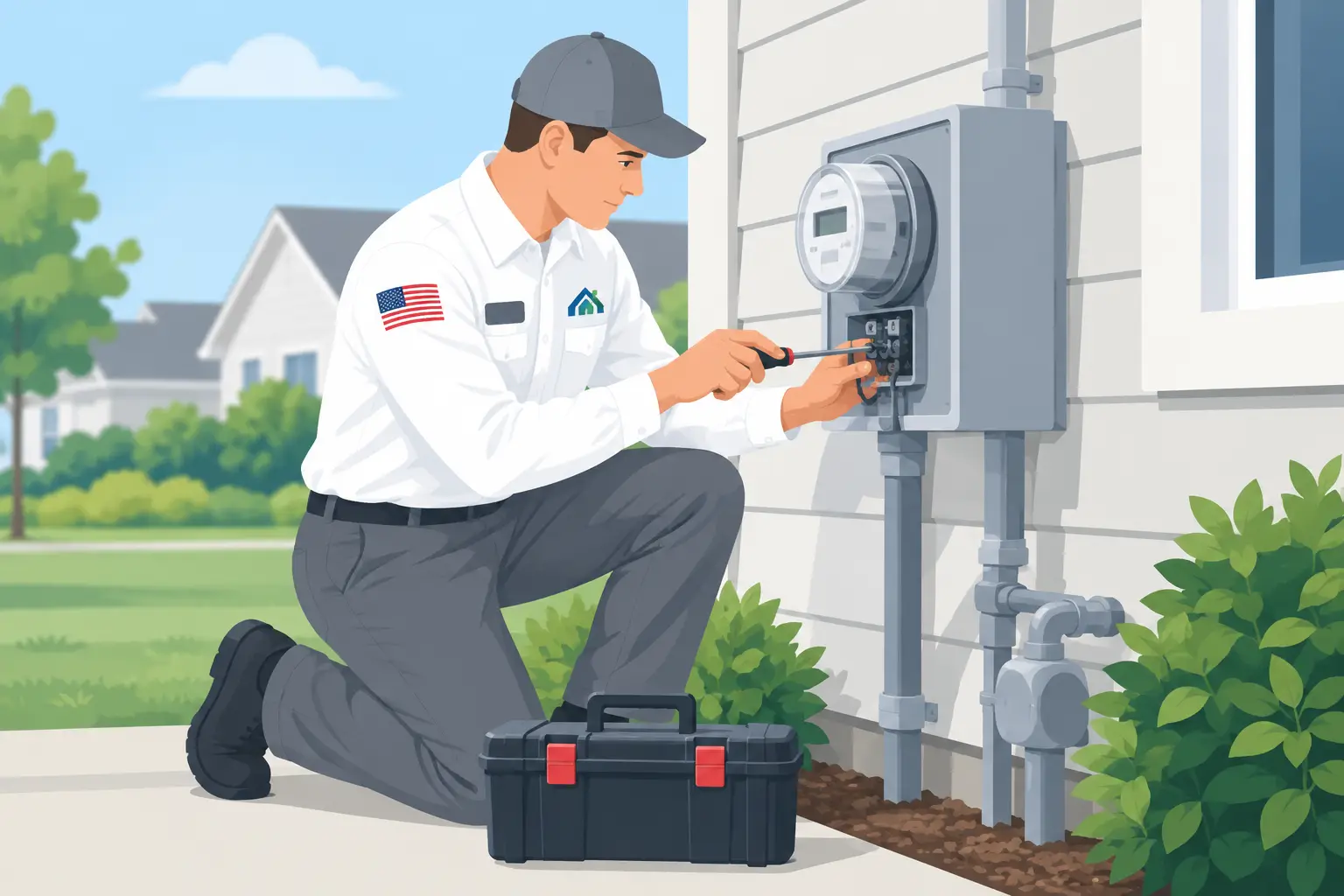
The panel itself also matters. Age, corrosion, improper past repairs, damaged breakers, overcrowded wiring, and insufficient service capacity can all affect performance. In some homes, the issue is not the panel alone. The incoming electrical service, grounding system, meter equipment, or branch wiring may need attention as part of a safe upgrade.
That is why a proper assessment looks at the whole system rather than treating the panel as an isolated metal box. A licensed electrician should evaluate what the home has, what condition it is in, and what the homeowner plans to power now and later.
Is a Panel Upgrade Necessary for Your Home?
A panel upgrade may make sense if you are planning a major electrical addition or regularly running out of available circuit space. It can also be a wise investment when the current panel has safety concerns or the home’s electrical service is too small for real-world demand.
Common projects that may trigger the need for more capacity include adding an EV charger, installing a hot tub or sauna, remodeling a kitchen, finishing a garage or basement, replacing HVAC equipment, or preparing for a standby generator. The right answer depends on the equipment, the home’s existing load, and local code requirements.
Homeowners should be cautious about assuming an upgrade is required simply because they want to add one new appliance. In some cases, a correctly installed dedicated circuit is enough. In others, the panel has no physical room, the service is undersized, or the existing equipment has safety issues that make a broader upgrade the responsible choice.
A clear diagnosis should give you that distinction before work begins. You should understand what is causing the concern, what options are available, and what work is needed to complete the repair or upgrade safely.
What a Professional Electrical Evaluation Should Cover
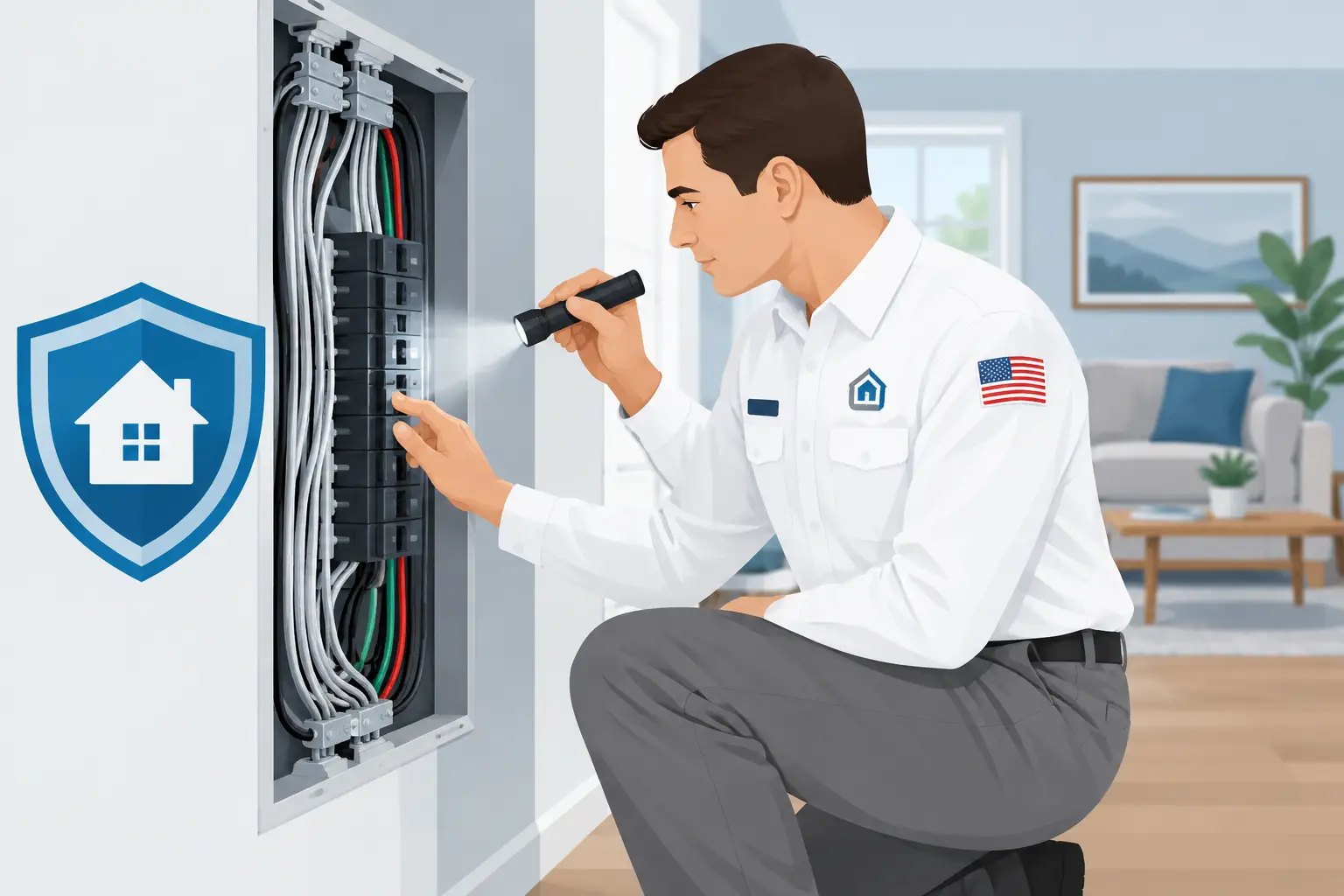
A useful panel assessment is more than a quick glance at the door label. The electrician should inspect the panel condition, circuit layout, available capacity, visible wiring condition, grounding and bonding components, and signs of overheating or water damage. They should also ask about tripping breakers or blown fuses, recent renovations, and planned power demands.
For a potential upgrade, the evaluation should account for the home’s actual electrical load rather than guessing based on square footage alone. A home with an EV charger and electric appliances may have different needs than a similarly sized home with fewer high-demand loads.
At Service Right Electric, our residential service process is straightforward: call, diagnose, and fix. That means explaining the issue in plain language and providing upfront pricing before work begins, so you can make a confident decision without pressure.
Frequently Asked Questions
Are fuse boxes illegal?
Not necessarily. A fuse box is not automatically unsafe or prohibited just because it is older. Its condition, installation, capacity, and the home’s electrical needs determine whether repairs, safety corrections, or replacement should be considered.
Should I replace a fuse box before selling my home?
It depends on the system’s condition and on the expectations of a buyer, inspector, or insurer. If the fuse box is functioning safely and has been professionally evaluated, replacement may not be urgent. If it has damage, improper fuses, limited capacity, or other safety concerns, addressing those issues before a sale can prevent delays and protect the next owner.
Why does my breaker keep tripping?
A breaker may trip because too many devices are operating on one circuit, but it can also signal a failing appliance or a wiring fault. If it trips more than once, stop resetting it and arrange an inspection. The goal is to correct the cause, not force the circuit to stay on.
A dependable electrical system should not make you choose between comfort and safety. Whether your home has fuses, breakers, or a panel that is simply showing its age, a trained electrician can identify what is happening and help you take the next right step.


0 Comments