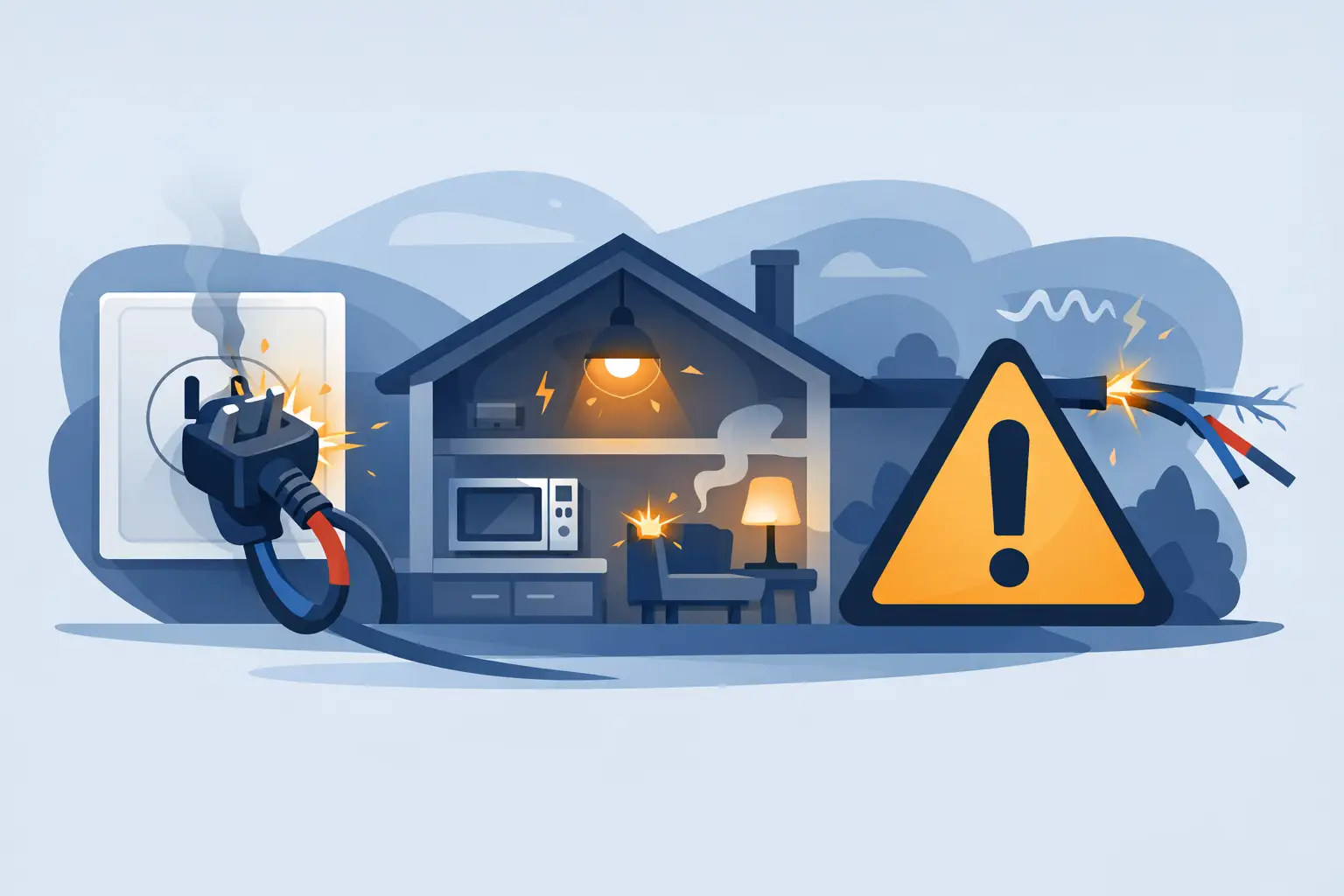
A light switch that feels warm, a breaker that trips every week, or an outlet that has suddenly stopped working can seem like a small household annoyance. Sometimes it is. Other times, it is the first visible sign of a problem hidden behind the wall. Electrical wiring repair is about finding the actual cause before a minor fault becomes damaged equipment, a dangerous shock risk, or an electrical fire.
For Southern Utah homeowners, heat, aging homes, remodels completed over several decades, and growing electrical demand can all put added strain on a home’s electrical system. A professional diagnosis gives you clear answers, an upfront price, and a repair that addresses the problem rather than covering it up.
When Electrical Wiring Repair Is Needed
Wiring problems do not always announce themselves with sparks. In fact, many begin with changes that are easy to overlook. Pay attention when lights flicker or dim while another appliance starts, outlets feel loose, switches buzz, or you notice a burning or fishy odor near a wall plate, panel, or fixture.
A breaker that trips once after an obvious overload may not mean the wiring has failed. A breaker that trips repeatedly, especially when you are using normal household equipment, needs attention. The breaker is doing its job by shutting off power when it senses a fault, overload, or other unsafe condition. Resetting it over and over does not solve what caused it to trip.
Other signs deserve a prompt call to a licensed electrician: discoloration around an outlet or switch, a receptacle that is hot to the touch, crackling sounds, a shock or tingle when touching an appliance, or lights that pulse unpredictably. If you see smoke, smell active burning, hear arcing, or have sparking at a panel or outlet, turn off power only if you can do so safely and seek immediate professional help.
What Causes Wiring Problems in Homes?
Electrical issues have different causes, and the repair depends on an accurate diagnosis. A failed outlet may have a loose connection at the receptacle, a tripped GFCI outlet elsewhere, a damaged wire, or a problem at the breaker. Replacing the outlet without identifying the cause can leave the real hazard inside the wall.
Loose connections are a common source of overheating. Electricity moving through a poor connection creates resistance, and resistance creates heat. Over time, that heat can damage insulation, outlet terminals, switches, and nearby materials. This is one reason a warm outlet or switch should never be ignored.
Older wiring can also become a concern, particularly when a home has been updated one room at a time. A modern kitchen, garage, workshop, or entertainment area may be asking more from circuits that were not designed for current appliances. Extension cords and power strips can temporarily add convenience, but they are not a substitute for properly sized dedicated circuits.
Rodents, nails driven during renovations, water intrusion, and outdoor exposure can damage wiring as well. In Southern Utah, outdoor equipment, landscape lighting, pool or hot tub equipment, and garage circuits deserve careful attention because they face heat, moisture, and regular use. The right fix may be a targeted wire repair, replacement of a damaged device, improved protection, or a new circuit. It depends on what testing reveals.
Common Issues That Look Like Wiring Failure
Not every electrical problem requires opening a wall. A failed breaker, worn outlet, defective switch, loose light fixture connection, or tripped GFCI can produce similar symptoms. That is why diagnosis comes first.
A qualified residential electrician can test the circuit, inspect connections, verify proper grounding and polarity, and determine whether the issue is isolated or part of a larger system concern. This prevents homeowners from paying for unnecessary work and helps ensure the repair is built around safety, not guesswork.
Why Wiring Repairs Are Not a Weekend DIY Project
Replacing a faceplate is simple. Repairing electrical wiring is different. Wiring work can involve live conductors, hidden junctions, circuit loading, grounding, code requirements, and the condition of equipment you cannot see. Turning off the wrong breaker, assuming a wire is dead, or making an improper splice can create a hazard that does not show up until later.
DIY fixes can also make future troubleshooting harder. Electrical tape wrapped around a damaged conductor, an overloaded circuit hidden behind a new outlet, or a connection made outside an approved electrical box may appear fine for a while. It is not a dependable repair, and it may create problems during a home inspection, renovation, or insurance claim.
Professional repair is not just about getting power back on. It is about confirming the circuit can operate safely after the work is complete. Licensed technicians use proper testing methods, approved materials, and correct installation practices to protect your home and the people in it.
What to Expect During a Professional Repair Visit
A good electrical service visit should feel straightforward. First, explain what you have noticed: when the issue began, which rooms or appliances are affected, whether breakers have tripped, and whether there was any recent remodeling, storm damage, or new equipment installed.
The technician then diagnoses the issue by inspecting the affected devices and testing the circuit. In some cases, the cause is clear quickly. In others, tracing the problem takes more investigation, especially when wiring runs through finished walls, attics, garages, or crawl spaces. Clear communication matters here. You should understand what was found, why it matters, and what repair options are available before work begins.
The repair may involve securing or replacing a connection, installing a new outlet or switch, replacing a damaged wire section, correcting a grounding issue, repairing a circuit at the panel, or adding a dedicated circuit for equipment that needs one. If the system has broader age-related concerns, an electrician may recommend a panel evaluation or phased upgrades rather than pushing a one-size-fits-all solution.
At Service Right Electric, the process is built around three simple steps: call, diagnose, and fix. Homeowners receive professional recommendations and upfront pricing before the repair moves forward, so there is less uncertainty when an electrical problem needs attention.
Preventing Future Wiring Trouble
Most homes do not need a full rewiring project. Still, a few practical choices can reduce the chance of recurring issues. Use outlets as intended, avoid relying on extension cords for permanent power, and give high-demand equipment its own properly installed circuit when needed. EV chargers, hot tubs, space heaters, microwaves, refrigerators, and garage tools can place significant demands on a home’s electrical system.
GFCI protection in areas exposed to water, such as bathrooms, kitchens, garages, laundry rooms, and outdoor spaces, is another important layer of safety. Surge protection can help protect sensitive electronics from voltage spikes, while smoke detectors provide early warning if a fire occurs. These are separate systems, but together they make a home safer and more prepared.
If you are remodeling, adding outdoor living features, or buying an older home, consider having the electrical system evaluated before problems force an urgent repair. Planning ahead is often less disruptive than discovering a capacity or wiring issue after walls are closed or new equipment is already installed.
Do not wait for a small electrical warning sign to become a larger problem. If something in your home is hot, buzzing, flickering, tripping, or simply not working as it should, a timely professional inspection can provide the answer and the safer path forward.



0 Comments