A power outage changes the priorities in a house quickly. Refrigerated food, medical equipment, internet access, garage doors, heating and cooling, and well pumps can all become immediate concerns. The right home backup power plan gives your household a safer, more predictable response when utility power goes out – but it needs to be designed around how your home actually uses electricity.
For many Southern Utah homeowners, backup power is not about running every appliance as if nothing happened. It is about keeping the essentials operating, protecting the home, and avoiding the dangerous shortcuts that can turn an outage into an electrical emergency.
What home backup power is meant to do
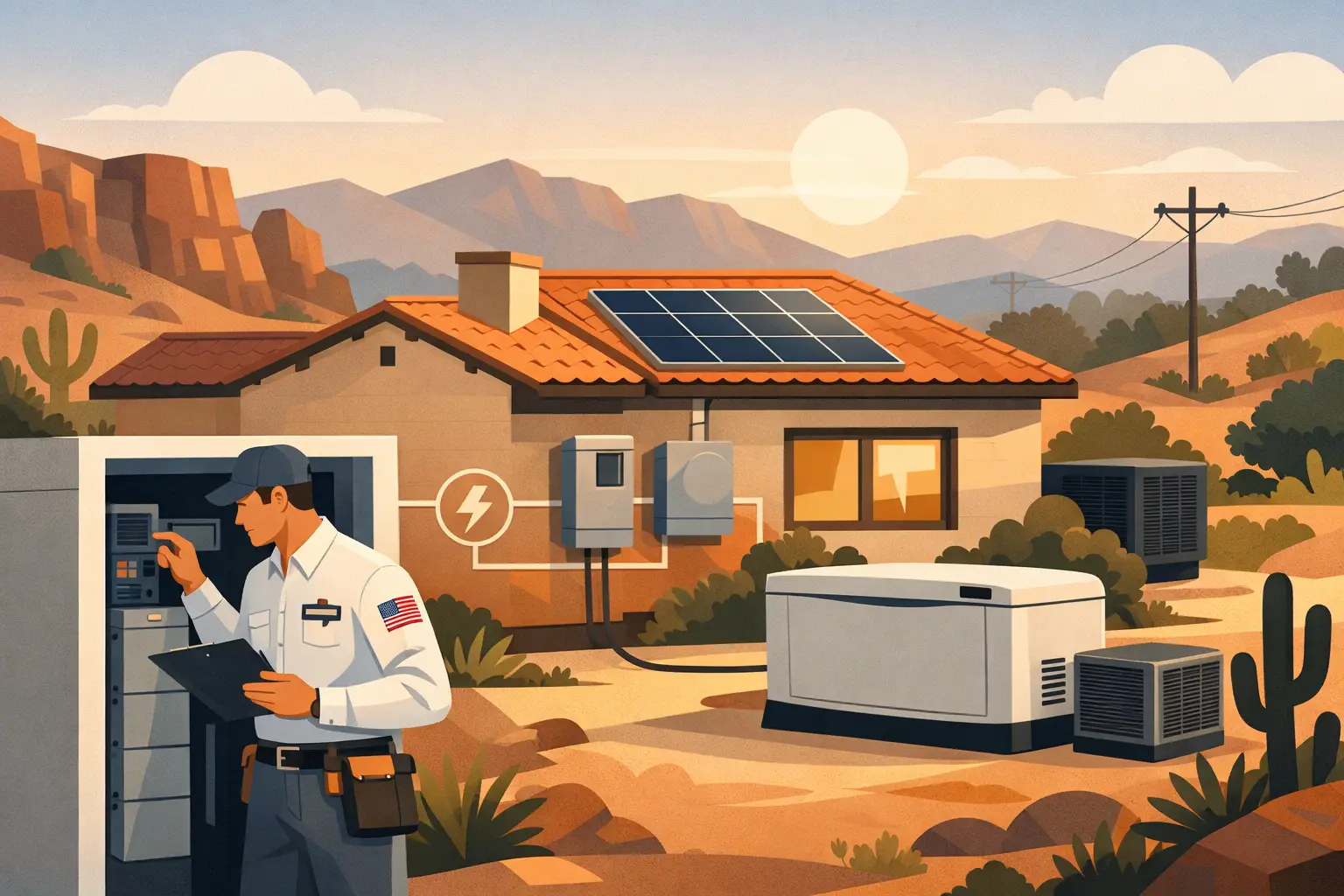
Home backup power provides electricity to selected circuits, or in some cases the entire house, when the utility supply is unavailable. A permanently installed standby generator is the most hands-off option. It monitors incoming utility power and starts automatically when an outage occurs. Once normal service returns, it transfers the home back to utility power and shuts down.
That automatic response can make a meaningful difference when an outage happens while you are away, overnight, or during severe weather. It can keep a refrigerator running, support a security system, maintain critical medical equipment, and power lighting without asking someone to set up equipment in the dark.
A backup system should not be chosen based on generator size alone. The generator, transfer equipment, electrical panel, fuel supply, and selected circuits all need to work together. A professional assessment identifies what your home can safely support and prevents costly surprises after installation.
Start with the loads that matter most
The best system begins with an honest conversation about what needs power during an outage. Most homeowners do not need every load in the house operating at once. Large electrical demands can raise the size and complexity of the required system significantly.
Essential loads often include refrigeration, a few lighting circuits, internet equipment, garage door access, select outlets, a well pump, sump equipment where applicable, and heating or cooling controls. Homes with residents who rely on powered medical equipment may have additional priorities. Your list should reflect your household, not a generic checklist.
Heating and air conditioning deserve particular attention in Southern Utah. Summer heat can make cooling a serious comfort and safety consideration. Yet central air conditioning may require much more backup capacity than lighting and refrigeration. Depending on the home and system design, you may choose to back up one cooling unit, use a smaller comfort solution during outages, or invest in capacity that supports broader operation. There is no single right answer.
The same is true for electric water heaters, ovens, clothes dryers, hot tubs, EV chargers, and other high-demand equipment. These loads may be left out of a backup plan so the system can focus on the circuits that protect everyday needs.
Choose between essential-circuit and whole-home backup
An essential-circuit system powers a carefully selected group of circuits during an outage. This approach is often practical for homeowners who want reliable coverage for the most important functions without supplying every room and appliance. It also makes energy use easier to manage once utility power is off.
Whole-home backup is designed to supply much of the home’s normal electrical service. It can offer greater convenience, especially in larger households or homes with several critical systems. However, it requires more planning. The home’s electrical service, anticipated load, fuel source, and generator capacity must all be evaluated together.
Neither approach is automatically better. Essential-circuit backup is often a smart fit when priorities are clear. Whole-home backup can make sense when the property, household needs, and electrical infrastructure support it. A licensed electrician can explain the trade-offs in plain language before work begins.
Why the transfer equipment matters
A generator must never feed power into a home through an outlet, an improvised cord arrangement, or an unapproved connection. That practice can energize utility lines and create a serious risk for utility workers, neighbors, and anyone near the electrical system. It can also damage appliances and electrical equipment when normal power returns.
Safe home backup power requires approved transfer equipment that separates generator power from utility power. This equipment directs electricity to the intended circuits and prevents dangerous backfeeding. Depending on the system, the transfer process may be automatic or manually operated, but the safety function is not optional.
Proper installation also includes correctly sized conductors, overcurrent protection, grounding and bonding, weather-appropriate equipment, and code-compliant placement. These are not weekend DIY details. They are the parts of the job that determine whether the system is dependable when you need it most.
Make sure the electrical panel is ready
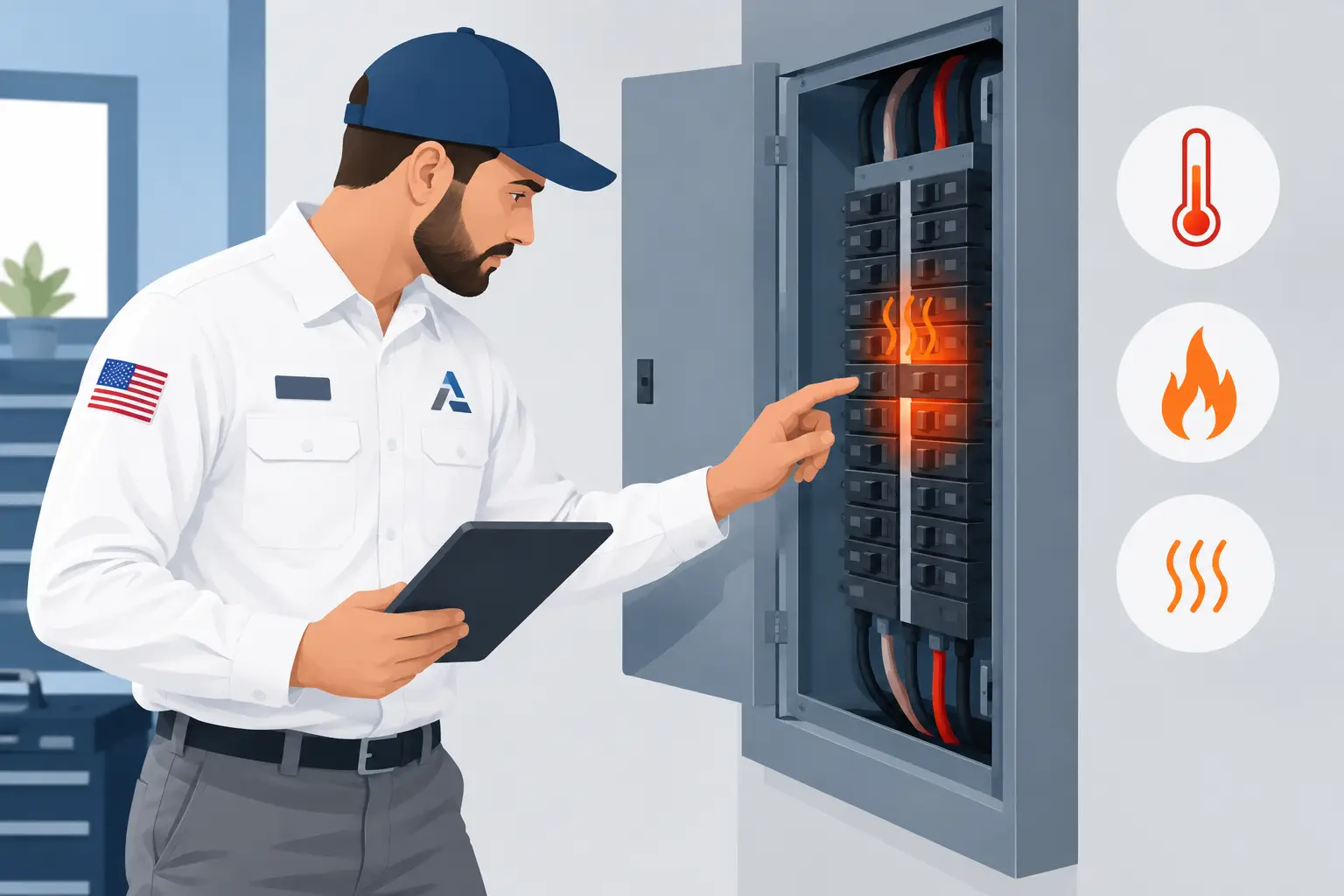
Backup generator installation often reveals conditions that deserve attention in the existing electrical system. An older panel may have limited room for new equipment. A damaged breaker, outdated wiring, corroded exterior equipment, or undersized service can affect what is possible and what should be repaired first.
That does not always mean a full panel upgrade is required. Sometimes the existing equipment can accommodate the work with a well-planned circuit arrangement. In other homes, an upgrade is the safer path because it improves capacity, organization, and long-term reliability. The answer should come from an on-site diagnosis, not a guess based on the age of the home.
A clear assessment should cover your current service, panel condition, major appliance loads, planned backup circuits, and the location of proposed equipment. It should also account for future projects. If you expect to add an EV charger, remodel, install a hot tub, or expand living space, mentioning those plans early can help avoid reworking the electrical system later.
Plan for fuel, maintenance, and real outage habits
A backup generator is only useful if it can operate for the duration of an outage. Fuel availability, required clearances, equipment location, and local requirements are part of the planning process. These factors vary by property, which is why a one-size-fits-all recommendation is rarely helpful.
Maintenance matters too. Like any mechanical equipment, a generator needs periodic service and testing. A system that sits unused for long periods may not perform as expected if it has not been maintained. Automatic exercise cycles can help verify operation, but they do not replace professional inspection and scheduled service.
Your household should also know what to expect during an outage. Even an automatic system has limits. Avoid running unnecessary high-demand appliances, know which circuits are protected, and understand the normal sounds and operating behavior of the equipment. If the system does not start or transfer as expected, do not remove covers or attempt electrical repairs yourself. Call a qualified electrician for diagnosis.
Signs it may be time to consider backup power
Some homeowners start planning after a single frustrating outage. Others decide because their home has a well pump, remote work requirements, medical needs, refrigerated medications, or family members who cannot comfortably go without cooling for long. The timing is different for every household.
It may be worth scheduling an assessment if outages regularly disrupt your home, if you are tired of losing access to key equipment, or if you are already considering an electrical panel upgrade. Planning before the next outage gives you time to compare options based on safety and practical needs rather than making a rushed decision.
For homeowners in St. George and across Southern Utah, the local climate makes a thoughtful approach especially valuable. Heat, seasonal weather, and the distance between some communities can turn a short disruption into a much bigger inconvenience. A properly installed system lets you prepare without overbuilding.
Get a plan built around your home
The most useful backup power plan is not the biggest one. It is the one that safely supports the things your household cannot afford to lose, fits your existing electrical system, and is installed with clear expectations from the start.
Service Right Electric can inspect your home, explain the options, and complete the electrical work needed for a safe backup power setup. Same Team. New Name. Better Focus. Before the next outage puts your family in the dark, a professional assessment can give you a clear path forward.



0 Comments