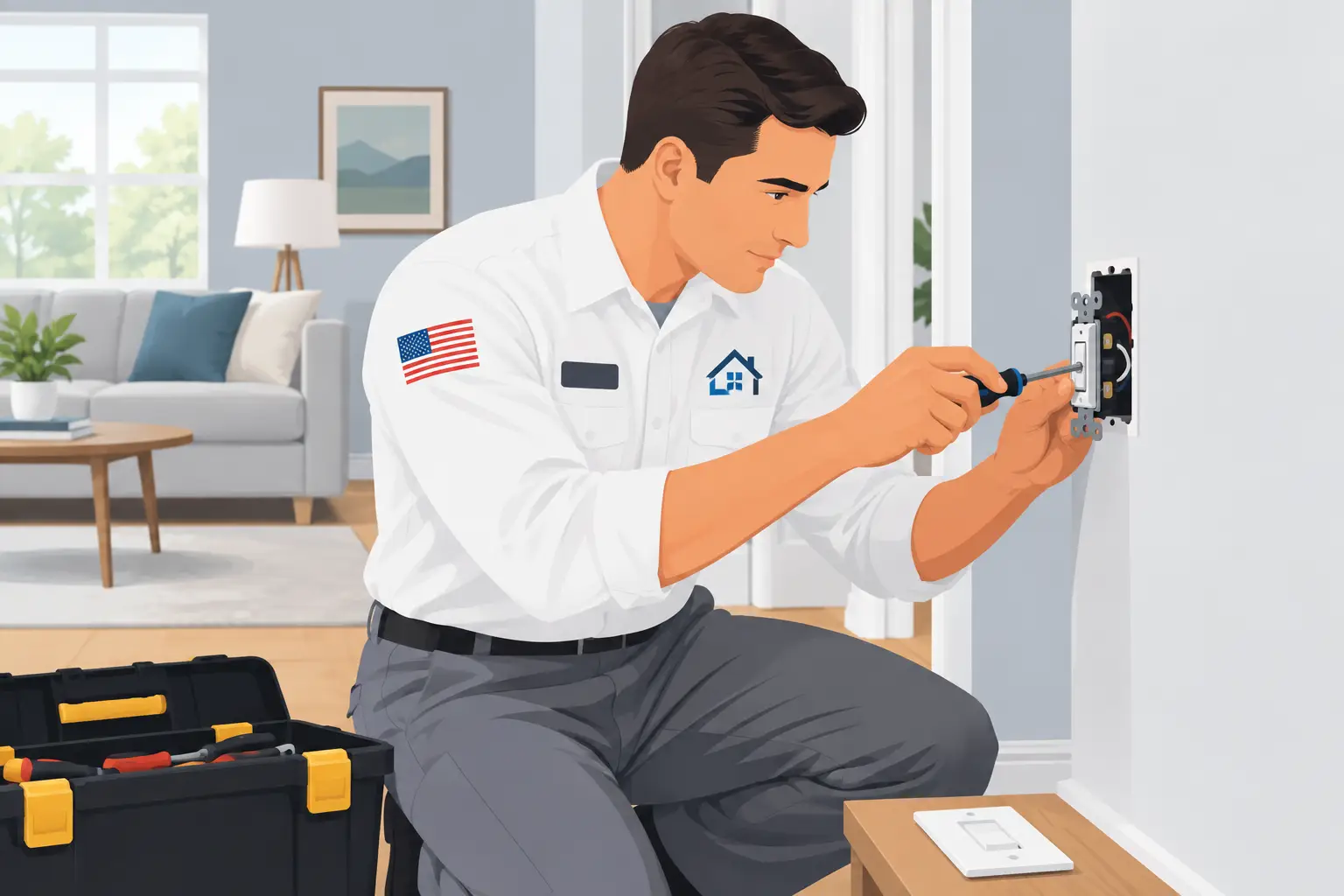
A switch that only works if you press it a certain way is not just annoying. It can be an early sign of a loose connection, worn internal parts, or heat building where it should not. Light switch repair is often a small job when handled promptly, but ignoring a failing switch can leave your family without reliable lighting and, in some cases, create a real electrical safety concern.
Your switches are used every day, usually without a second thought. That constant use, combined with Southern Utah heat, older wiring, remodeling changes, and normal wear, can eventually affect how they perform. The good news is that a trained residential electrician can diagnose the actual cause, explain the repair clearly, and restore safe operation without guesswork.
Signs You May Need Light Switch Repair
A failed switch is not always completely dead. Many electrical problems start with subtle changes that homeowners notice over time. If a light flickers when you touch the switch, the switch feels loose in the wall, or it makes a crackling or buzzing sound, it is time to schedule a professional inspection.
Heat is another warning sign. A switch plate that feels warm, a burning smell, discoloration around the switch, or visible scorch marks should never be brushed off as normal. Turn off power to that circuit at the panel if you can do so safely, avoid using the switch, and arrange for an electrician as soon as possible. Do not remove the cover plate or try to tighten wires while the issue is active.
Other common signs include lights that stay on when switched off, a switch that trips a breaker, a toggle that feels spongy or stuck, or a dimmer that causes lights to flicker or hum. A switch can also appear to be the problem when the fault is actually in the fixture, outlet, circuit wiring, or electrical panel. That is why diagnosis matters more than simply replacing the device on the wall.
Why Light Switches Fail
The switch itself may wear out after years of use. Inside a standard switch are small metal contacts that open and close the electrical path to a light. Over time, those contacts can wear, pit, or stop making a dependable connection.
Loose wire connections are another frequent cause. Electrical connections expand and contract slightly as they heat and cool. If a connection was not secure to begin with, or if it has loosened with age, it can create intermittent operation and excess heat. A professional will inspect the switch box, wiring connections, grounding, and the circuit serving the light rather than assuming a new switch is the whole answer.
Sometimes the issue comes from a change in the home. A new light fixture may draw more power than the existing dimmer is designed to control. An older dimmer may not work properly with newer energy-efficient bulbs. A three-way switch setup, which lets you control one light from two locations, can be confusing because a problem at either switch can affect the entire circuit. These situations need the right parts and a correct wiring configuration, not trial and error.
The Switch May Not Be the Source
If several lights on the same circuit flicker, if outlets nearby also stop working, or if the breaker trips repeatedly, the problem may extend beyond one switch. It could involve a damaged wire, an overloaded circuit, a failing fixture, or a panel issue. Replacing the switch alone might make the problem seem better briefly while leaving the underlying fault in place.
A licensed electrician can trace the circuit and test the components safely. This protects your home from repeat failures and helps ensure the repair addresses the actual source of the problem.
When a Switch Problem Is Urgent
Some switch issues can wait for a convenient appointment. A switch that has become stiff but otherwise works normally, for example, may not be an immediate emergency. Still, it deserves attention before it fails altogether.
Other symptoms call for faster action. Treat a burning odor, smoke, sparking, visible damage, a hot wall plate, repeated breaker trips, or a shock or tingling sensation as urgent electrical warning signs. Stop using the affected switch and fixture. If it is safe to access the panel without touching damaged equipment, turn off the breaker that supplies that circuit.
Do not keep resetting a breaker to see whether the problem goes away. A breaker trips to protect the wiring from a condition such as a short circuit, overload, or ground fault. Repeated resets can expose the circuit to further damage and make diagnosis harder.
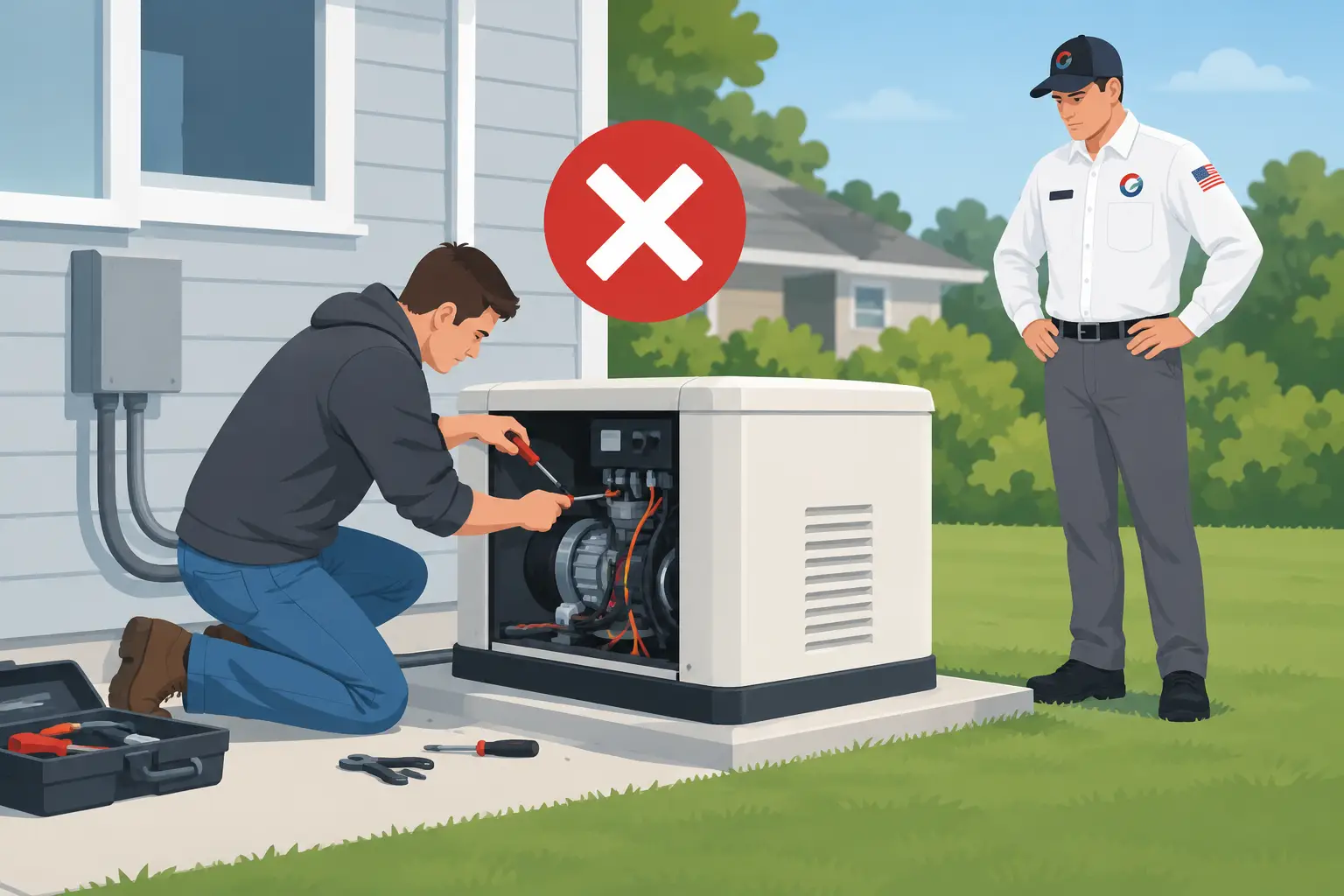
Why This Is Not a Weekend DIY Project
Replacing a basic switch can look simple in an online video, but the work becomes less simple once you account for the wiring behind the wall. A switch box may contain multiple circuits, shared neutrals, older wiring methods, or wires that do not follow expected color conventions. Even after a breaker is turned off, another energized circuit could be present in the same box.
There is also a difference between making a light turn on and completing a code-conscious, reliable repair. Loose terminals, incorrect grounding, overcrowded boxes, mismatched dimmers, and improper wire connections can lead to flickering, nuisance breaker trips, or overheating later. A repair should leave the circuit safe and dependable, not merely functional for the moment.
Homeowners can help by noting what happens before the problem occurs. Does the light flicker only when the switch is touched? Did the issue begin after changing bulbs or installing a fixture? Does the breaker trip at a certain time of day? Those details give the technician a useful starting point without requiring you to take apart electrical equipment.
What Professional Light Switch Repair Looks Like
A good repair visit starts with listening. Your electrician should ask about the symptoms, inspect the switch and the connected lighting, and test the circuit to identify where the fault begins. That is especially valuable when a problem is intermittent, since a switch may work perfectly for a few minutes during a quick visual check.
Once the cause is clear, the electrician can explain the recommended repair before work begins. Depending on the diagnosis, that may involve replacing a worn switch, correcting damaged or loose connections, installing a compatible dimmer, repairing a switch box, or addressing a larger circuit issue. The right approach depends on the condition of the wiring and the equipment already in your home.
After the repair, the circuit should be tested under normal use. Lights should operate consistently, switches should feel secure, and controls should match the needs of the room. This is also a good time to consider practical upgrades, such as dimmers for living spaces, timers for outdoor lighting, or additional switch locations where daily routines have changed.
Older Homes and Recent Remodels Need Extra Attention
In an older home, a switch problem can reveal aging connections or wiring that deserves a closer look. That does not automatically mean a full rewiring project is needed. Often, a focused repair solves the issue safely. But a professional inspection helps you understand whether the switch is an isolated failure or part of a broader electrical concern.
Remodeled spaces can have different challenges. New fixtures, added ceiling fans, converted rooms, and updated lighting controls can all change what a circuit needs to handle. If a switch began acting up after a renovation, mention that during scheduling. It may point directly to a compatibility or connection issue.
Get a Clear Answer Before a Small Problem Grows
A reliable switch should work every time, without heat, noise, flickering, or hesitation. If yours does not, do not wait until the room goes dark or the problem becomes more serious. Service Right Electric provides residential diagnostics and repairs for homeowners throughout Southern Utah, with licensed technicians who explain what they find and provide upfront options before work begins.
The best next step is simple: stop using any switch that feels hot, smells burned, sparks, or trips a breaker, then schedule a professional diagnosis. A properly repaired switch brings back more than light – it brings back confidence that your home’s electrical system is working the way it should.



0 Comments