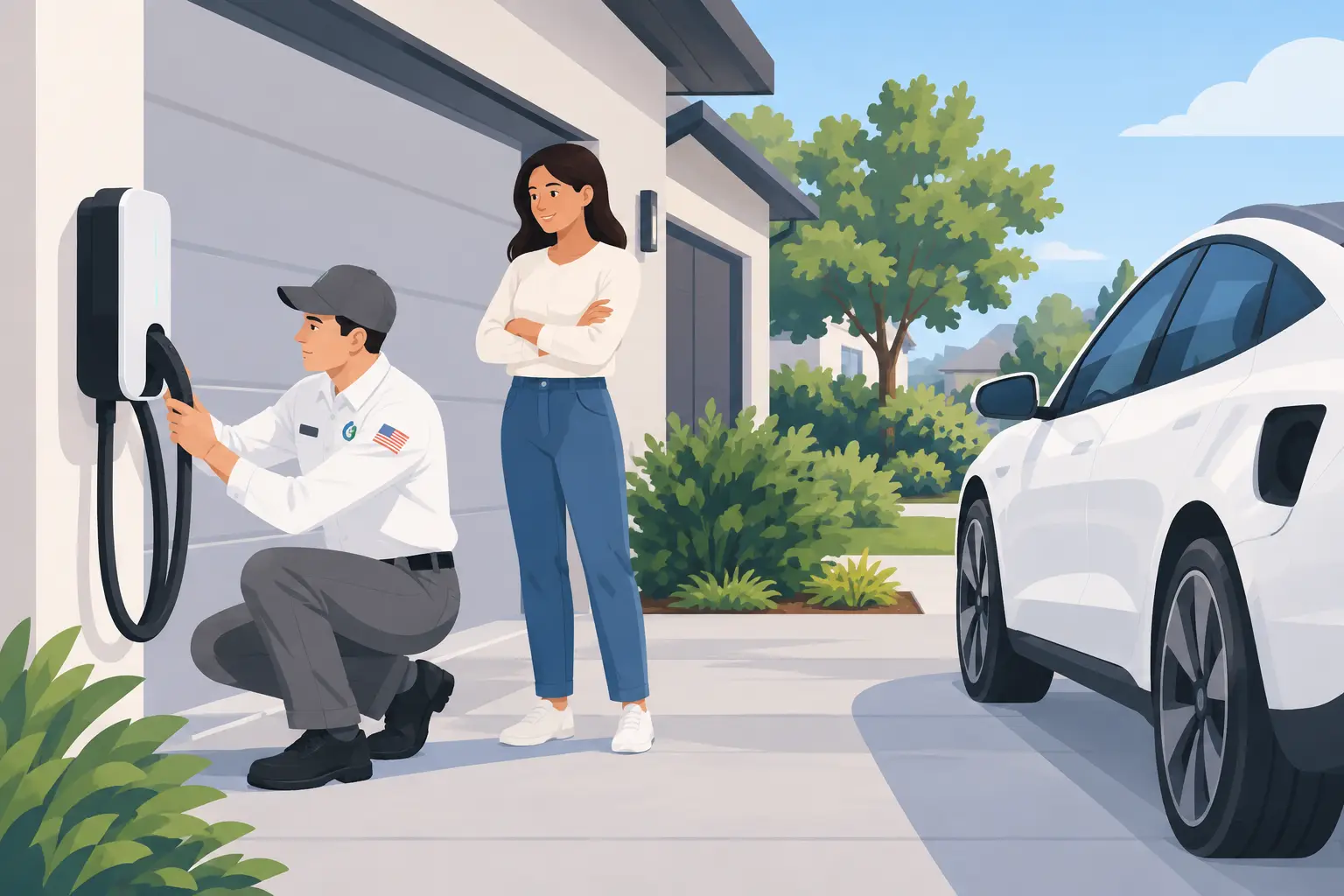
An electric vehicle is easy to enjoy when charging fits naturally into your routine. Pull into the garage, plug in, and wake up with the range you need. But that convenience depends on planning the electrical work before equipment is installed. Learning how to plan home charging starts with your driving habits, your parking space, and the capacity of your home’s electrical system.
A charging setup is not just another outlet in the garage. It can place a substantial, continuous demand on your wiring and breaker panel for hours at a time. The right plan gives you reliable daily charging without overloading circuits, creating unnecessary clutter, or leaving you with equipment that does not suit the way you live.
Start With Your Daily Driving and Charging Needs
Most homeowners do not need the fastest possible charging setup. They need one that reliably replaces the energy they use between normal trips. Consider how many miles you typically drive on a weekday, whether you take frequent longer trips, and how long your vehicle is parked at home overnight.
For someone with a short commute and a vehicle parked for 10 to 12 hours each night, a modest home charging setup may be more than enough. A household with two electric vehicles, a long daily commute, or irregular daytime schedules may need a higher-capacity solution or a plan for sharing one charging circuit.
This is where choosing equipment based only on a headline charging speed can lead to unnecessary expense or frustration. Faster charging can be useful, but it requires more electrical capacity. The best fit is the one that matches your actual driving pattern while leaving room for the rest of the home’s electrical needs.
Choose the Right Charging Location
Your parking location drives much of the installation plan. A garage is often the simplest option because the equipment is protected from weather and cable management is easier. Still, the best wall is not always the nearest one. Think about where the vehicle’s charging port is located, how you pull in, and where the cable will rest when it is not being used.
The charging cable should reach the vehicle without stretching across a walking path, doorway, or driveway. It should not become a trip hazard or get pinched by a garage door. If you park outside, equipment and wiring must be selected and installed for outdoor conditions, including Southern Utah heat, sun exposure, and moisture.
A good location also accounts for future use. If your household may add another electric vehicle, moving the charger later can be more difficult than preparing the right route and electrical capacity during the first installation.
Garage, carport, and driveway considerations
Garages generally offer the cleanest installation path, but carports and driveways can work well with the right materials and placement. In an outdoor installation, the equipment must be properly rated for the environment and positioned where it is protected from vehicle impact. A licensed electrician can identify practical routing options that keep wiring protected and the finished installation neat.
Check Your Electrical Panel Before Choosing Equipment
The breaker panel is the foundation of your home charging plan. Even if there is an open breaker space, that does not automatically mean the home has enough electrical capacity for a new charging circuit. The panel, service size, existing appliances, air conditioning, pool equipment, hot tub, electric water heating, and other major loads all matter.
An electrician performs a load calculation to determine what your system can safely support. This step is especially important in older homes, homes with electric appliances, and homes where the panel has already been expanded over time. It is also common for homeowners to discover that a panel upgrade, subpanel, or load-management solution should be considered before adding high-capacity charging.
That does not always mean a major upgrade is necessary. Sometimes a properly sized charging circuit is the practical answer. Other times, adjusting the charging rate or installing equipment that manages demand can help make the project work safely. The point is to make the decision from a real evaluation, not a guess based on an empty panel slot.
Plan for a Dedicated Circuit
Home charging equipment should be supplied by a dedicated circuit sized for the equipment and installation requirements. That circuit is reserved for charging, rather than shared with garage outlets, refrigeration, tools, or lighting. A dedicated circuit helps prevent nuisance tripping and reduces the risk of overheating conductors or connections.
Electric vehicle charging is considered a continuous electrical load because it can run for several hours. That affects how the circuit must be designed. Breaker size, wire size, connection methods, and protective devices all need to be matched correctly. These details are why an EV charging installation is not a weekend DIY project.
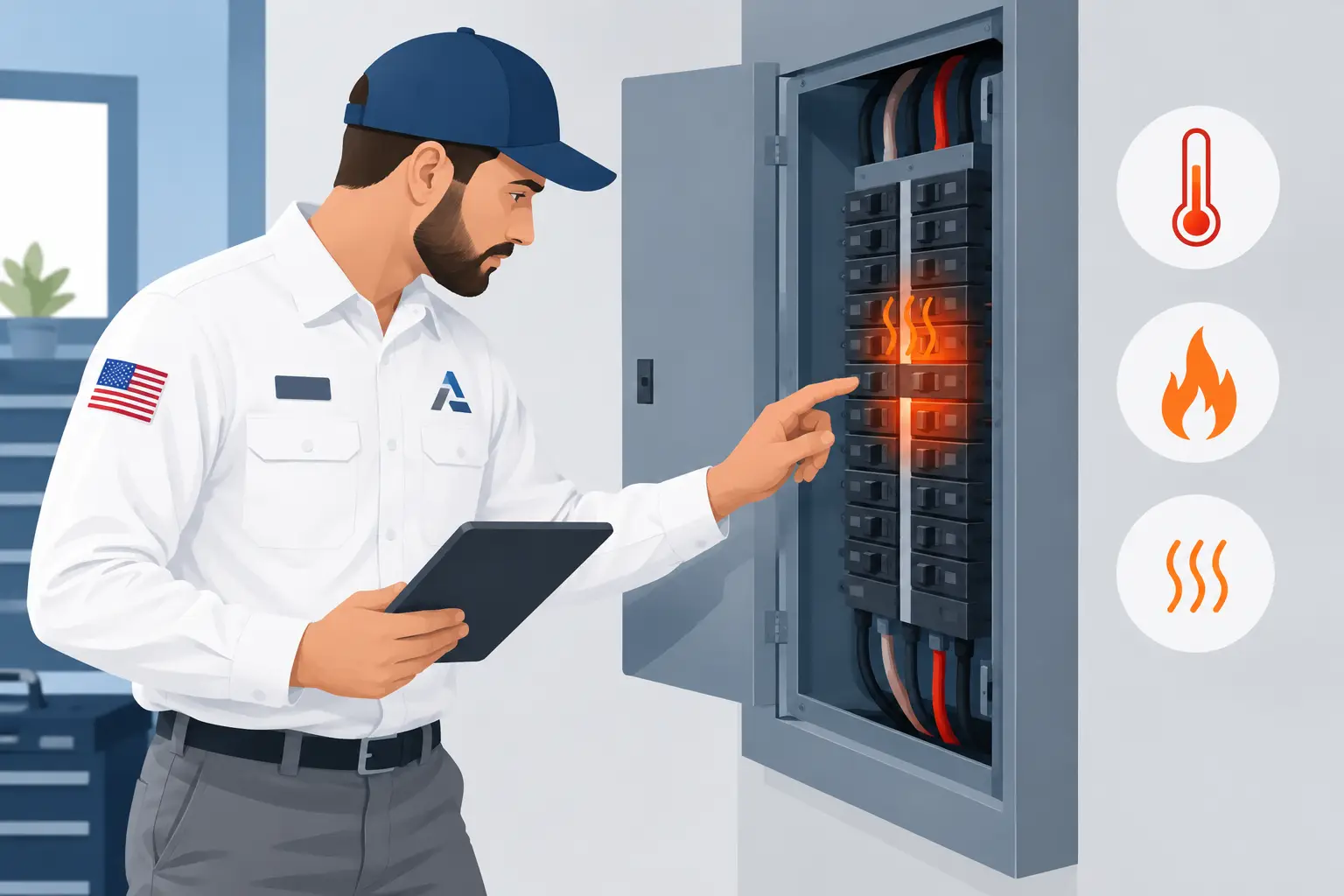
Avoid relying on extension cords, makeshift adapters, or a garage receptacle that was never intended for frequent, high-demand charging. A setup may appear to work at first while still creating heat at a weak connection over time. If an outlet feels warm, looks discolored, makes crackling sounds, or trips the breaker, stop using it and have it inspected promptly.
Decide Between a Plug-In or Hardwired Setup
Home charging equipment may be connected through an appropriate receptacle or hardwired directly to the circuit. Each option has benefits, and the right choice depends on the equipment, location, desired charging rate, and how permanent you want the installation to be.
A plug-in arrangement can offer flexibility if equipment may be replaced or moved later. However, the receptacle, plug, and all connections must be rated and installed for the continuous load. Hardwired equipment removes the plug-and-receptacle connection and can be a clean, durable choice for a fixed location.
The decision should not be based on convenience alone. An electrician can explain what each approach requires in your home and recommend a configuration that supports safe, dependable charging.
Think Beyond the First Vehicle
Planning for the next five years can save disruption later. If you expect a second electric vehicle, plan for a larger conduit path, additional panel capacity, or a charging solution that can coordinate power between vehicles. You may not need to install everything now, but preparing the infrastructure while walls, trenches, or panel work are already involved can make a future upgrade much simpler.
It is also worth considering other electrical plans. A future hot tub, home addition, electric range, workshop equipment, or standby generator can change the available capacity. Share those plans during the evaluation. A residential electrician can help prioritize projects so your electrical system grows in a safe, organized way.
Do Not Skip Permits and Professional Installation
Permits and inspection requirements exist to verify that high-demand electrical work is installed safely. Requirements can vary by community, so a local professional should handle the details for your property. Proper permitting also creates a record of the work, which can be helpful during a future home sale or insurance review.
Professional installation includes more than mounting equipment and pulling wire. It means checking panel capacity, selecting the right circuit components, protecting wiring from damage, making secure terminations, labeling the circuit, and testing the completed system. Clean workmanship matters because home charging is something your household may use nearly every day.
For homeowners in St. George and throughout Southern Utah, Service Right Electric can evaluate your home, explain your options clearly, and complete the installation with safety and long-term reliability in mind. You will know what the work involves before it begins.
A Home Charging Plan Should Make Life Easier
The right setup does not need to be complicated. It should let you park, connect your vehicle, and trust that your home’s electrical system is handling the load correctly. Start with the way you drive, choose a practical location, and have the panel and circuit evaluated before selecting an installation path.
A well-planned charging station is one less thing to think about on a busy morning – and one more reason your home works better for the life you are building.



0 Comments