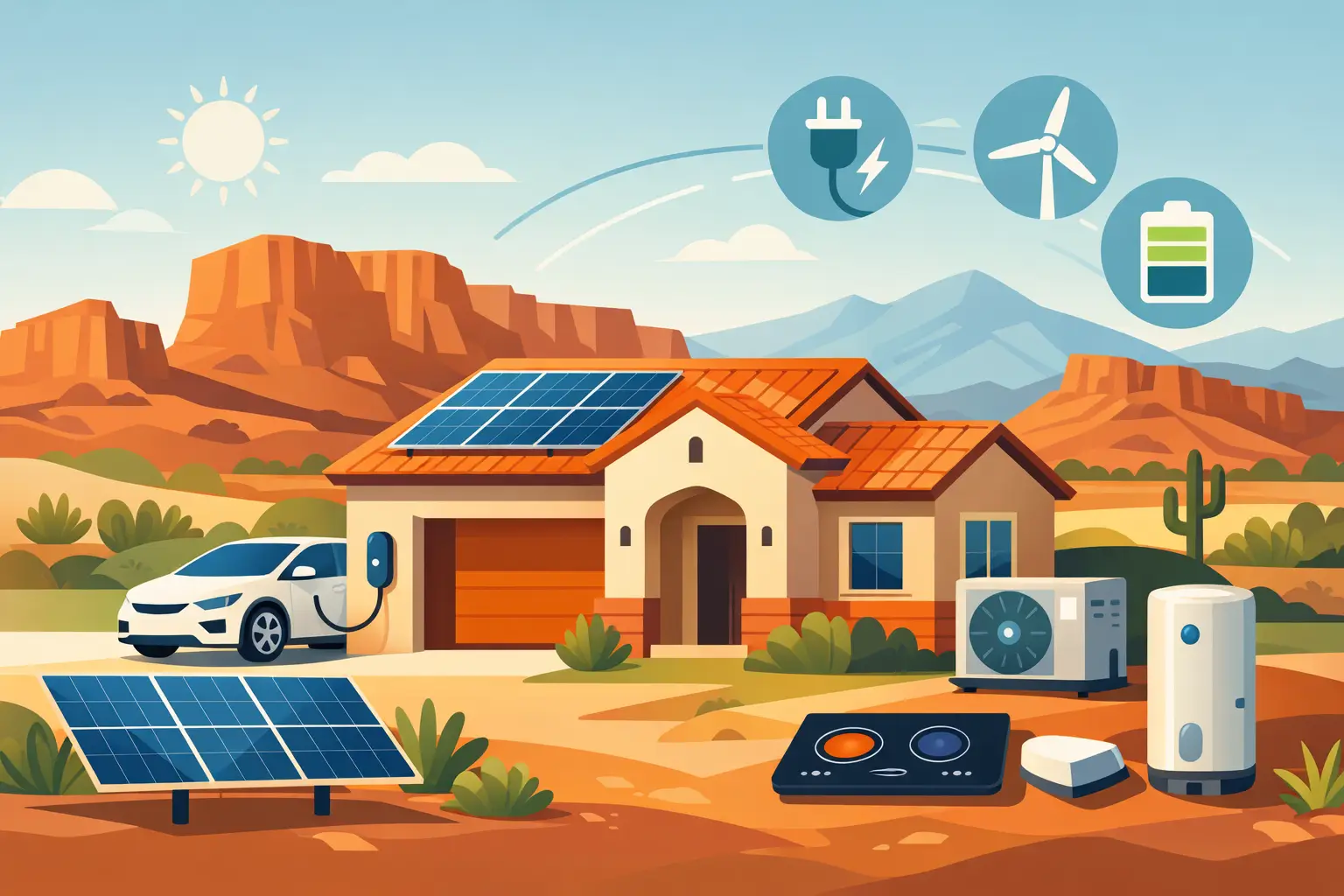
A new EV in the garage, an induction range in the kitchen, a heat-pump water heater in the utility room – each can make a home more efficient and convenient. But they also place new demands on an electrical system that may have been designed decades ago. That is why home electrification trends are not just about buying newer appliances. They are about making sure the home has the safe, reliable power to support them.
For Southern Utah homeowners, the practical question is simple: Is your electrical system ready for the upgrades you want next? A licensed electrician can diagnose the condition of your panel, wiring, grounding, and available capacity before an overloaded circuit, tripping breaker, or failed installation becomes the problem that forces the conversation.
The Home Electrification Trends Changing Everyday Living
Electrification means replacing equipment that burns fuel with equipment that runs on electricity, while also adding electrical conveniences that improve how a home works. Not every household will make every change, and the best project depends on your budget, your home’s age, and the equipment already in place. Still, several upgrades are becoming common in Southern Utah homes.
EV charging is moving from optional to expected
A portable charger connected to a standard outlet can work for some drivers, especially when daily mileage is low. For many households, however, a professionally installed Level 2 charger is the more practical solution. It delivers much faster charging and gives the vehicle a dedicated, properly protected circuit.
An EV charger is not a project for an extension cord or a do-it-yourself wiring attempt. The charger, wire size, breaker, panel capacity, and installation location all need to match the equipment and the home. In a hot garage or outdoor location, the installation must also be selected and completed for the environment.
All-electric cooking is gaining ground
Induction cooktops and electric ranges appeal to homeowners who want responsive cooking performance without an open flame. Induction also keeps more heat in the cookware rather than releasing it into the kitchen, which can be welcome during a Southern Utah summer.
The electrical side deserves attention before the appliance arrives. Most electric ranges need a 240-volt dedicated circuit, and older homes may have outdated receptacles or wiring that does not meet the needs of a modern unit. A new circuit may be straightforward, or it may reveal that the service panel needs additional capacity. The right answer depends on the home, not on a one-size-fits-all recommendation.
Heat-pump water heaters and HVAC are changing load calculations
Heat-pump technology can use less energy than conventional electric resistance equipment. Homeowners may consider a heat-pump water heater, heat-pump HVAC system, or mini-split system when replacing aging equipment or improving room-by-room comfort.
These systems can reduce operating costs in the right situation, but efficiency does not eliminate the need for proper electrical planning. A new HVAC unit or water heater may require a dedicated circuit, disconnect, updated wiring, or a service upgrade. The electrician’s job is to make sure the electrical system supports the equipment safely before it is put into daily use.
Electric comfort and recreation upgrades are expanding
Homeowners are also adding electric features that improve comfort: ceiling fans, upgraded lighting, spa and hot-tub equipment, saunas, and outdoor living spaces. These are not always described as electrification projects, but they are part of the same shift toward homes that rely on more electrical equipment.
Hot tubs, saunas, and outdoor circuits have specific safety requirements because water, weather, and electricity do not leave room for guesswork. Proper GFCI protection, correct wiring methods, equipment disconnects, and careful installation are essential.
Why the Breaker Panel Matters More Than Ever
The panel is the traffic control center for your home’s electricity. It distributes power through individual circuits and uses breakers to shut off power when a circuit is overloaded or a fault occurs. As more major equipment is added, the panel needs enough capacity and physical space to do its job.
A panel that is full of breakers is not automatically unsafe, and a large panel does not automatically mean a home can support every new appliance. What matters is the full electrical load calculation, the condition of the equipment, the rating of the service, and the details of the proposed upgrade.
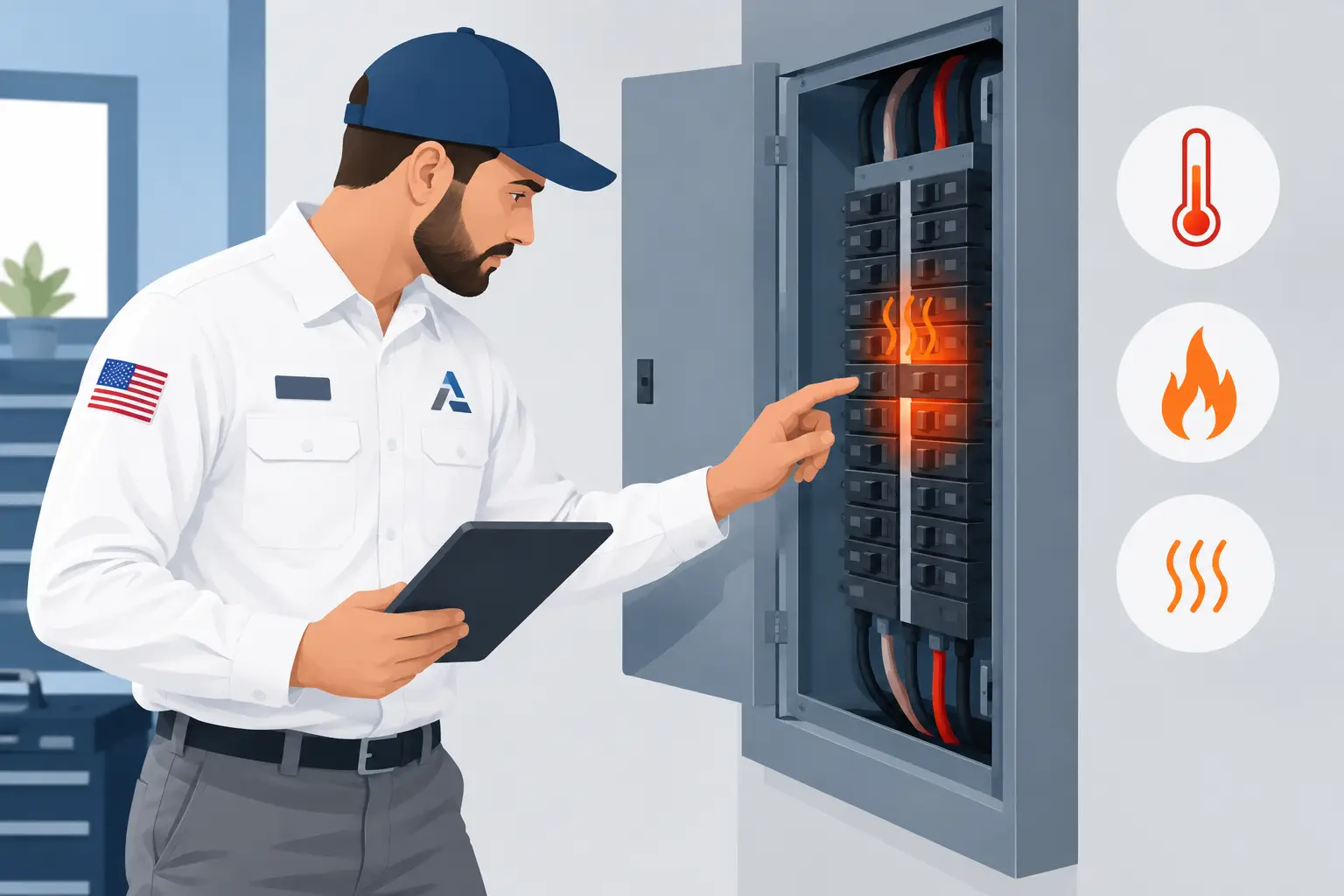
Warning signs that deserve a professional diagnosis include breakers that trip repeatedly, lights that flicker when large appliances start, warm outlets or panel components, buzzing sounds, corrosion, damaged meter equipment, or a panel with no room for new circuits. These issues are not a reason to panic, but they are a reason to call before adding another major load.
A panel upgrade can provide more capacity, room for dedicated circuits, and updated safety protection. It is a meaningful investment, so it should be recommended based on the condition and needs of your home – not used as an automatic add-on for every project.
Electrification Is Also a Home Safety Conversation
Modernizing a home’s electrical system often creates an opportunity to correct older safety concerns. Ground-fault circuit interrupter protection helps reduce shock risk in locations such as kitchens, bathrooms, garages, outdoor areas, and near water. Arc-fault protection can help identify dangerous arcing conditions in certain circuits. Whole-home surge protection can help protect sensitive electronics and appliances from voltage spikes.
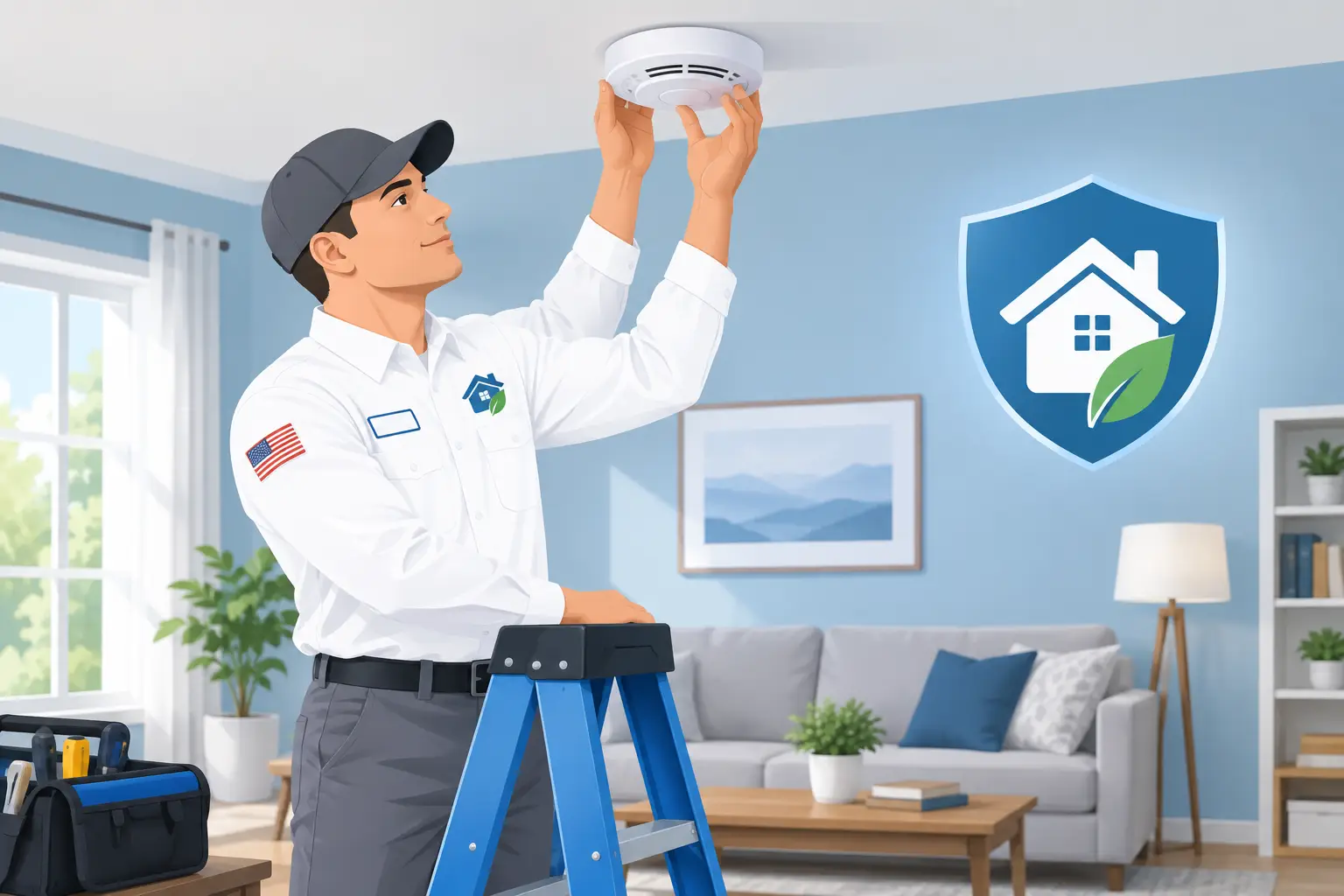
Smoke detectors are another important part of the picture. When remodeling, adding circuits, or updating aging wiring, it makes sense to check whether smoke and carbon monoxide alarms are properly located, powered, and interconnected as required. These devices are easy to overlook until they are needed most.
Electrical safety upgrades are especially valuable in older homes that have had several additions over the years. A house may have a mix of newer circuits, older wiring, added outlets, and equipment installed by previous owners. A clear inspection and diagnosis can replace uncertainty with a realistic plan.
Plan Projects in the Right Order
Homeowners often start with the appliance they want. That is understandable, but the better starting point is the electrical system that must support it. If you expect to add an EV charger this year and replace your range or HVAC system later, tell your electrician about the full plan. Planning ahead may prevent duplicate work and help you make a smarter decision about panel capacity, conduit routes, and circuit locations.
A practical electrification plan usually begins with a home electrical assessment. From there, projects can be prioritized by safety, urgency, and daily value. A damaged outlet or overheating breaker comes first. A needed panel upgrade may come before an EV charger. Lighting, ceiling fans, and convenience outlets can often follow on a schedule that fits your budget.
Do not assume every electric upgrade has to happen at once. Phased work is often the right approach, particularly for homeowners remodeling one area at a time. The key is making sure each phase is installed safely and with the next phase in mind.
Choose Professional Installation for High-Load Work
Electrical work can look simple from the outside: run a wire, add a breaker, install the new equipment. In reality, proper installation involves load calculations, wire sizing, overcurrent protection, grounding, permits where required, code compliance, and safe routing through the home. A mistake can lead to unreliable operation, damaged equipment, shock hazards, or fire risk.
Service Right Electric helps Southern Utah homeowners evaluate these upgrades with licensed residential electricians, clear explanations, and upfront pricing before work begins. Whether the need is a dedicated circuit, an EV charger, panel work, lighting, or a safety repair, the process should be straightforward: call, diagnose, and fix it right.
The most useful home upgrade is the one that works safely on day one and continues working when the next project arrives. Before bringing home that new appliance, vehicle, or comfort system, make the electrical plan part of the purchase – not an afterthought.



0 Comments