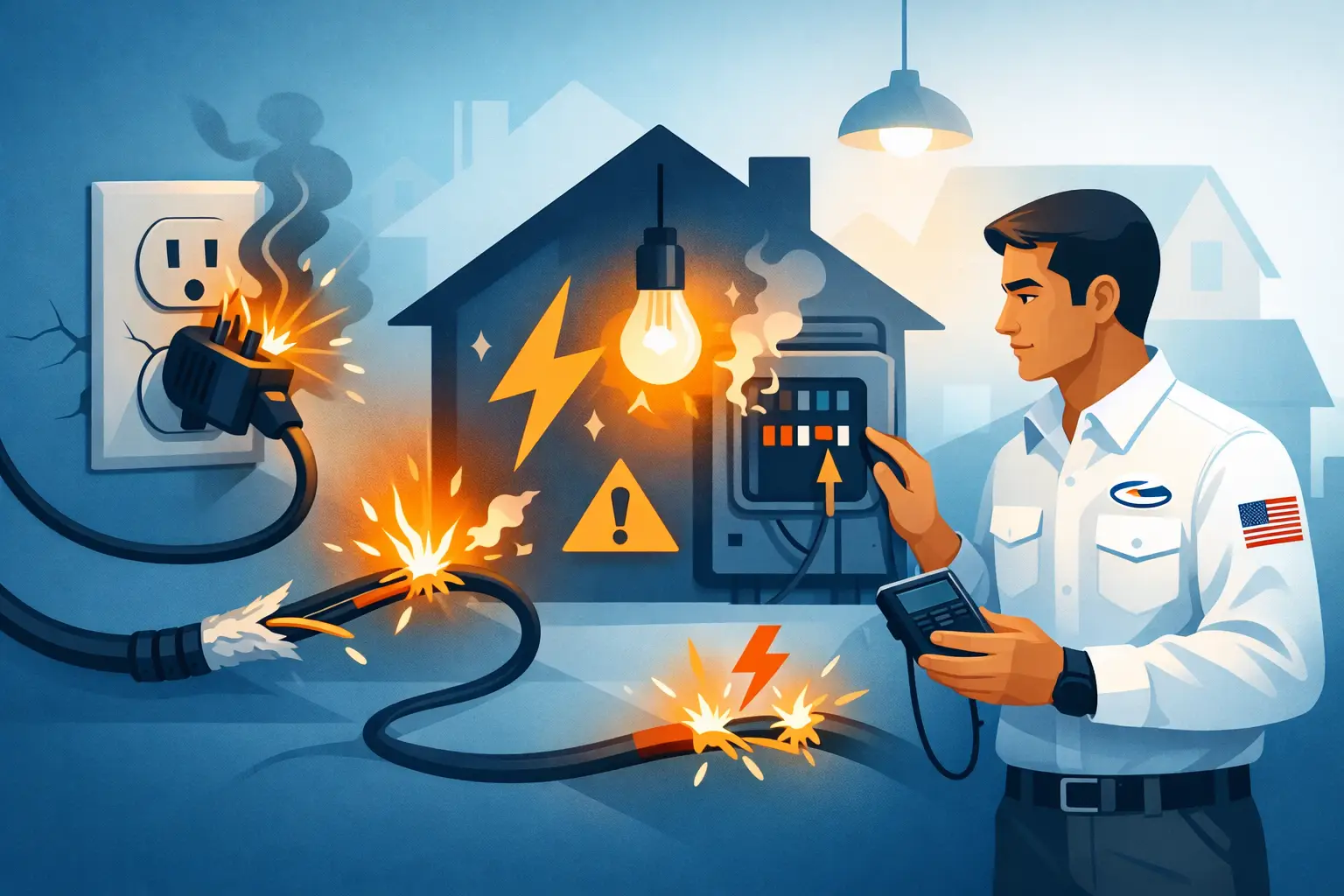
A warm outlet cover, a breaker that trips again after being reset, or lights that flicker when an appliance starts can be easy to dismiss. They are also common signs that your home needs attention. Home electrical safety is less about knowing how to repair wiring yourself and more about recognizing when the electrical system is asking for a professional diagnosis.
Southern Utah homes face a mix of electrical demands. Older homes may have aging wiring or panels that were not designed for modern appliance loads. Newer homes often add EV chargers, hot tubs, home offices, larger entertainment systems, and outdoor living features. When the system is overloaded, damaged, or improperly modified, the risk is not just inconvenience. It can include shock, damaged equipment, or fire.
Start With the Warning Signs You Can See
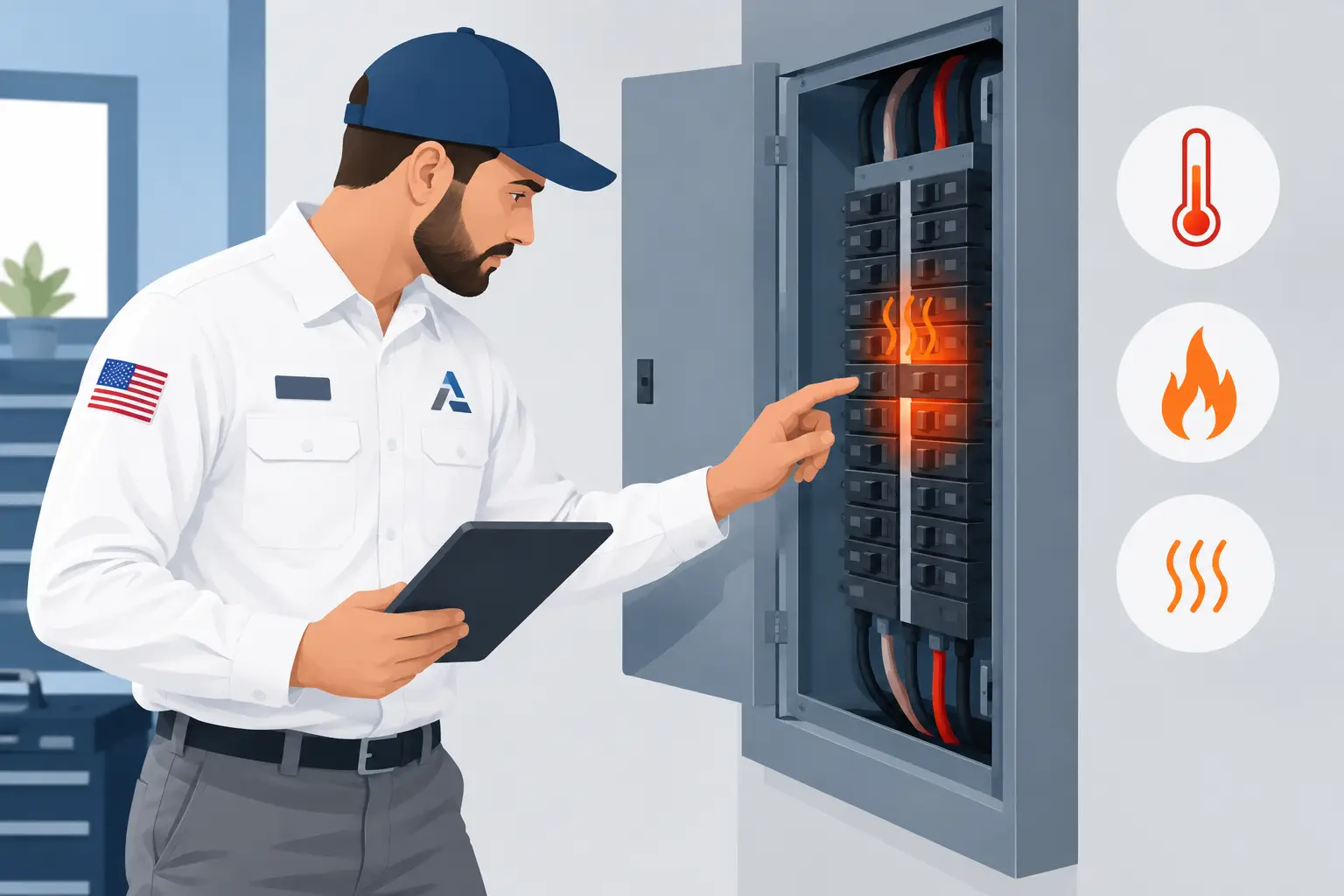
Electrical problems do not always announce themselves with a complete loss of power. Often, the early clues are small and repeatable. Pay attention when an outlet, switch, plug, or electrical panel feels warm. A slight warmth from a dimmer can be normal in some situations, but heat, discoloration, melting plastic, or a burning smell is not. Turn off power to the affected area if it is safe to do so, avoid using the device, and arrange for an electrician to inspect it.
Flickering lights deserve context. One bulb that flickers may simply be loose or nearing the end of its life. But lights that dim when the air conditioner, microwave, or another major appliance starts may point to a circuit, connection, or service issue. Flickering across multiple rooms is especially worth checking promptly.
A breaker that trips is doing a protective job. Resetting it once after a clear overload can be reasonable, such as running too many portable heaters or countertop appliances on one circuit. Repeated trips are different. Do not keep resetting the breaker and hope it holds. A recurring trip can signal an overloaded circuit, a failing appliance, damaged wiring, or a fault that needs professional testing.
Other signs that should move quickly to the top of your list include buzzing or crackling sounds, sparks from an outlet or switch, shocks or tingling when using an appliance, and scorch marks near electrical equipment. These are not weekend DIY projects.
Home Electrical Safety Begins at the Panel
Your breaker panel controls and protects the circuits throughout the house. It should be accessible, clearly labeled, dry, and free of storage piled in front of it. In an emergency, nobody should have to move boxes, bikes, or holiday decorations to reach the main shutoff.
Labels matter more than many homeowners realize. A panel directory that simply says “lights” or “plugs” creates confusion when a circuit needs to be shut off. A clear description of each circuit helps your household respond calmly and helps a technician diagnose concerns more efficiently. If your panel labels are outdated after remodeling or additions, ask for them to be corrected during your next service visit.
Panels also have limits. If you have added major electrical loads over the years, such as a spa, EV charger, workshop equipment, or additional air conditioning, the existing panel and service may need evaluation. Adding equipment without confirming available capacity can create nuisance trips and safety concerns. The right solution depends on the home’s electrical load, panel condition, and future plans. Sometimes a dedicated circuit is enough. In other cases, an upgrade is the safer long-term choice.
Never remove a panel cover or work inside the panel yourself. Even with individual breakers switched off, energized components can remain present.
Use Outlets and Extension Cords for Their Intended Purpose
Outlets are built for regular household use, but they are not designed to solve every power need. Avoid overloading a single receptacle with multi-plug adapters or connecting one power strip to another. If a room regularly depends on extension cords, that room likely needs additional outlets or a dedicated circuit.
Extension cords are temporary tools, not permanent wiring. Do not run them under rugs, through doorways, across walkways, or where furniture can pinch them. Heat and physical damage can wear through insulation without being obvious at first. For outdoor use, use cords rated for outdoor conditions and keep their connections protected from moisture.
In kitchens, bathrooms, laundry areas, garages, unfinished spaces, and outdoor locations, ground-fault protection is a key layer of protection. These devices are designed to shut off power quickly when they detect an imbalance that may indicate electricity is taking an unsafe path. If a protected outlet will not reset, trips repeatedly, or has no power, do not bypass it. The cause could be as simple as a downstream outlet or as involved as a wiring or moisture issue.
Homes with young children should also use intact, tamper-resistant outlets or approved outlet covers. Loose or broken receptacles should be replaced rather than taped, propped up, or ignored.
Protect Water-Adjacent Areas and Outdoor Power
Water and electricity are a dangerous combination, even when the amount of water seems minor. Keep electrical cords, chargers, and portable appliances away from sinks, tubs, pools, and wet patios. Never use a damaged cord near water, and do not handle plugged-in equipment with wet hands.
Outdoor outlets, lighting, ceiling fans, and equipment need components rated for their environment. A covered patio may still be exposed to wind-driven rain, dust, and temperature changes. Weather-resistant devices and properly installed covers help, but they are not a substitute for correcting cracked boxes, loose covers, damaged conduit, or recurring moisture problems.
Hot tubs, spas, and similar equipment deserve special care because they combine water, high electrical demand, and frequent outdoor exposure. Proper bonding, dedicated circuits, protective devices, and installation methods are essential. If you notice tripping, unusual operation, damaged equipment, or a shock sensation near water, stop using the equipment and call a licensed electrician immediately.
Do Not Ignore Smoke Alarm and Surge Protection Needs
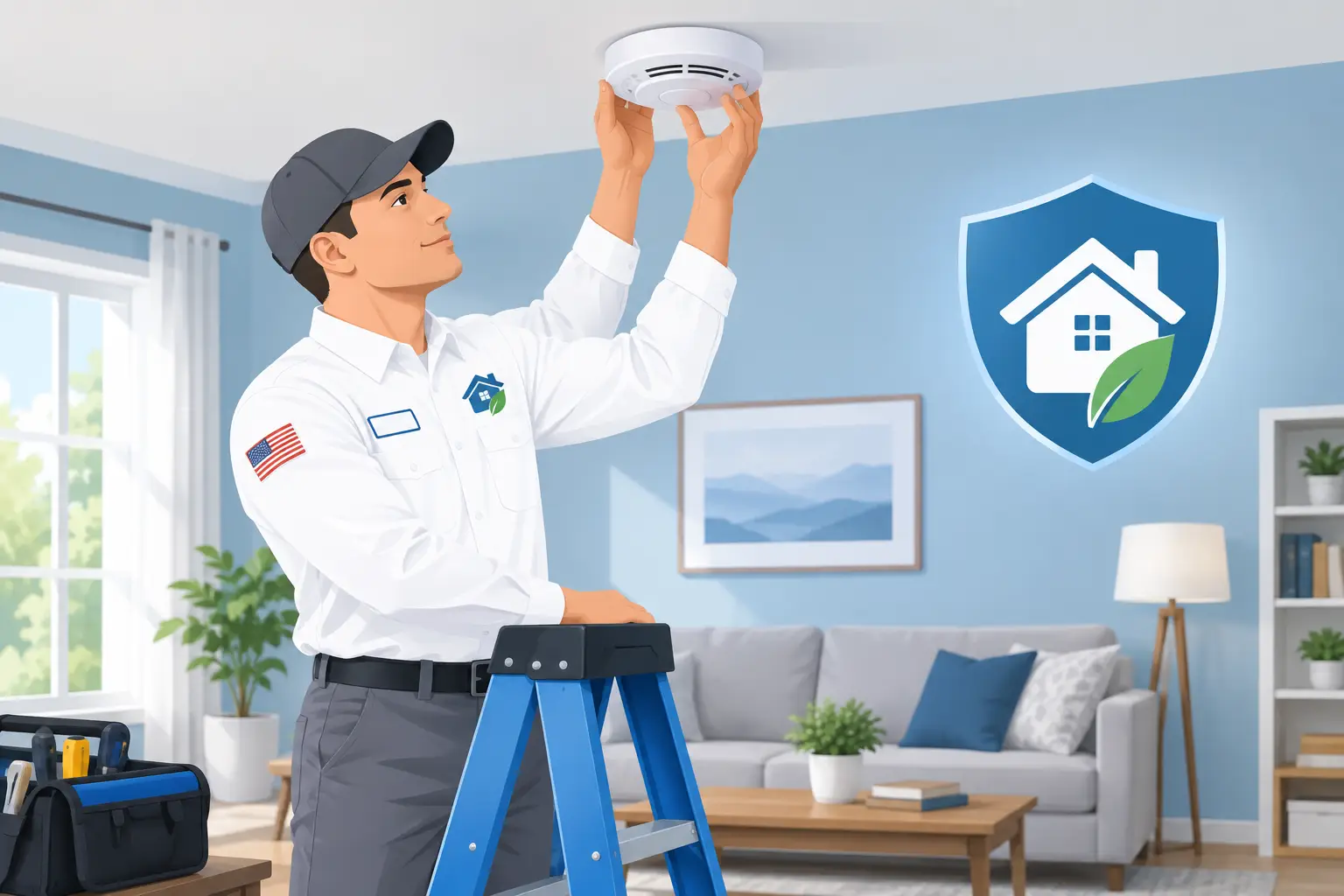
Smoke alarms are among the simplest safety devices in a home, but they only help when they are working, correctly located, and maintained. Test alarms regularly according to the manufacturer’s instructions, replace batteries where applicable, and replace units that have reached the end of their service life. If hardwired alarms chirp, fail to communicate properly, or lose power, have the electrical connection checked rather than disabling the alarm.
Whole-home surge protection is another practical consideration, particularly as homes rely on more sensitive electronics and connected appliances. Power surges can come from utility events, nearby lightning, or equipment cycling inside the home. Plug-in strips can provide limited protection at a single location, while a properly installed whole-home solution is designed to protect at the electrical system level. The best approach depends on the equipment you want to protect and the condition of your panel.
Know When to Stop and Call for Help
Homeowners can safely handle basic tasks such as changing a bulb with the switch off, keeping panel access clear, and testing smoke alarms as directed. Electrical repairs, new circuits, outlet replacements, panel work, and troubleshooting faults are different. The risk is not always visible, and a repair that appears to work can still leave an unsafe connection behind a wall.
Call for professional help right away if you smell burning, see smoke or sparks, hear persistent buzzing, experience shocks, find water near electrical equipment, or have a breaker that will not stay on. If there is an active fire or immediate danger, move to a safe location and contact emergency services first.
For less urgent concerns, a service visit can still prevent a bigger problem. A licensed residential electrician can diagnose the cause, explain the options before work begins, and complete the repair correctly. Service Right Electric helps Southern Utah homeowners address these issues with clear communication, upfront recommendations, and a focus on safe residential solutions.
A home should make daily life easier, not leave you wondering whether a warm outlet or tripping breaker can wait. When something electrical changes, trust the warning sign and get it checked before the next reset, spark, or outage makes the decision for you.



0 Comments