
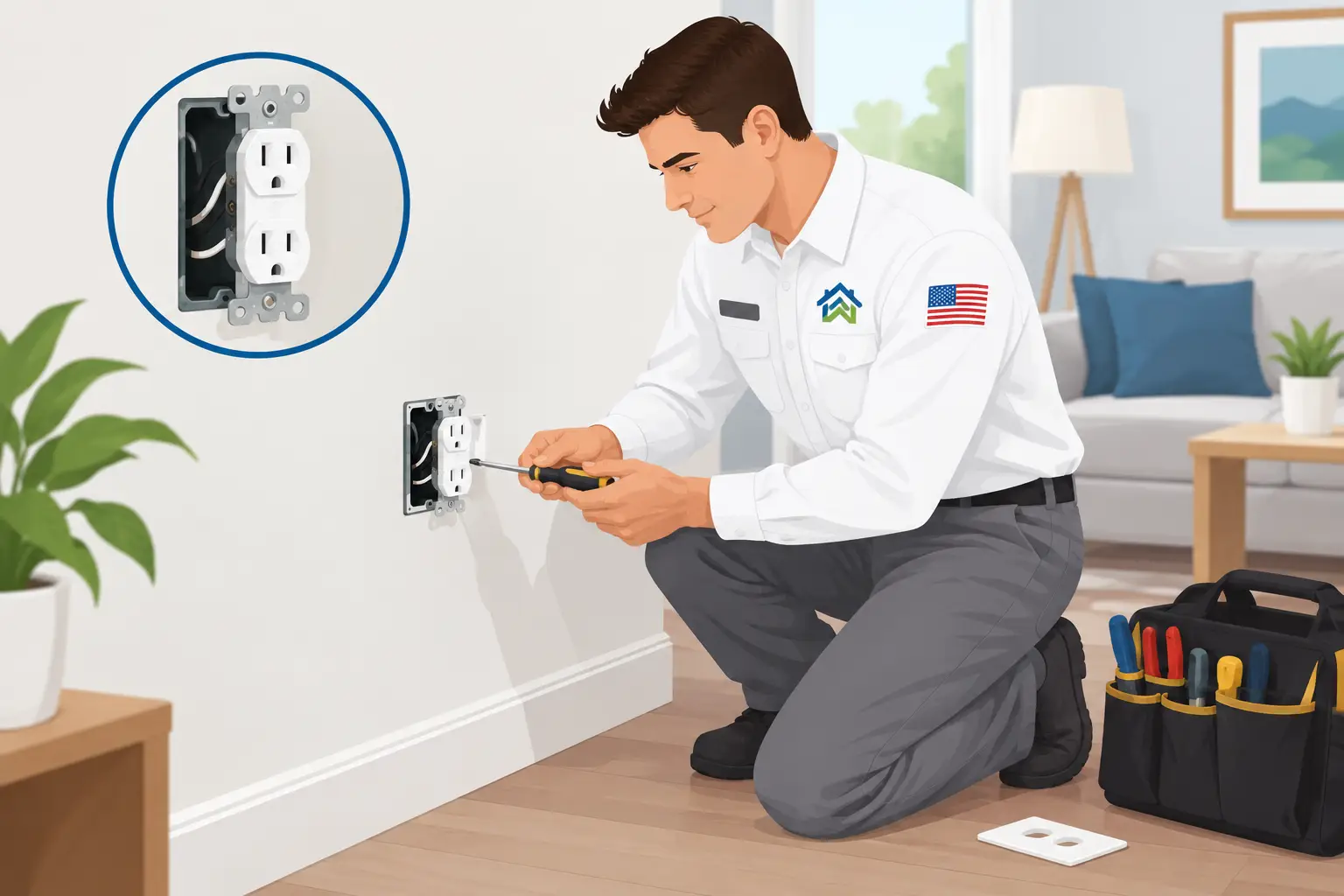
A plug that shifts when you unplug a phone charger may seem like a small annoyance. It is also a reason to stop using that receptacle until it is checked. Knowing how to secure loose outlets starts with recognizing the difference between a loose cover plate and an outlet that is moving inside the wall. One is usually cosmetic. The other can expose wiring to repeated stress, create poor plug contact, and become a real electrical safety concern.
For Southern Utah homeowners, the safest answer is usually not to tighten something and hope for the best. A licensed electrician can identify why the outlet came loose, make a code-conscious repair, and confirm the wiring and box are still in good condition.
When a loose outlet needs attention now
An outlet should sit squarely against the wall and remain steady when a plug is inserted or removed. If the entire receptacle rocks, sinks into the wall, pulls forward, or twists behind the cover plate, it needs repair. A loose outlet is especially concerning when it is used often for kitchen appliances, power strips, space heaters, bathroom devices, garage tools, or other higher-demand equipment.
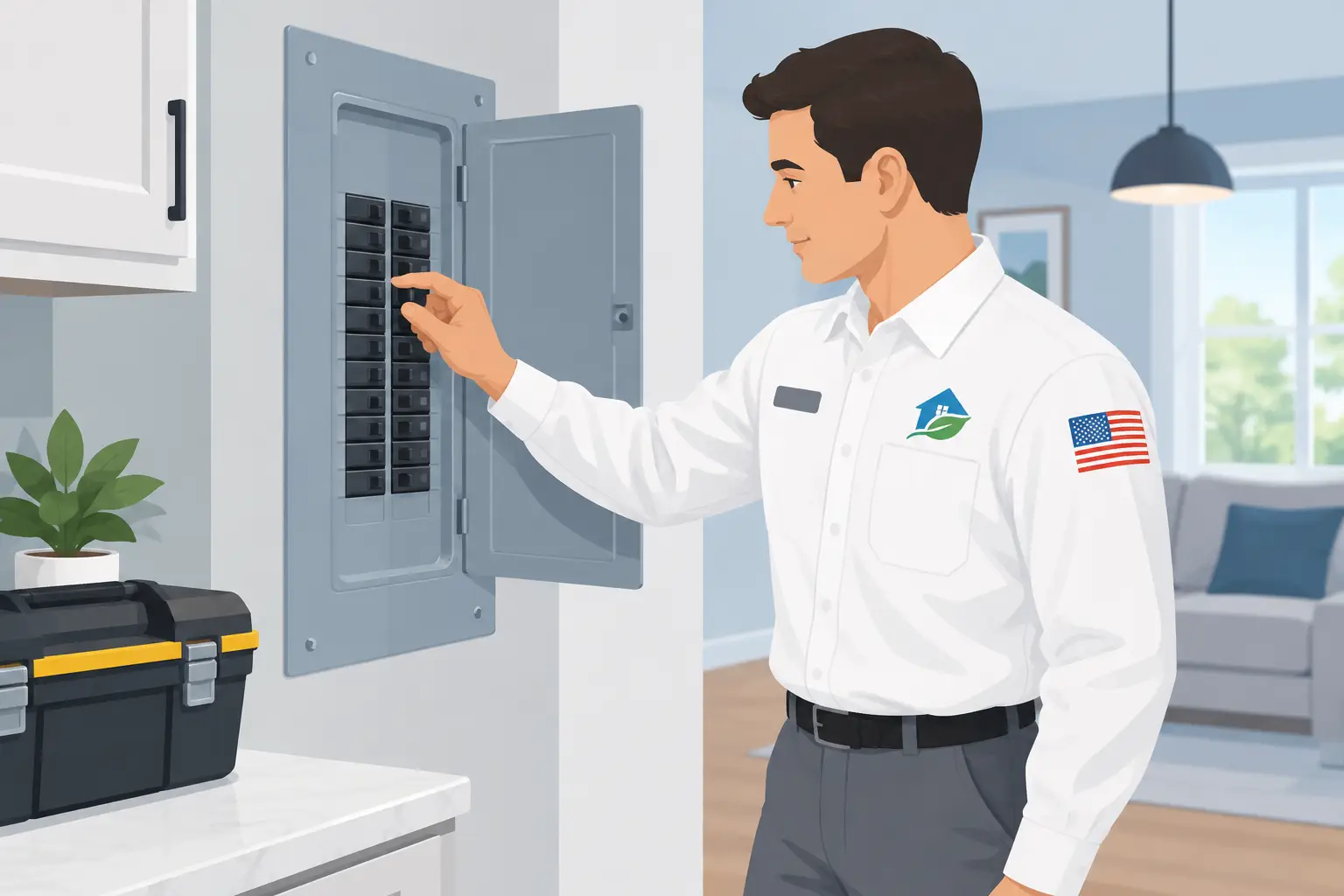
Stop using the outlet and arrange professional service promptly if you notice warmth at the cover, a burning odor, discoloration, buzzing, sparks, a cracked receptacle, or plugs that fall out. These signs can point to loose connections, damaged parts, overheating, or an overloaded circuit. If there is smoke, visible arcing, or a strong burning smell, turn off power to that circuit at the panel only if it is safe to do so, keep people away from the area, and call for urgent electrical help.
A loose faceplate alone is different. The thin plastic or metal cover may simply have a loose center screw, while the outlet itself remains solid. Even then, a cracked cover should be replaced because it is meant to prevent contact with energized components. Do not assume the faceplate is the only problem if the outlet moves underneath it.
Why outlets come loose in the first place
Most loose outlets have a physical cause that will not improve on its own. Years of plugging in and unplugging cords can loosen mounting screws or wear out the receptacle’s internal contacts. A heavy adapter, bulky charging block, or cord that hangs downward can put extra leverage on the device every day.
The electrical box behind the wall may also be recessed too far, damaged, or no longer firmly attached. In older homes, prior work may have left the box or outlet without the support it needs. Drywall repairs, remodeling, and settling can change how the finished wall surface meets the electrical box.
Sometimes the concern is not that the outlet moves, but that the plug does. Worn internal contacts can no longer grip plug blades tightly. That weak connection can create resistance and heat, particularly with appliances that draw more power. Replacing a worn receptacle is often straightforward for a qualified technician, but the technician should also inspect the wiring connections and the condition of the box rather than treating the symptom alone.
How to secure loose outlets safely
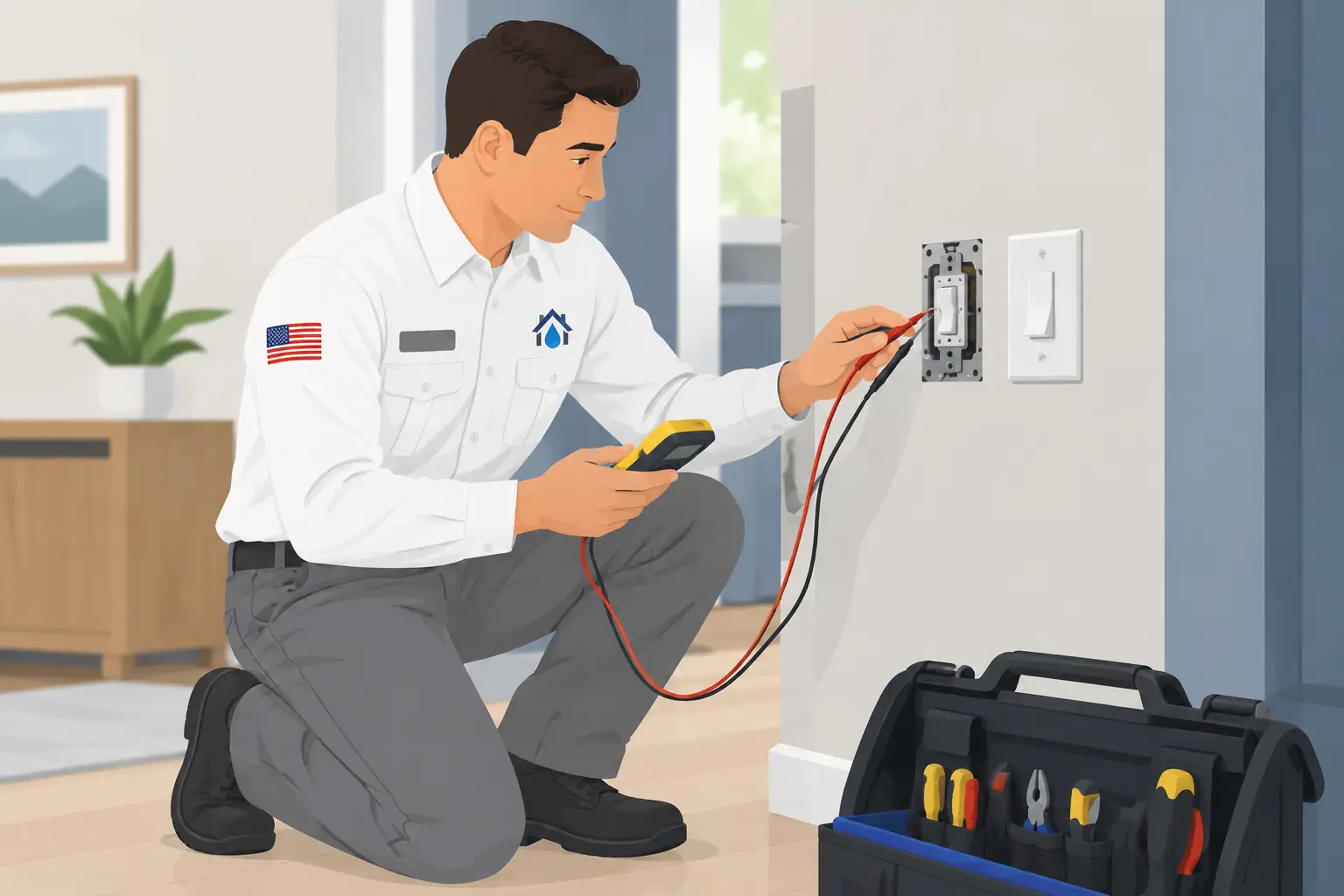
The safe repair depends on what is actually loose. An electrician begins by shutting off and verifying power to the circuit, then removes the cover and inspects the receptacle, mounting hardware, electrical box, and conductors. This diagnostic step matters because a visibly loose outlet can hide a damaged box, brittle wiring insulation, loose terminal connection, or a device that has overheated.
If the box is sound and the outlet has simply shifted, the technician can properly support and align the receptacle so it sits flush with the finished wall. If the box is recessed, approved spacers or extenders may be needed to provide solid support. If the box is cracked, loose, or unsuitable for the installation, it may need repair or replacement before a new receptacle is installed.
When the receptacle itself is worn, heat-damaged, or cracked, replacement is the right fix. The electrician can also confirm whether the location needs a safety-protected receptacle, such as in a bathroom, kitchen, laundry area, garage, exterior location, or other area where moisture protection is required. Requirements vary by location and by the home’s existing wiring, which is another reason a quick cosmetic fix is not always enough.
Once the repair is complete, the outlet should be firmly mounted, sit evenly against the wall, accept plugs securely, and operate correctly under testing. That is the standard homeowners should expect – not an outlet that merely looks straight for a few weeks.
What not to do with a loose receptacle
Electrical repairs have a clear line between sensible homeowner awareness and work that should be left to a trained professional. Do not push a loose outlet back into the wall with a plug still connected. Do not stuff cardboard, paper, wood, tape, or other improvised material behind the device to make it feel tighter. Those materials are not intended for electrical-box use and can conceal a worsening problem.
Avoid over-tightening the faceplate screw to hold the outlet in place. The cover plate is not structural support, and too much pressure can crack it. Caulk and adhesive are also not solutions. They may make the outlet appear secure while leaving the underlying box, mounting screws, or wiring issue unaddressed. They can also make future servicing more difficult.
It is equally risky to keep using an outlet because it still delivers power. Electricity can flow through a connection that is not mechanically secure, and repeated movement can gradually loosen wiring connections. That is why a receptacle that works intermittently, feels warm, or requires wiggling a plug deserves attention before it becomes a no-power call or a more serious hazard.
Protect repaired outlets from repeat damage
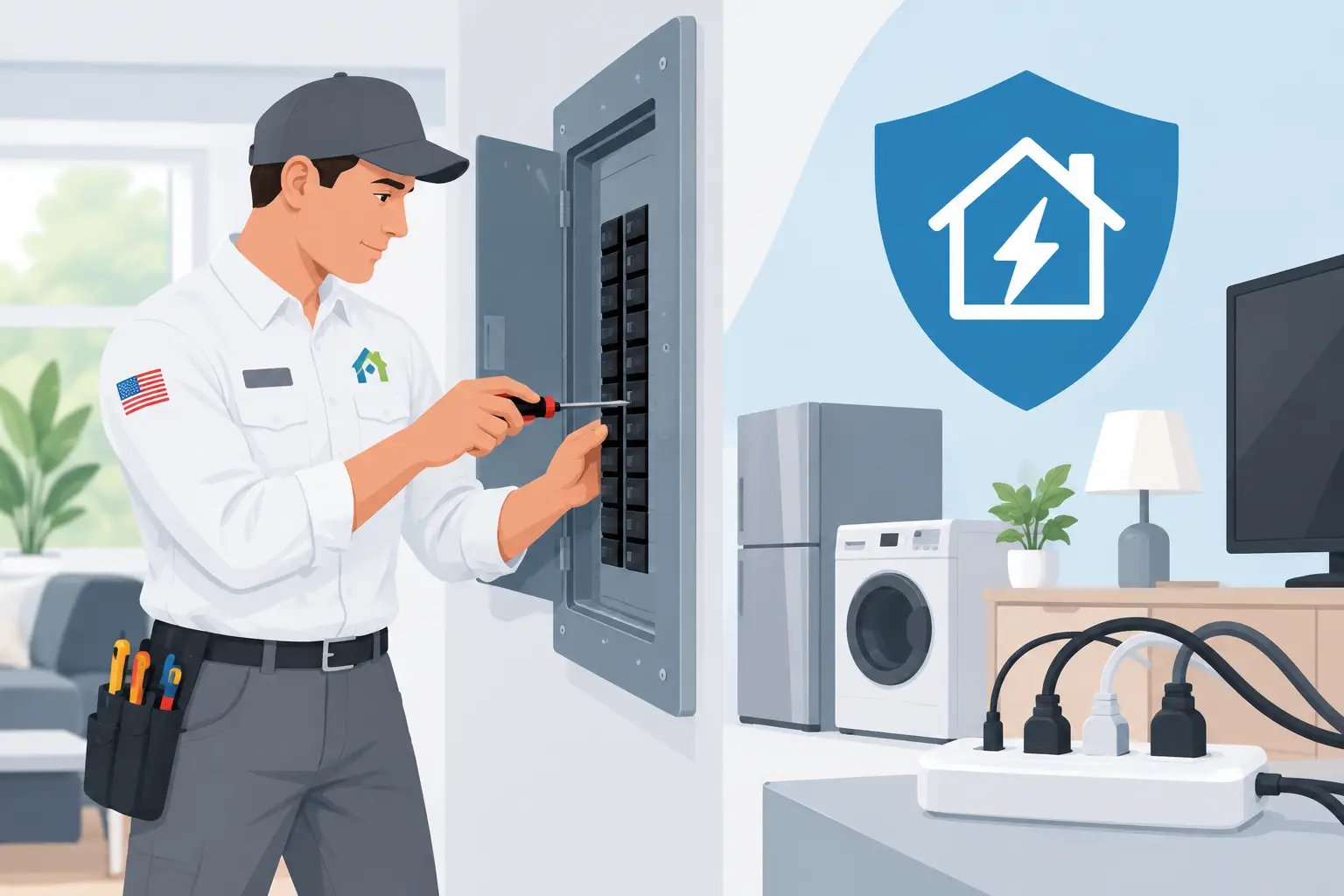
After the outlet is correctly repaired, a few habits can reduce wear. Pull plugs out by gripping the plug body rather than yanking the cord. Keep heavy adapters from hanging unsupported where possible, and do not overload a single receptacle with multiple high-draw appliances. If a cord regularly pulls sideways on an outlet because of furniture placement, ask about a safer arrangement rather than forcing the cord into a tight bend.
For outlets in busy family areas, garages, patios, and kitchens, occasional visual checks are worthwhile. Look for a cover plate that has started to crack, a plug that no longer stays firmly seated, or a device that sits crooked against the wall. These are easier and safer to address early.
A loose outlet is not a weekend DIY project when the device, box, or wiring may be involved. Service Right Electric follows a simple approach for local homeowners: call, diagnose, and fix. A properly secured outlet gives you more than a cleaner-looking wall – it gives your household a safer, more dependable place to plug in every day.


0 Comments