A breaker that trips once may be doing exactly what it was designed to do. A breaker that trips repeatedly, lights that dim when an appliance starts, or an outlet that feels warm is your home asking for attention. Knowing how to prevent circuit overloads helps protect your wiring, appliances, and most importantly, the people under your roof.
Modern homes use more electricity than many older electrical systems were built to handle. Space heaters, countertop appliances, garage tools, entertainment equipment, home offices, hot tubs, and EV chargers can put real strain on a panel and its branch circuits. The goal is not simply to stop breakers from tripping. It is to make sure electricity has a safe, properly sized path to every device you depend on.
What a Circuit Overload Actually Means
Every circuit has a limit. That limit is set by the breaker, the wire size, the outlets on the circuit, and the way the circuit was installed. When too many appliances or devices draw power from the same circuit at once, the breaker trips to stop the wiring from overheating.
That safety shutoff can be inconvenient, but it is far better than allowing overloaded wiring to continue heating behind walls. Repeatedly resetting a breaker without finding the cause is not a fix. It can hide a problem that needs a closer look.
An overload is not the only reason a breaker trips. A short circuit, a ground fault, a failing appliance, damaged wiring, or a worn breaker can create similar symptoms. That is why a pattern matters. If the same breaker trips whenever you use a particular appliance or outlet, treat it as useful information, not something to work around.
How to Prevent Circuit Overloads in Daily Use
Start by paying attention to which items share power. High-wattage appliances create the biggest demand, especially when several run together. In a kitchen, for example, a microwave, toaster oven, coffee maker, and air fryer may be plugged into nearby outlets but supplied by only one or two circuits. Running several at the same time can push a circuit past its safe limit.
The same issue shows up in bedrooms, garages, and living areas. Portable heaters, hair dryers, curling tools, vacuum cleaners, window air conditioners, power tools, and older refrigerators can draw a large amount of power. Use these items one at a time when they are on the same circuit, rather than assuming every outlet has independent capacity.
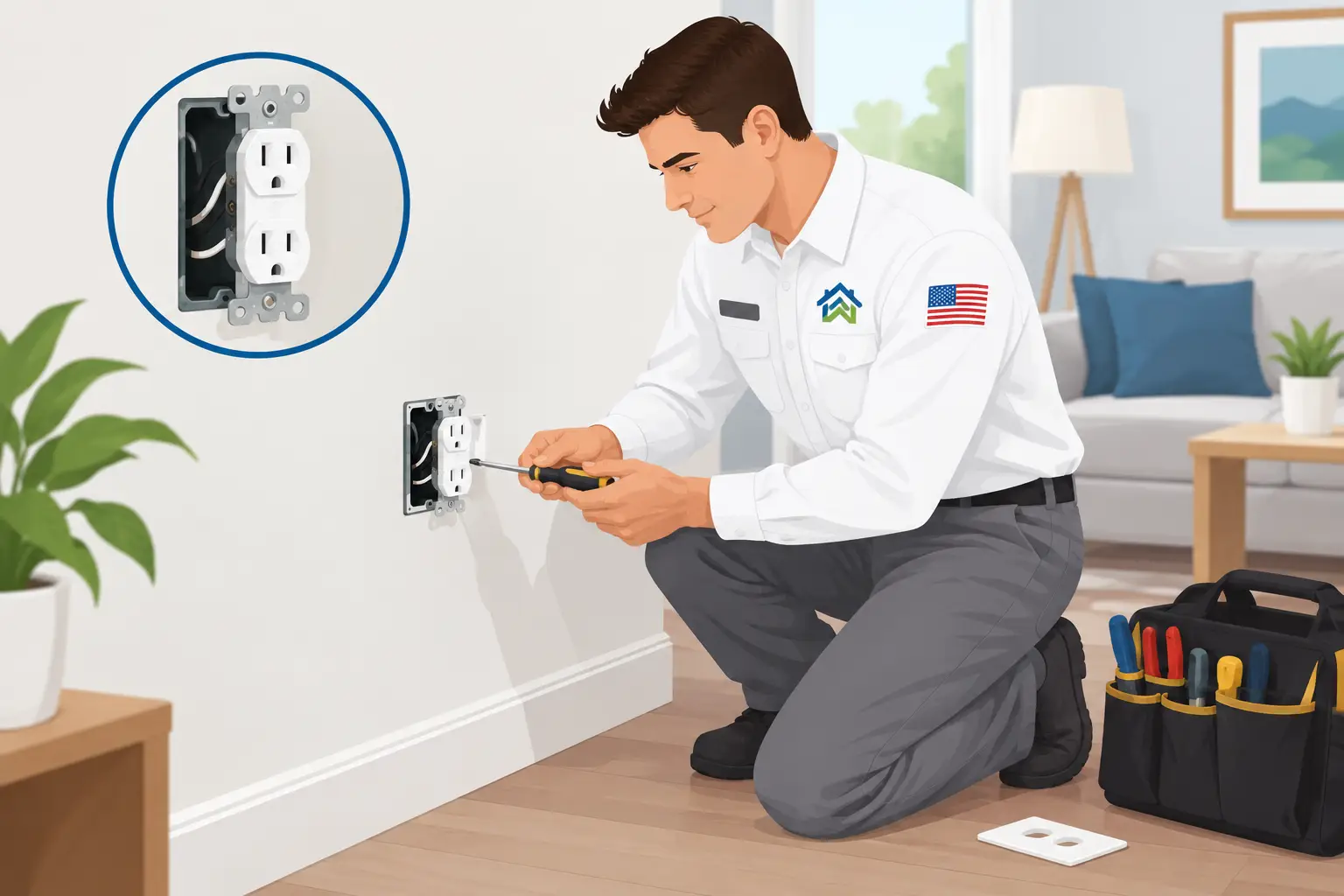
Extension cords and power strips deserve extra caution. A quality power strip can be appropriate for low-draw electronics such as a television, modem, or computer equipment. It is not a permanent solution for high-demand appliances. Never plug one power strip into another, and do not use extension cords as long-term household wiring. If you need more outlets in a room, the lasting solution is a properly installed outlet or a new circuit.
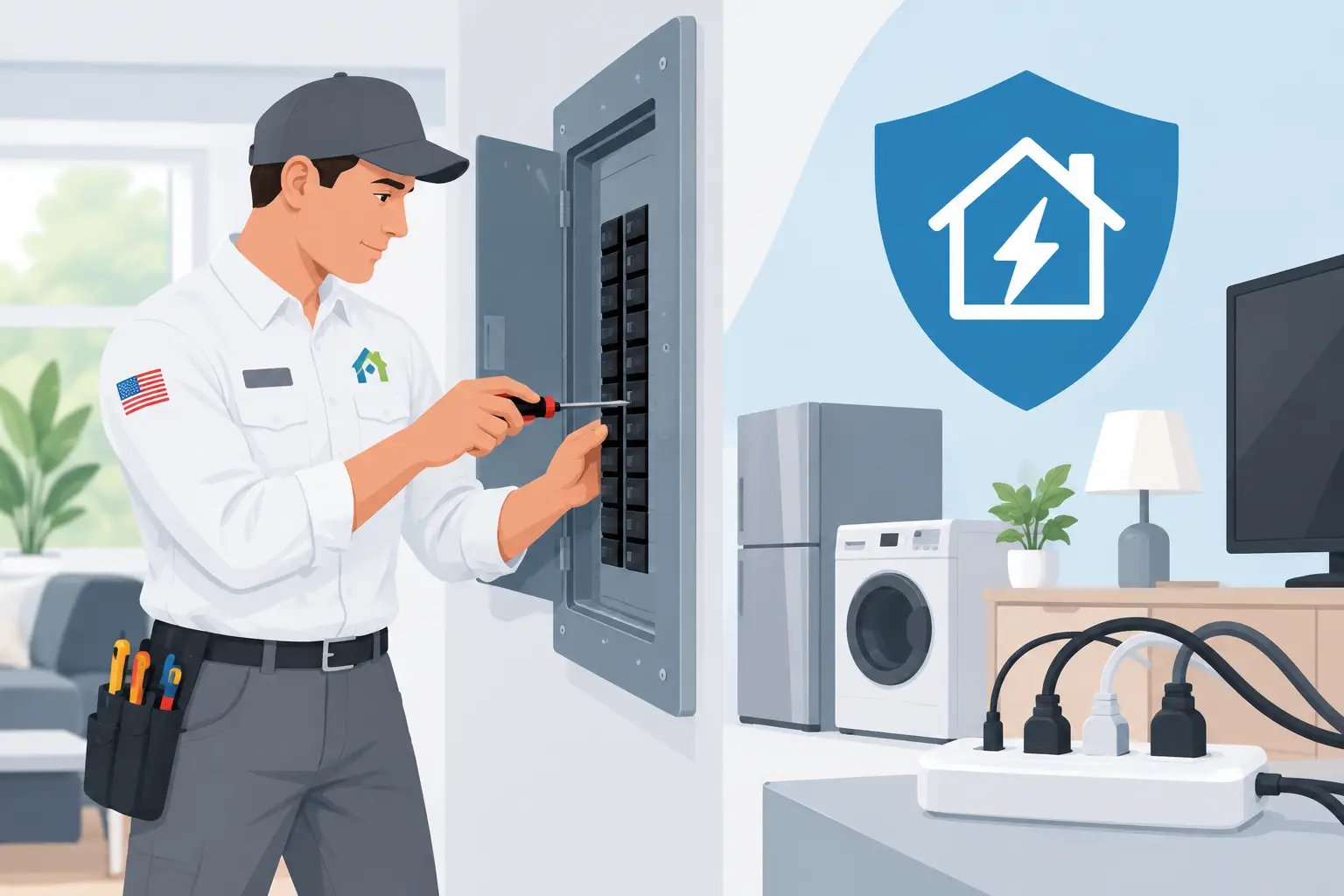
It also helps to know what is on each breaker. Your panel directory should identify the rooms or equipment served by each circuit. If labels are vague, outdated, or missing, an electrician can map the panel accurately. Clear labeling makes it easier to respond safely when a breaker trips and helps prevent someone from turning off the wrong circuit during a repair.
Warning Signs You Should Not Ignore
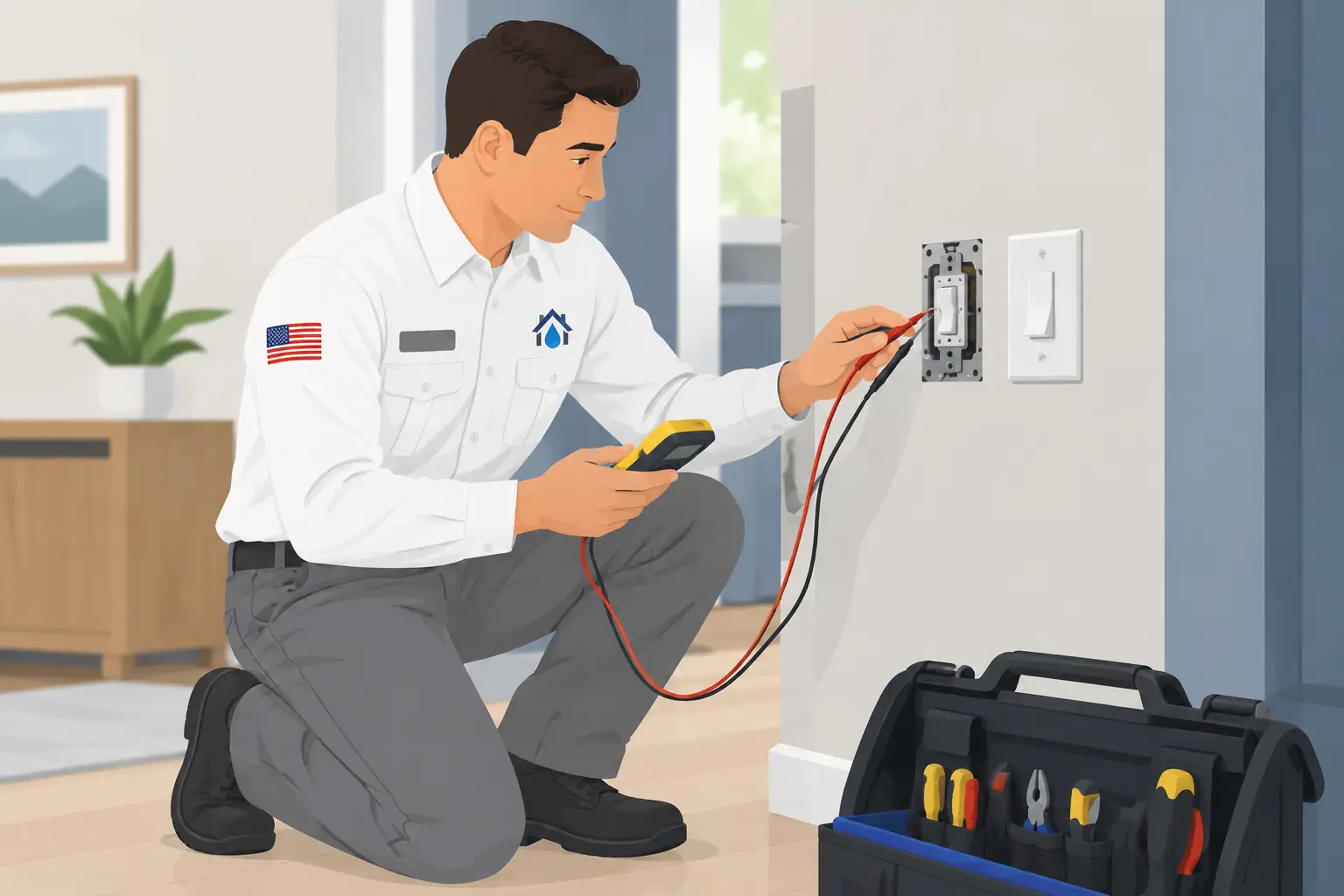
A tripped breaker is obvious. Other overload warning signs are quieter, and they are worth taking seriously. Watch for lights that flicker or dim when an appliance turns on, buzzing from an outlet or panel, discolored outlet covers, a burning odor, warm switches or receptacles, and plugs that fit loosely.
Do not assume a warm outlet is normal because it still works. Electrical components can fail gradually, and heat is a major warning sign. Stop using the affected outlet or appliance if you notice heat, odor, discoloration, smoke, or sparking. Turn off the breaker if you can do so safely, then arrange for a licensed electrician to inspect the issue.
A breaker that will not stay on also needs professional diagnosis. Do not force it, tape it in place, install a larger breaker, or replace it with a different size because the circuit is inconvenient. Breakers are matched to the wire they protect. Installing an oversized breaker can allow the wiring to overheat before the breaker responds.
Give High-Demand Equipment Its Own Circuit
Some equipment should not compete with general outlets. Dedicated circuits are designed for a single major appliance or purpose, which reduces overload risk and supports dependable operation. This is especially common for electric ranges, dryers, garbage disposals, dishwashers, refrigerators, microwaves, laundry equipment, hot tubs, HVAC equipment, EV chargers, and workshop tools.
The right setup depends on the equipment, its electrical requirements, your home’s existing wiring, and the available capacity in the panel. A new dedicated circuit may be a straightforward upgrade in one home and part of a larger panel improvement in another. The important point is that a heavy electrical load should be planned for, not squeezed onto an already busy outlet circuit.
Home offices are another area where demand can build quietly. A computer, multiple monitors, printer, heater, charging station, and other equipment can add up, particularly in a converted bedroom or older home. If a breaker trips when you work, do not keep rearranging plugs and hoping for better results. A properly installed circuit can make the space safer and more useful.
Check Whether Your Electrical Panel Fits Your Home
Circuit overloads sometimes point to a bigger issue: the panel may not have enough capacity for the way your household now uses electricity. Homes change. A garage becomes a workshop, a spare room becomes an office, or a family adds an EV charger, hot tub, or additional cooling equipment. The electrical system should change with it.
Signs that an evaluation may be worthwhile include frequent breaker trips in multiple areas, a crowded panel, reliance on extension cords, an older panel with limited space, or planned upgrades that add significant electrical demand. A panel inspection can identify whether the issue is one overloaded branch circuit, an equipment problem, or a capacity concern affecting the whole home.
This is not a weekend DIY project. Panel work and new circuits require the right calculations, code-compliant materials, safe connections, and proper testing. A professional can also identify issues that are not visible from the front of the panel, such as loose connections, corrosion, damaged conductors, or circuits that were altered incorrectly in the past.
A Safe Response When a Breaker Trips
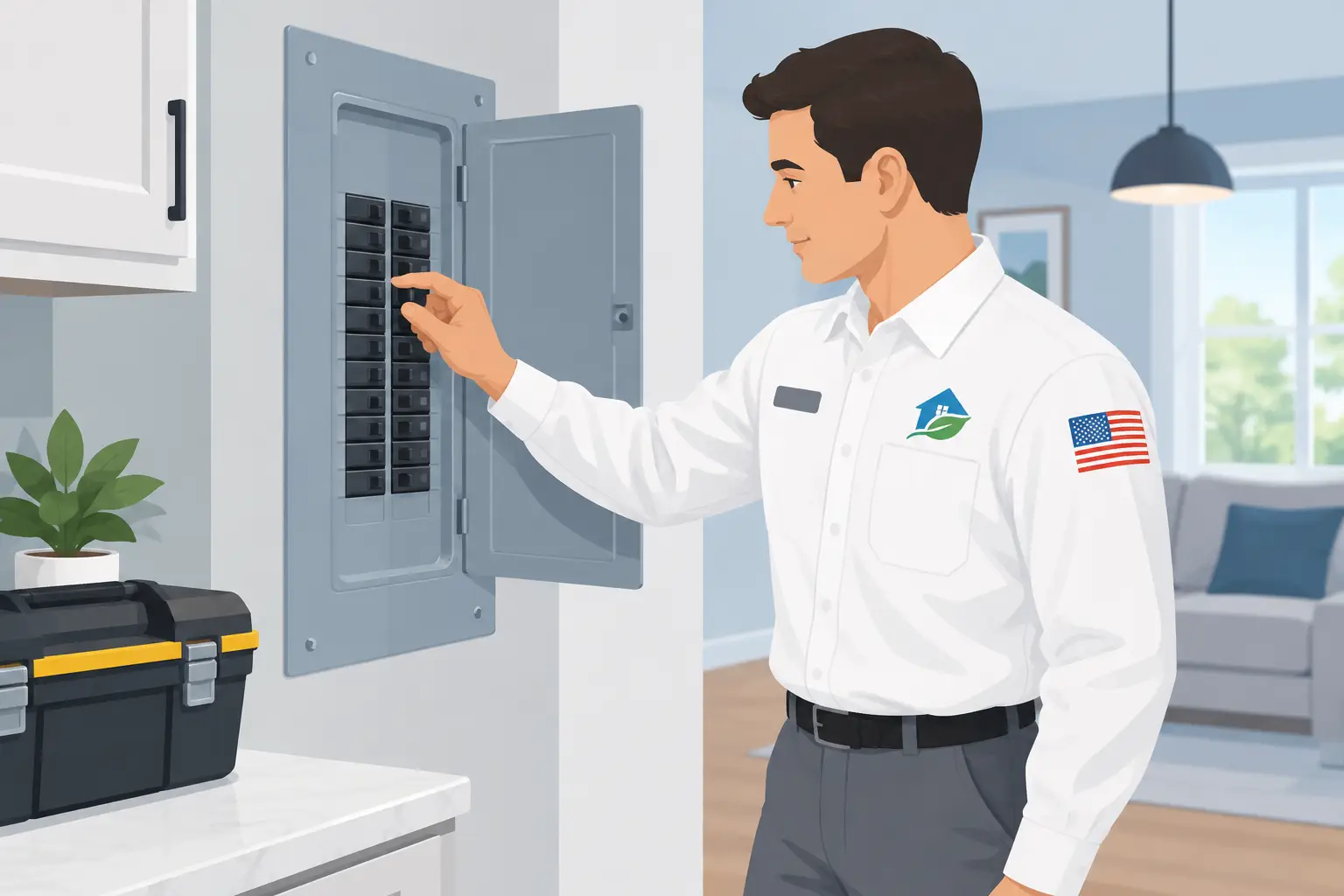
When a breaker trips, begin by turning off or unplugging the devices that were operating on that circuit. Go to the electrical panel and look for a breaker that is in the middle position or clearly marked as tripped. Move it fully to OFF, then back to ON one time.
If it stays on, reconnect devices gradually instead of turning everything back on at once. That approach may show you which appliance or combination of devices is causing the demand. If the breaker trips again, leave it off and schedule a professional inspection.
Move quickly if there is heat, a burning smell, visible damage, smoke, sparking, or a buzzing sound. Keep people away from the area, do not touch damaged equipment, and call for electrical service. If there is an active fire or immediate danger, call emergency services first.
Build Safety Into Your Next Upgrade
The best time to prevent an overload is before a new electrical demand is added. Planning a kitchen refresh, garage workshop, outdoor lighting project, hot tub, sauna, EV charger, or standby generator? Include the electrical assessment at the beginning. It is easier to install the right circuit before walls are closed, equipment is delivered, or a new routine depends on power that the existing system cannot safely provide.
For Southern Utah homeowners, high temperatures can also make electrical planning more practical. Cooling equipment, garage refrigerators, and seasonal outdoor use can raise demand when your home is already working hard. A clear assessment helps avoid nuisance trips during the times you need reliable power most.
Service Right Electric follows a straightforward approach: Call. Diagnose. Fix. Our employee-owned team can identify why a breaker is tripping, explain the condition of your system clearly, and provide upfront options before work begins.
A reliable electrical system should fade into the background of daily life. If yours is regularly interrupting the day, asking for more power than it can safely provide, or showing signs of heat, let a qualified electrician find the cause before a small warning becomes a serious hazard.

0 Comments