A breaker trips for a reason. It is doing its job by cutting power before an overloaded circuit, damaged appliance, or wiring fault can create a larger safety problem. You may be able to reset a tripped breaker safely, but only after taking a moment to identify what happened and rule out warning signs.
For Southern Utah homeowners, a trip may happen when air conditioning is working hard, several kitchen appliances are running at once, or a space heater is sharing a circuit with other equipment. One isolated trip is often manageable. A breaker that trips again, feels hot, or is accompanied by an odor or visible damage needs professional attention.
How to reset a tripped breaker safely
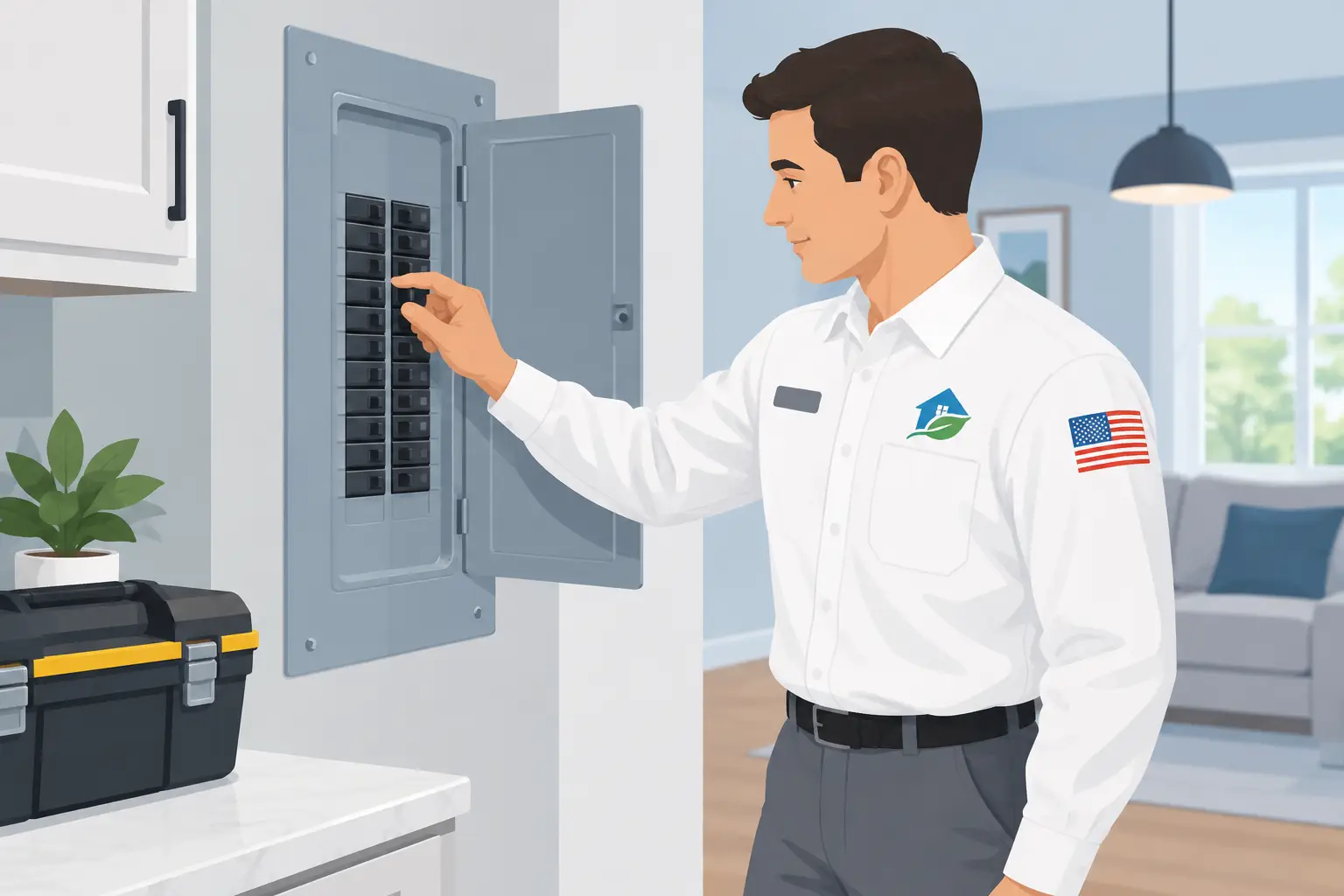
Start by finding your electrical panel. It may be in a garage, utility room, hallway, exterior wall, or closet. Open only the panel door. Do not remove the metal cover or touch wiring inside the panel.
Look for a breaker handle that is sitting between the ON and OFF positions. It may not look fully switched off, so check the labels and compare it with nearby breakers. A tripped breaker is often slightly out of line with the others.
Before resetting it, turn off or unplug the appliances, tools, or devices that were running on that circuit. This step matters. If the circuit was overloaded, removing the demand may prevent an immediate repeat trip. If you do not know what is on the circuit, turn off switches in the affected room and unplug portable items before proceeding.
To reset the breaker, move the handle firmly all the way to OFF first. Then move it firmly back to ON. You should feel it click into place. Do not force a handle that will not move or stay on.
After the breaker resets, turn devices back on one at a time. If the breaker trips when a particular appliance is plugged in or turned on, leave that item disconnected. The appliance, its cord, or the outlet it uses may have a fault.
A successful reset does not always mean the issue is solved. Pay attention to whether power remains steady over the next several hours and whether the breaker trips again under normal use.
Stop and call for help if you notice these signs
Do not reset a breaker if you smell burning, see smoke, notice sparks, or see scorch marks around the panel, outlets, switches, or cords. Keep clear of the affected area and seek qualified electrical help promptly.
You should also leave the breaker off if the panel feels unusually warm, makes buzzing or crackling sounds, has moisture around it, or shows corrosion or physical damage. Water and electricity are a dangerous combination. If flooding, a roof leak, or plumbing leak has reached electrical equipment, do not touch the panel.
A breaker that immediately trips after one reset is another clear stop sign. Repeated resetting can allow a wiring or equipment problem to continue developing. Breakers are safety devices, not switches meant to be turned back on again and again.
Why a breaker trips in the first place
The most common cause is an overloaded circuit. Every circuit has a limit. When too many devices draw power at the same time, the breaker opens to prevent the wiring from overheating. This can happen in kitchens, garages, laundry areas, bedrooms with portable heaters, and older homes where more outlets were added to an existing circuit.
A faulty appliance can also trip a breaker. A worn power cord, failing motor, damaged heating element, or internal short may cause a sudden trip even when the circuit is not heavily loaded. If the same device triggers the problem on more than one outlet, stop using it until it can be inspected or repaired.
Sometimes the problem is in the home itself. Loose connections, damaged wire insulation, a failing outlet, a worn breaker, or wiring affected by pests, moisture, or age can all create conditions that cause a breaker to trip. These are not safe DIY repairs. Diagnosing the source requires testing and a clear understanding of how the circuit is installed.
Ground faults are another possibility, especially in bathrooms, kitchens, garages, outdoor areas, and near pools or hot tubs. These faults occur when electricity takes an unintended path to ground. In many homes, a ground-fault protected outlet may trip instead of, or along with, a breaker. If power is out at one outlet or a small group of outlets, check for a tripped reset button on nearby protected outlets before assuming the panel breaker is the issue.
When one trip is normal and when it is not
A single breaker trip after using several high-demand items can be a useful warning that the circuit is carrying too much. For example, running a microwave, toaster oven, and countertop cooker on the same kitchen circuit may exceed what it is designed to handle. Adjusting how and when those appliances are used may prevent another trip.
But it depends on the circumstances. A dedicated circuit for a major appliance should not routinely trip during normal operation. Nor should a bedroom circuit trip simply because lamps and phone chargers are plugged in. Those situations call for diagnosis rather than workarounds.
Frequent trips can also signal that your home has outgrown its electrical setup. Modern homes often need dedicated circuits for equipment that was not part of the original electrical plan, such as an EV charger, hot tub, sauna, workshop tools, or expanded outdoor lighting. Adding more power demand without properly designed circuits can create ongoing nuisance trips and real safety concerns.
What not to do after a breaker trips
Never replace a breaker with a larger one just to stop it from tripping. Circuit breakers are matched to the wire size and the circuit design. Installing the wrong size can allow wiring to overheat before the breaker responds.
Avoid using extension cords as a long-term answer for rooms that do not have enough outlets. Extension cords are intended for temporary use, and overloaded or damaged cords are a common source of heat and electrical hazards. Power strips should not be daisy-chained or used to run high-demand appliances.
Do not keep resetting the same breaker. One careful reset after unplugging loads may be reasonable when there are no warning signs. Beyond that, repeated tripping needs a professional diagnosis. It is especially urgent if the breaker serves a refrigerator, sump equipment, medical equipment, essential heating or cooling, or a safety device.
Finally, do not remove the electrical panel cover to investigate. Even with the main breaker off, portions of the panel may remain energized. Household electrical diagnostics and repairs belong with a licensed technician who can test the circuit safely and determine whether the issue is an overload, a failed device, or a wiring defect.
What a professional electrical diagnosis can uncover
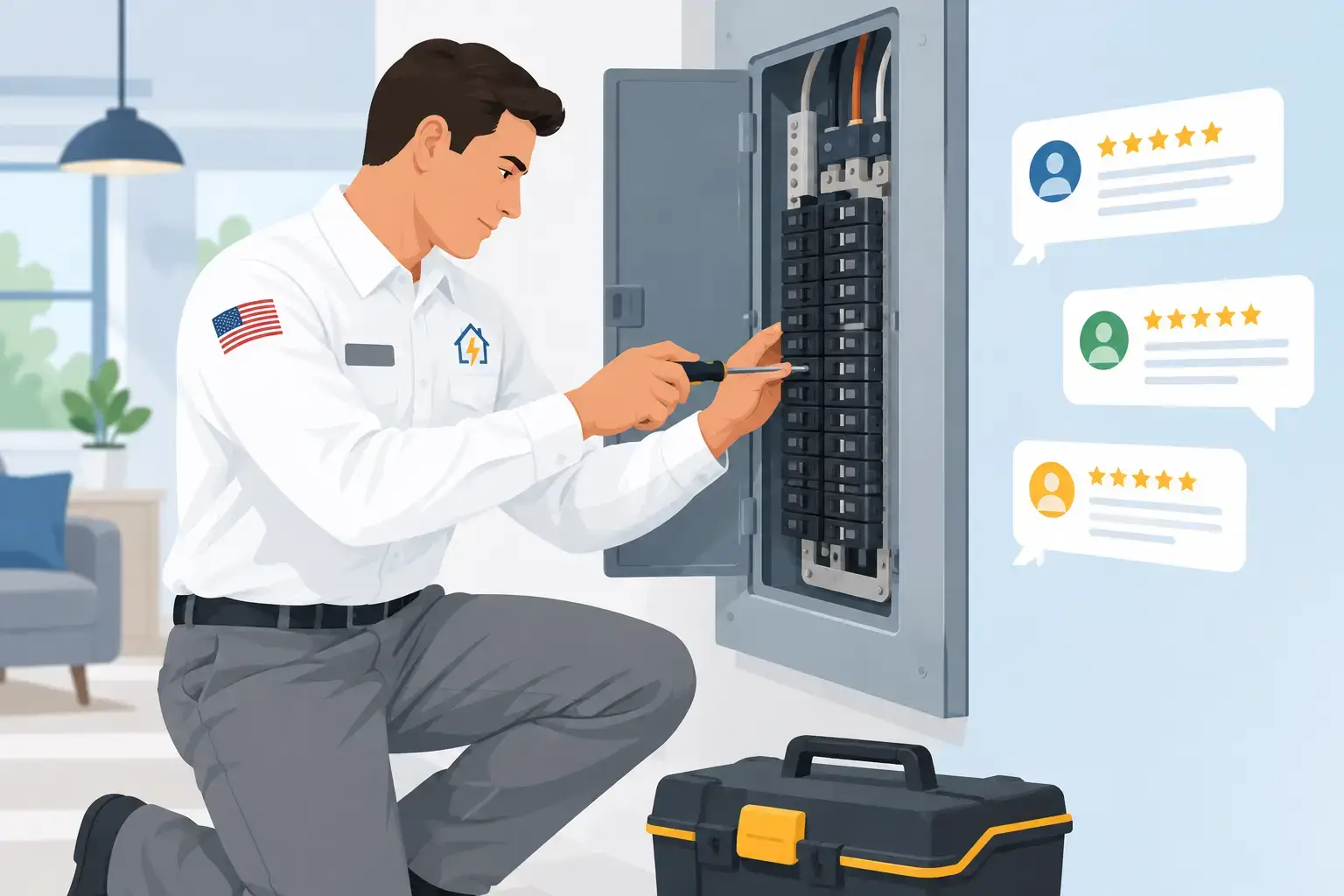
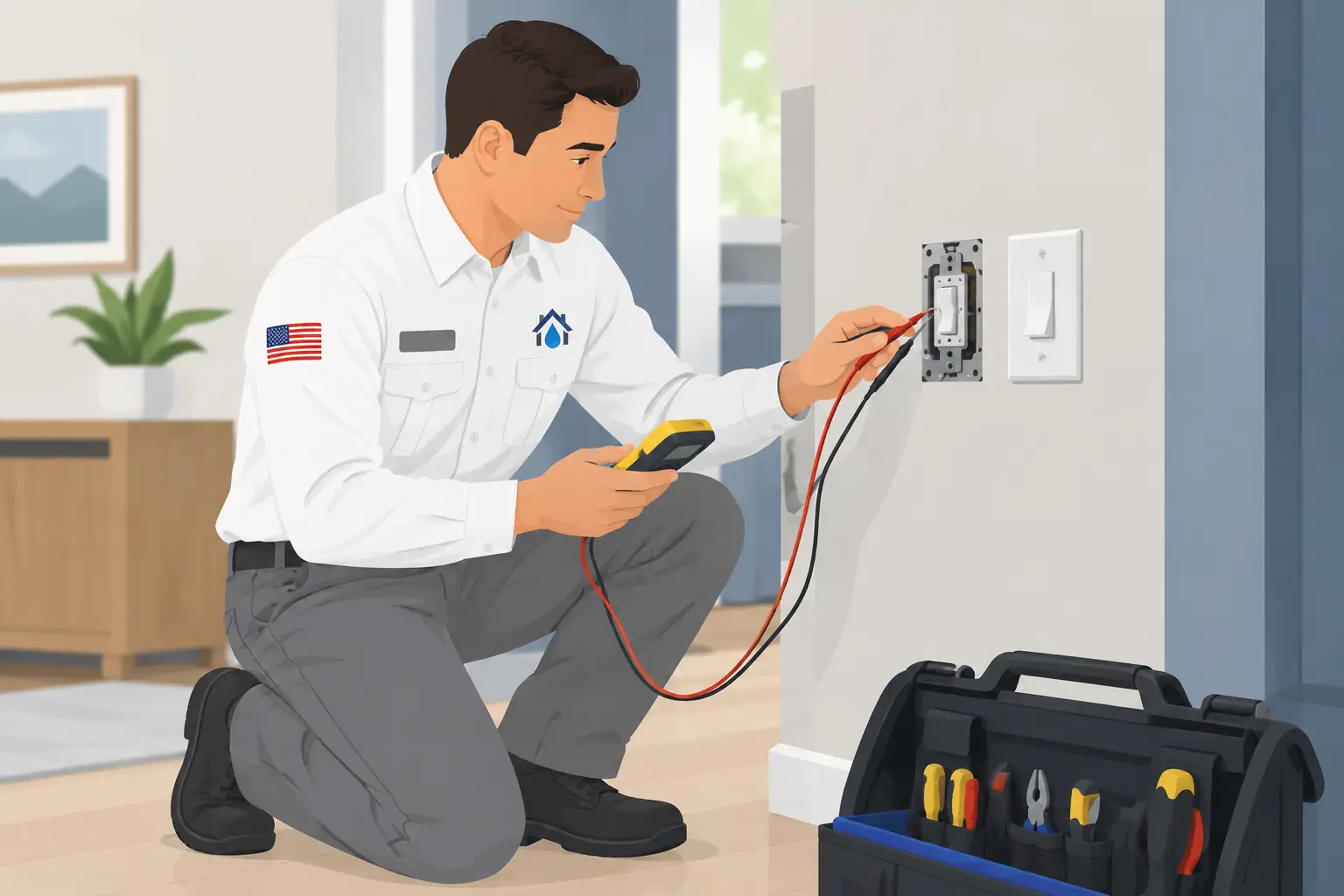
A qualified residential electrician does more than reset a breaker. They can inspect the panel, test the affected circuit, identify excessive electrical load, and check outlets, switches, connections, and equipment for signs of damage. From there, you get a clear explanation of what is causing the trip and what it will take to correct it.
The right fix may be straightforward, such as replacing a damaged outlet or correcting a loose connection. In other cases, it may involve adding a dedicated circuit, replacing a worn breaker, or upgrading part of the electrical system to safely support how your household uses power now.
At Service Right Electric, our employee-owned team follows a simple process: call, diagnose, fix. We provide clear findings and upfront pricing before work begins, so you can make a confident decision without guessing what is happening behind the panel door.
If a breaker has tripped once and stays on after you reduce the load, keep an eye on it. If it trips again, leave it off and have the circuit checked. A little caution now can protect your home, your equipment, and the people who depend on both.


0 Comments