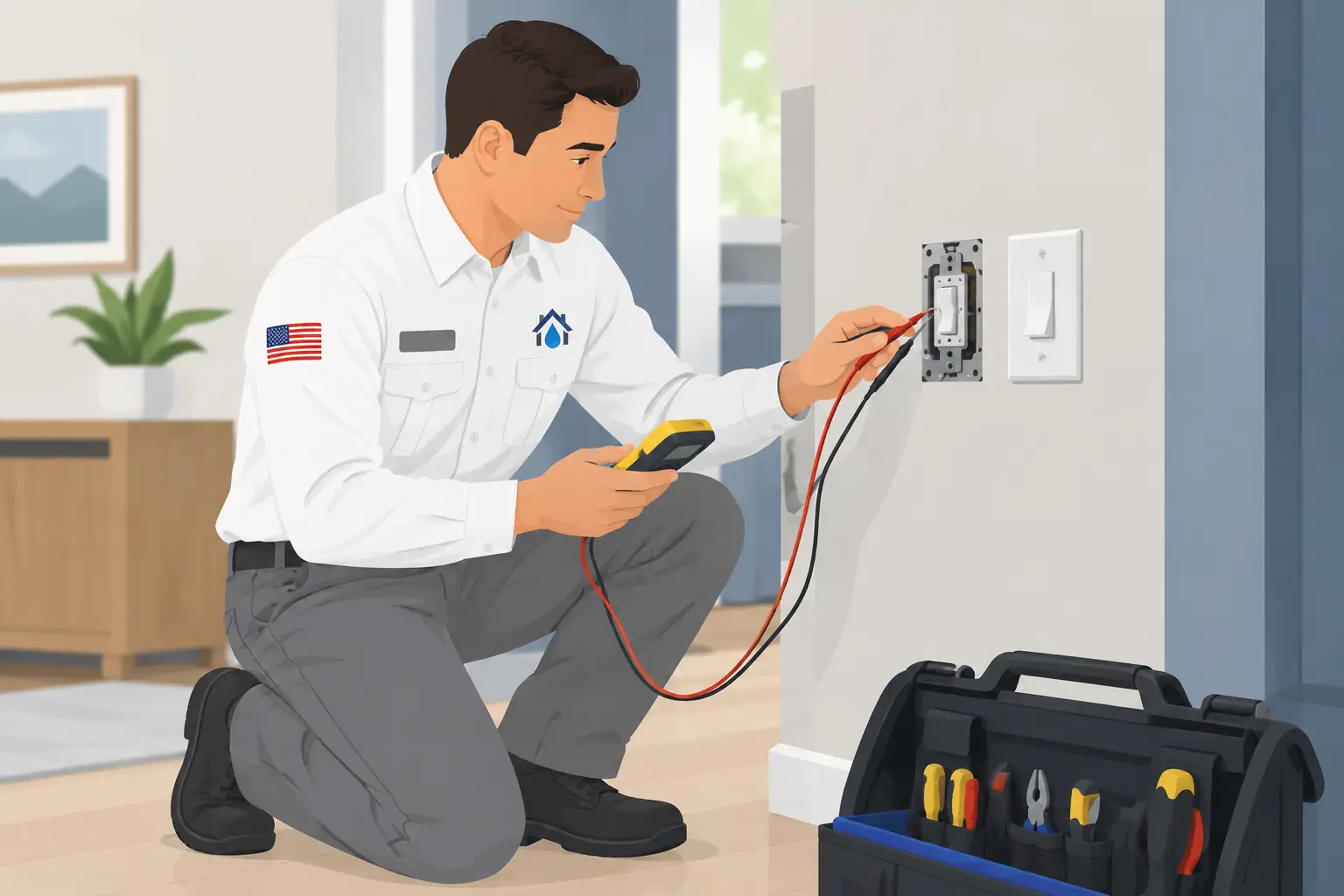
A light switch that suddenly does nothing can be more than an annoyance, especially when it controls a bathroom light, kitchen fixture, outdoor security lighting, or a ceiling fan. Knowing how to troubleshoot dead switches starts with a few safe observations, not with removing a cover plate or reaching into a live electrical box.
A failed switch may be the problem, but it can also point to a tripped breaker, a tripped safety outlet, a loose connection, damaged wiring, or an issue with the light fixture itself. The goal is to narrow down what has lost power while keeping your household safe.
Start by identifying what is actually dead
Before assuming the wall switch has failed, check the device it controls. If it operates a light, try a new bulb that you know works. If it controls a plugged-in lamp, test the lamp in another working outlet. For a ceiling fan, see whether the fan or its built-in light responds to a pull chain or remote control.
This simple step matters because a working switch cannot overcome a burned-out bulb, failed LED driver, bad fixture socket, or malfunctioning fan component. It also gives a technician useful clues if a professional visit is needed.
Next, check whether the problem is limited to one switch or affects several lights, outlets, or rooms. One dead switch with everything else operating normally may have a localized issue. A group of dead devices often points to a circuit problem upstream.
Look for a switched outlet
Some switches control only part of a wall outlet rather than an overhead light. This is common in bedrooms and living rooms, particularly in older homes. Plug a lamp or phone charger into both halves of nearby outlets and flip the switch again.
If one half of the outlet works and the other does not, the switch may be doing its job. If neither half has power, the issue could be the outlet, the switch, a loose connection, or the circuit supplying that area.
Check the electrical panel safely
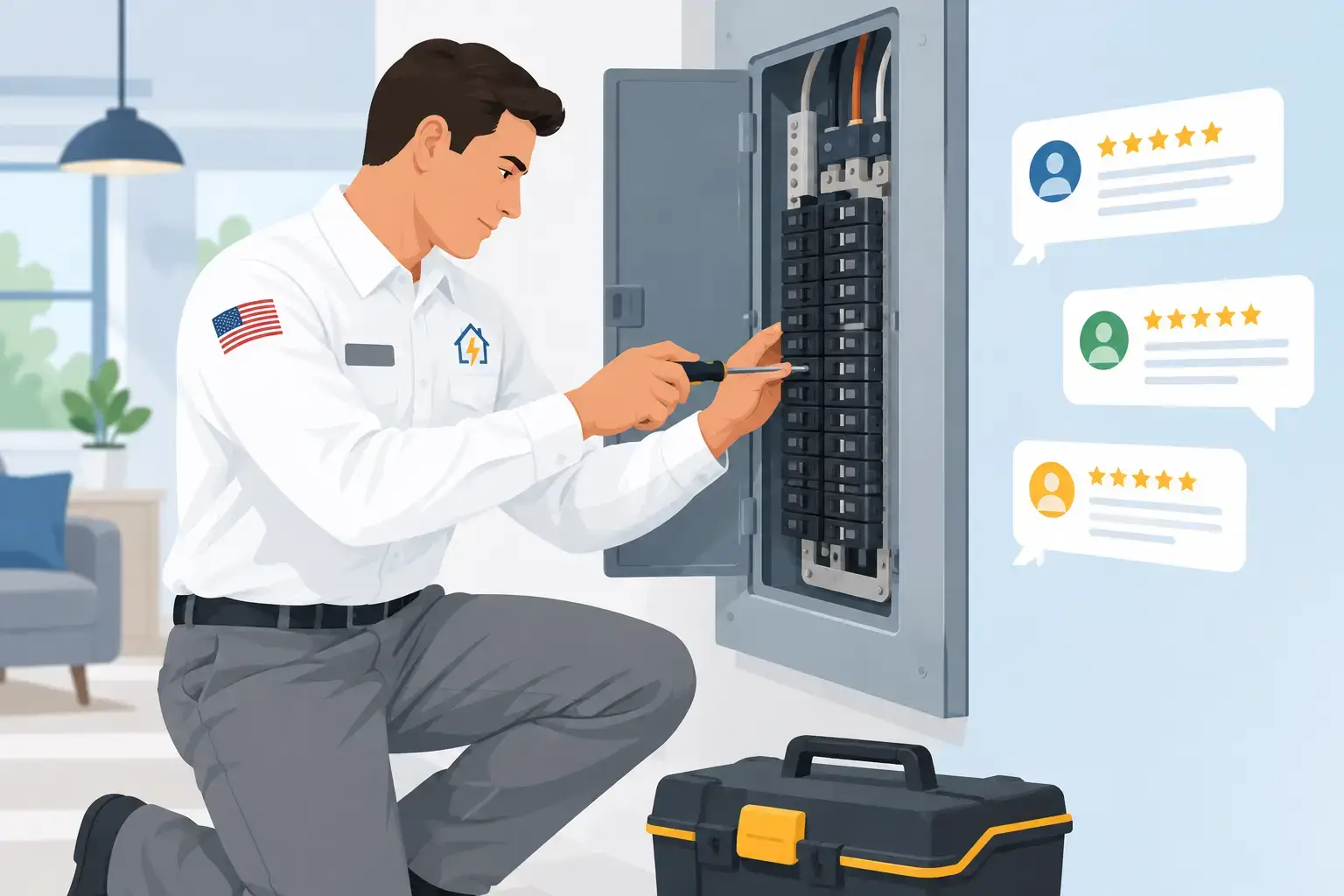
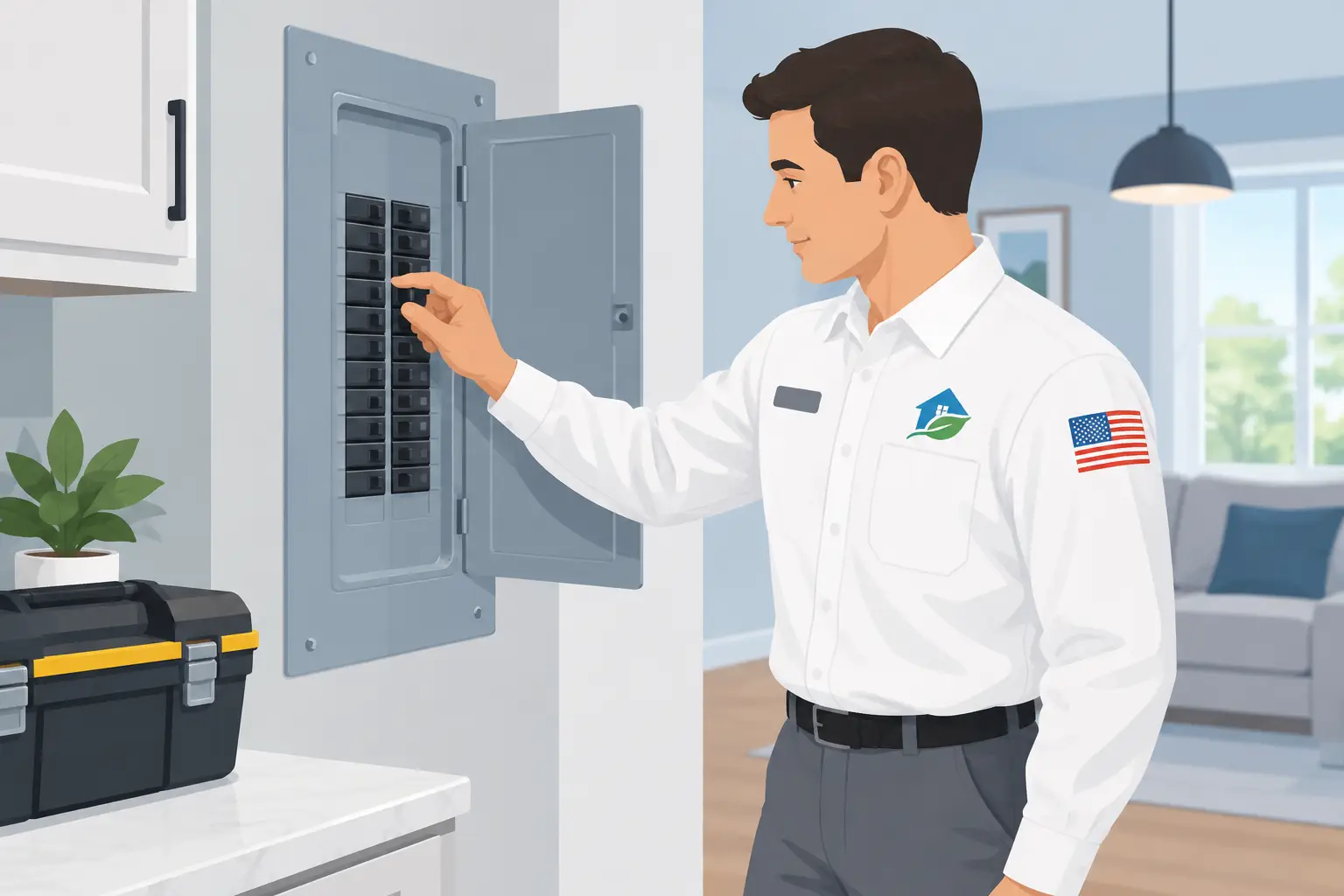
A tripped breaker is one of the most common explanations for a dead switch. Go to your main electrical panel and look for a breaker that is in the middle position or appears out of line with the others. A breaker can trip without looking obviously off, so inspect carefully.
To reset a tripped breaker, move it firmly all the way to the OFF position first, then back to ON. Do this once. If the breaker immediately trips again, stays on but the switch remains dead, or feels hot, do not keep resetting it. Repeated trips are a warning that the circuit may have an overload, a damaged appliance, a wiring fault, or another condition that needs diagnosis.
A breaker that trips after you turn on a particular switch is especially useful information. Leave that switch off, keep the breaker off if it will not remain set, and arrange for a licensed electrician to inspect the circuit.
Check for a tripped safety outlet
Ground-fault circuit interrupter outlets, often found in bathrooms, kitchens, garages, laundry rooms, exterior locations, and near wet areas, can affect more than one device. A tripped safety outlet may shut off downstream outlets, lights, and sometimes switches.
Look for outlets with TEST and RESET buttons. Press RESET firmly on any safety outlet near the affected area, including ones in adjacent rooms or the garage. A bathroom switch may be protected by a device located in another bathroom, for example.
If the reset button will not stay in, the outlet has no incoming power, or it trips again, stop there. That outlet may be doing its job by responding to a fault. It needs a proper electrical diagnosis rather than a forced reset.
Notice the warning signs before touching anything
A dead switch is not always an emergency, but certain symptoms deserve immediate attention. Turn off the breaker to the affected circuit if you can do so safely, avoid using the switch, and call for professional help if you notice any of the following:
- A burning smell, smoke, buzzing, crackling, or popping sound
- A switch plate that feels warm or hot
- Brown marks, melted plastic, discoloration, or sparks
- Flickering lights before the switch stopped working
- A breaker that trips repeatedly or will not reset
These signs can indicate arcing or a failing connection. Loose electrical connections create heat, and heat can damage wires, devices, and surrounding materials. This is not a weekend DIY project.
Why a switch can stop working
Switches wear out. Each time a switch is used, internal contacts open and close. Over years of use, those contacts can deteriorate, particularly on heavily used switches or switches controlling larger lighting loads.
But the switch itself is only one possibility. A loose wire in the switch box, light fixture box, outlet, or another junction point can interrupt power. Older wiring, damage from past work, moisture intrusion around outdoor circuits, and overloaded circuits can also contribute.
Modern lighting can complicate the picture. Some dimmers are not compatible with certain LED bulbs or fixtures, and a failed dimmer may leave lights unresponsive. A smart switch can also stop working because of a failed device, incorrect wiring, or a missing neutral connection. The right repair depends on the cause, which is why replacing the visible switch without testing the circuit can create a bigger problem.
When homeowners should stop troubleshooting
It is reasonable to replace a bulb, check a breaker once, and reset a tripped safety outlet once. Beyond those steps, electrical troubleshooting requires the right equipment, training, and an understanding of how circuits are connected.
Do not remove a switch cover, pull a switch from the wall, or probe wires if you are not qualified to do that work. Turning off a breaker does not always guarantee every wire in a box is de-energized. Multi-wire circuits, mislabeled panels, shared neutrals, and wiring mistakes from previous work can create unexpected hazards.
You should also skip DIY repairs if your home has aluminum wiring, older electrical components, signs of water damage, a frequently tripping breaker, or multiple dead switches and outlets. Those conditions call for a broader inspection, not a quick part swap.
What a professional diagnosis should cover
A licensed residential electrician should begin by confirming where power stops and whether the affected circuit is safe to energize. That process may include checking the panel, breaker, switch, fixture, outlets, connections, and circuit continuity. The goal is not simply to get the light back on. It is to find the reason it stopped working.
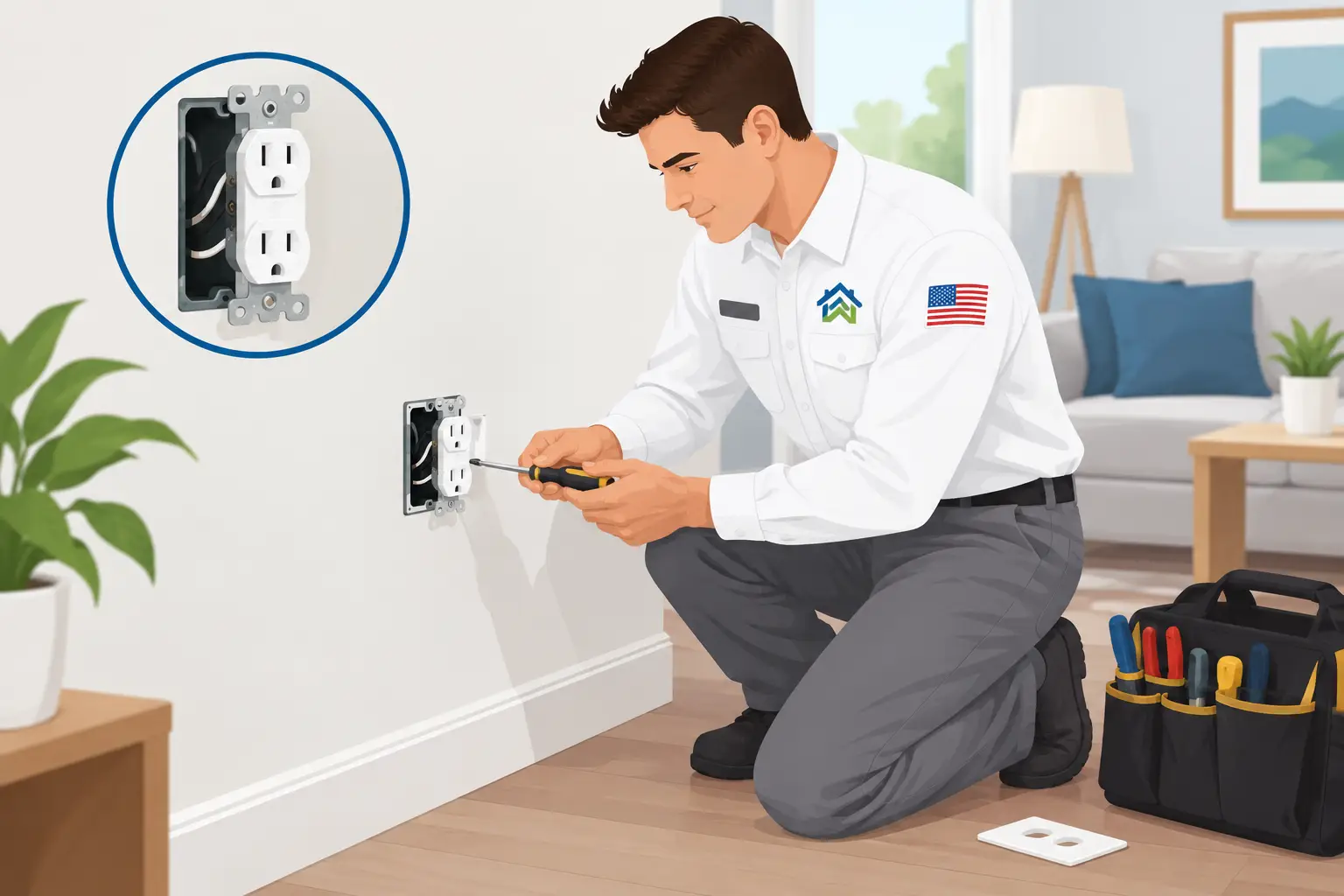
Sometimes the repair is straightforward: replace a failed switch, tighten a properly identified connection, repair a fixture issue, or reset a protective device after addressing the cause. Other times, the electrician may find a damaged wire, overloaded circuit, aging component, or installation that does not meet current safety requirements.
A clear diagnosis lets you make an informed decision before repairs begin. For Southern Utah homeowners, heat, outdoor exposure, remodeling, and growing electrical demands from lighting, appliances, and home upgrades can all affect how a circuit performs over time.
Keep the next electrical problem from becoming urgent
Pay attention to small changes. A switch that crackles, a light that flickers only when another appliance runs, or an outlet that works intermittently is worth addressing early. Electrical problems rarely become safer by waiting.
Avoid overloading extension cords or power strips, use the correct bulbs and compatible dimmers, and have new high-demand equipment placed on properly designed circuits. If you are updating lighting, adding a ceiling fan, finishing a room, or installing new outdoor features, make sure the existing electrical system is evaluated as part of the project.
When a switch goes dead, the safest next move is often simple: leave questionable equipment off, note what else on the circuit is affected, and have the cause checked by a qualified professional. Service Right Electric follows a straightforward approach for local homeowners: call, diagnose, fix. That means clear communication, safety-focused work, and a repair that addresses the problem behind the dead switch.


0 Comments