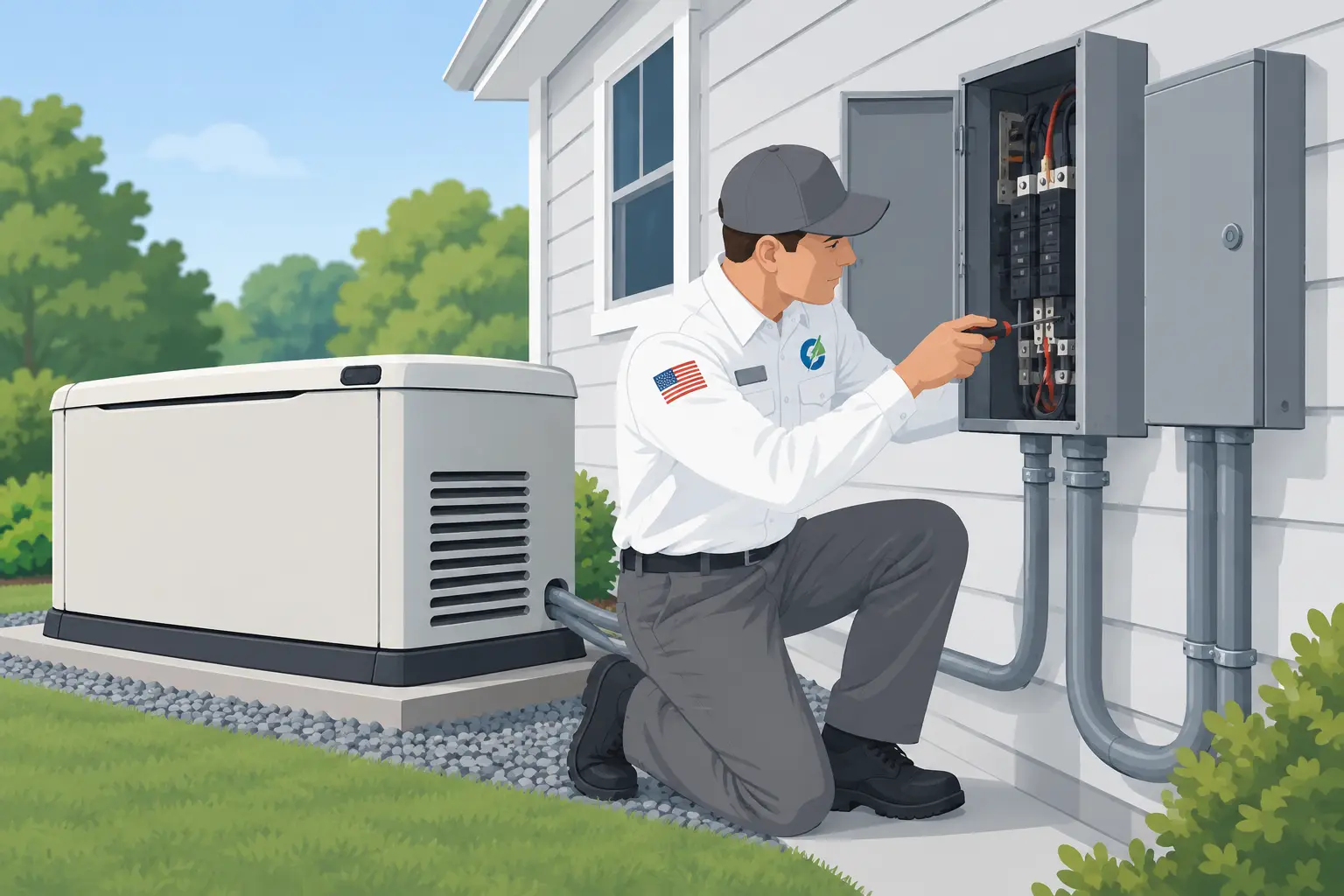
A generator can keep lights on, protect refrigerated food, and make an outage far less disruptive. But the generator itself is only part of the plan. Generator transfer switches are the safety device that lets your home use backup power without sending electricity where it does not belong.
For Southern Utah homeowners, that matters when storms, vehicle damage, equipment failures, or other utility interruptions leave a home without power. A professionally installed transfer switch gives you a clear, controlled way to run selected household circuits or the home’s electrical system from a properly sized generator. It is not a weekend DIY project, and it is not a place to cut corners.
What Generator Transfer Switches Do
A transfer switch safely changes your home’s power source. Under normal conditions, your electrical panel receives power from the utility. During an outage, the switch disconnects the utility supply before connecting the generator supply. When utility power returns, the switch moves the home back to normal power.
That separation prevents backfeeding. Backfeeding happens when generator electricity travels out through your home’s wiring and into utility lines. It can seriously endanger utility crews working to restore service, damage electrical equipment, and create a fire or shock hazard at the home.
A transfer switch also makes backup power practical. Instead of running extension cords across rooms to power a few appliances, a correctly designed installation can supply the circuits that matter most. That may include refrigeration, a garage door opener, key lighting, internet equipment, select outlets, a furnace blower, or medically necessary equipment. The right priorities differ from one household to the next.
Manual vs. Automatic Generator Transfer Switches
The best setup depends on the type of generator you have, how much of the home you need to power, and how hands-on you want the process to be during an outage.
Manual transfer switches
A manual transfer switch requires someone at home to start the generator and move the switch from utility power to generator power. This arrangement is often a good fit for homeowners who use a portable generator and want dependable power for a defined group of critical circuits.
Manual systems involve a little more work, but they give homeowners clear control over what happens during an outage. They can also be a sensible choice when outages are occasional and whole-home power is not necessary. The key is knowing exactly which circuits the generator can support and avoiding the temptation to run more than the generator was designed to handle.
Automatic transfer switches
An automatic transfer switch is commonly paired with a permanently installed standby generator. When the utility power fails, the system detects the outage, starts the generator, and transfers the home to backup power automatically. Once utility service is stable again, it transfers the home back and shuts the generator down according to its programming.
This is especially valuable for homeowners who travel often, have mobility limitations, rely on medical devices, or simply do not want to manage a generator in the middle of the night. Automatic systems can support selected essential circuits or, with the right equipment and electrical capacity, much more of the home.
Automatic does not mean unlimited power. Large loads such as air conditioning, electric ranges, water heaters, dryers, hot tubs, and EV chargers can quickly exceed a generator’s capacity. A licensed electrician should evaluate the home’s actual load needs before recommending a system.
Choose What Needs Power Before Choosing Equipment
The most useful backup-power plan starts with a simple question: What must keep working when the grid goes down?
Some households need refrigeration, lighting, phone charging, and a few outlets. Others need reliable operation for a well pump, security equipment, remote work, climate control, or essential medical equipment. A larger system may make sense, but more capacity is not automatically better if it adds complexity without serving a real need.
Your electrician will consider the electrical demands of the circuits you want to run, the generator’s output, your existing panel, and the way loads start and operate. Motors and compressors, for example, can require more power at startup than they use while running. That is why a setup that looks adequate on paper may still need careful load planning in the field.
It also helps to think about your household during an outage. If your family is comfortable managing a few priority circuits, a manual setup may be right. If the home needs to stay powered while no one is there to intervene, an automatic transfer switch may be the better long-term solution.
Why Proper Installation Matters
A transfer switch connects directly to one of the most critical parts of your electrical system. It must be sized correctly, installed with approved equipment, integrated with the panel safely, and configured so utility and generator power cannot connect at the same time.
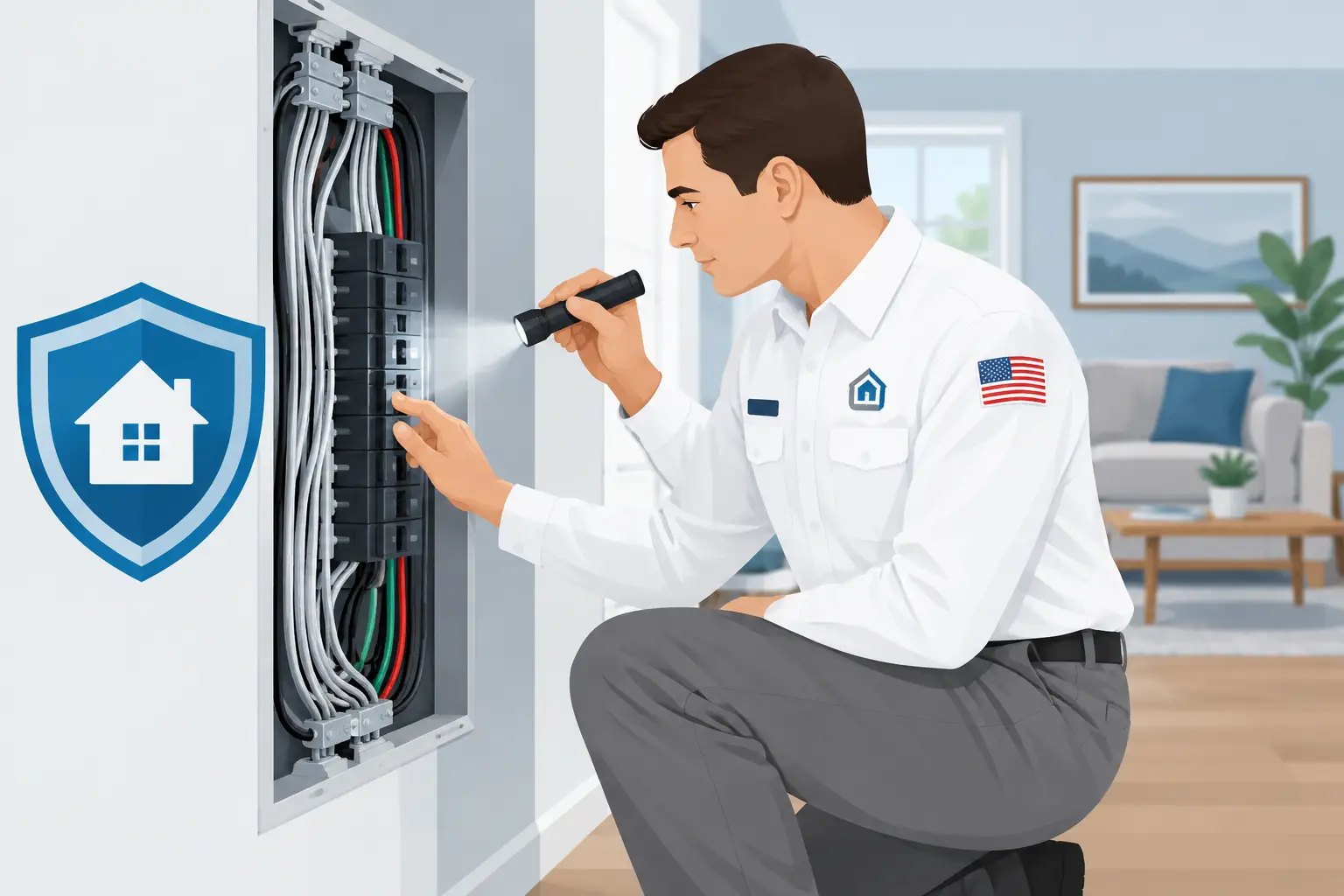
This work may also reveal issues that deserve attention before a generator is installed. An older panel, overloaded circuits, outdated wiring, insufficient capacity, or damaged components can affect the safety and performance of a backup-power system. Addressing those concerns first helps prevent a new generator installation from exposing an existing electrical weakness.
A trained residential electrician can also help determine the best location for the equipment and generator connection. Access, weather exposure, ventilation, clearance requirements, fuel source considerations for standby units, and ease of operation all matter. Portable generators must always operate outdoors, far from doors, windows, garages, and vents. Carbon monoxide can enter a home quickly and without warning.
Never connect a generator by plugging it into a household outlet. This dangerous shortcut is a common source of backfeeding and can overload wiring that was never meant to carry generator power in that direction. If you already have a generator but no transfer switch, keep using extension cords outdoors and only as directed by the generator manufacturer until a qualified electrician can assess a permanent connection option.
Signs It Is Time to Plan a Backup-Power Upgrade
You do not have to wait for the next outage to think about generator readiness. A planned installation gives you time to make good decisions instead of rushing through a stressful situation.
Consider scheduling an electrical assessment if you have experienced repeated outages, recently moved into a home with an existing generator connection, added major electrical loads, or are preparing for an EV charger, hot tub, workshop equipment, or other upgrades. Those projects can change the available capacity in your panel and affect how a generator should be designed.
It is also worth having an electrician inspect any transfer switch that appears damaged, is difficult to operate, shows corrosion, produces unusual heat or odor, or has not been used or maintained for years. Do not force a switch or remove panel covers to investigate. Turn off the generator if it is safe to do so, keep people away from the equipment, and call for professional help.
A Clear Path to Safer Backup Power
At Service Right Electric, our employee-owned team helps Southern Utah homeowners build backup-power systems around real household needs. The process is straightforward: call, diagnose, fix. A licensed technician can evaluate your panel and generator plans, explain the available options in plain language, and provide upfront pricing before work begins.
The goal is not to sell the biggest system. It is to create a safe, code-compliant setup that makes sense for your home, the circuits you depend on, and the way you want an outage to feel. Whether you need a manual connection for essential loads or an automatic system for dependable standby power, the right transfer switch turns a generator from a temporary workaround into a safer home solution.
When the power goes out, your family should not have to guess what to do next. Plan the connection now, keep the generator outdoors when it runs, and let qualified electrical work carry the load when you need it most.


0 Comments