
A good upfront estimate experience should lower your stress, not add to it. When a breaker keeps tripping, an outlet feels warm, or you are planning an EV charger or hot tub, you need more than a vague promise to “take a look.” You need a qualified electrician to identify what is happening, explain the safe path forward, and tell you what the work will involve before repairs begin.
For Southern Utah homeowners, that clarity matters. Electrical problems can affect safety, comfort, and the parts of your home you rely on every day. Clear communication gives you room to make a confident decision without feeling rushed or surprised.
What an Upfront Estimate Experience Should Include
An estimate is most useful after the electrician has had a chance to diagnose the actual condition of the system. A tripped breaker may be caused by an overloaded circuit, a failing appliance, loose wiring, a damaged receptacle, or an issue inside the panel. Those situations can look similar from across the room, but they do not call for the same repair.
That is why a trustworthy service visit starts with questions and inspection. Your electrician should ask what you have noticed, when the issue started, whether it is getting worse, and what is connected to the affected circuit. They should then inspect the relevant equipment and test where appropriate. The goal is to address the cause, not simply reset a breaker or replace a visible part and hope the issue stays away.
Once the problem is identified, the estimate should clearly describe the recommended work. Plain language matters here. You should understand what needs to be repaired, replaced, installed, or upgraded, and why that recommendation supports a safer, more reliable home.
For planned projects, the same principle applies. Installing new lighting, adding a dedicated circuit, wiring a spa, or preparing for an electric vehicle may require a closer look at your existing panel capacity, wiring route, and the power demands already in the home. A responsible estimate is based on your house, not a one-size-fits-all assumption.
Diagnosis Comes Before a Meaningful Price
Homeowners sometimes ask why an electrician cannot provide a final figure over the phone. In some cases, a general expectation may be possible. But a firm estimate without seeing the condition of the wiring, panel, connections, and access can create the very uncertainty homeowners are trying to avoid.
Electrical systems are largely hidden behind walls, ceilings, and panel covers. A home may have older wiring methods, previous alterations, moisture damage, crowded junction boxes, or circuits that were extended over time without enough capacity. A technician cannot responsibly confirm the scope until they inspect the work area.
That does not mean the process should feel open-ended. It means the diagnosis needs to come first. After the inspection, you deserve a clear explanation of the recommended repair or installation and the opportunity to approve it before work moves forward.
There are times when the scope can change after work begins. Hidden damage, inaccessible wiring, or conditions that only become visible once a component is safely opened may require additional work. If that happens, the right approach is to stop, explain what was found, discuss the available options, and get approval for the updated scope. No homeowner should be left wondering why the plan changed.
Clear Options Are Better Than Pressure
Not every electrical concern has only one possible path. If a panel is full, for example, the right solution may depend on the panel’s condition, the circuits already installed, and the power needs of the upgrade you want to make. A new dedicated circuit may be straightforward in one home and require a broader upgrade in another.
A helpful electrician explains the practical trade-offs. One option may address the immediate problem. Another may improve capacity for future additions such as a generator, EV charger, workshop equipment, or outdoor living upgrades. The best choice depends on your priorities, your home’s current condition, and what you want it to do in the years ahead.
You should never feel pressured to choose the biggest project just because it is presented first. At the same time, it is worth hearing when a smaller repair would only postpone a known safety or capacity issue. Good advice is direct about both the benefits and the limits of each option.
Questions You Should Feel Comfortable Asking
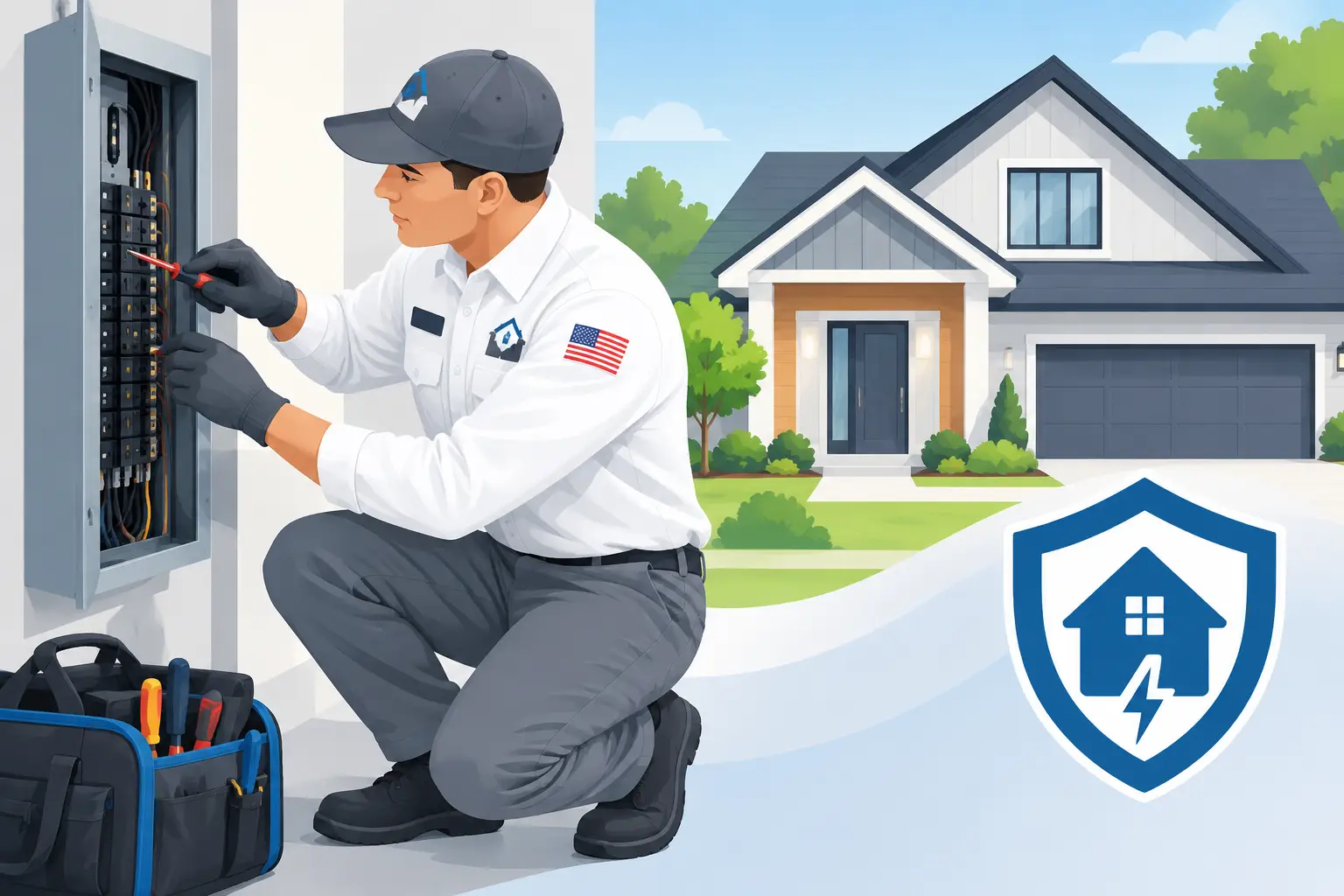
An upfront estimate is a conversation, not a form pushed across the table. Ask what caused the issue, what the recommended work will correct, and whether there are any conditions that could affect the final scope. If the work involves your panel, new circuits, or wiring inside walls, ask how the electrician will protect the area and what to expect during the visit.
It is also reasonable to ask whether the work is intended as a repair, a safety correction, or an upgrade for added convenience and capacity. Those distinctions help you decide what needs attention now and what can be planned for later.
For a larger project, ask about the placement of equipment, the expected power needs, and how the installation will fit the way your household uses the space. A dedicated circuit for an EV charger, for example, should be designed around the charging equipment, panel capacity, and safe wiring route, not just the nearest available wall.
The answers should make sense without requiring you to be an electrician. Technical terms have their place, but clear explanations build confidence. If you do not understand a recommendation, ask for it in simpler language. A professional should be glad to explain.
Why Upfront Pricing Supports Safer Decisions
Clear pricing is not only about avoiding surprise charges. It also helps homeowners make better safety decisions. When the scope and cost are explained before work begins, you can compare the immediate risk, the long-term benefit, and the value of completing the job correctly.
That is especially important with warning signs such as frequent breaker trips, burning odors, buzzing, hot outlets or switches, flickering lights, or visible damage near electrical equipment. These are not weekend DIY projects. Turning off power to the affected area and calling a qualified electrician is the safer move.
A low-cost shortcut can become expensive when it leaves an underlying problem in place. Loose connections can overheat. Improperly sized circuits can overload. Unprotected outdoor wiring can fail in weather. The goal is not simply to restore power for the moment. It is to restore it safely and in a way that supports dependable operation.
What a Respectful Service Visit Feels Like
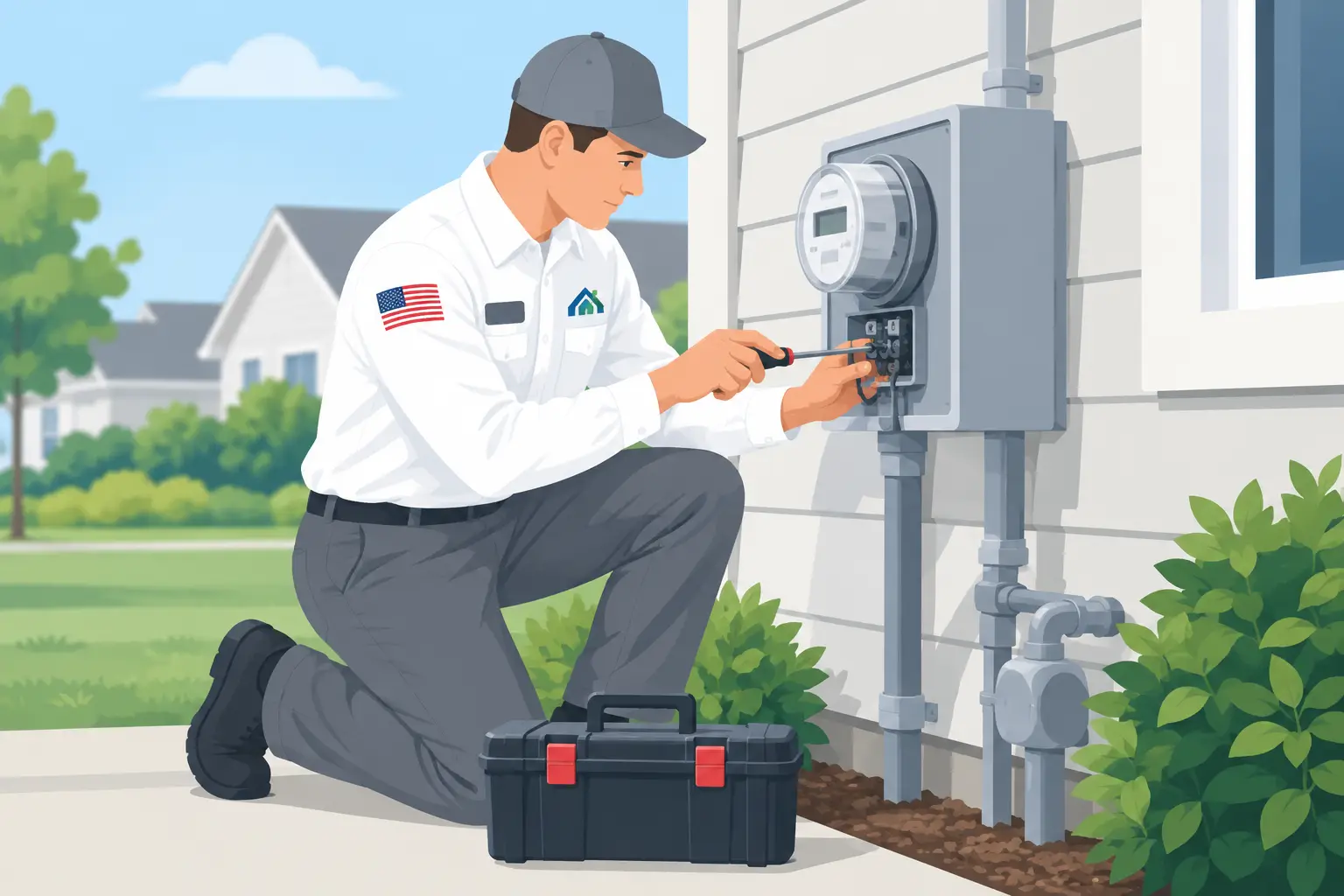
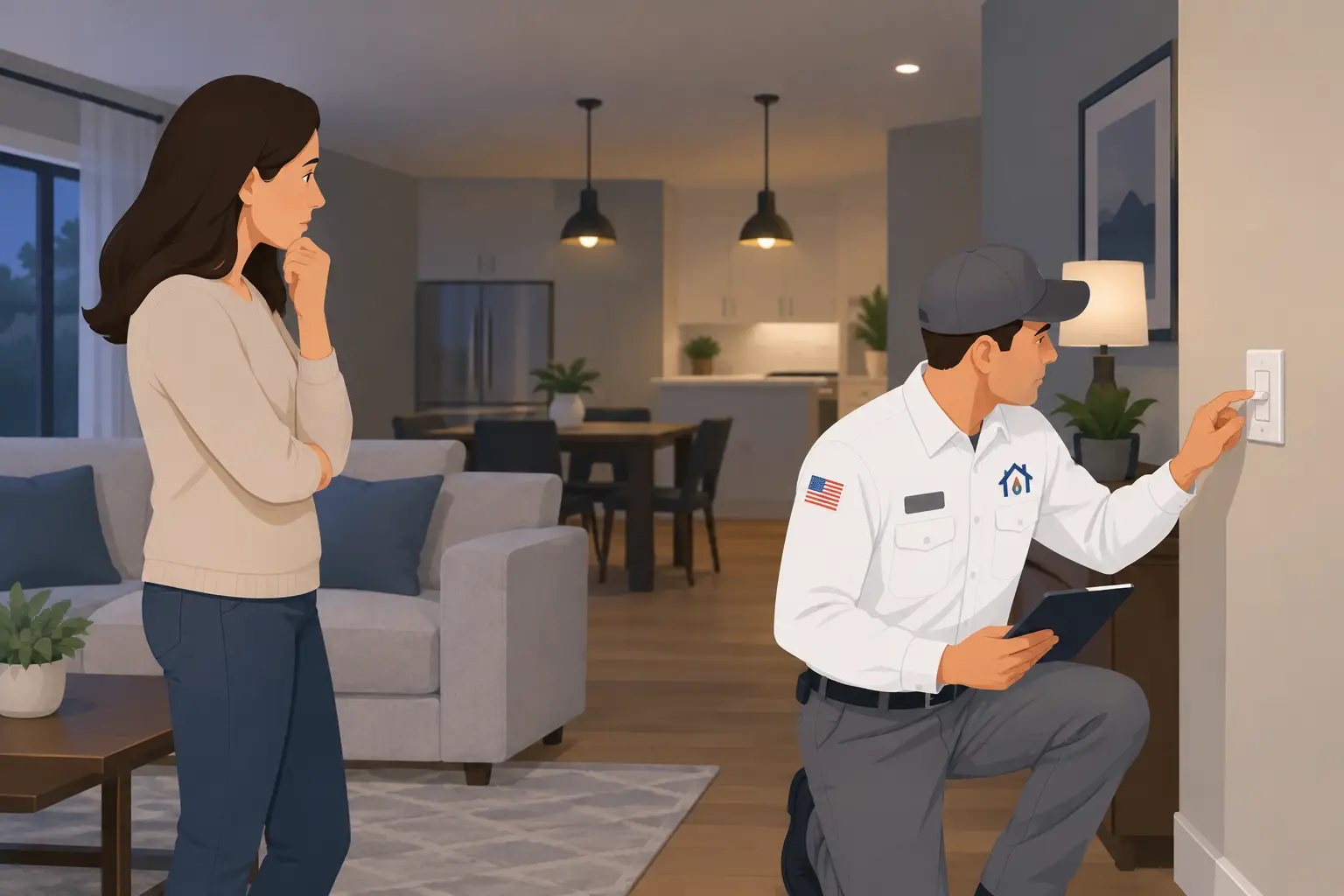
The best service experiences are straightforward. You call with a concern or project in mind. A trained technician arrives, listens, diagnoses the issue, and explains the findings. You receive a clear estimate before the approved work begins. Then the repair or installation is completed with attention to safety, workmanship, and a clean work area.
That simple process matters whether you have an urgent outlet problem or are planning new lighting for a remodel. It keeps you informed without asking you to manage technical details that belong in the hands of a professional.
At Service Right Electric, that is the standard we aim for: call, diagnose, fix. As employee-owners and local neighbors, we know trust is earned in the small moments, including how clearly we explain the work before we begin.
If something electrical in your home does not feel right, do not wait for it to become more disruptive or more dangerous. Get a clear diagnosis, ask the questions that matter to you, and choose a repair plan you understand before the work starts.


0 Comments