A home can have perfectly normal-looking outlets and lights while an aging wiring system hides a real safety concern behind the walls. The question of copper versus aluminum house wiring matters most in older homes, where the wire material, its connections, and later alterations can all affect how safely power moves through the house.
Copper and aluminum are both used in residential electrical systems. Neither material is automatically a problem. What matters is where it is installed, how it was sized, whether its connections are rated for that material, and whether the system has been properly maintained or modified over the years.
For homeowners, this is not a weekend DIY project. If you suspect aluminum wiring, see signs of overheating, or are planning an electrical upgrade, a licensed electrician should inspect the system and explain the condition of your options clearly.
Copper versus aluminum house wiring: the key difference
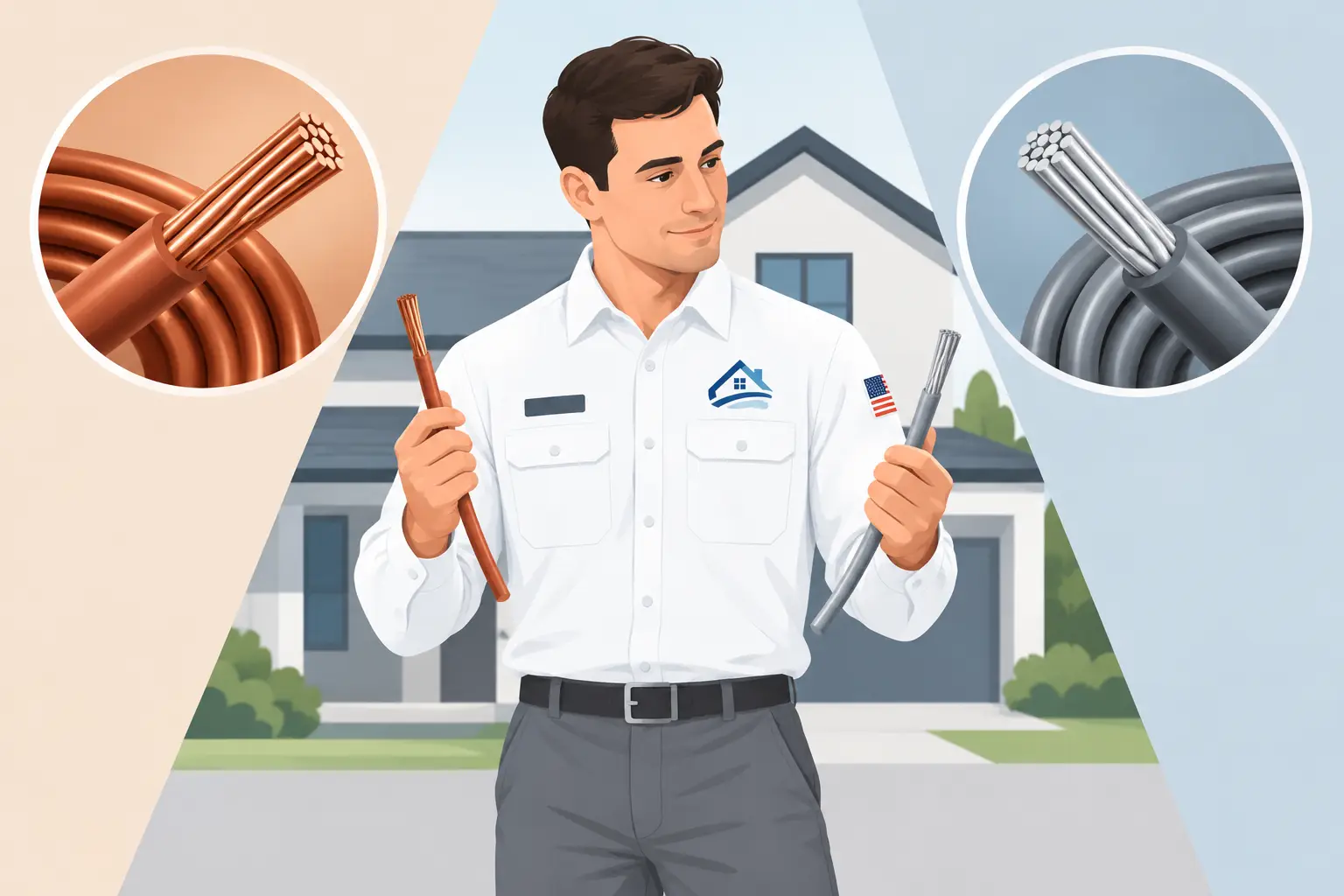
Copper is generally the preferred conductor for most interior branch circuits in modern homes. It conducts electricity efficiently, holds up well at connection points, and is less likely to loosen from the normal heating and cooling cycles that occur when electrical loads turn on and off.
Aluminum is lighter and less expensive than copper, so it has long been useful for certain electrical applications. Large aluminum conductors are still commonly and safely used for service entrance cables, feeders, and other high-capacity installations when they are properly sized and terminated with equipment listed for aluminum conductors.
The concern usually involves older, smaller-gauge aluminum branch-circuit wiring installed in some homes during the late 1960s and 1970s. These are the wires that supply ordinary outlets, switches, and lighting circuits. Older aluminum branch wiring can require closer attention because aluminum behaves differently at its connection points than copper does.
Aluminum expands and contracts more as it heats and cools. It can also oxidize at exposed connections. If the wrong device was installed, a connection was not made correctly, or a previous repair was poorly completed, resistance can build up. Resistance creates heat, and heat at an outlet, switch, splice, or panel connection is a fire risk.
Why older aluminum wiring needs a professional inspection
Having aluminum branch wiring does not automatically mean you need a full-house rewire. Plenty of homes have aluminum wiring that can be evaluated and addressed safely. But it does mean guessing is not a good plan, especially if outlets or switches have been replaced over the years.
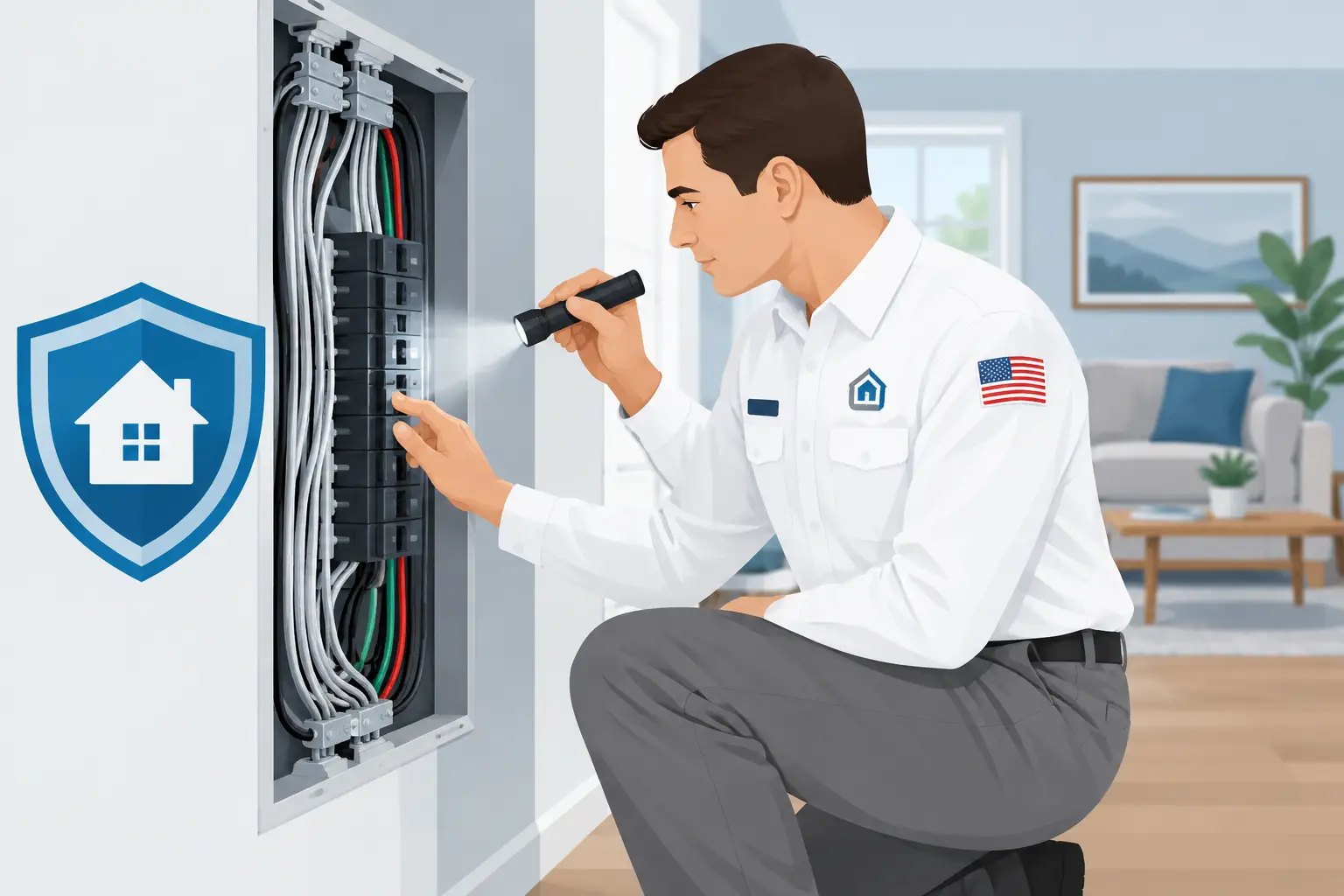
An electrician will look beyond the wire itself. The real question is whether every connection in the system is appropriate, secure, and in good condition. That includes outlets, switches, light fixtures, junction boxes, breakers, panel connections, and any areas where copper and aluminum wiring meet.
A careful inspection may identify overheated insulation, loose terminations, damaged devices, improper splices, overloaded circuits, or evidence of previous work that does not meet current safety expectations. In Southern Utah, attic heat can add another reason to take electrical warning signs seriously. High ambient temperatures do not create a bad connection, but they can make an already stressed electrical component less forgiving.
Warning signs homeowners should not ignore
Call for an electrical assessment promptly if you notice a burning smell, a warm or discolored outlet cover, buzzing or crackling near a switch, lights that flicker when appliances run, or breakers that trip repeatedly. A plug that feels loose in an outlet can also point to a worn device or poor connection.
Do not remove an outlet cover to investigate, tighten wires yourself, or keep resetting a breaker that continues to trip. Turn off the affected circuit if you can do so safely, avoid using the outlet or switch, and have the issue diagnosed. Electrical problems rarely improve with more use.
Where copper is the better choice
For new interior circuits, copper is often the straightforward choice. It is widely used for receptacles, lighting, dedicated appliance circuits, kitchen upgrades, bathroom circuits, ceiling fans, EV charger installations, and other residential projects where dependable branch-circuit connections matter.
Copper is also physically smaller than aluminum for the same electrical capacity. That can make it easier to route through finished walls, conduits, and crowded electrical boxes. For a remodel or an upgrade that adds circuits to an existing home, copper wiring often gives an electrician practical flexibility while providing familiar, durable terminations.
That does not mean every wire in a modern home should be copper. Electrical design is not a one-material rule. Larger aluminum conductors can be an appropriate, code-compliant choice for specific applications, particularly between the utility service and panel equipment or for properly engineered feeder runs. The correct material depends on the location, load calculation, conductor size, terminals, and applicable electrical code.
Is rewiring always necessary?
No. The right solution depends on the condition of the wiring and the homeowner’s plans for the property. A full rewire may make sense when an older home has widespread wiring deterioration, extensive unsafe modifications, insufficient circuits, recurring electrical problems, or major renovation work that opens walls anyway.
In other cases, a targeted repair or approved connection remediation may be the more sensible path. An electrician may replace unsuitable devices, correct splices, repair damaged sections, update panel connections, add needed circuits, or recommend a broader upgrade after evaluating what is actually present.
This is why a blanket answer can be misleading. Rewiring a home is a significant project, and leaving unsafe connections unaddressed is not a solution. A professional assessment helps separate a manageable repair from a system that needs more comprehensive work.
Upgrades can reveal old wiring limits
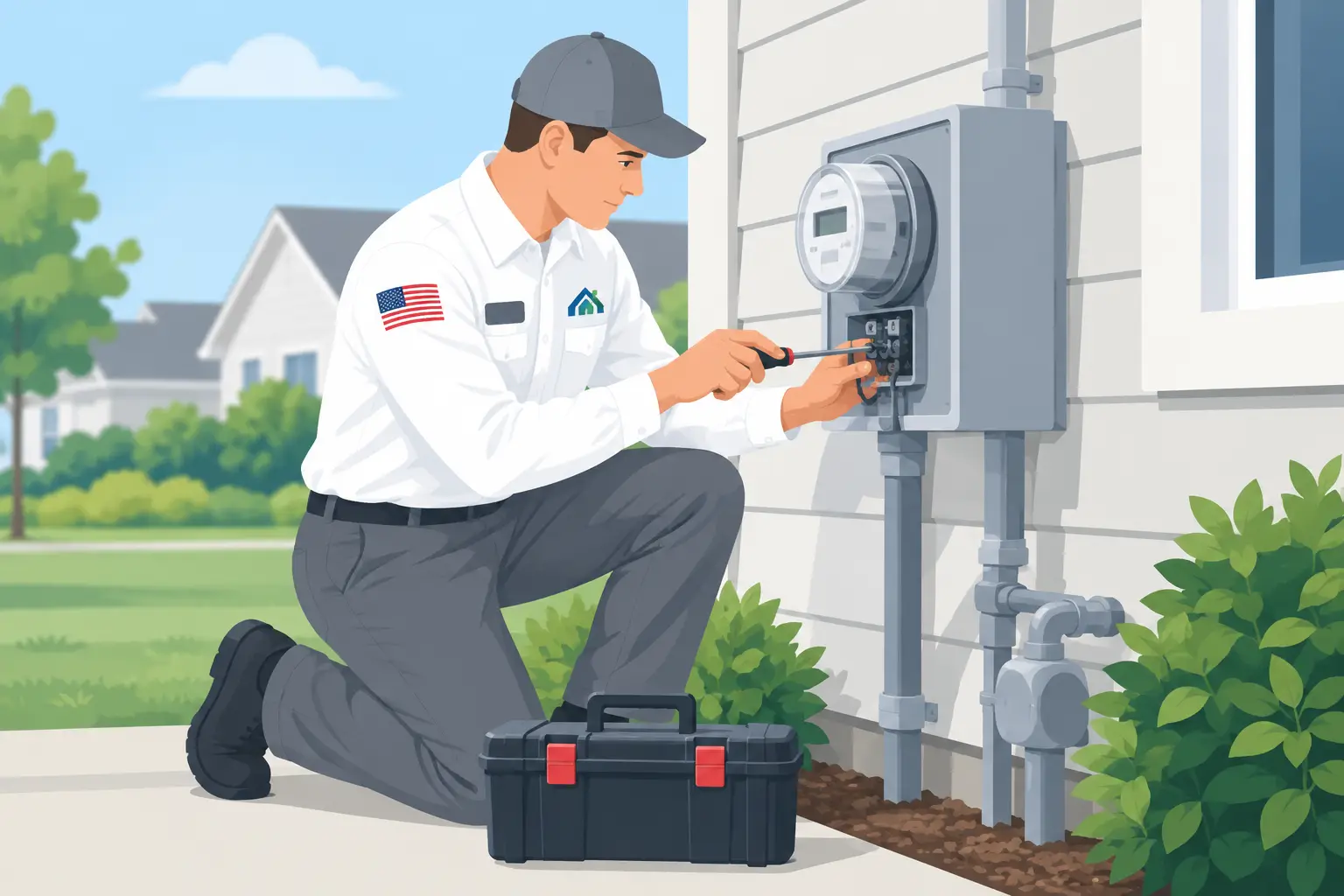
Many homeowners first learn about older wiring while planning a new convenience upgrade. Adding an EV charger, hot tub, sauna, air conditioner, electric range, or standby generator can increase a home’s electrical demand. These projects often require dedicated circuits and may require panel or service upgrades.
The installation should begin with a load calculation and an inspection of the existing panel, service equipment, and wiring. A new high-demand circuit should not be squeezed into an electrical system that is already overloaded or showing signs of age-related failure.
A qualified residential electrician can explain whether your current setup supports the project, what must be upgraded, and why. That conversation should happen before equipment is installed, not after breakers begin tripping.
How to find out what wiring your home has
The age of the home can offer a clue, but it is not proof. Previous owners may have updated some circuits while leaving others untouched. Additions, remodeled kitchens, finished basements, and replacement panels can create a mix of old and new wiring methods in the same house.
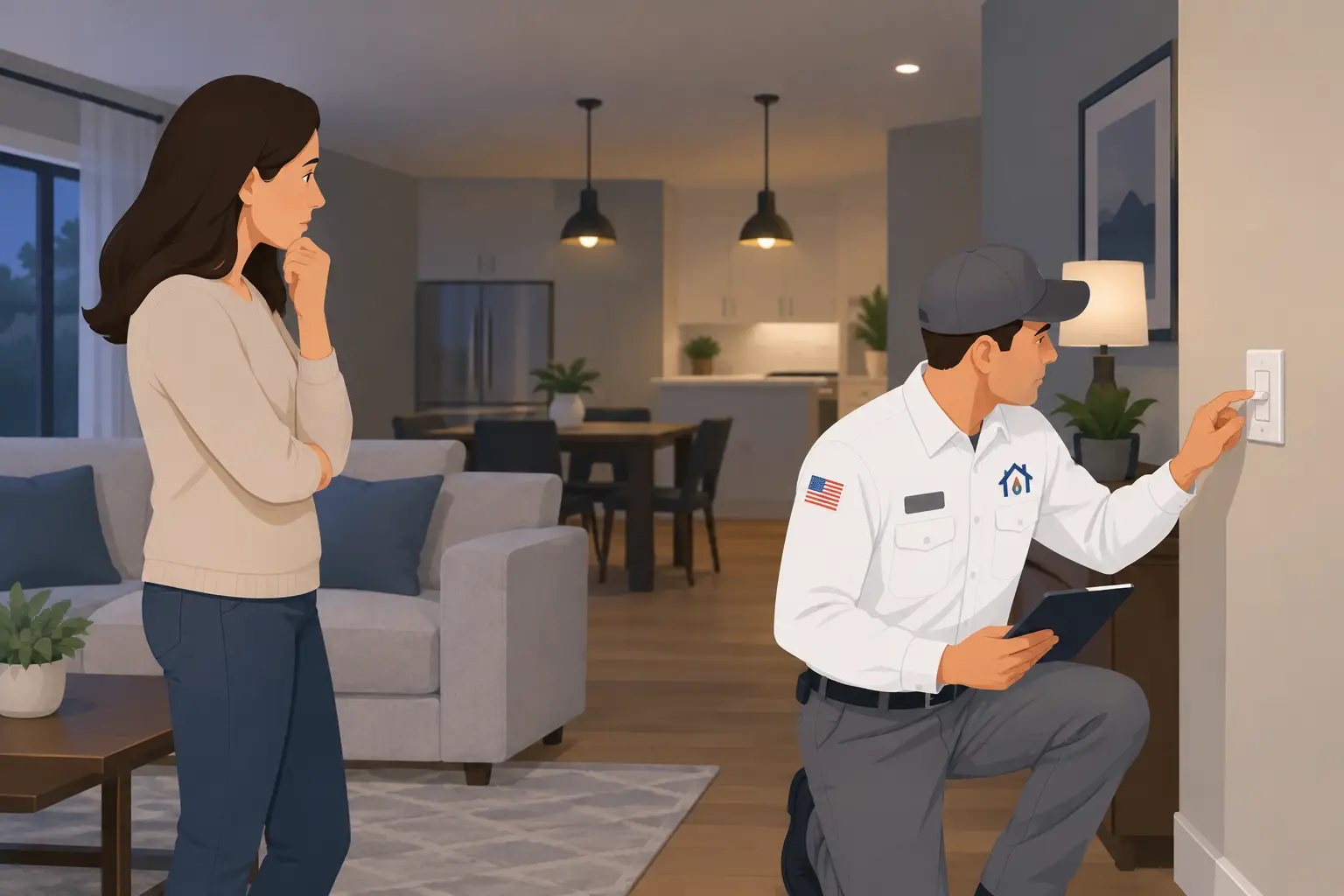
A licensed electrician can inspect accessible areas and identify conductor materials, connection types, panel conditions, and visible signs of trouble. In some cases, that may include checking outlets, switches, attic wiring, junction boxes, and the electrical panel. The goal is not simply to label the wiring. It is to determine whether the system is safe for current use and suitable for the upgrades you want.
At Service Right Electric, our process is simple: call, diagnose, fix. Our technician can walk you through what was found, explain the recommended scope of work in plain language, and provide upfront pricing before repairs begin.
Protect the connections that power your home
Copper and aluminum can both have a place in a safe residential electrical system. The critical issue is proper installation, properly rated components, and connections that have been inspected instead of assumed to be fine.
If your home has older wiring, unexplained electrical symptoms, or plans for a major power upgrade, get answers before a minor issue becomes a dangerous one. A thorough inspection gives you a clear path forward and the confidence that your home’s electrical system is ready to serve your family safely.


0 Comments