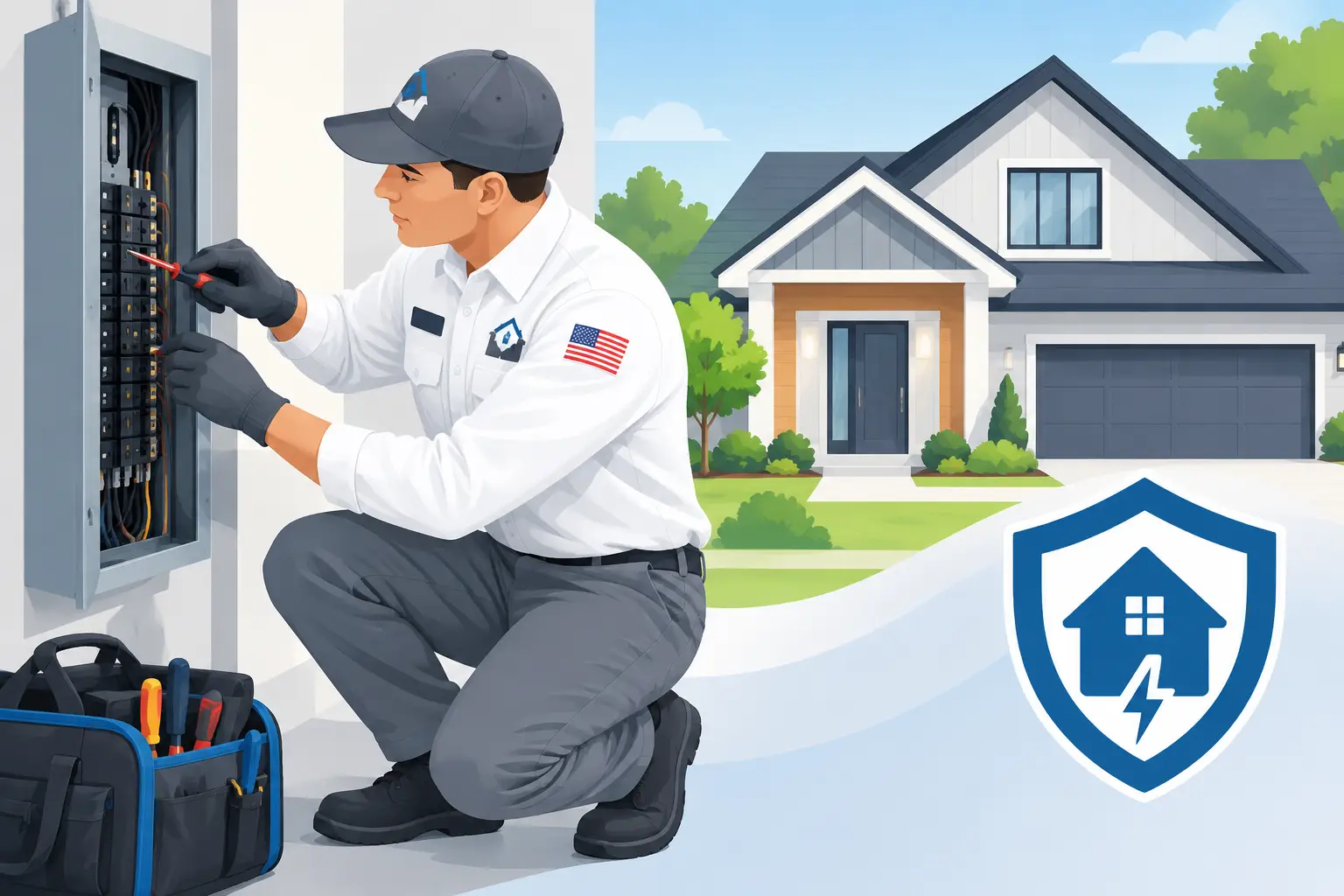
A breaker that trips once after a storm may be a nuisance. A breaker that trips repeatedly, an outlet that feels warm, or a burning smell near a panel is a reason to stop using that circuit and get help. This electrical service guide is built for Southern Utah homeowners who want clear next steps – not guesswork – when power problems or upgrade plans show up at home.
Electrical systems work quietly until they do not. When something changes, the safest response is to pay attention early, reduce immediate risk, and have a licensed residential electrician diagnose the cause. The goal is not just to get the lights back on. It is to make sure the repair or installation is safe, code-compliant, and built to hold up to your household’s real power needs.
Electrical Service Guide: When to Call Now
Some electrical concerns should not wait for a convenient weekend. If you notice smoke, sparks, a burning or fishy odor, a buzzing panel, a hot outlet cover, discoloration around a receptacle, or a breaker that will not reset, turn off power to the affected area if you can do so safely. Keep people away from the problem and call a qualified electrician.
Do not keep resetting a breaker to see whether it will stay on. A breaker is designed to interrupt power when it detects an overload, short circuit, or ground fault. Resetting it without finding the reason may put stress on wiring and equipment. The same goes for replacing a repeatedly blown fuse or relying on a power strip to solve a shortage of outlets.
Flickering lights deserve a closer look, especially when they happen in more than one room or change when a major appliance starts. The cause could be as simple as a loose bulb, but it can also point to a loose connection, an overloaded circuit, or a panel issue. A professional diagnosis separates a small fix from a condition that needs prompt repair.
If water has reached an outlet, electrical panel, extension cord, or damaged wiring, do not touch the equipment. Water and electricity are a dangerous combination. Keep the area clear and arrange for an electrician to assess it before restoring use.
What You Can Safely Do Before Help Arrives
Homeowners do not need to troubleshoot energized equipment. You can make the situation safer by unplugging devices from an affected outlet when it is safe to do so, turning off the breaker if the panel is dry and accessible, and keeping children and pets away from the area.
It also helps to note what was happening when the issue began. Did the breaker trip when the microwave, space heater, hair dryer, or garage tool was in use? Did lights flicker after a storm? Those details give the technician a useful starting point, but they are not a substitute for testing the circuit.
Know the Difference Between a Repair and an Upgrade
Not every electrical service call starts with an emergency. Many begin when a home built for yesterday’s power demands is asked to support today’s routines. More devices, larger appliances, home office equipment, entertainment systems, electric vehicle charging, and outdoor living features can all add pressure to an older electrical system.
A repair corrects a problem: a failed outlet, damaged wiring, a troublesome breaker, or a ceiling fan that no longer works properly. An upgrade improves capacity, safety, or convenience. That may mean adding a dedicated circuit for a major appliance, replacing an outdated panel, installing whole-home surge protection, or adding new lighting where your family actually needs it.
The right answer depends on the condition of the existing system and the load you plan to add. For example, an EV charger may need a dedicated circuit and enough available panel capacity. A hot tub or sauna also needs properly sized wiring and protective equipment. These are not weekend DIY projects, even when the installation seems straightforward on the surface.
A good electrician will explain whether your current system can support the addition, what work is required, and why. That conversation should happen before work begins, not after an installation is already underway.
Common Upgrades That Improve Daily Life
Some upgrades solve a known inconvenience. Others prepare a home for the next few years. Well-planned indoor and outdoor lighting can improve visibility and make spaces more useful after dark. New outlets can reduce the need for extension cords. A ceiling fan installed with properly rated support can improve comfort in bedrooms and living areas.
Smoke detectors are another practical safety improvement. Their placement, power source, age, and interconnection all matter. If your detectors are chirping, outdated, missing in key areas, or unreliable, it is worth having the setup reviewed rather than simply replacing batteries and hoping for the best.
Standby generator planning can be especially valuable when reliability matters during outages. The details depend on which circuits you want supported and how much capacity the home requires. The same principle applies to panel upgrades: bigger is not automatically better. The right solution is one that is sized and installed for the home’s actual needs.
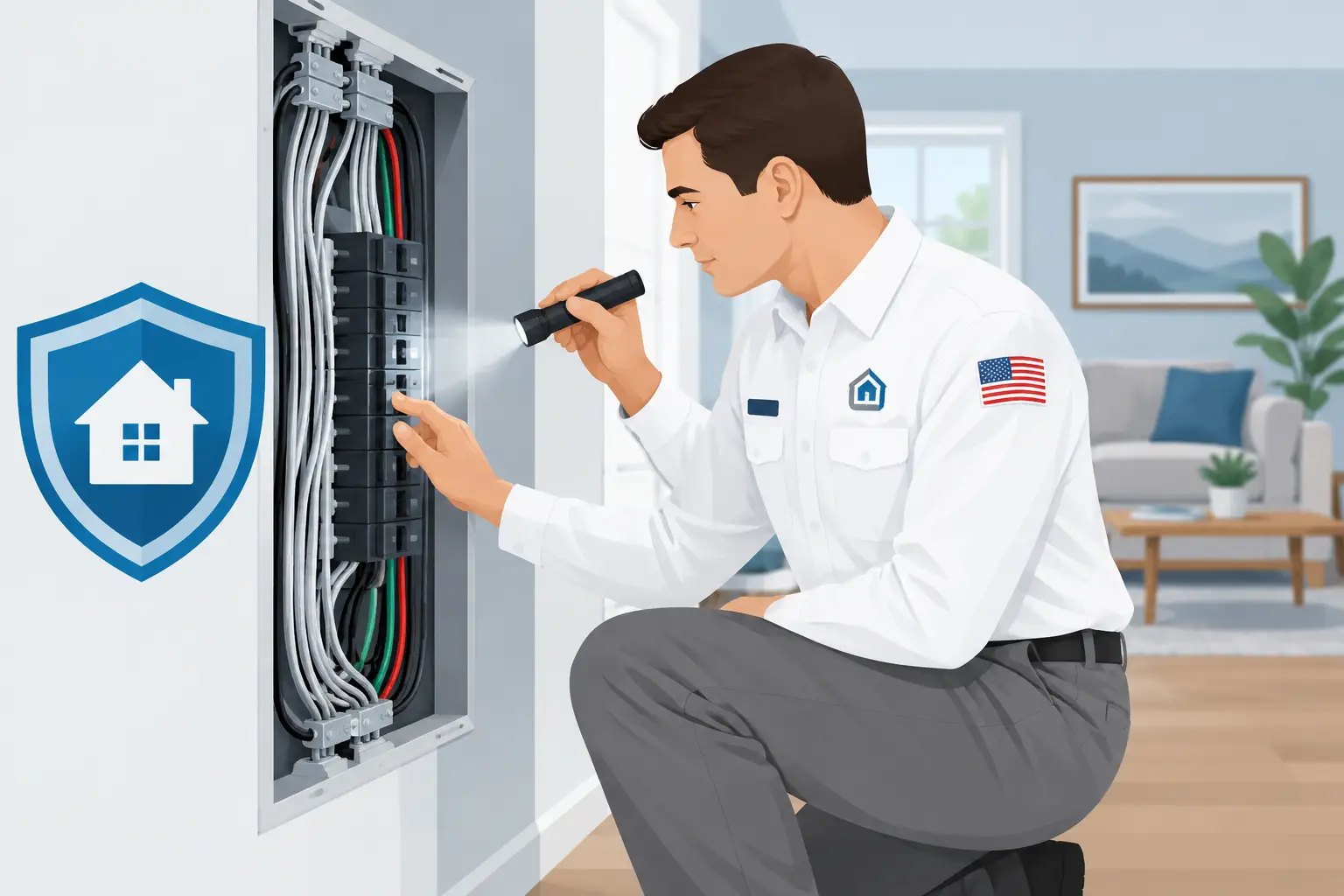
What a Professional Electrical Visit Should Look Like
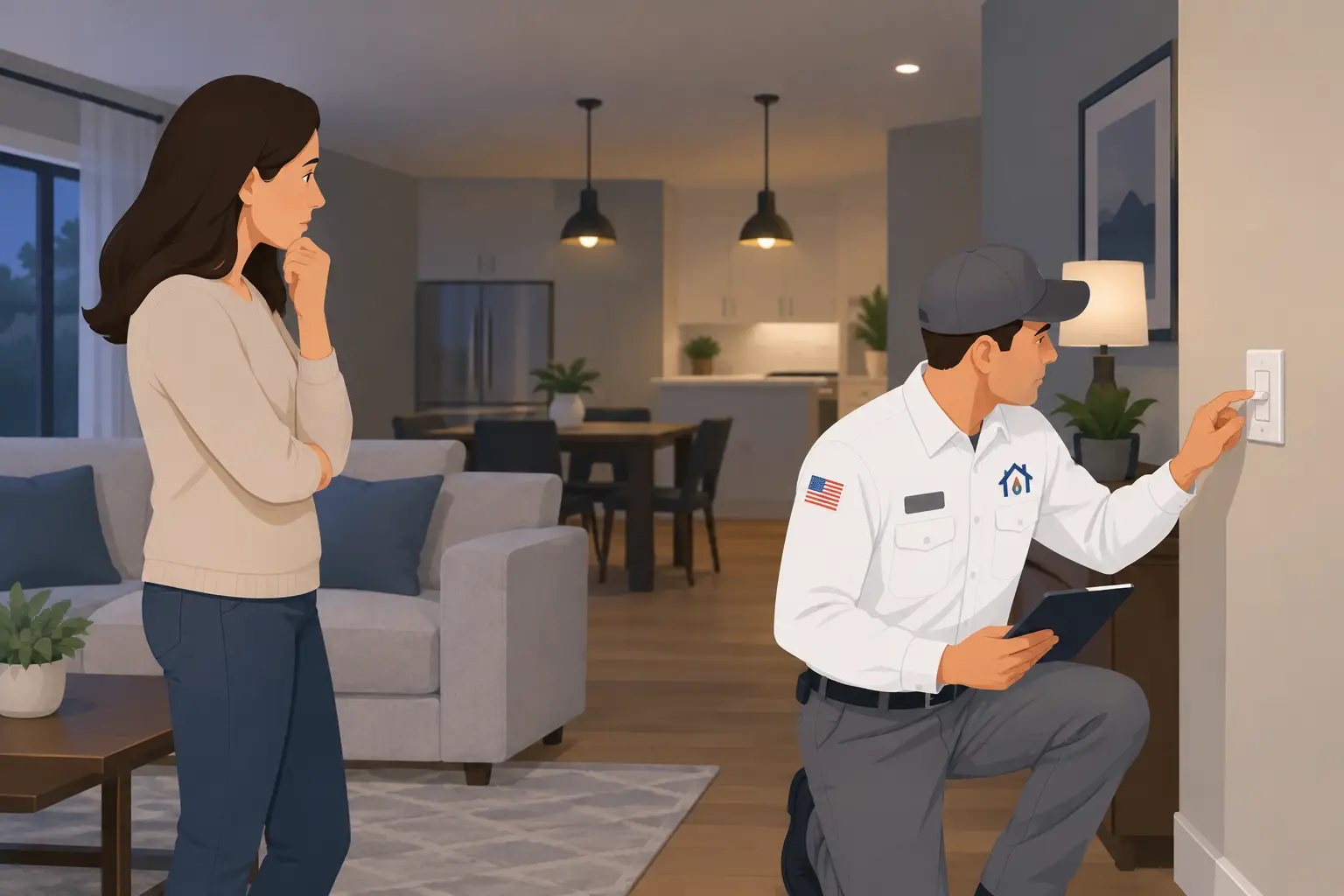
A professional residential service visit should feel organized from the start. At Service Right Electric, the process is simple: Call. Diagnose. Fix. That means listening to the concern, testing the system rather than guessing, and explaining the recommended repair or upgrade in plain language.
Diagnosis matters because the visible symptom is not always the source of the problem. An outlet that does not work may be affected by a tripped protective device elsewhere. A breaker issue may be caused by a failing appliance, damaged wiring, or too much load on one circuit. Replacing the most obvious part without testing can leave the real problem behind.
Once the cause is identified, you should receive a clear scope of work and upfront pricing before repairs begin. Ask what the electrician found, what options are available if there is more than one safe path forward, and whether any related components should be addressed. Straight answers help you make a confident decision without pressure.
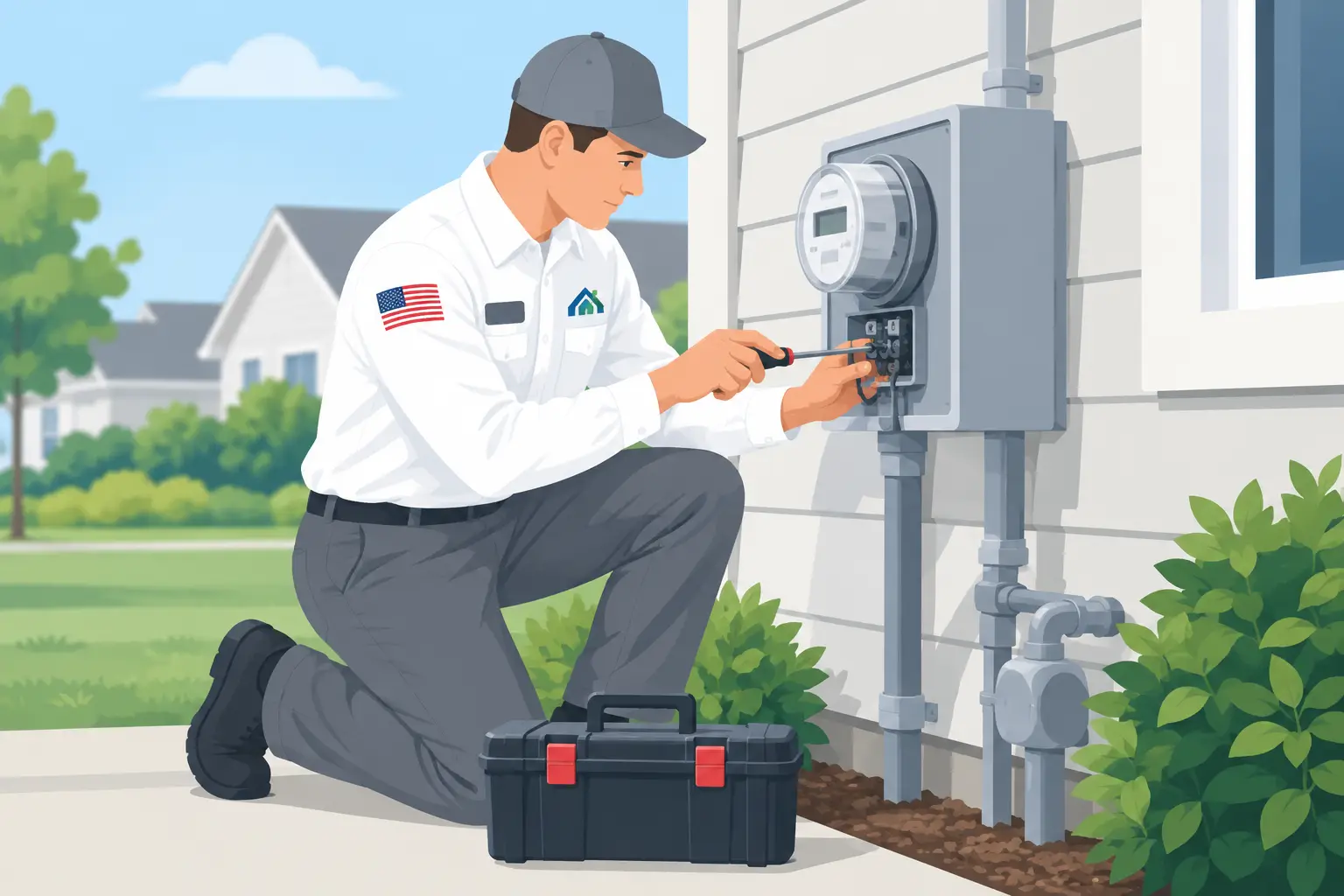
Clean workmanship matters, too. Electrical work often involves access to panels, attic spaces, walls, fixtures, or exterior equipment. The job should be completed with care for your home, appropriate testing after the work is done, and an explanation of what changed.
Questions Worth Asking About Your Home’s Electrical System
You do not need technical training to ask useful questions. If you are considering a project, ask whether it needs a dedicated circuit, whether your panel has adequate capacity, and whether permits or inspections apply. For repairs, ask what caused the issue and what warning signs would mean you should call again.
It is also reasonable to ask about the age and condition of major electrical components. Older homes can have wiring methods, panels, outlets, or grounding arrangements that deserve special attention. Age alone does not mean something is unsafe, but it does mean assumptions should be avoided.
Be cautious when a solution sounds too simple for the scope of the job. A handyman may be capable with many home tasks, but panel work, new circuits, generator connections, and wiring repairs require trained electrical expertise. Shortcuts can create hidden hazards that surface later as failed equipment, shock risk, overheating, or inspection problems.
Prevent Problems Before They Become Urgent
A few household habits can reduce electrical strain. Avoid overloading power strips and extension cords, especially with high-wattage devices. Use extension cords only as temporary solutions, not permanent wiring. Replace damaged cords promptly, and do not run them under rugs, through doorways, or where they can be pinched.
Pay attention to small changes. An outlet that only works sometimes, a light switch that crackles, or a breaker that has started tripping is easier to address before it becomes an after-hours problem. Southern Utah heat can also increase the demand placed on a home’s electrical system as cooling equipment works harder, so recurring issues during peak use deserve attention.
For planned improvements, bring an electrician in early. Whether you are remodeling a room, adding outdoor lighting, preparing for an EV, or creating a more comfortable backyard space, electrical planning is easiest before finishes are installed and walls are closed.
Your home should support the way your family lives without asking you to ignore warning signs or rely on workarounds. When something does not feel right, trust that instinct, stop using the affected equipment, and let a qualified residential electrician find the cause and fix it right.


0 Comments