

A failed outlet, flickering lights, or a breaker that keeps tripping is stressful enough. The last thing a homeowner needs is uncertainty about the repair bill. That is why upfront electrician pricing reviews deserve a closer look: they can show whether a company explains the work clearly before tools come out, not after the invoice arrives.
Reviews are helpful, but the most useful ones do more than say a technician was friendly or arrived on time. They describe how the company handled the moment homeowners care about most: the diagnosis, the explanation, the options, and the price approval before work begins.
What Upfront Electrician Pricing Reviews Should Tell You
A strong review of upfront pricing usually describes a clear service process. The electrician evaluates the problem, explains what was found in plain language, presents the recommended repair or upgrade, and provides the price before starting the approved work. That sequence matters because electrical issues can involve safety risks that are not visible from the surface.
For example, a dead outlet may be a simple worn device. It could also be connected to a loose connection, damaged wiring, a tripped safety device, or a problem further back in the circuit. A qualified electrician should diagnose the cause instead of guessing, then tell you what needs to happen next.
When reading reviews, look for comments that mention clear explanations. Homeowners should understand the scope of the repair, what the price includes, and why the work is recommended. You do not need a technical lecture, but you should not feel pressured to agree to work you do not understand.
The best feedback often includes details such as the technician showing the issue, answering questions without rushing, and providing choices when more than one safe solution is available. Those are signs that the price is tied to a defined repair rather than a vague promise.
A Fixed Price Is Not the Same as a Guess
Some homeowners hear “upfront pricing” and assume it means an electrician can quote every job over the phone. That is not always realistic or responsible. Electrical systems vary by home age, panel condition, access to wiring, previous repairs, and the source of the problem.
A dependable process starts with an on-site diagnosis. Once the technician has enough information to define the work, the price can be presented before the repair begins. That is very different from giving a low estimate without inspecting the issue, then raising the total after work is underway.
There are situations where the scope can legitimately change. Opening an area may reveal concealed damage, unsafe prior wiring, or equipment that cannot support the planned installation. If that happens, the right response is not to continue silently and add charges later. The electrician should pause, explain what changed, present the next recommended step, and get approval before moving forward.
Reviews that mention this kind of communication are especially valuable. They show how a company behaves when a job becomes more complicated than expected, which is often the true test of transparent service.
Watch for Specifics, Not Just Star Ratings
A high rating can be encouraging, but a short review saying “great job” does not tell you much about the pricing experience. Read several recent reviews and look for recurring patterns. Are customers saying the technician explained the price before work started? Did the final work match what was approved? Were questions handled respectfully?
Specific comments carry more weight than general praise. A homeowner who describes a panel concern, a ceiling fan installation, a failed switch, or a dedicated circuit repair can give useful context about how the company communicates on real residential jobs.
It also helps to notice whether reviewers describe clean, professional work. Pricing is only one part of value. A lower number is not a bargain if the repair leaves a safety concern, damages the home, or has to be redone. Licensed residential electricians bring the training, diagnostic equipment, and experience needed to complete work correctly.
Questions to Ask Before You Approve Electrical Work
You do not have to become an electrical expert to make a confident decision. After the diagnosis, ask the technician to explain the problem and the recommended fix in everyday terms. Confirm whether the quoted price covers the agreed work and whether anything could change the scope.
It is also reasonable to ask about options. Sometimes there is one necessary safety repair and a separate improvement that can be planned for later. Other times, addressing related issues during the same visit may make practical sense. The key is knowing which work is urgent, which is recommended, and what each approved option involves.
A professional electrician should welcome these questions. Clear answers protect both the homeowner and the service team from misunderstandings. They also make it easier to compare reviews with your actual experience.
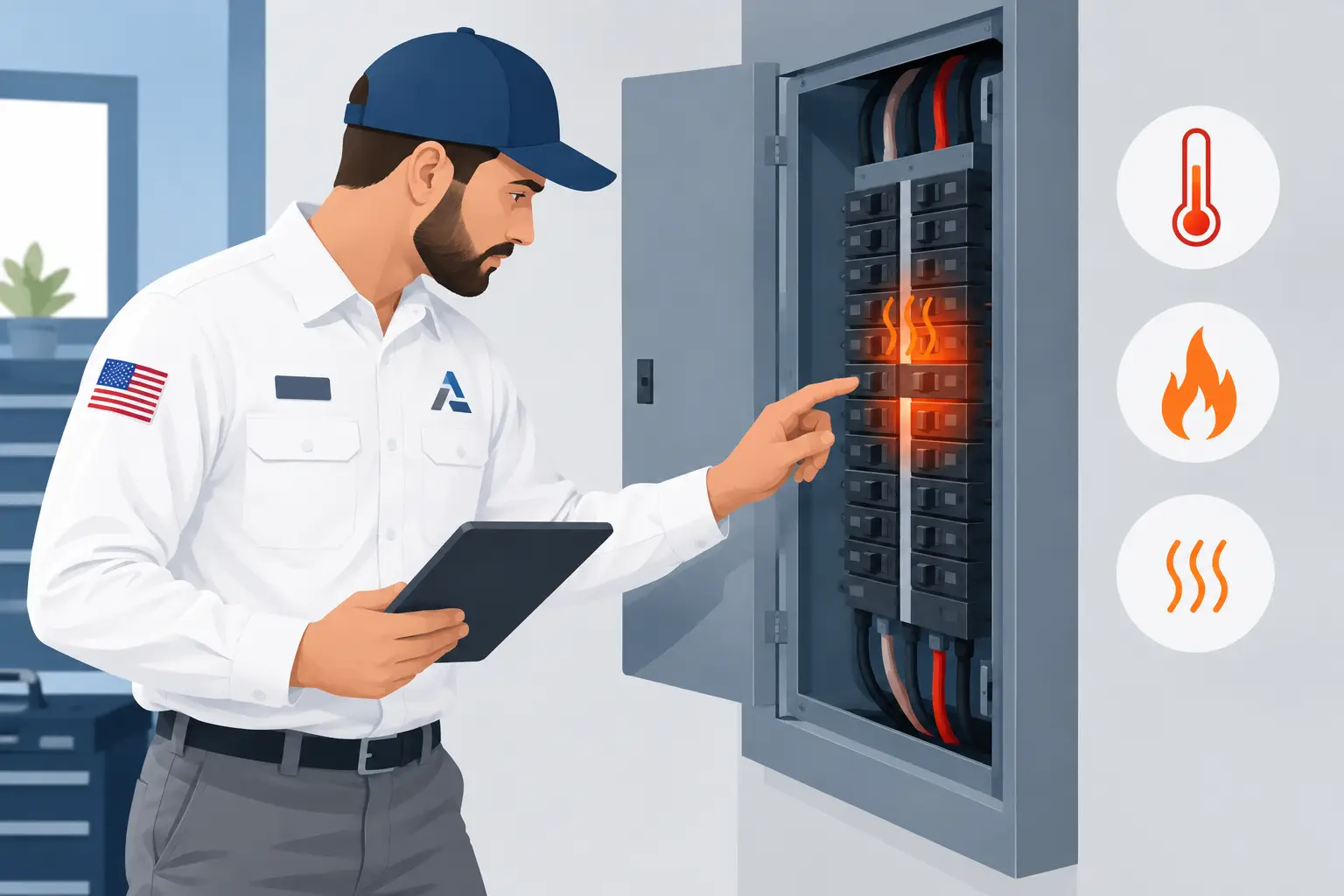
For urgent concerns such as burning odors, warm outlets or switches, repeated breaker trips, buzzing electrical equipment, visible damage, or loss of power to part of the home, do not wait for online research to solve the problem. Avoid touching damaged equipment or attempting a repair yourself. Turn off power only if it is safe to do so, keep others away from the area, and call a licensed electrician promptly.
Why Residential Experience Affects the Value You Receive
Homes are not job sites with a one-size-fits-all electrical layout. Southern Utah homeowners may be dealing with older wiring, additions, outdoor lighting needs, pool or hot tub equipment, modern appliance loads, EV charging, or plans for standby power. Each project needs a diagnosis that considers the home’s existing electrical capacity and safety requirements.
That is why reviews should reflect more than price satisfaction. Look for evidence that the electrician treated the home with care, protected the work area, explained the repair, and completed the job without leaving loose ends. A company focused on residential service is accustomed to working around family schedules, finished walls, pets, and the everyday need for reliable power.
Service Right Electric follows a straightforward approach: call, diagnose, and fix. That does not mean every repair is identical. It means homeowners know what to expect. The technician identifies the issue, discusses the solution and upfront price, then completes the approved work safely and professionally.
How to Use Reviews Without Letting Them Make the Decision for You
Reviews are a starting point, not a substitute for a proper diagnosis. Use them to identify companies with a consistent record of communication, punctuality, respect for the home, and clear upfront pricing. Then pay attention to how the company treats you when you call.
Were you able to describe the concern and schedule service without confusion? Does the technician listen to what has been happening, inspect the issue carefully, and explain the next step? Are you given time to consider the approved repair? Those real-time details tell you whether the reviews reflect the service you are receiving.
Be cautious of any approach that relies on pressure. Electrical safety concerns should be taken seriously, but urgency should come from the condition found in your home, not from a sales tactic. A clear recommendation explains the risk, the remedy, and the reason for the cost. It gives you useful information so you can act promptly when action is needed.
The right electrical service visit should leave you with more than a working outlet, light, panel, or circuit. You should know what was repaired, why it mattered, and what to watch for next. When a pricing conversation is clear before work starts, you can focus on the result that matters most: a safer, more dependable home.




0 Comments