A flickering light or dead outlet can seem small until it points to a loose connection, overloaded circuit, or aging wiring behind the wall. An electrical service quality review helps homeowners look beyond whether the power is back on and assess whether the work was handled safely, clearly, and completely.
For Southern Utah homeowners, the right electrical service should bring confidence from the first phone call through the final cleanup. That means a trained technician who listens, diagnoses the actual issue, explains the options, and completes the repair without leaving you to wonder what happened or what comes next.
What Quality Electrical Service Looks Like
Quality is not measured by how quickly someone replaces a switch or resets a breaker. A fast repair matters, especially when a safety concern disrupts your home, but speed without diagnosis can leave the real problem in place. A circuit breaker that keeps tripping, for example, may be doing its job by protecting the wiring. Simply resetting it does not explain why it tripped.
A professional residential electrician starts by asking useful questions: When did the problem begin? Does it happen when a particular appliance runs? Is there warmth, buzzing, a burning smell, discoloration, or intermittent power? Those details guide a proper inspection and help separate a simple device failure from a larger wiring or panel concern.
Good service also means clear communication. You should understand what the technician found, why it matters, and what repair or upgrade is recommended before work begins. Electrical systems can be technical, but the explanation should not be confusing.
Your Electrical Service Quality Review Checklist
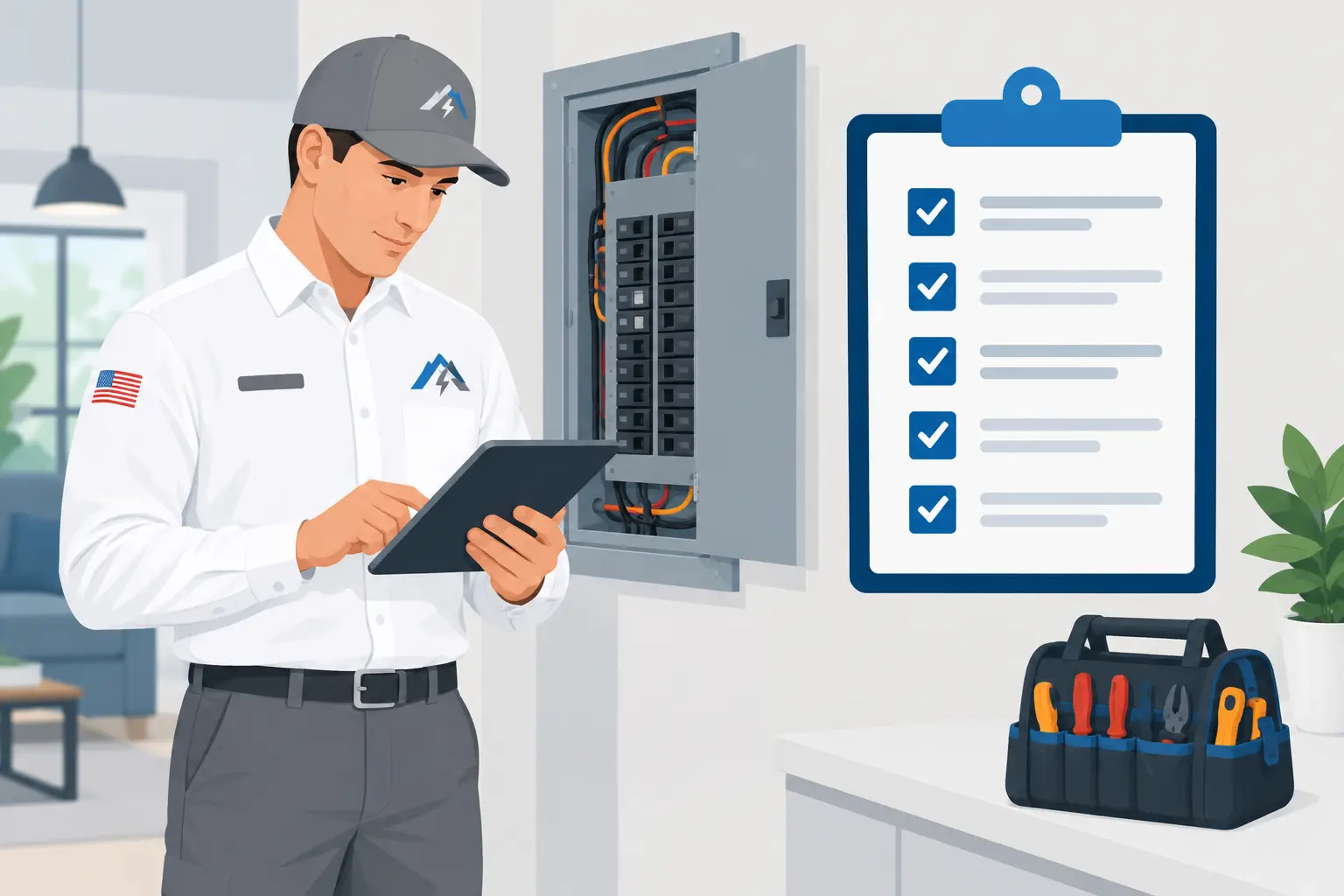
Use these points after a repair, inspection, or installation. They can also help you choose an electrician before scheduling a visit.
- The technician diagnosed before repairing. A quality visit begins with testing and inspection, not assumptions. The technician should identify the cause of a failed outlet, flickering fixture, tripping breaker, or other concern before proposing a fix.
- The scope of work was explained in plain language. You should know what will be repaired, replaced, installed, or upgraded. If there are options, you should understand the practical difference between them, including which one best addresses safety, reliability, or future electrical needs.
- Pricing was presented upfront. Homeowners should not have to approve work without a clear understanding of the expected cost. Transparent pricing helps prevent surprises and lets you make a decision before the repair begins.
- The work matches the home’s actual needs. A new dedicated circuit for an EV charger, hot tub, or other high-demand equipment may be necessary. On the other hand, not every issue requires a major upgrade. Good recommendations are specific to the condition of your electrical system and the equipment you plan to use.
- The technician tested the completed work. A repaired circuit, new outlet, ceiling fan, smoke detector, lighting fixture, or panel component should be checked for proper operation before the visit ends. Testing is how a technician confirms the repair did more than look complete.
- The work area was treated with respect. Electrical work can involve access to panels, attics, walls, and living spaces. Professional service includes protecting the area, keeping the job organized, and cleaning up when finished.
Safety Is the Standard, Not an Upgrade
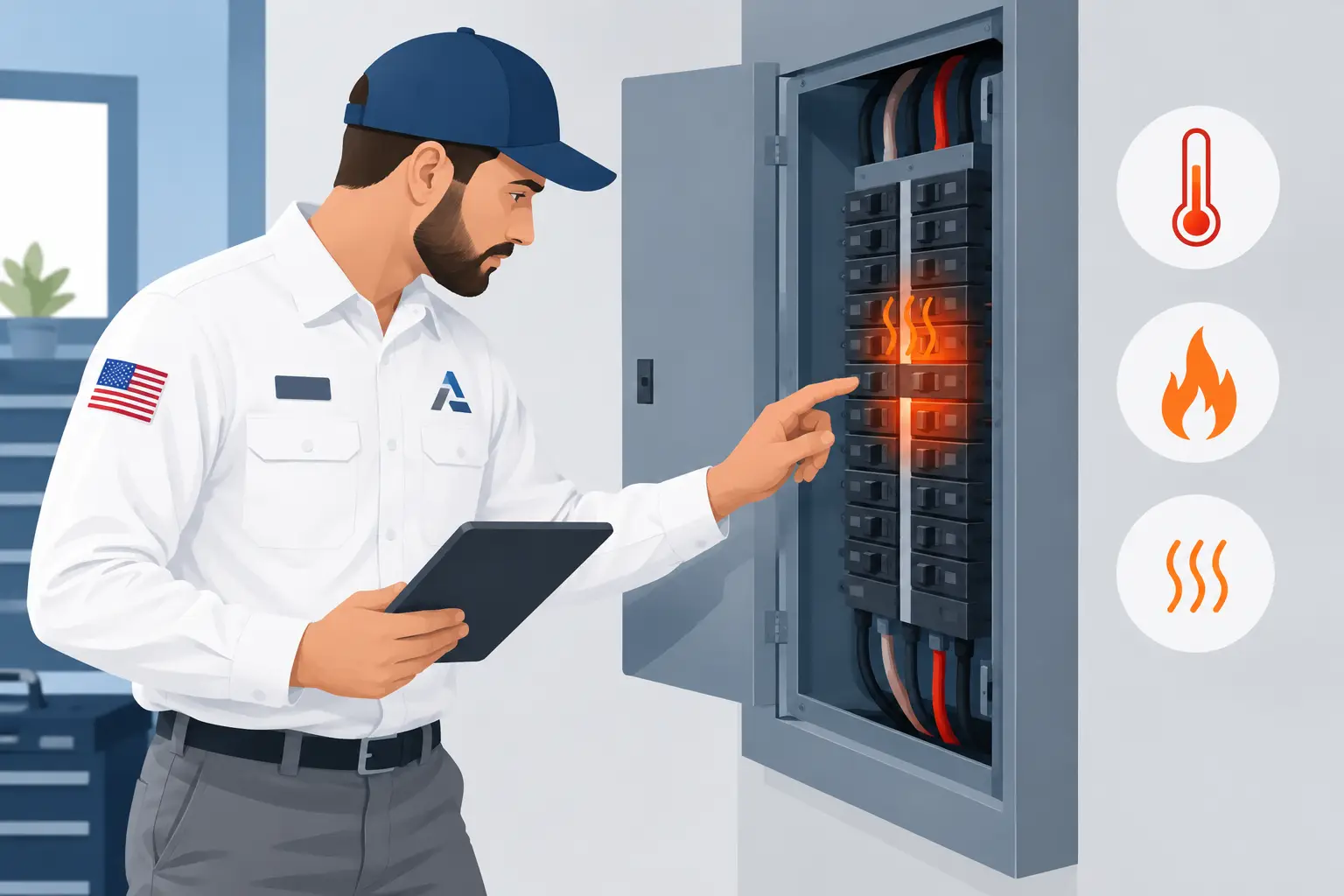
Electrical problems are not always dramatic. Sometimes the warning signs are subtle: a switch that feels warm, a receptacle that no longer holds a plug securely, lights that dim when equipment starts, or a breaker that trips only once in a while. These symptoms deserve attention because they can indicate heat, failing connections, overloaded circuits, or components nearing the end of their useful life.
A quality review should ask whether the work improved safety, not just convenience. Did the repair address the source of overheating? Was the correct safety device used where needed? Was a damaged or outdated component replaced rather than patched around? These questions matter most in older homes, remodeled spaces, and areas where electrical demand has grown over time.
This is also where DIY work becomes a risk. Replacing a cover plate is one thing. Diagnosing a recurring power issue, opening a panel, changing wiring, or adding a circuit is not a weekend DIY project. Electrical mistakes may remain hidden until they cause equipment damage, repeated outages, or a serious safety hazard.
How Communication Affects the Quality of the Repair
Homeowners do not need a lecture filled with trade terms. They need honest answers. If a repair is urgent, a professional should say why. If an upgrade can wait, that should be clear too. If there is more than one reasonable path forward, the trade-offs should be explained without pressure.
For example, a failed outlet may only need a replacement device. But if testing finds a loose connection or a problem shared by several outlets, the proper repair may extend beyond that one location. The difference is diagnosis. A technician who explains that difference gives you the information needed to approve the right work for your home.
Communication after the repair matters as well. Before leaving, the technician should tell you what was completed, point out anything worth monitoring, and answer questions about operating new equipment. This is particularly valuable after panel work, surge protection installation, standby generator connections, or a new dedicated circuit.
When a Return Visit Is a Good Sign
A follow-up visit is not automatically evidence of poor service. Some electrical issues are intermittent and may require additional testing. Larger projects may also need staged work, especially when access, scheduling, or a specific component affects the timeline.
What matters is how the situation is handled. A dependable company communicates promptly, takes the concern seriously, and returns with a clear plan. You should never feel ignored because a problem was difficult to reproduce or took more than one step to solve.
The same principle applies when an inspection identifies several concerns. A trusted electrician should help prioritize them. Immediate hazards come first. Reliability improvements and future convenience upgrades can often be planned around your household’s needs. Not every recommendation needs to happen at once, but the reasons for each recommendation should be clear.
Questions Worth Asking Before You Approve Work
Before electrical work begins, ask whether the technician has identified the cause of the problem and whether the proposed repair solves that cause. Ask what testing will be done after the work is complete. If an upgrade is suggested, ask what makes it necessary now and whether there are reasonable alternatives.
It is also fair to ask what to expect during the visit. Will power need to be shut off? Which rooms or equipment may be affected? Does the repair require access to an attic, garage, or panel? Clear answers make it easier to plan and show that the company respects your time and home.
Choose Service Built Around the Home
Residential electrical work calls for a different kind of focus than large commercial projects. Homes have unique layouts, changing family needs, finished living spaces, and systems that may have been altered over decades. The best service providers are comfortable tracing problems through those details while keeping the process straightforward for the homeowner.
At Service Right Electric, that focus is simple: call, diagnose, and fix. The goal is not just to restore power for the moment. It is to provide a safe, professionally completed solution with clear communication and upfront pricing.
If something in your home is buzzing, heating up, losing power, or failing to work as it should, trust the warning sign. A prompt professional inspection can turn uncertainty into a clear next step and help keep your home safe.



0 Comments