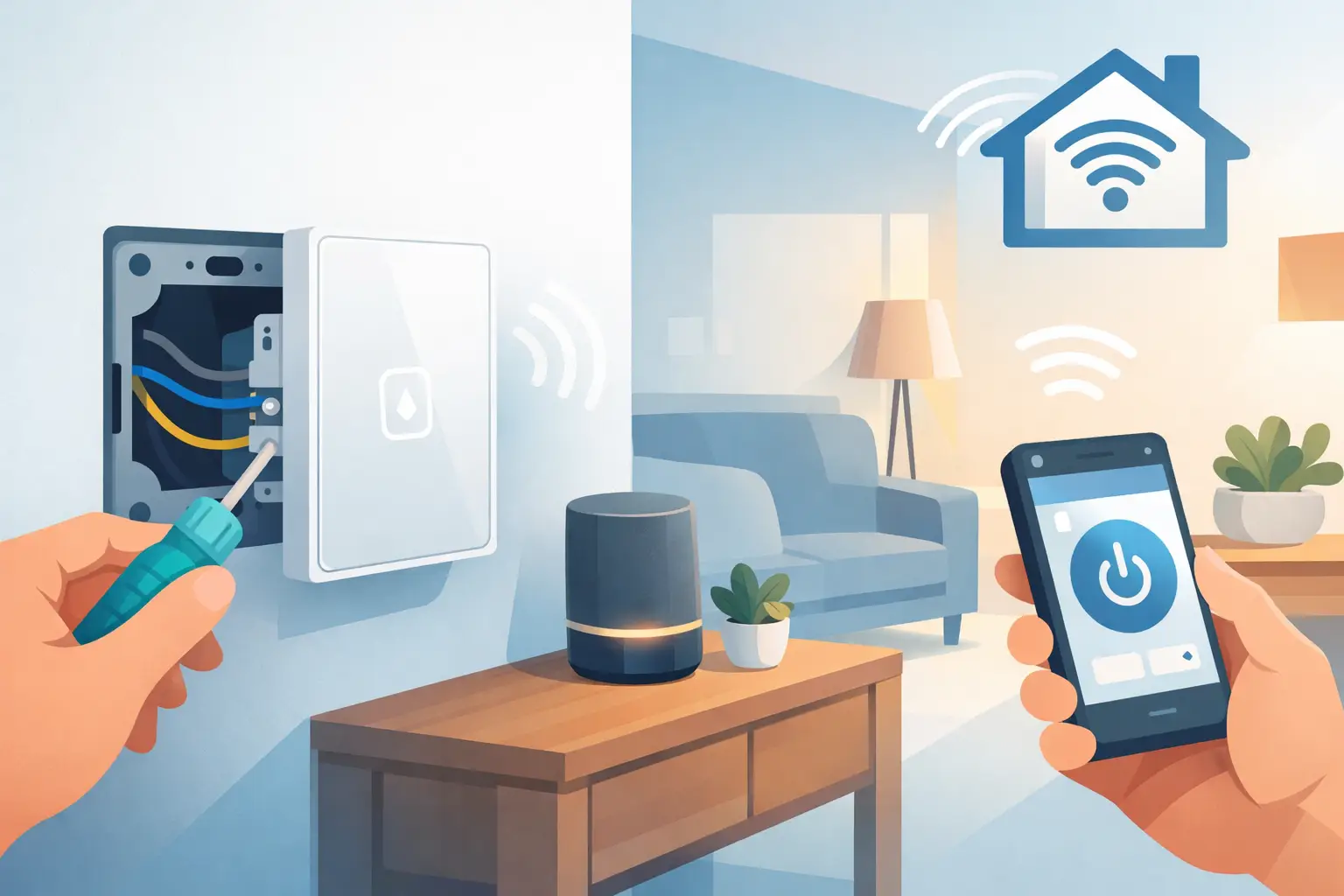
A smart switch can make an ordinary light fixture easier to control, whether you are arriving home after dark, settling kids into bed, or checking that outdoor lights are off from your phone. But smart switch installation for home is more than swapping a wall control. The switch has to match the wiring, the fixture, the electrical box, and the way your household actually uses the room.
For Southern Utah homeowners, the goal is simple: convenient lighting that works reliably without creating an electrical problem behind the wall. A licensed residential electrician can identify what your home needs, explain the options clearly, and install the right equipment safely.
What a Smart Switch Can Do for Your Home
A smart switch replaces a standard wall switch and gives you added control through an app, voice assistant, schedule, motion setting, or automation system. Unlike a smart bulb, it can control a whole wired lighting circuit while allowing family members and guests to use the familiar wall switch.
That makes smart switches especially useful for exterior lighting, entryways, hallways, garages, kitchens, bathrooms, and rooms with hard-to-reach fixtures. You may set porch lights to turn on at sunset, create a schedule that makes an empty house look occupied, or turn off several lights at once before leaving.
The right choice depends on the job. A basic on-off smart switch works well for many fixtures. A smart dimmer needs to be compatible with the bulbs it controls. Smart fan controls have separate requirements, and a three-way lighting circuit needs a device designed for that wiring arrangement. A product that looks right on the shelf may not be right for your home.
Smart Switch Installation for Home Starts With Wiring
The most common surprise during a smart switch upgrade is the wiring inside the box. Many smart switches require a neutral wire to power their wireless features even while the light is off. Some older homes do not have a neutral conductor in every switch box, particularly in certain switch-loop configurations.
That does not automatically end the project. Some smart devices are designed to operate without a neutral wire, while other installations may require wiring changes or a different control solution. The correct answer comes from inspecting the actual circuit, not guessing based on the age of the house or the appearance of the existing switch.
An electrician will also check for proper grounding, adequate box space, correct wire connections, and signs of aging or damaged wiring. Smart switches can be larger than standard switches, so a crowded electrical box may need attention before a new device can be installed safely.
Why the neutral wire matters
A neutral wire returns electrical current to the panel and helps many smart switches maintain power for their internal electronics. Without it, certain switches can flicker, fail to connect, or cause LED bulbs to glow faintly when the switch is off.
It is tempting to treat a neutral wire as just another white wire in the box. That is not safe. Wire color alone does not confirm a conductor’s purpose, especially in older installations or altered circuits. Testing and identifying conductors correctly is part of professional electrical work.
Three-way switches need special planning
If one light is controlled from two locations, such as the top and bottom of a staircase, you have a three-way circuit. These circuits use traveler wires and require compatible smart controls. Depending on the system, one location may receive the smart switch while the other uses a companion switch or remains a compatible conventional switch.
Trying to force a single-pole smart switch into a three-way setup can leave you with lights that do not work, a tripped breaker, or damaged equipment. Before purchasing devices for several rooms, have the circuits evaluated so the controls are selected correctly.
Compatibility Matters More Than the App
Most homeowners start by comparing apps, voice control options, and color choices. Those features matter, but electrical compatibility comes first. The switch must be rated for the voltage and load it will control. It also needs to work properly with the fixture and bulbs already in place.
LED lighting deserves extra attention. LEDs use far less energy than older incandescent bulbs, but not every dimmer works well with every LED driver. An incompatible combination can cause buzzing, flickering, limited dimming range, or lights that do not fully turn off. In some cases, the solution is a compatible dimmer. In others, replacing the bulbs or fixture is the better long-term fix.
For a ceiling fan, use a control made for fans. Do not put a standard lighting dimmer on a fan motor. Motor controls and lighting controls handle electrical loads differently, and using the wrong device can create a safety issue or damage the equipment.
Smart switches also vary in how they connect. Some use your home Wi-Fi, while others use a hub or another wireless protocol. Wi-Fi-based controls can be convenient, but poor signal strength in a detached garage, outdoor location, or far corner of the house may affect performance. A professional installation should account for where the switch will be used, not just whether it powers on during setup.
When a Smart Switch Is Not the Best Choice
A smart switch is often a great upgrade, but it is not always the best answer. If a fixture is controlled by a plug rather than wall wiring, a smart plug may make more sense. If you need only one decorative lamp controlled remotely, a smart bulb can be a simpler option.
Some homes also have shallow, crowded, or damaged switch boxes that need repair before a smart device can fit safely. If the existing switch feels warm, sparks, crackles, has a loose faceplate, or intermittently loses power, treat that as a repair concern first. Automation should never be used to cover up an electrical fault.
For renters, smart switches may require landlord approval because they alter permanent wiring. For homeowners planning a larger renovation, it may be more efficient to include smart controls with new lighting, recessed lights, under-cabinet lighting, or a panel upgrade rather than installing devices one at a time.
Why This Is Not a Weekend DIY Project
Replacing a switch appears straightforward until you find multiple cables, a shared box, three-way wiring, no neutral, aluminum wiring, or a circuit that does not match expectations. Turning off a breaker is necessary, but it does not identify wiring correctly or guarantee that every conductor in a box is de-energized.
Electrical work also needs to account for connections that remain secure over time. Loose terminals can overheat. Improperly tucked wires can become pinched. Incorrect load connections can damage the switch or fixture. A smart device adds electronics to a location that already has line voltage, so workmanship matters.
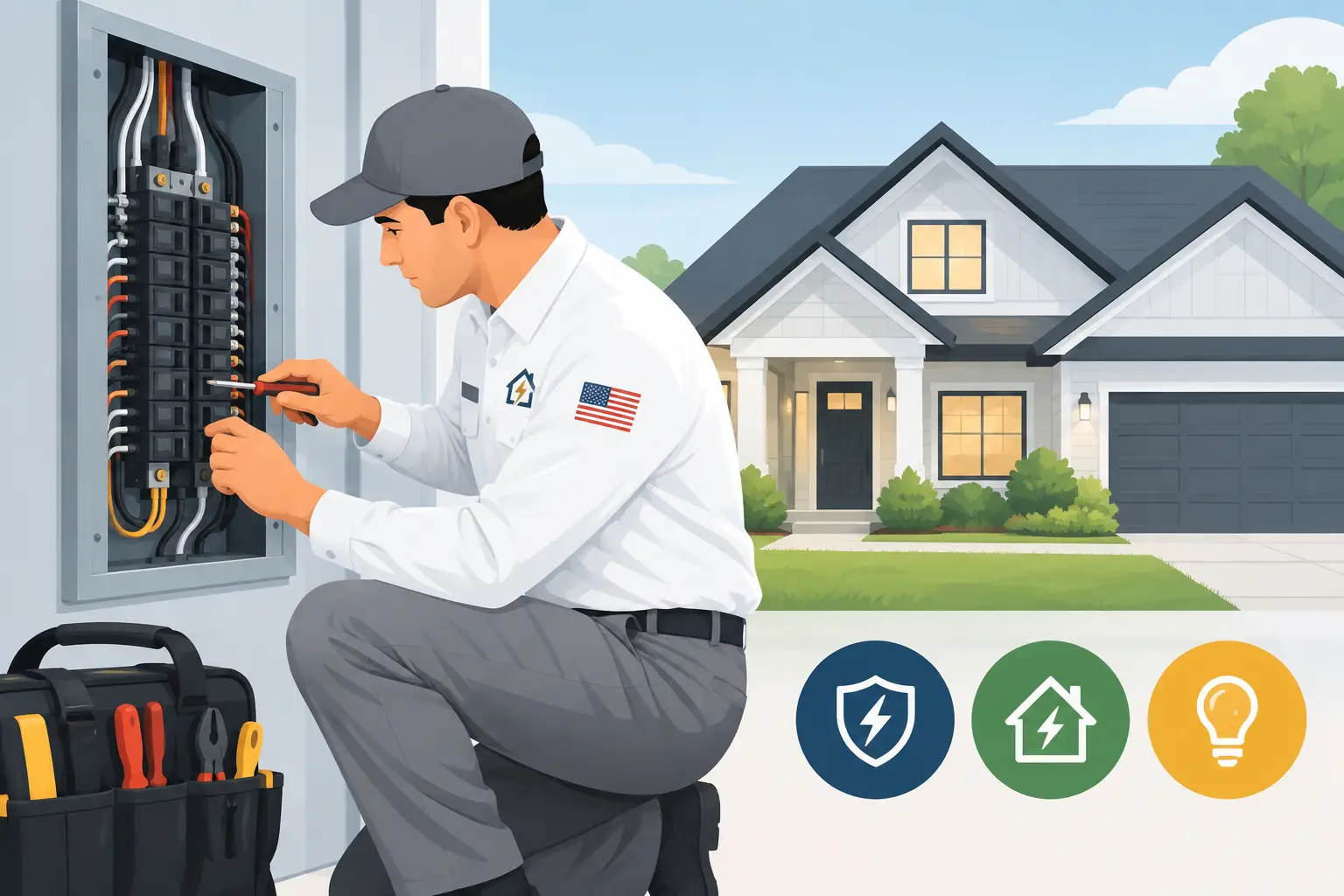
A licensed electrician can diagnose the circuit, confirm the selected device is appropriate, make code-conscious corrections when needed, install the switch cleanly, and test both manual and smart operation. You should know what will be installed, why it is the right option, and what the price is before work begins.
What to Expect From a Professional Installation Visit
A good service visit begins with questions. Which lights do you want to control? Do you want dimming, scheduling, motion control, voice control, or remote access? Are there existing issues with flickering lights, tripping breakers, or switches that feel loose?
The technician then inspects the switch location and circuit. This determines whether the wiring supports the selected smart control and whether any repair or upgrade is needed. If there are options, you should receive a plainspoken explanation of the trade-offs and upfront pricing before the work starts.
After installation, the switch should be tested at the wall and through its intended smart features. The technician can also help confirm that the lighting responds correctly and that any companion switch in a three-way circuit operates as expected. Service Right Electric provides residential-focused electrical service for homeowners who want the work completed safely, cleanly, and correctly.
Plan the Upgrade Around How You Live
The most useful smart switch is not necessarily the one with the longest feature list. It is the one that solves a daily frustration. Start with the places where control makes a difference: porch lights left on overnight, a dark hallway, garage lighting, a vacation schedule, or a room where every light should turn off with one command.
If you are considering several switches, it can help to plan the project as a group. An electrician can assess the circuits, identify which locations need special devices, and address wiring concerns before they slow down the next phase. That approach can prevent mismatched controls and repeated service visits.
A smart switch should make your home easier to live in, not add another device you have to troubleshoot. When the wiring, equipment, and installation are handled correctly from the start, you can enjoy the convenience with confidence.




0 Comments