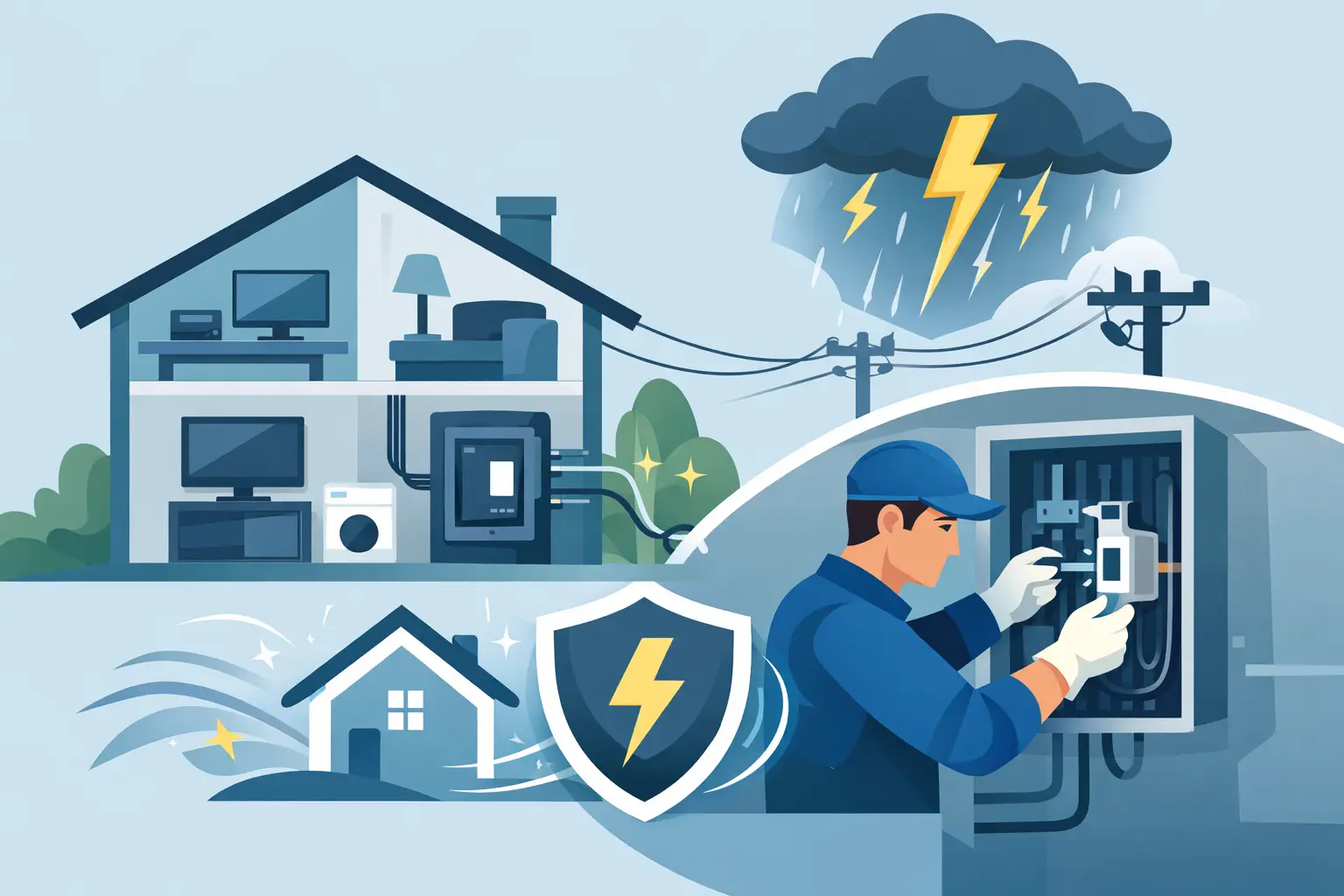
A single power surge can damage more than a television or laptop. Today’s homes have circuit boards in HVAC equipment, refrigerators, garage door openers, smart appliances, EV chargers, and even some lighting controls. Whole house surge protector installation adds a first line of defense at the electrical panel, helping protect the systems your family relies on every day.
For Southern Utah homeowners, this is a practical safety and reliability upgrade, not a weekend DIY project. Lightning, utility switching, power restoration after an outage, and large appliances cycling on and off can all create voltage spikes. A licensed electrician can evaluate your panel, install the right device, and verify the connection is properly protected.
What a Whole-House Surge Protector Does
A whole-house surge protector is installed at or near your main electrical panel. Under normal conditions, electricity flows through your home at a controlled voltage. When a sudden spike occurs, the surge protector redirects excess voltage away from the home’s branch circuits and toward the grounding system.
That response happens in a fraction of a second. It can reduce the damage caused by many common surges before the excess energy reaches sensitive equipment throughout the house.
The word “reduce” matters. No surge protection device can promise that every electronic item will survive every major event, especially a direct lightning strike or a severe problem with utility equipment. But professionally installed panel-level protection is one of the strongest, most sensible ways to limit the risk across the entire home.
It also protects items homeowners do not always think about until they stop working. Modern furnaces and air conditioners use control boards. Water heaters, washing machines, microwaves, refrigerators, security systems, internet equipment, and smart thermostats may all include sensitive electronics. Replacing one damaged control board can cost more than a surge protection upgrade.
When Whole House Surge Protector Installation Makes Sense
Most homes can benefit from a whole-house surge protector, but some situations make the upgrade especially worthwhile. If your home has frequent outages, visible lightning activity, an older electrical panel, expensive electronics, or recently added high-demand equipment, it is a good time to have an electrician assess your system.
It is also a natural addition during a panel upgrade, EV charger installation, hot tub wiring project, standby generator installation, or major remodel. When an electrician is already evaluating the panel and grounding system, surge protection can often be planned as part of the larger electrical work.
Homeowners sometimes wait until after a surge has damaged a refrigerator, television, HVAC board, or garage door opener. That is understandable, but the better time to install protection is before the next event. Electrical damage is not always obvious right away, either. Smaller repeated surges can shorten the life of electronics over time, leading to failures that seem random months later.
Signs You Should Schedule an Electrical Assessment
A surge protector is not a fix for every electrical problem. If lights flicker often, breakers trip repeatedly, outlets feel warm, you smell burning, or you hear buzzing at the panel, schedule service promptly. Those symptoms can point to loose connections, overloaded circuits, damaged equipment, or other hazards that need diagnosis.
A qualified electrician can determine whether surge protection is the right upgrade or whether a repair needs to come first. Protecting a panel with an existing fault does not solve the underlying problem.
How Professional Installation Works
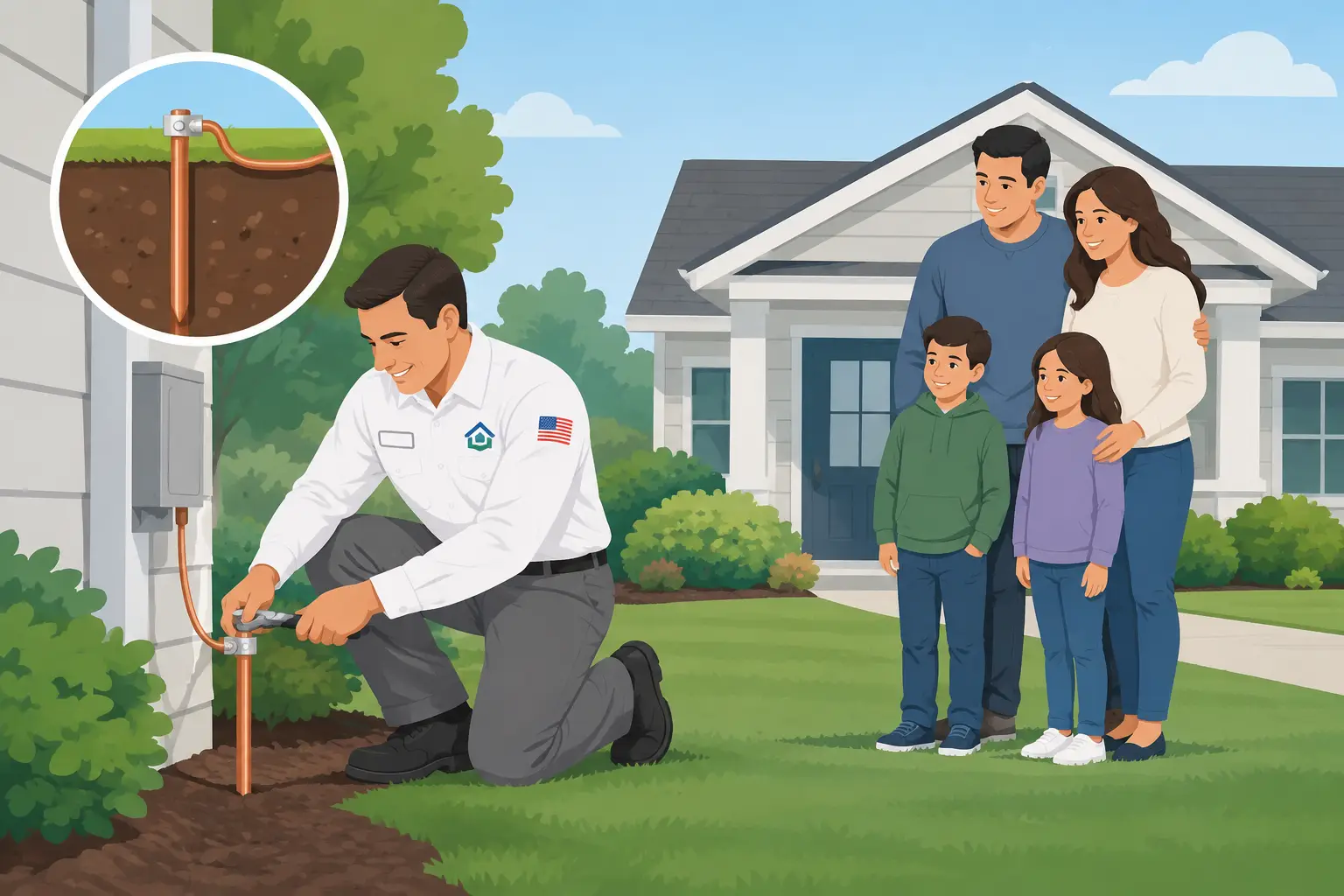
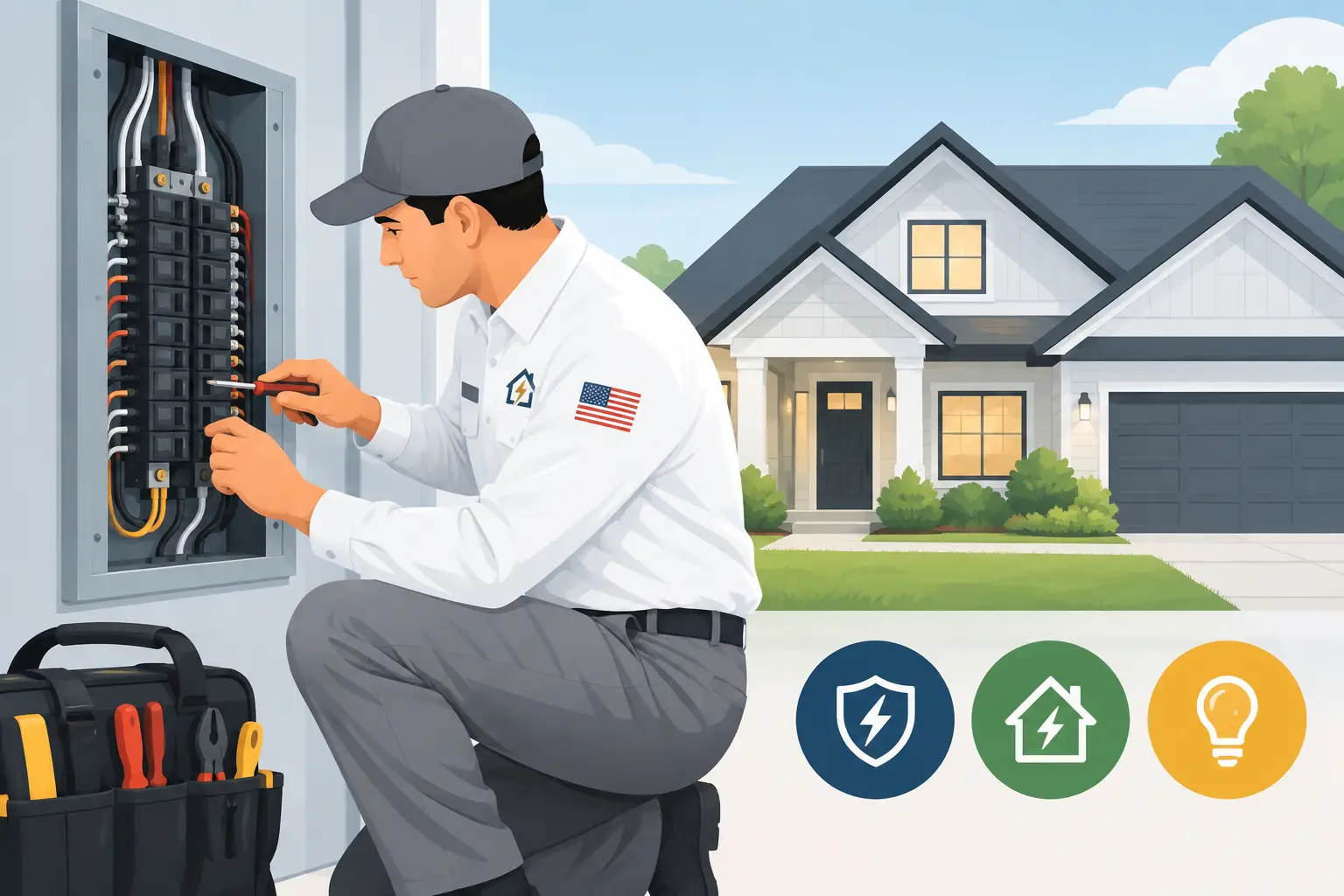
Every home is different, which is why proper installation begins with a panel evaluation rather than choosing a device off a store shelf. The electrician checks the panel type, available space, service capacity, breaker configuration, grounding and bonding, and the condition of the existing equipment.
The surge protective device is then selected and installed according to the panel manufacturer’s requirements and applicable electrical code. Placement matters. A device generally works best when it is connected with the shortest practical leads, because extra wire length can reduce how effectively it responds to a surge.
The technician will safely de-energize equipment as needed, make the proper panel connections, label the installation, and test the device’s status indicators. Many modern surge protectors have lights that show whether protection is active. Homeowners should know where to look and what to do if that status changes.
At Service Right Electric, the process is straightforward: call, diagnose, and fix. You receive a clear explanation of the condition of your electrical system and the available options before work begins, along with upfront pricing. That makes it easier to make a confident decision without guessing what the final bill will be.
Choosing the Right Surge Protection Setup
Not every surge protector offers the same level of protection. An electrician will consider the device’s surge current rating, voltage protection rating, compatibility with your electrical system, warranty, and whether it is designed for service entrance or panel-level use.
A Type 1 surge protector is generally installed on the utility side of the main service disconnect or at the service equipment. A Type 2 device is typically installed on the load side of the main service disconnect, often at the main panel. Both are intended to provide whole-home protection when used in the appropriate location. The right choice depends on the home’s electrical setup and the manufacturer’s installation instructions.
Panel-level protection is the foundation, but it does not always replace point-of-use protection. Sensitive or high-value electronics, such as computers, home office equipment, entertainment systems, and networking gear, may still benefit from a quality plug-in surge protector. Think of the panel device as the main barrier and point-of-use devices as added protection for items that matter most.
For homes with a standby generator, solar equipment, EV charging, or detached structures, the plan may need to be more specific. A surge can enter through electrical service lines, but sensitive equipment may also be affected by data, cable, telephone, or outdoor wiring. An electrician can identify where extra protection is useful instead of applying a one-size-fits-all solution.
Why This Is Not a DIY Electrical Project
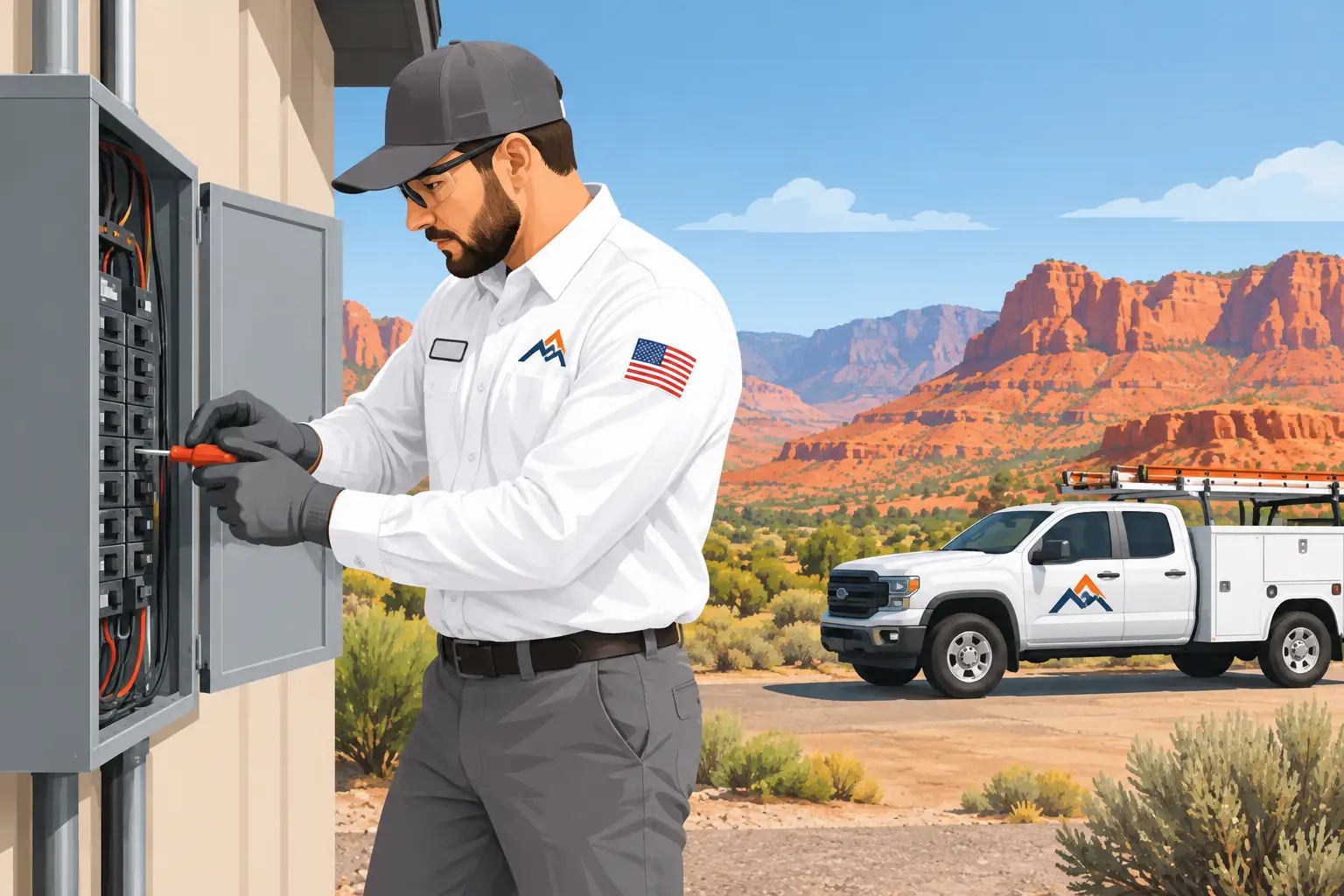
Working inside a breaker panel exposes you to energized parts and requires more than basic hand tools. Even when the main breaker is turned off, portions of the equipment may remain live. Incorrect installation can damage the panel, create a fire risk, void equipment warranties, or leave the home without effective surge protection.
There is also the matter of compatibility. Electrical panels are not interchangeable boxes. Breakers, bus bars, covers, and surge protective devices must be matched and installed correctly. An electrician knows how to identify the panel, follow manufacturer requirements, and spot safety concerns that may not be visible to a homeowner.
A professional installation also gives you a chance to ask useful questions. Is the panel overloaded? Is the grounding system in good condition? Is there room for an EV charger or future appliance circuit? Are there outdated breakers or signs of heat damage? A short service visit can provide clarity on more than one part of your home’s electrical system.
Maintenance and What to Watch For
Whole-house surge protectors are designed to work quietly in the background, but they are not necessarily permanent. Each surge event can use up some of the device’s protective capacity. Eventually, a protector may need replacement even though the home never experienced one dramatic electrical event.
Check the indicator lights periodically, especially after a major storm, outage, or utility issue. If the light shows that protection has been lost, or if you are unsure what the indicator means, schedule an electrician to inspect the device. Do not remove the panel cover to investigate it yourself.
Surge protection works best as part of a healthy electrical system. Keeping panels accessible, addressing recurring breaker trips, using dedicated circuits for major equipment, and updating aging components all help protect your home and the people in it.
Your home is full of equipment that is easy to take for granted until it fails. A properly installed surge protector is a small upgrade that can help prevent a very expensive interruption. If you are planning an electrical upgrade or want reassurance after storms and outages, have a licensed residential electrician look at your panel and recommend protection that fits your home.


0 Comments