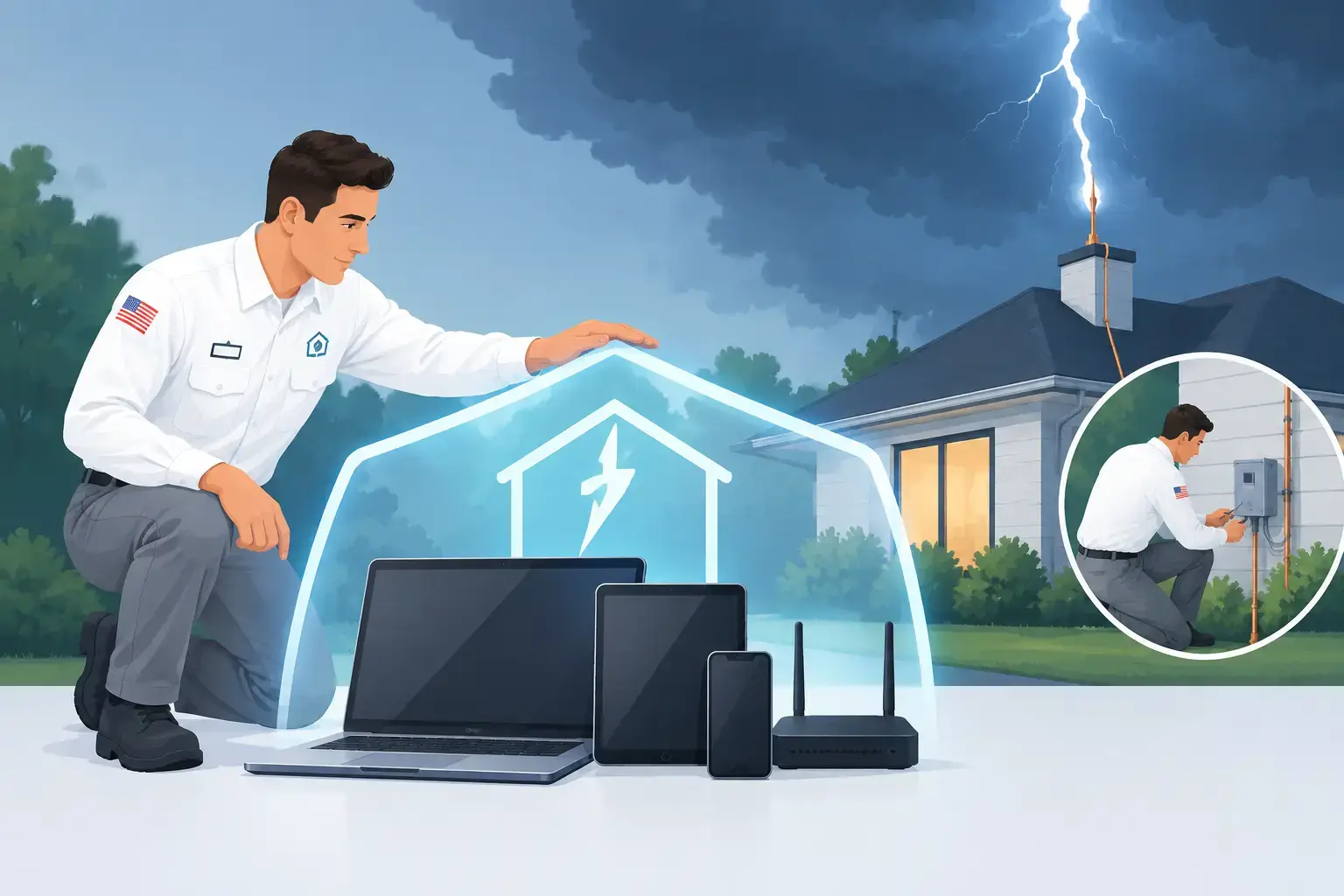
A nearby lightning strike can send a damaging power surge through your home in a fraction of a second. Knowing how to protect electronics from lightning is not just about saving a television or laptop. It is about protecting the systems your household relies on every day, from appliances and internet equipment to garage door openers and HVAC controls.
Southern Utah storms can arrive quickly, especially during the summer monsoon season. Even when lightning does not strike your home directly, a strike on or near utility lines can create a sudden voltage spike. The right protection uses several layers, starting at your electrical panel and continuing to the sensitive devices inside your home.
Why Lightning Damages Home Electronics
Your home electrical system is designed to deliver steady power at a specific voltage. Lightning is anything but steady. A direct strike carries an extreme amount of energy, but nearby strikes can also cause electrical surges through power lines, cable lines, phone lines, or underground wiring.
That surge looks for a path to ground. Along the way, it can damage circuit boards, shorten the life of appliances, or cause an immediate failure. Modern homes have more sensitive electronics than ever. Refrigerators, washers, smart thermostats, security equipment, televisions, routers, and chargers all contain components that can be affected by voltage spikes.
A basic plug-in power strip may help with small, everyday surges, but it is not designed to handle every surge event. It also cannot protect equipment that is hardwired into your home, such as an air conditioner, oven, or well pump.
How to Protect Electronics From Lightning With Layers
The most dependable approach combines whole-home surge protection, proper grounding, and point-of-use protection for sensitive equipment. Each layer has a separate job, and one should not be treated as a substitute for the others.
Start at the electrical panel
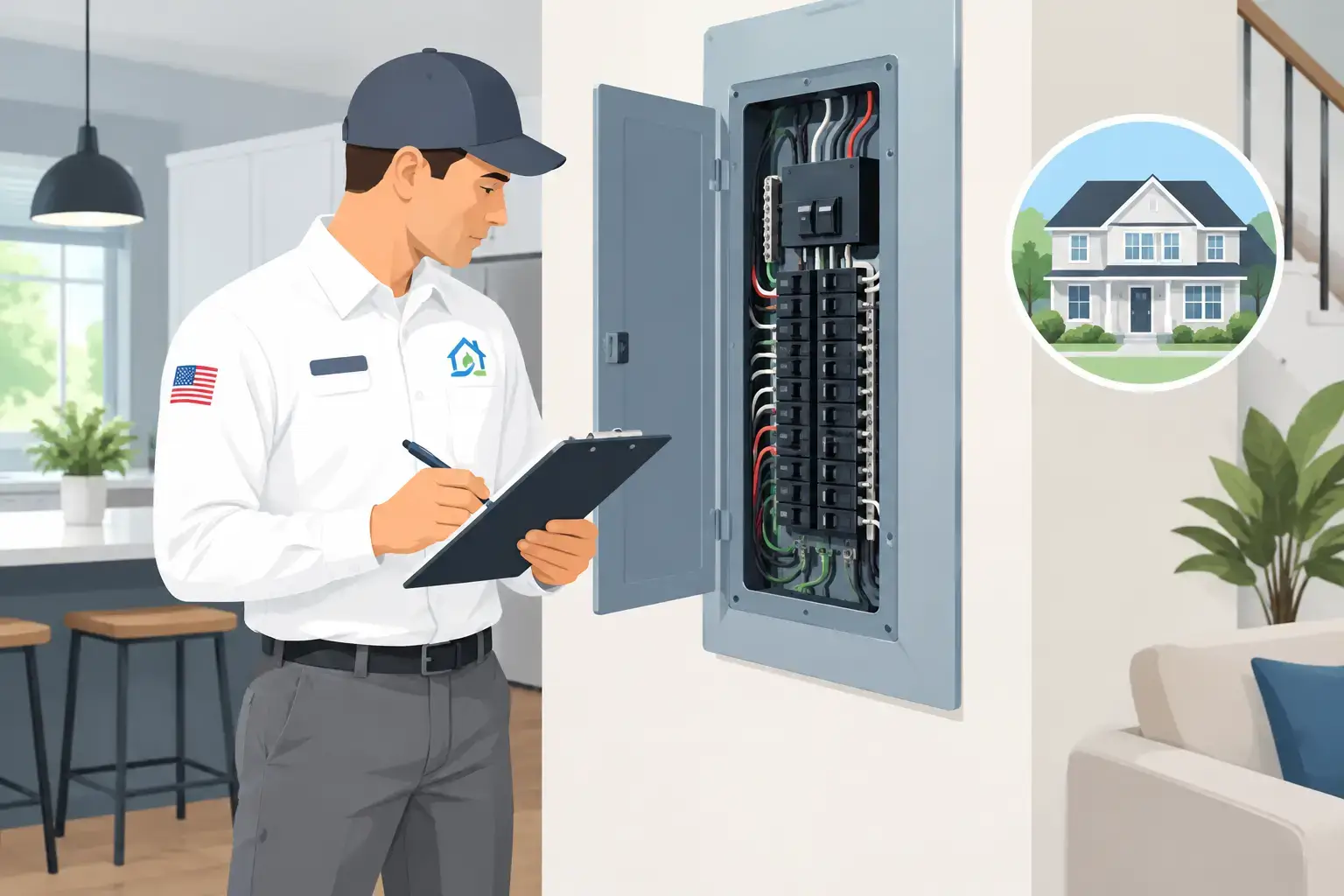
A whole-home surge protective device is installed at or near the main electrical panel. When a surge enters through the utility service, the device helps redirect excess voltage safely toward the grounding system before it reaches circuits throughout the house.
This is the first and most valuable layer of defense because it protects more than the outlets where you have plugged in surge strips. It can help protect major appliances, built-in equipment, and electrical systems across the home. It does not make your home invincible during a severe direct strike, but it greatly improves protection from common utility-related and nearby-lightning surges.
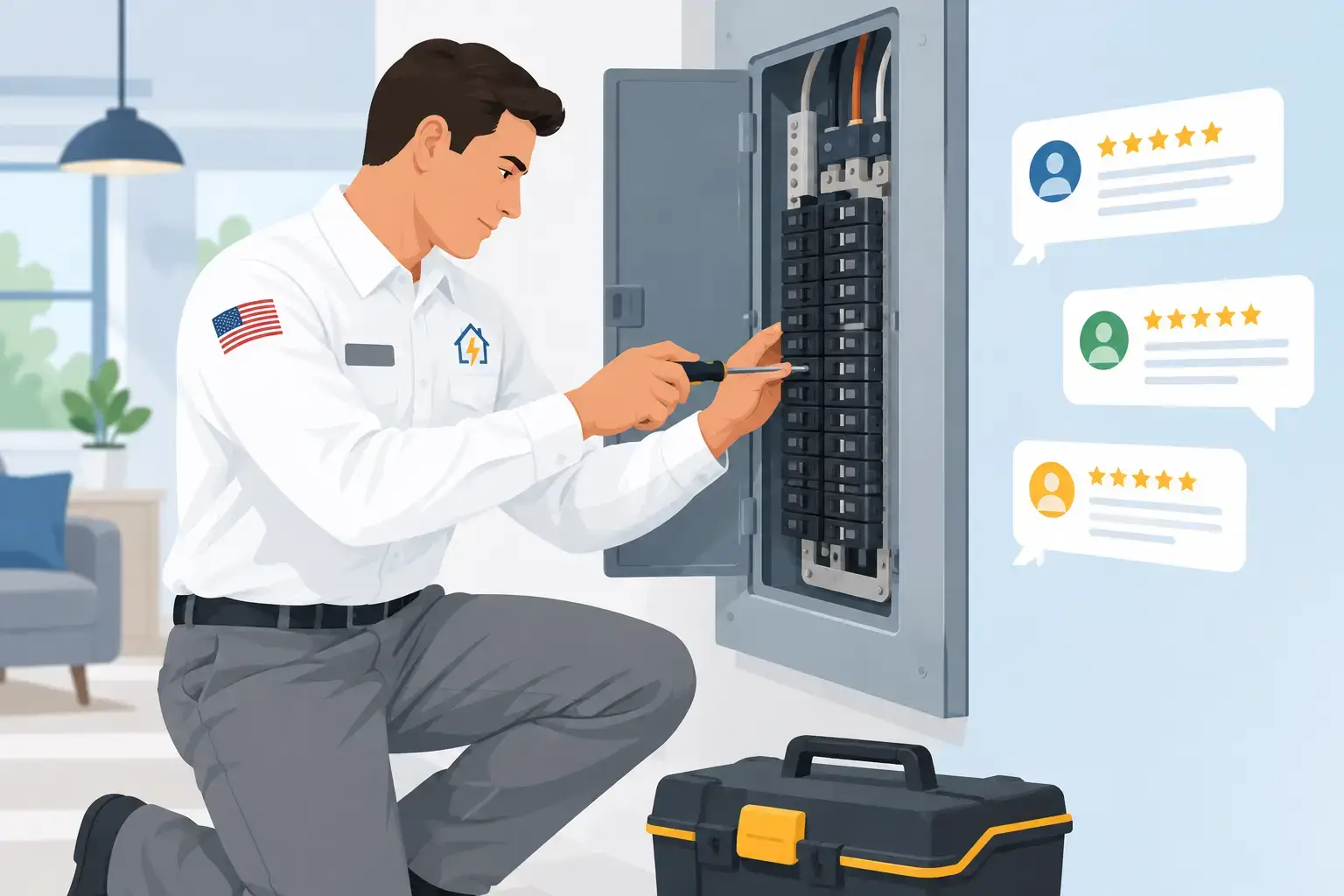
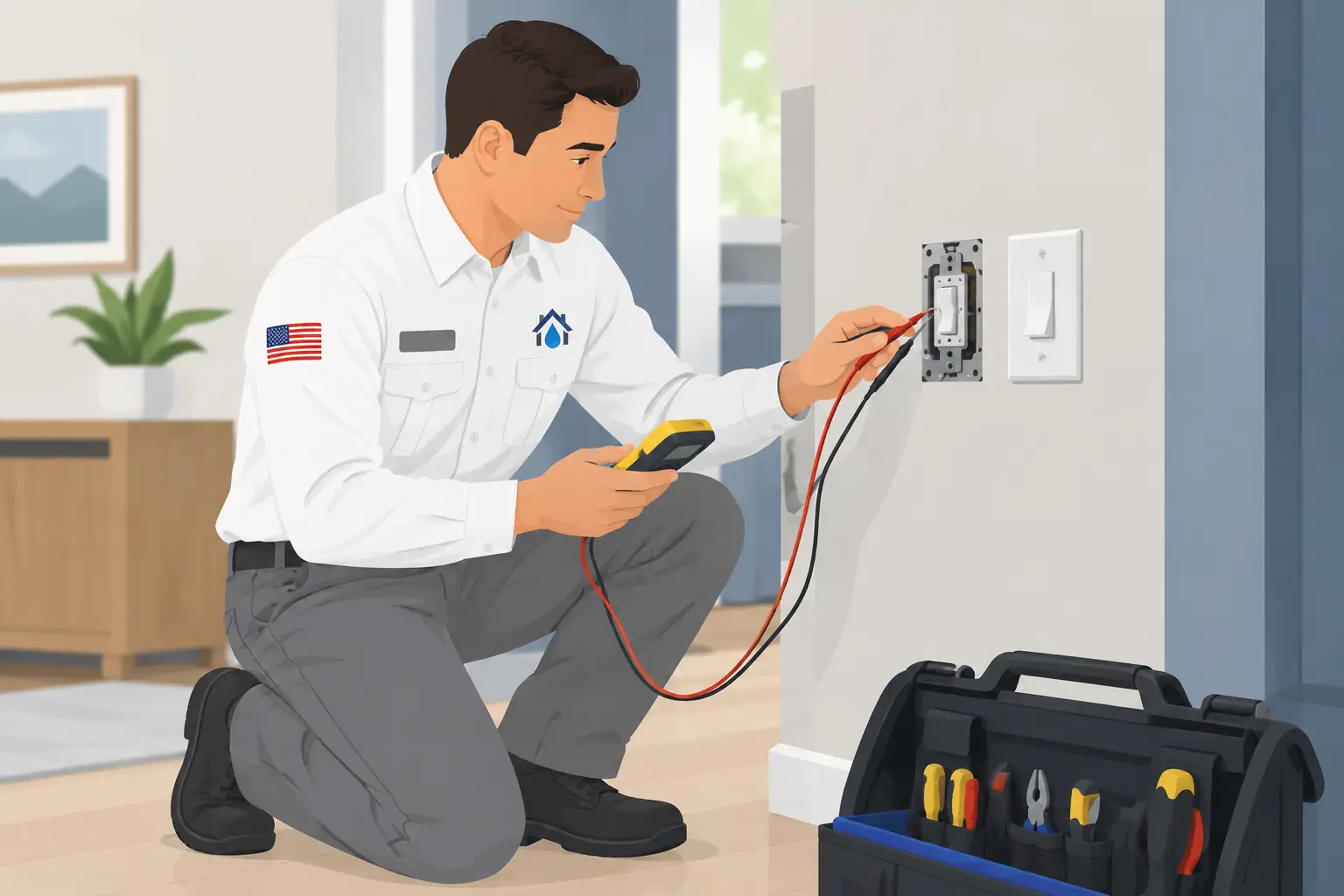
Installation belongs to a licensed electrician. The device must be properly matched to the panel, installed according to electrical code, and connected to a sound grounding system. This is not a weekend DIY project. Work inside an electrical panel exposes you to energized components even when individual breakers are turned off.
Make sure your grounding system is doing its job
Surge protection needs a reliable path to ground. Without proper grounding and bonding, a surge protector has far less ability to safely direct excess energy away from your electronics.
Grounding connects your electrical system to the earth. Bonding connects metal components and systems so they remain at the same electrical potential during a fault or surge. These details are easy to overlook because most of the work is not visible after installation, but they are central to electrical safety.
Older homes, homes with panel upgrades from different eras, and properties with previous unpermitted work may have grounding concerns that deserve a professional evaluation. An electrician can inspect the service equipment, grounding electrode connections, bonding, panel condition, and signs of outdated wiring practices.
Use quality surge protection at sensitive devices
Point-of-use surge protectors still have an important role. Use them for electronics that are particularly sensitive or expensive to replace, such as computers, televisions, gaming systems, network equipment, and home office setups.
Choose a listed surge protector rather than relying on an ordinary extension cord or inexpensive multi-outlet strip. A power strip gives you more outlets. A surge protector is designed to respond to excess voltage. They may look similar, but they do not provide the same protection.
Remember that surge protectors wear out over time. Each event can reduce their remaining capacity, and indicator lights are helpful but not a guarantee that the device is still providing full protection. Replace damaged, discolored, hot-to-the-touch, or aging units. Never overload a surge protector by connecting high-wattage appliances or chaining multiple strips together.
What to Do When a Thunderstorm Is Moving In
If a storm is close enough that you can hear thunder, take a few simple precautions before conditions worsen. The goal is to reduce exposure without creating a new safety hazard.
- Save work on computers and disconnect sensitive electronics that are not in use.
- Unplug chargers, entertainment equipment, and small appliances when it is safe to do so.
- Avoid using corded electrical equipment during the storm.
- Keep clear of electrical panels, outlets, and wiring if you notice buzzing, heat, smoke, or a burning smell.
- Do not handle fallen utility lines or equipment damaged by wind or lightning. Stay back and report it to the utility provider.
Unplugging can offer the strongest protection for portable devices because it physically separates them from the electrical system. Still, do not rush to unplug equipment once a storm is directly overhead. Your safety comes first. If lightning is active nearby, wait until the threat has passed.
It is also wise to disconnect cable, satellite, or network connections from sensitive equipment when practical. Electrical surges do not always enter through the power cord alone. A connected data line can provide another path into a television, modem, or computer.
Do Not Forget Hardwired Equipment
The devices that homeowners remember to protect are usually the ones they can see: a TV, computer, or phone charger. But some of the costliest electronics are installed out of sight.
Your HVAC system, kitchen appliances, garage door opener, irrigation controller, pool or spa equipment, and smart home controls may all contain circuit boards. Whole-home surge protection helps provide a foundation for these systems. In some cases, an electrician may recommend additional protection for a particular piece of equipment, especially where a manufacturer requires it or the system is exposed to frequent power disturbances.
If you have recently added an EV charger, hot tub, sauna, or major appliance, make sure the circuit and panel capacity were evaluated as part of the installation. Properly sized dedicated circuits, correct grounding, and code-compliant connections support both reliable operation and surge protection.
What to Check After a Lightning Event
After a close strike or major storm, walk through the home and look for obvious changes. Resetting a tripped breaker once may be appropriate, but a breaker that trips again should not be forced back on repeatedly. That can point to damaged equipment, a wiring fault, or an active safety issue.
Watch for flickering lights, outlets that no longer work, unusual appliance behavior, a hot electrical panel, buzzing sounds, or burning odors. If you see scorch marks, smell burning insulation, or hear arcing, turn off power only if you can do so safely and contact a qualified electrician right away.
Some surge damage is not immediate. Electronics may continue working but fail weeks later because a surge weakened internal components. If a device begins restarting, losing settings, running inconsistently, or showing error codes after a storm, do not assume it is unrelated.
When It Is Time for a Professional Inspection
A whole-home surge protector is one of those upgrades that is easy to appreciate after a storm, but best installed before one. It is especially worth considering if your home has an older panel, frequent outages, expensive electronics, recent renovations, or new high-demand equipment.
At Service Right Electric, our employee-owned team can inspect your panel, grounding, and existing protection, explain what we find in plain language, and provide clear options before work begins. Our process is simple: call, diagnose, fix.
Lightning protection cannot promise that every device will survive every direct strike. It can, however, reduce the risk substantially when your panel, grounding, and device-level protection work together. A quick electrical evaluation before storm season can provide far more peace of mind than replacing damaged equipment afterward.


0 Comments