A breaker that trips once after a hair dryer and space heater run at the same time may be doing its job. A breaker that trips repeatedly, feels warm, makes a buzzing sound, or will not reset is a different situation. Circuit breaker repair is not about forcing the switch back on. It is about finding out why the circuit is overloaded, damaged, or no longer protected the way it should be.
For homeowners, the goal is simple: safe, dependable power without guessing at a problem inside the panel or walls. Electrical faults can start small, but a recurring breaker issue deserves professional attention before it becomes an outage, damaged equipment, or a fire risk.
What a Circuit Breaker Is Supposed to Do
Your breaker panel divides your home’s electrical system into circuits. Each breaker monitors the amount of electrical current on its circuit and shuts off power when it detects more current than the wiring can safely handle. That quick shutoff helps prevent overheated wires and electrical fires.
A trip is not automatically a sign that the breaker itself has failed. In many cases, the breaker is responding correctly to a problem elsewhere. The real cause could be too many devices on one circuit, a failing appliance, a loose connection, damaged wiring, moisture in an outdoor component, or a short circuit.
That distinction matters. Replacing a breaker without diagnosing the circuit can leave the original hazard in place. A trained residential electrician tests the panel, breaker, wiring, and connected devices to identify the source of the problem before recommending a repair.
Signs You May Need Circuit Breaker Repair
A breaker that trips every few months after an obvious overload is usually less urgent than one that trips every day. Still, any repeated tripping is worth tracking. Note what was running when it happened and whether the same rooms, outlets, or appliances lose power each time. That information can speed up diagnosis.
Call for service promptly if a breaker will not stay reset after you have unplugged devices on that circuit. You should also treat flickering lights, a burning odor, heat around the panel, crackling or buzzing sounds, discolored outlets, or a breaker that looks damaged as reasons to stop using the circuit and have it inspected.
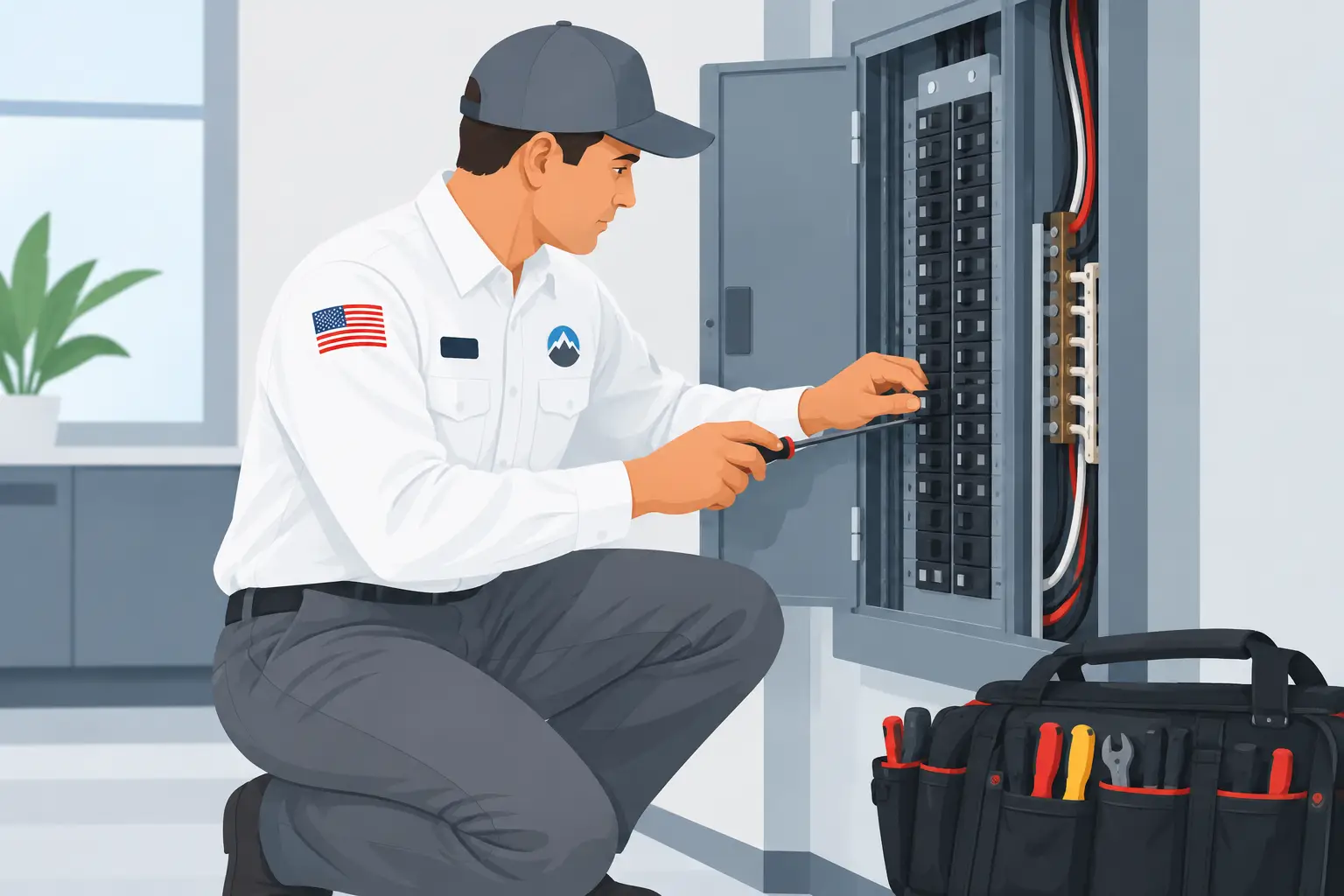
A breaker that feels hot to the touch should never be ignored. Panels and breakers can carry dangerous voltage even when portions of the home have lost power. Do not remove the panel cover or attempt to tighten connections yourself. This is not a weekend DIY project.
Frequent Tripping
Frequent trips often point to an overloaded circuit. Older homes may have rooms with too few outlets, leading residents to rely on power strips and extension cords. Kitchens, garages, bathrooms, laundry areas, and outdoor spaces can also place heavy demands on a single circuit.
Sometimes the fix is as straightforward as redistributing electrical use. Other times, the better long-term solution is adding a dedicated circuit for equipment that needs one. The right answer depends on the appliance load, the existing wiring, and the available capacity in the panel.
A Breaker That Will Not Reset
If a breaker immediately snaps back to the off position, something may be shorted or grounded on the circuit. Unplugging portable items can help rule out a simple appliance issue, but do not keep trying to reset the breaker. Repeatedly resetting a breaker against an active fault can cause more damage.
An electrician can isolate the circuit and test whether the issue is in a connected device, an outlet, a switch, exterior equipment, or concealed wiring. That process is more reliable than replacing parts based on a guess.
Lights That Flicker or Power That Cuts Out
Flickering lights are sometimes caused by a loose bulb, but widespread flickering or power loss in multiple areas can signal a larger electrical problem. A loose panel connection, aging breaker, damaged service equipment, or issue with a circuit connection may be involved.
Pay particular attention when lights dim as an appliance starts, when outlets intermittently work, or when the panel seems to make noise. These are not normal signs of a healthy electrical system.
Why Breakers Fail
Like other electrical components, breakers can wear out over time. Age, heat, repeated overloads, corrosion, improper installation, and loose connections can affect how reliably a breaker operates. A failing breaker may trip too easily, fail to trip when it should, or show signs of heat damage.
However, breaker failure is only one possibility. A breaker may appear to be the problem when it is actually reacting to deteriorating wiring or a fault in a connected appliance. This is why professional diagnosis comes before replacement.
There is also a safety trade-off homeowners should understand: installing a larger breaker to stop tripping is never a safe shortcut unless a qualified electrician has confirmed that the wiring and circuit design are rated for it. An oversized breaker can allow wires to overheat before protection activates.
What Professional Breaker Diagnosis Looks Like
A good repair visit starts with questions. Which breaker trips? What was operating at the time? Has the issue changed recently? Are there hot outlets, water exposure, recent remodeling, or new equipment such as a hot tub, EV charger, or major appliance?
From there, the electrician inspects the panel and tests the affected circuit. Depending on the issue, that may include checking the breaker condition, load on the circuit, wiring connections, grounding, outlets, switches, and equipment connected to the line. The findings determine whether the repair involves a breaker replacement, a damaged connection, circuit wiring, a new dedicated circuit, or a panel upgrade.
For Service Right Electric, the process stays straightforward: call, diagnose, and fix. Homeowners receive a clear explanation of what is causing the problem and the available repair options before work begins. That matters when electrical issues feel urgent but the underlying cause is not visible.
When a Panel Upgrade May Be the Better Repair
Not every breaker problem calls for a panel upgrade. If one aging breaker has failed and the panel is otherwise safe and appropriately sized, a targeted repair may be all that is needed.
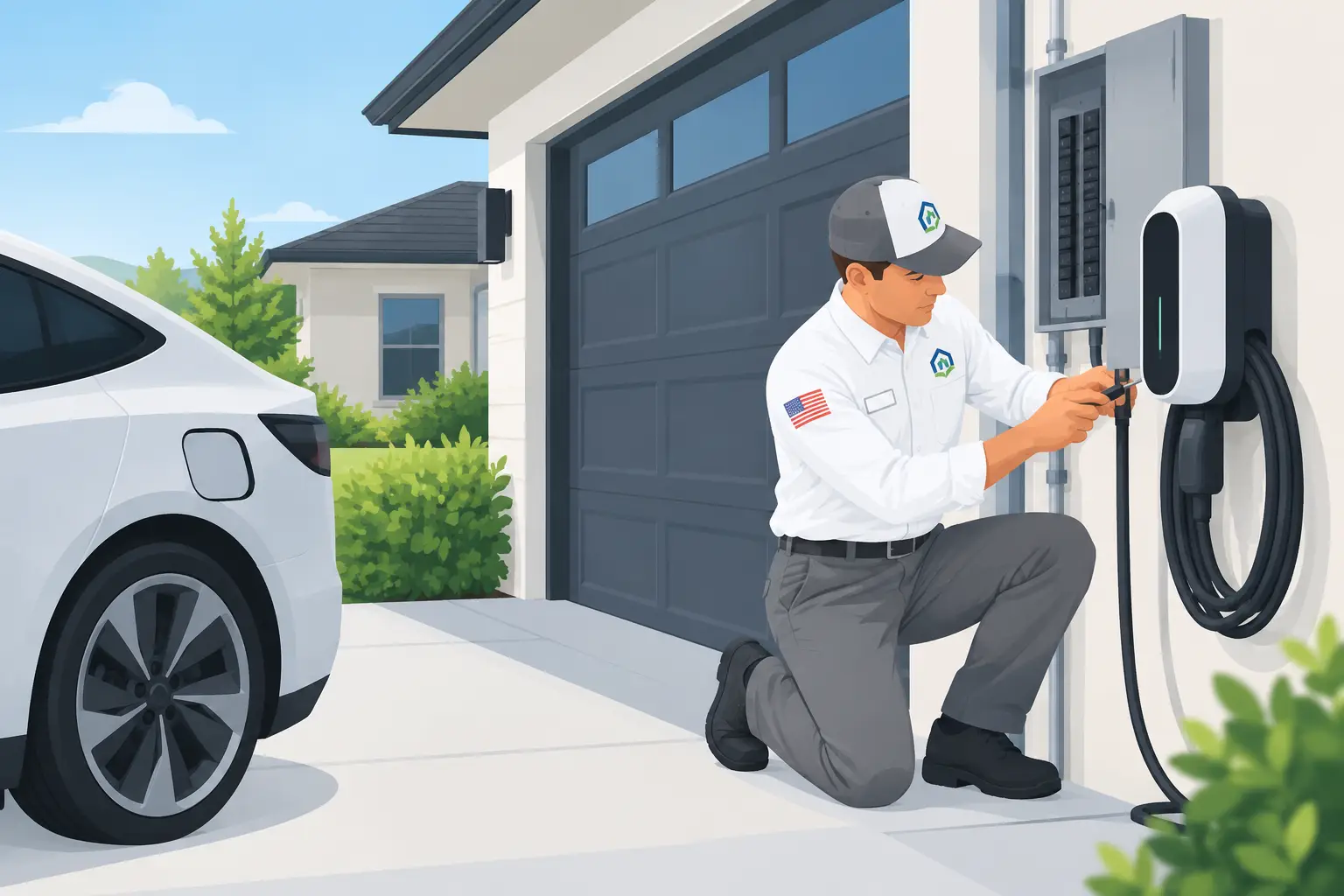
But an upgrade can make sense when a panel has limited capacity, shows deterioration, uses outdated equipment, or cannot safely support the way the household uses electricity now. Homes adding EV charging, electric appliances, a hot tub, standby power equipment, or expanded living space may need more than a replacement breaker.
A panel evaluation helps separate a necessary upgrade from an unnecessary expense. The decision should be based on the home’s electrical load, the condition of existing equipment, and planned improvements, not simply on the fact that a breaker has tripped.
What You Can Safely Do Before Help Arrives
If a breaker has tripped, turn off or unplug the items that were running on that circuit. Reset the breaker once by moving it fully to the off position and then back on. If it stays on and the situation was clearly an overload, reduce the number of devices used at the same time.
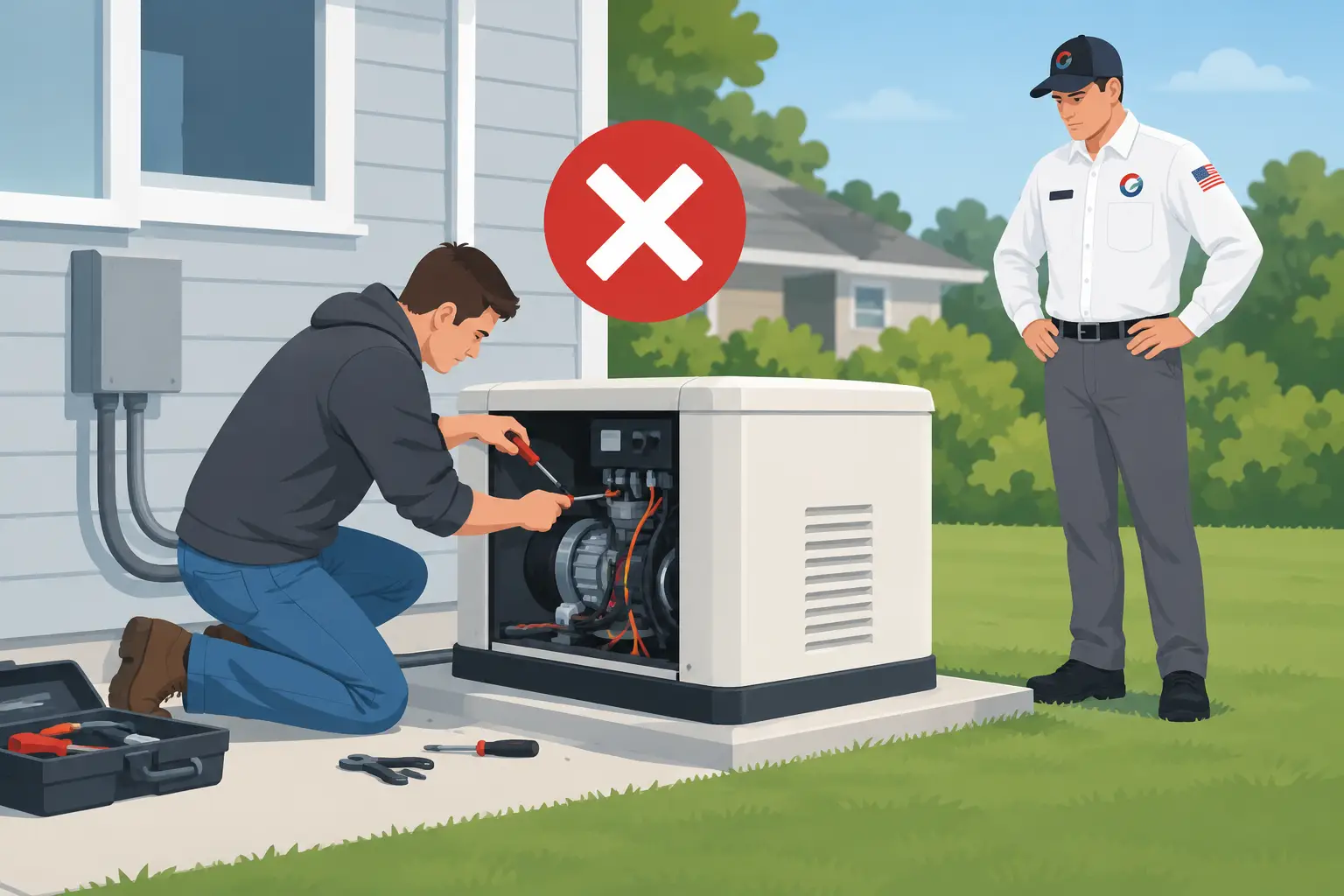
If it trips again, leave it off. Do not use extension cords to route power from another room as a permanent workaround. Never hold a breaker in place, replace it with a larger size, open the panel, or continue using outlets that are hot, damaged, or discolored.
If you smell burning, see smoke, hear arcing, or notice significant heat at the panel, move people away from the area and seek immediate emergency assistance. For non-emergency repairs across Southern Utah, a licensed residential electrician can inspect the system and restore safe operation.
A breaker trip is your home’s warning system doing its work. Treat repeat trips and warning signs as a reason to act, not an inconvenience to work around. A proper diagnosis now can protect your home, your equipment, and the people who rely on both every day.



0 Comments