
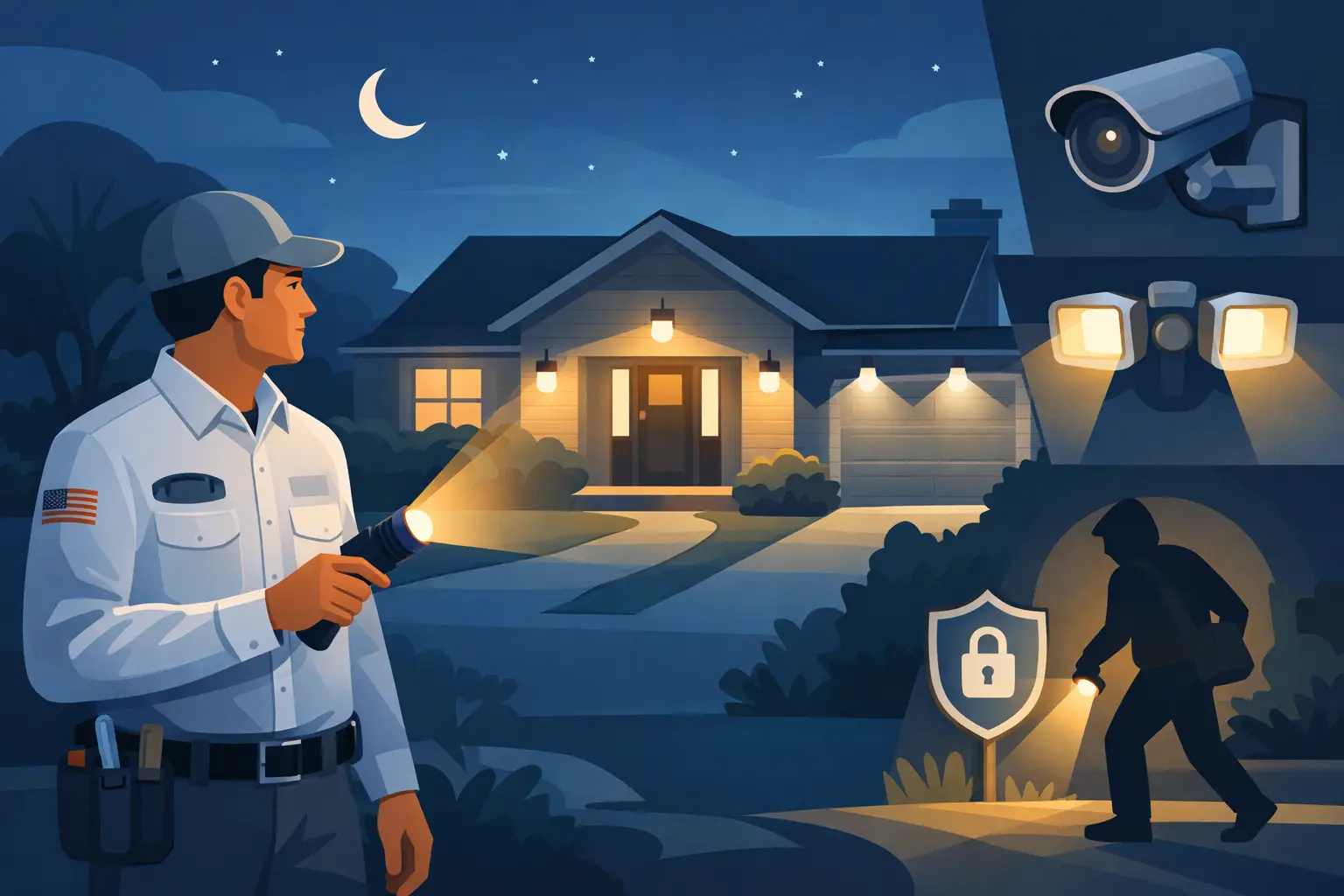
A dark front step, a shadowed side gate, or a patio with one harsh floodlight can make a home feel less safe and less useful after sunset. Well-planned outdoor lighting changes that. It helps your family see where they are walking, makes entrances more welcoming, and gives you practical light where you actually use your yard.
The goal is not to put a bright fixture on every wall. Good exterior lighting is planned around your home, your routines, and the conditions the equipment will face. In Southern Utah, that also means accounting for intense sun, windblown dust, summer heat, and occasional heavy rain.
Outdoor Lighting Starts With the Areas You Use Most
Start by thinking about what happens outside your home after dark. The front door, driveway, garage, walkways, gates, and backyard gathering areas usually deserve attention first. These are the places where visibility has the greatest impact on daily safety and convenience.
Make entrances easy to see and use
Your front entry needs enough light for visitors to find the door, read house numbers, and safely manage stairs or changes in elevation. A pair of properly placed wall fixtures can create a more balanced look than one oversized fixture. If your entry has a covered porch, the ceiling fixture should light the threshold and steps without shining directly into the faces of people arriving.
Side and rear doors deserve the same attention. A dark door near a trash area, garage, or backyard can become an everyday frustration. A weather-rated fixture near the entrance makes coming home with groceries, taking out the trash, or letting the dog out much easier.
Light paths without creating glare
Walkway lighting should guide people from one point to another, not turn the path into a runway. Fixtures set too high or too close together can create bright spots followed by deep shadows. Low, shielded path lights or carefully aimed downlighting can provide useful visibility while keeping the space comfortable.
Pay special attention to stairs, retaining-wall transitions, uneven landscaping, and changes between a driveway and a sidewalk. These are common places for missteps, especially when guests are unfamiliar with the property. Light should define the edge of the path and reveal footing without spilling into nearby windows.
Give patios and decks flexible light
A patio often needs different lighting at different times. You may want bright, practical light for grilling or cleaning, then softer light for dinner or visiting outside. Separate controls make that possible. Instead of relying on one fixture to do every job, consider a combination of general overhead light, focused task light near cooking areas, and low-level accent lighting around the perimeter.
Deck steps and railings also need careful planning. The right placement improves visibility while preserving the relaxed feel of the space. Too much light at eye level can be distracting, while well-aimed low-level fixtures help people move safely.
Use motion sensing where it solves a real problem
Motion-activated lighting is useful near garages, side yards, gates, and back doors that are not used constantly. It can provide bright light only when needed, reducing wasted energy and avoiding an always-on glare into neighboring properties.
Placement and adjustment matter. A motion sensor aimed at a busy street, moving tree branches, or a neighbor’s walkway can trigger constantly. A licensed electrician can help select a location and setting that responds to activity on your property rather than every passing movement.
Choose Fixtures for the Job, Not Just the Look
A fixture may look right in a showroom but still be a poor choice for its location. Exterior fixtures need to be rated for the weather exposure they will receive. A light under a covered porch has different requirements than one installed on an exposed wall, post, or open patio.
Consider how the fixture directs light. Downward-facing, shielded fixtures generally keep light where it is useful and reduce glare. Floodlights have a place around driveways and larger yards, but they should be aimed with care. A floodlight that shines into a bedroom window or across a property line can create more annoyance than security.
Color temperature also affects how a space feels. Warmer light tends to feel inviting around front porches and patios. Cooler light can make utility areas appear brighter and more alert, but it may feel harsh near seating areas. There is no single best choice. The right option depends on the location, existing finishes, and how the area is used.
Durability matters just as much as appearance. Exterior equipment is exposed to heat, moisture, dust, insects, and temperature changes. Corroded connections, cracked fixture housings, loose mounting, and faded seals can all lead to unreliable operation. Quality installation protects the wiring and connections behind the fixture, where problems are not always visible.
Plan Controls That Fit Your Routine
The best lighting plan is easy to use. If turning on outdoor lights requires walking through the house to find several switches, chances are some areas will stay dark when they should be lit. Controls can simplify daily use while giving you more flexibility.
A photocell can turn lights on at dusk and off at dawn. Timers can keep decorative or entry lights on during the hours your family is most likely to be outside. Motion sensors can serve less frequently used locations. In some cases, separate switches are the better choice, especially when you want to control patio, landscape, and security lighting independently.
It depends on your household. A family that regularly arrives home after sports practices may want consistent driveway and entry lighting. A homeowner who travels often may prefer automatic controls that create a lived-in appearance. The right setup should be simple enough that everyone in the home can use it confidently.
Electrical Details Matter Outside
Outdoor lighting is more than hanging a fixture and connecting a few wires. Exterior circuits, boxes, covers, connections, and mounting methods must be suited to the environment. Water intrusion is a serious concern, particularly around fixtures, junction boxes, and underground wiring.
Existing wiring can also shape the project. An older light may have been installed with worn insulation, an undersized box, a loose connection, or a switch that is no longer functioning properly. Replacing the fixture alone may not correct the underlying issue. A proper diagnosis identifies whether the problem is the fixture, switch, wiring, breaker, or a connection exposed to moisture.
Landscape and low-voltage systems have electrical considerations too. Transformers, cable routing, outdoor-rated components, and the power source all need to be selected and installed appropriately. Buried cable should not become a surprise hazard when you plant a tree, repair irrigation, or update landscaping later.
This is not a weekend DIY project when new wiring, outdoor connections, electrical troubleshooting, or circuit changes are involved. A licensed residential electrician can verify the condition of the existing electrical system, install equipment correctly, and make sure the finished lighting works safely in the real conditions outside your home.
Signs Your Exterior Lighting Needs Professional Attention
Some problems call for more than a new bulb. Schedule an electrical service visit if you notice any of the following:
- A fixture flickers, dims, or works only intermittently.
- A breaker trips when exterior lights are turned on.
- Water appears inside a fixture, box, or lens.
- Switches feel warm, buzz, spark, or fail to control the light reliably.
- Fixture housings are cracked, loose, corroded, or pulling away from the wall.
- Landscape lights stop working after rain, irrigation, or yard work.
Do not ignore repeated tripping or moisture around electrical equipment. Turning the light off may stop the immediate symptom, but it does not identify why the problem started. Electrical issues outside can worsen as weather exposure continues.
What a Professional Outdoor Lighting Visit Looks Like
A good service visit begins with a clear conversation about what you want the lighting to accomplish. That might mean improving safety at a dark stairway, adding usable light to a patio, replacing failing fixtures, or creating a more welcoming entry. The electrician should inspect the current wiring and controls before recommending a solution.
From there, you should receive clearly explained options and upfront pricing before work begins. Some projects are straightforward fixture replacements. Others may require a new switch location, weather-rated box, dedicated circuit work, or repairs to existing wiring. Knowing the scope first helps you make a confident decision.
Service Right Electric follows a simple process: call, diagnose, and fix. Our residential electricians focus on clean workmanship, clear communication, and solutions that fit the way your home is used.
The right outdoor lighting should disappear into your routine. You notice it when the path is easy to follow, the door is easy to find, and your family can enjoy the yard after sunset without worrying about dark corners. If your exterior lights are unreliable or your property needs a better plan, a professional evaluation is a practical first step.



0 Comments