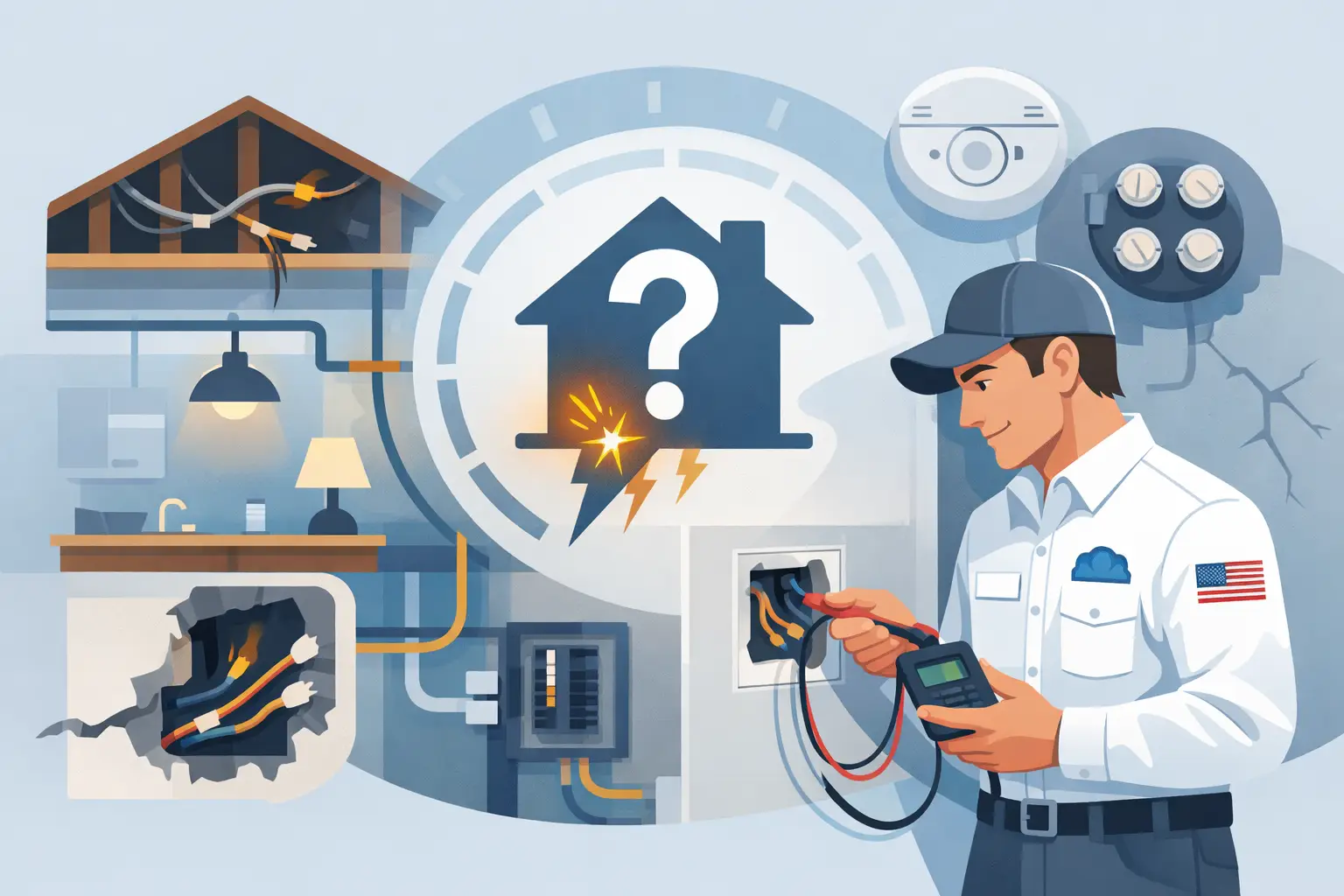
A light switch that feels warm, an outlet that no longer holds a plug, or a breaker that trips whenever the microwave runs can turn an ordinary day at home into a real safety concern. Homeowners often ask, when should wiring be replaced? The answer depends on its condition, age, materials, and whether it can safely support how your family uses electricity now.
Wiring does not come with a simple expiration date. Some older wiring can remain safe when it is in good condition and properly protected. Other systems need prompt attention because damage, outdated materials, or overloaded circuits create a fire or shock risk. A licensed electrician can inspect the system, explain what is happening, and recommend repairs or replacement based on the actual condition of your home.
When Should Wiring Be Replaced? Start With Warning Signs
Electrical problems are not always visible behind walls, but your home often provides clues. A single failed outlet may need a targeted repair. Repeated issues in several rooms can point to a larger wiring or panel problem.
Call for a professional electrical diagnosis if you notice several of these signs:
- Breakers trip repeatedly, especially when normal household appliances are in use.
- Lights flicker, dim, or brighten without an obvious reason.
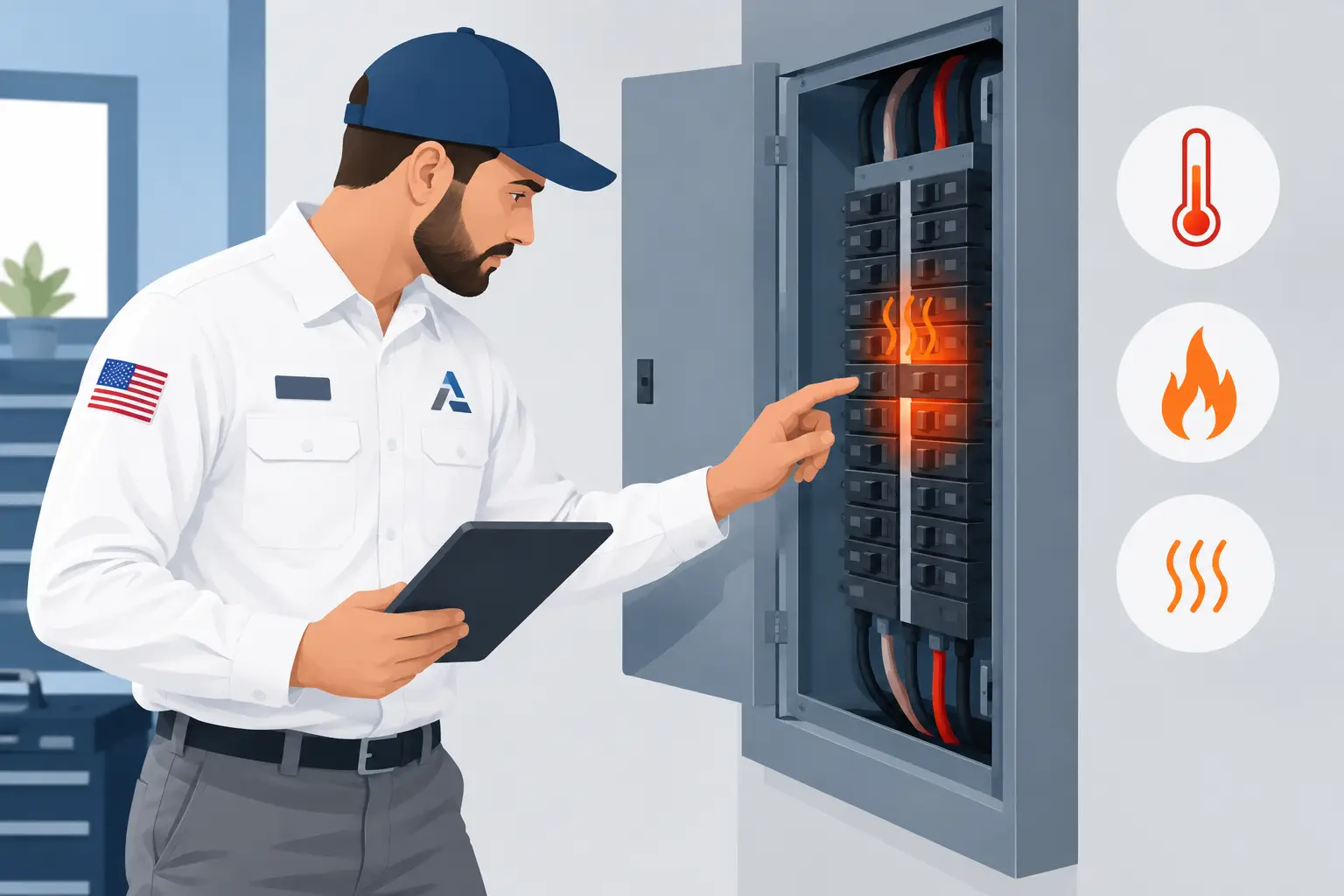
- Outlets, switches, cords, or electrical cover plates feel warm.
- You smell burning plastic, see discoloration around an outlet, or hear buzzing or crackling.
- You rely on extension cords or power strips because there are not enough outlets where you need them.
- Outlets are loose, plugs fall out, or switches work inconsistently.
Warmth, burning odors, smoke, sparks, or visible damage deserve immediate attention. Stop using the affected outlet or circuit when it is safe to do so, and contact a qualified electrician. Electrical repairs inside walls, panels, and junction boxes are not a weekend DIY project.
Age Matters, but Condition Matters More
A home built decades ago is not automatically unsafe. Previous owners may have updated the panel, added circuits, or replaced portions of the wiring. On the other hand, a newer home can have damaged wiring from a loose connection, pest activity, water intrusion, construction work, or an overloaded circuit.
Still, older homes deserve a closer look when there is no record of an electrical upgrade. Wiring installed many decades ago was designed for a different household. It may have been expected to power a few lights, a refrigerator, and small appliances – not multiple televisions, computers, kitchen equipment, climate-control equipment, chargers, and outdoor living features.
Older systems may also lack the grounding and safety protections expected in modern residential electrical work. That does not always mean every wire must be removed at once. It does mean a professional inspection is the right next step before adding major loads or assuming the system can handle them.
Older Wiring Materials That Need Evaluation
Some older wiring types require special attention. Cloth-covered insulation can become brittle over time, particularly in hot attic spaces. Wiring with damaged insulation exposes conductors that should remain protected. Certain older aluminum branch circuits may also need evaluation because connections can loosen or overheat if they were not installed or maintained correctly.
An electrician can identify the material, inspect accessible connections, check for damage, and determine whether a repair, a circuit upgrade, or a larger rewiring project makes sense. The recommendation should be based on what is found, not on a guess based only on the year your house was built.
Your Electrical Needs May Have Outgrown the Wiring
Sometimes wiring replacement is less about failure and more about capacity. Adding a major appliance, an EV charger, a hot tub, a sauna, or a standby generator can place demands on a system that was never designed for that load. The safest solution may be a dedicated circuit, a panel upgrade, new wiring to the equipment, or a combination of these improvements.
This is especially common in homes where outlets are scarce and extension cords have become permanent fixtures. Extension cords are useful for temporary use, but they are not a replacement for properly installed outlets and circuits. Running cords under rugs, through doorways, or across high-traffic areas can create shock, overheating, and trip hazards.
A well-planned upgrade can make the home more convenient while improving safety. Instead of asking one aging circuit to serve a home office, entertainment equipment, space heater, and kitchen appliance, an electrician can design properly sized circuits for the way you actually live in the space.
Water, Heat, and Physical Damage Change the Timeline
Wiring that has been exposed to water should be inspected, even if the lights still work. Roof leaks, plumbing leaks, flooding, and moisture around outdoor equipment can damage insulation, corrode connections, and create hidden problems inside boxes or walls.
Heat can also shorten the useful life of electrical components. Southern Utah homes can experience intense attic temperatures, and poorly protected or deteriorating wiring in those areas deserves careful evaluation. Rodents are another concern. Chewed insulation, nesting material near electrical equipment, and damaged cables should be repaired quickly.
Physical damage is not always dramatic. A screw driven into a wall, a remodel that moved electrical boxes, or a loose wire at an outlet can cause a problem long after the original work was completed. If an issue appeared after construction, landscaping work, a storm, or a water leak, mention that history during the service visit. It helps the electrician diagnose the cause faster.
Replacement Is Not Always Whole-Home Rewiring
The phrase “replace the wiring” can sound like every wall must be opened and every cable in the house must be removed. In some homes, a full rewiring project is the safest long-term answer. In many others, the better solution is more targeted.
A professional may recommend replacing a damaged circuit, correcting unsafe connections, adding grounded outlets, installing a dedicated circuit, upgrading a panel, or rewiring only the area being remodeled. The right scope depends on inspection findings, local code requirements, accessibility, future plans, and the condition of the existing electrical system.
There are trade-offs. A targeted repair can address an immediate defect with less disruption, but it may not solve capacity limitations elsewhere in an aging home. A larger upgrade requires more planning, yet it can provide safer power for future improvements and reduce the need to revisit the same underlying problem later.
What Happens During a Professional Wiring Evaluation
A thorough electrical visit should give you clarity, not pressure. The electrician will ask what you have noticed, inspect the affected area and accessible electrical components, and test circuits as needed. They may check outlets, switches, breakers, grounding, connections, visible cable condition, and the load placed on specific circuits.
From there, you should receive a clear explanation of the findings. If wiring needs replacement, the conversation should cover why it is needed, which areas are affected, what options are available, and what work will be required to complete the repair safely. For homeowners, that clarity matters as much as the repair itself.
Service Right Electric follows a straightforward process: call, diagnose, and fix. Our licensed residential technicians explain the issue before work begins, provide upfront pricing, and focus on completing repairs correctly so you can feel confident using your home’s electrical system again.
Do Not Wait for a Small Electrical Issue to Become an Emergency
A tripping breaker can be frustrating. A hot outlet or burning smell can be dangerous. The difference is not always obvious without testing, which is why recurring electrical symptoms should not be ignored or covered up with a larger power strip.
If you are planning a renovation or adding new electrical equipment, schedule an evaluation before installation begins. If you are already seeing warning signs, arrange a professional diagnosis now. A timely wiring repair or upgrade can protect your home, support the way your family uses power, and replace uncertainty with a clear path forward.



0 Comments