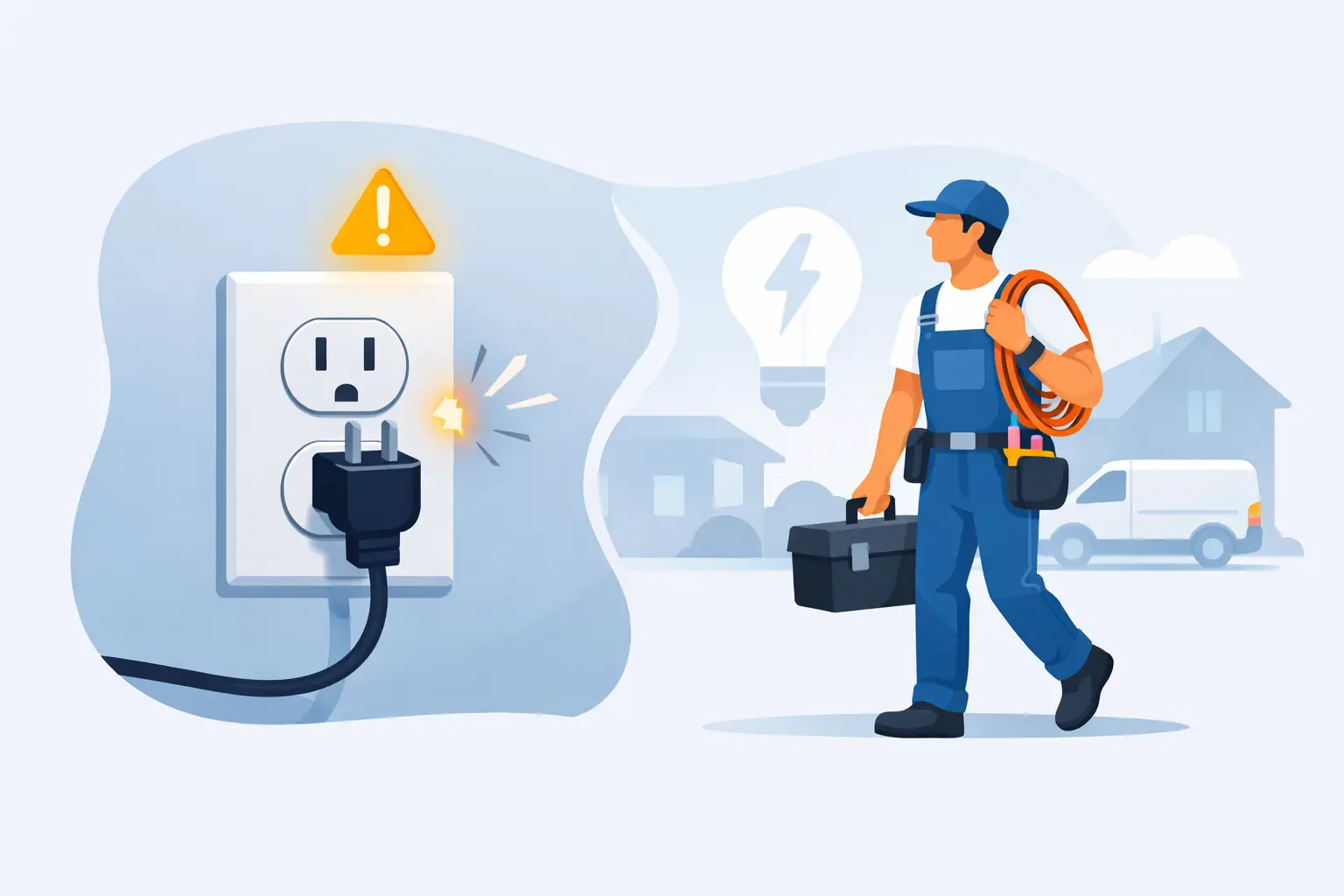
A dead outlet can stop a morning routine, leave a freezer without power, or make you wonder whether something dangerous is happening behind the wall. If you are searching for an “outlet not working electrician,” the right next step depends on what the outlet is doing – and what you notice around it.
A single outlet may have a simple cause, such as a tripped GFCI device. It can also point to a loose wire connection, a failed receptacle, an overloaded circuit, or a problem at the electrical panel. Homeowners should never remove an outlet cover or work on energized wiring to find out. That is not a weekend DIY project.
Start With a Few Safe Checks
Before scheduling service, there are a few checks you can make without opening anything or handling wiring. First, confirm that the device you plugged in works somewhere else. Chargers, lamps, and appliances can fail, and testing the device in a known working outlet rules that out quickly.
Next, look for a tripped breaker in your panel. A breaker may sit between the fully ON and OFF positions when it has tripped. Move it firmly all the way OFF, then back ON one time. If it immediately trips again, leave it off. Repeated tripping is a warning that the circuit needs professional diagnosis, not repeated resets.
Also check nearby GFCI outlets, especially in kitchens, bathrooms, garages, laundry rooms, outdoor areas, and unfinished spaces. A GFCI outlet has TEST and RESET buttons and may protect several regular outlets farther down the circuit. Press RESET once. If it will not reset, or resets and trips again, call an electrician.
If these safe checks do not restore power, avoid using extension cords as a permanent workaround. A temporary cord may be reasonable for a low-demand device while you arrange repair, but it should not replace a failed outlet or carry power to a major appliance.
When an Outlet Not Working Needs an Electrician Right Away
Some outlet problems should be treated as urgent. Turn off power to the circuit if you can do so safely, keep people away from the outlet, and schedule professional service promptly if you notice burning odors, warmth, discoloration, buzzing, sparking, melted plastic, or a loose outlet that moves in the wall.
The same applies when an outlet has been exposed to water or when a breaker keeps tripping. Water and electricity are an unsafe combination, even after the visible moisture seems gone. An electrician can determine whether the outlet, wiring, GFCI protection, or another component needs replacement.
A partially working outlet deserves attention too. For example, one plug may work while the other does not, or the outlet may only provide power when a cord is held at a certain angle. Those symptoms often come from worn internal contacts or loose connections. Left alone, a poor connection can create heat and damage the receptacle or wiring.
Why Outlets Stop Working
Electrical systems are connected in a sequence. That means the outlet that appears dead may not be where the actual problem begins. The failed connection could be at another outlet, a switch, a GFCI device, a junction box, or the breaker panel.
A worn receptacle is one possibility, particularly in older homes or heavily used locations. Receptacles are mechanical devices. Over time, their internal contacts can loosen, making plugs fit poorly and causing intermittent power.
Loose wiring is another common cause. Heat cycles, normal home movement, older installation methods, and years of use can affect electrical connections. Diagnosing this safely requires testing and inspection with the power properly controlled. Guessing at the problem can make a manageable repair more serious.
Overloaded circuits can also lead to failures and breaker trips. Garages, kitchens, home offices, and entertainment areas often gain more equipment over time than the original circuit was designed to serve. If the problem occurs whenever you run a space heater, microwave, hair dryer, air compressor, or similar high-demand item, the answer may be a dedicated circuit or a circuit upgrade rather than another replacement outlet.
In Southern Utah homes, outdoor outlets deserve extra attention. Heat, dust, irrigation, rain, and normal wear can affect weather-resistant receptacles and protective covers. A properly installed outdoor GFCI outlet and in-use cover help protect the equipment, but damaged components should be repaired rather than taped, covered, or ignored.
What an Electrician Will Check
A qualified residential electrician starts by identifying the scope of the issue. Is one outlet out, or are multiple outlets, lights, or switches affected? Is the problem limited to one room? Did it begin after a storm, renovation, appliance installation, or breaker trip?
From there, the technician can test the outlet and circuit, inspect GFCI protection, evaluate the breaker, and trace the affected wiring connections as needed. The goal is not simply to make the outlet work for the moment. It is to find the reason it failed and correct the condition safely.
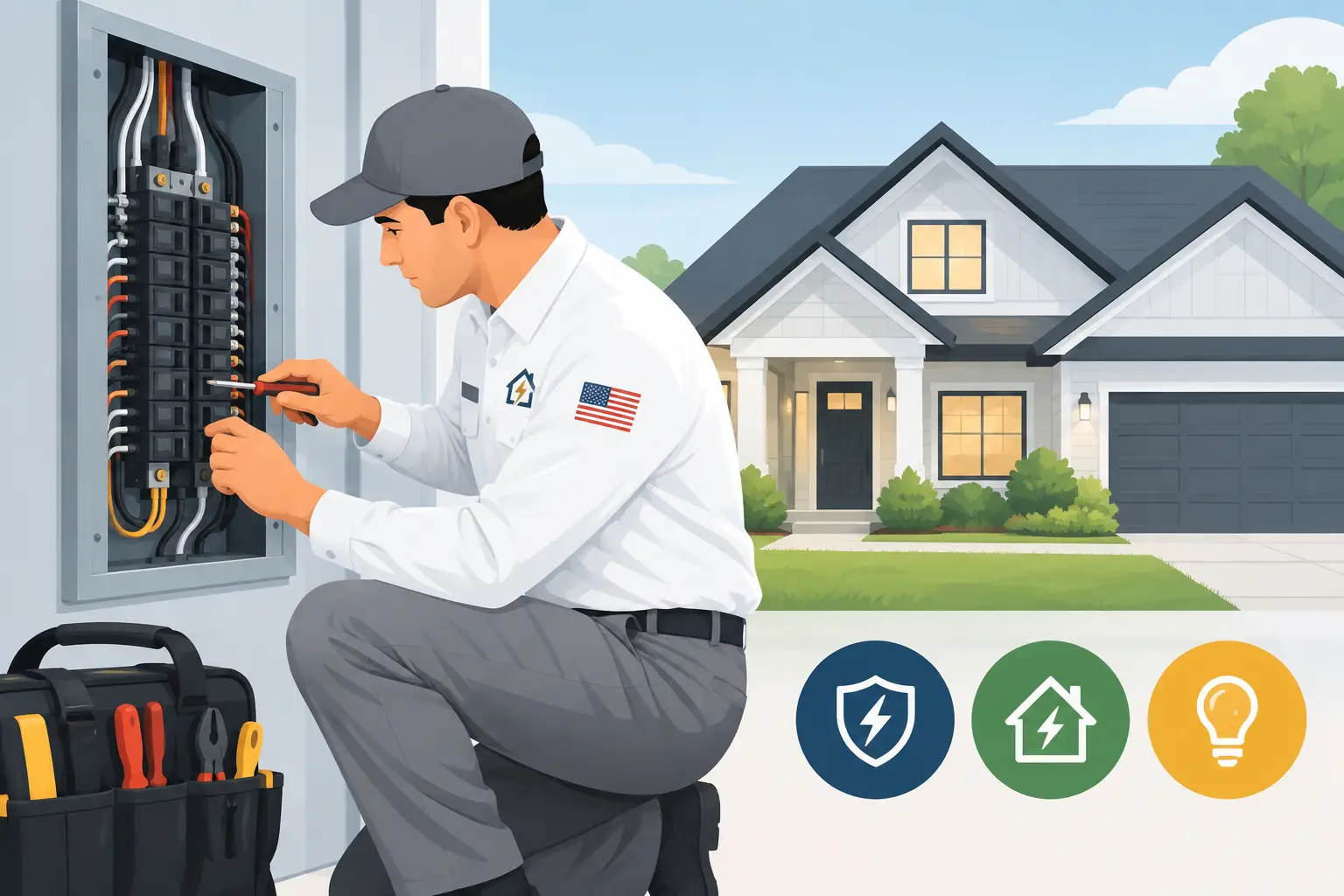
Sometimes the repair is straightforward: replace a damaged receptacle, reset or replace a failed GFCI, or correct a loose connection. Other times, the technician may recommend repairs to aging wiring, a new dedicated circuit, updated surge protection, or panel work. The right option depends on the age of the home, the condition of the electrical system, and how you use the space.
A clear service visit should include an explanation of what was found, what repair is recommended, and the price before work begins. That gives you room to ask questions and make a decision without surprises.
Do Not Let a Dead Outlet Become a Bigger Problem
It is tempting to ignore one outlet when there are others nearby. But a dead outlet can be the first visible sign of a failing connection or overloaded circuit. The risk is higher when the outlet serves a refrigerator, garage tools, medical equipment, a sump pump, a security system, or equipment that supports your daily routine.
Avoid covering the outlet with furniture and forgetting about it. Do not replace a standard outlet with a GFCI just because another GFCI will not reset, and do not install a larger breaker to stop nuisance trips. Those actions can hide the underlying issue and create a hazard.
For homes with older two-slot outlets, frequent extension-cord use, flickering lights, or limited power where you need it most, an outlet repair visit can also be a good time to discuss practical upgrades. Adding properly placed outlets, USB receptacles, dedicated appliance circuits, or whole-home surge protection can make the home safer and more convenient.
Fast, Clear Residential Outlet Repairs
When an outlet stops working, you need more than a quick reset and a guess. You need a technician who can diagnose the cause, explain the repair clearly, and complete the work correctly. Service Right Electric focuses on residential electrical service across Southern Utah, with licensed technicians, upfront pricing, and a straightforward process: call, diagnose, and fix.
If an outlet is warm, damaged, sparking, wet, or connected to a breaker that will not stay on, do not wait for it to become a larger electrical problem. Arrange professional diagnosis, keep the circuit off when appropriate, and get your home back to safe, reliable power.



0 Comments