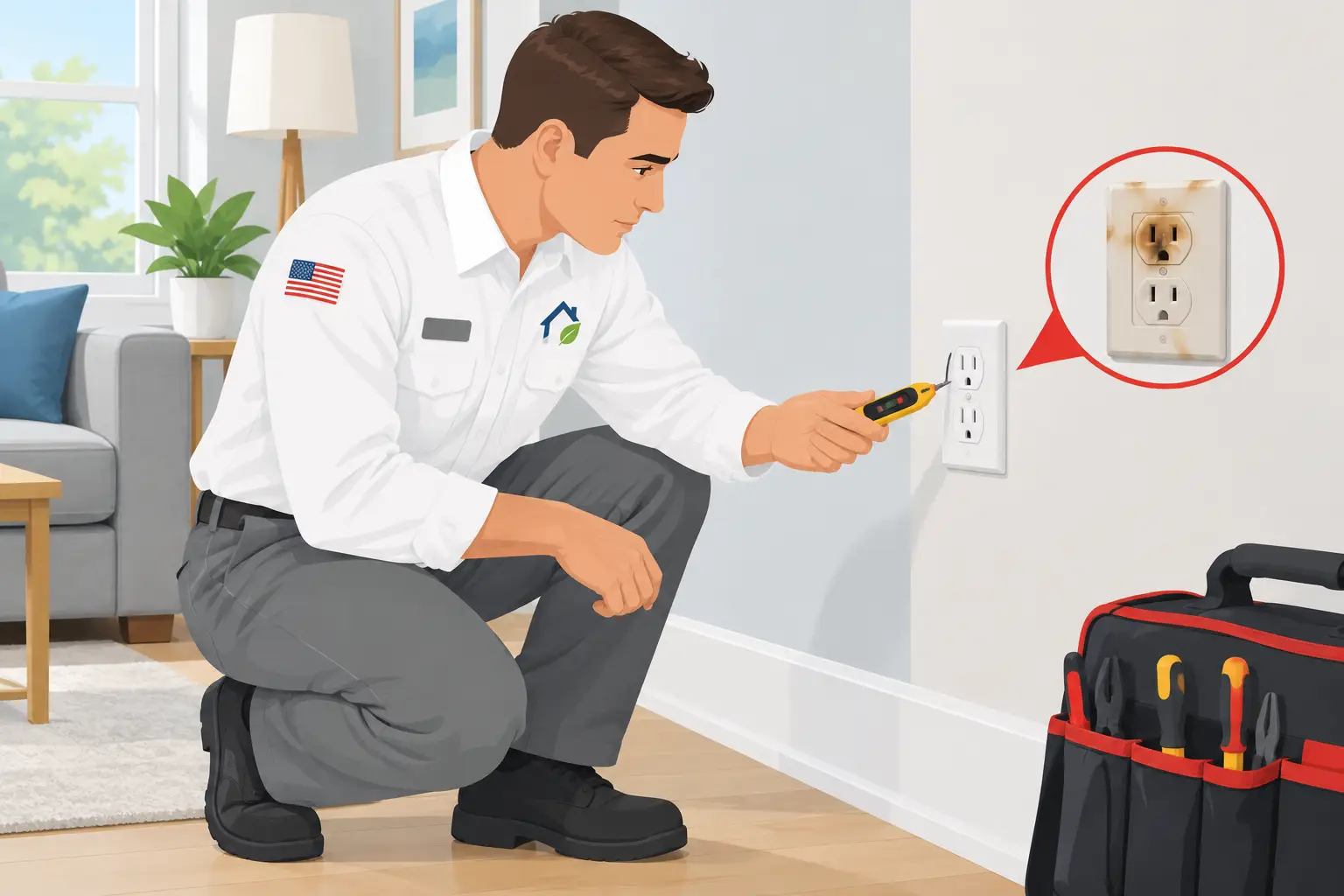
That outlet behind the nightstand may seem harmless until a phone charger falls out, a plug feels hot, or the power cuts off without warning. Knowing how to identify faulty outlets can help you protect your home before a small electrical problem becomes a shock, damaged appliance, or fire hazard. The goal is not to take the outlet apart yourself. It is to recognize the warning signs, make the area safe, and know when to call a licensed electrician.
Start With the Warning Signs You Can See and Feel
A working outlet should hold a plug securely, deliver consistent power, and stay cool during normal use. If it does not, treat that change seriously. Electrical issues often begin with small, repeatable symptoms rather than a dramatic failure.
Look for discoloration around the cover plate, melted plastic, cracks, scorch marks, or a cover that feels unusually warm. A faint buzzing, crackling, or sizzling sound is another warning sign. So is a burning or fish-like odor near an outlet, even if you cannot see visible damage.
Plug fit matters, too. If cords slide out easily, droop, or only work when positioned a certain way, the internal contacts may be worn. Loose contacts can create heat and arcing inside the box, where the problem is not always visible from the room.
Do not ignore an outlet that has suddenly stopped working. It may be a simple tripped safety device, but it can also point to a loose connection, damaged wiring, or a problem elsewhere on the circuit.
How to Identify Faulty Outlets Without Taking Risks
Homeowners can perform a few basic checks without removing a cover plate or touching wiring. Start by unplugging everything from the outlet. If a device or charger is hot, damaged, or smells burned, stop using it as well. The issue may be the appliance, the outlet, or both.
Next, try a small device you know works, such as a lamp, in the outlet. Then test that same lamp in another outlet. If the lamp works elsewhere but not in the first location, the outlet or its circuit likely needs attention. If the lamp does not work anywhere, the lamp itself may be the problem.
Check nearby outlets and lights in the same room. When several devices lose power together, the issue may involve a breaker, a ground-fault circuit interrupter outlet, or wiring on a shared circuit. Avoid repeatedly resetting a breaker that trips again. A breaker is doing its job when it shuts off power because it detects an unsafe condition.
A plug-in outlet tester can identify certain common wiring concerns, but it does not diagnose every problem. It cannot confirm that a connection is secure behind the wall, locate heat damage, or rule out every wiring defect. Think of it as a useful clue, not a final answer.
Check for a Tripped GFCI Outlet
Bathrooms, kitchens, garages, laundry areas, exterior spaces, and unfinished areas often have GFCI protection. These outlets have TEST and RESET buttons and are designed to shut off quickly when they detect a ground fault.
A GFCI outlet may protect other outlets farther down the circuit, including outlets in another room or outdoors. If one outlet is dead, check nearby GFCI outlets and press RESET once. If it resets and power returns, monitor it. If it will not reset, trips immediately, feels warm, or repeatedly cuts power, leave it alone and schedule professional service.
Never bypass a GFCI outlet or replace it with a standard outlet just to keep power flowing. That safety protection exists for a reason, especially near moisture.
Signs That Call for Immediate Action
Some outlet symptoms should move from “keep an eye on it” to “turn off power and get help now.” If you see smoke, sparks, charring, melted plastic, or a damaged outlet cover, stop using the outlet immediately. If you can safely identify the correct breaker, turn that circuit off. Keep children and pets away from the area.
Call for prompt electrical service if you notice any of these conditions:
- An outlet is hot to the touch or gives off a burning smell
- You see sparks beyond a very small, brief spark when plugging in a device
- A breaker trips repeatedly after being reset
- The outlet is wet, damaged, loose, cracked, or pulling away from the wall
- You receive a shock or tingling sensation from an outlet, plug, switch, or appliance
- Lights flicker or dim when appliances are used on the same circuit
Do not use tape, a loose cover plate, extension cords, or power strips as a repair. Those workarounds can hide the problem while adding more load to an already unsafe connection.
Separate an Overload From a Faulty Outlet
Not every dead outlet means the outlet itself has failed. Southern Utah homes often have more power demands than a room was originally designed to handle. Space heaters, kitchen appliances, garage tools, home office equipment, and entertainment systems can overload a circuit when used together.
If power fails only when several items are running, the circuit may be overloaded. Unplug devices, reset the breaker once, and use fewer high-demand items on that circuit. If the breaker keeps tripping with normal use, a licensed electrician should evaluate the circuit capacity and condition.
A faulty outlet is more likely when the problem follows one specific location. For example, a lamp works in every other outlet but flickers or loses power in one wall receptacle. A loose plug, warmth, buzzing, discoloration, or intermittent power further points to an outlet or wiring connection problem.
The distinction matters because adding another power strip will not solve either issue safely. An overloaded circuit may need a dedicated circuit or better load planning. A worn or damaged outlet needs a properly completed repair.
Why Older or Loose Outlets Need Professional Attention
The wires behind an outlet are not always protected by an obvious warning sign. A connection can loosen over years of plugging and unplugging devices, through normal expansion and contraction, or because of an older installation issue. That loose connection creates resistance. Resistance creates heat, and heat can damage wire insulation or outlet components inside the wall.
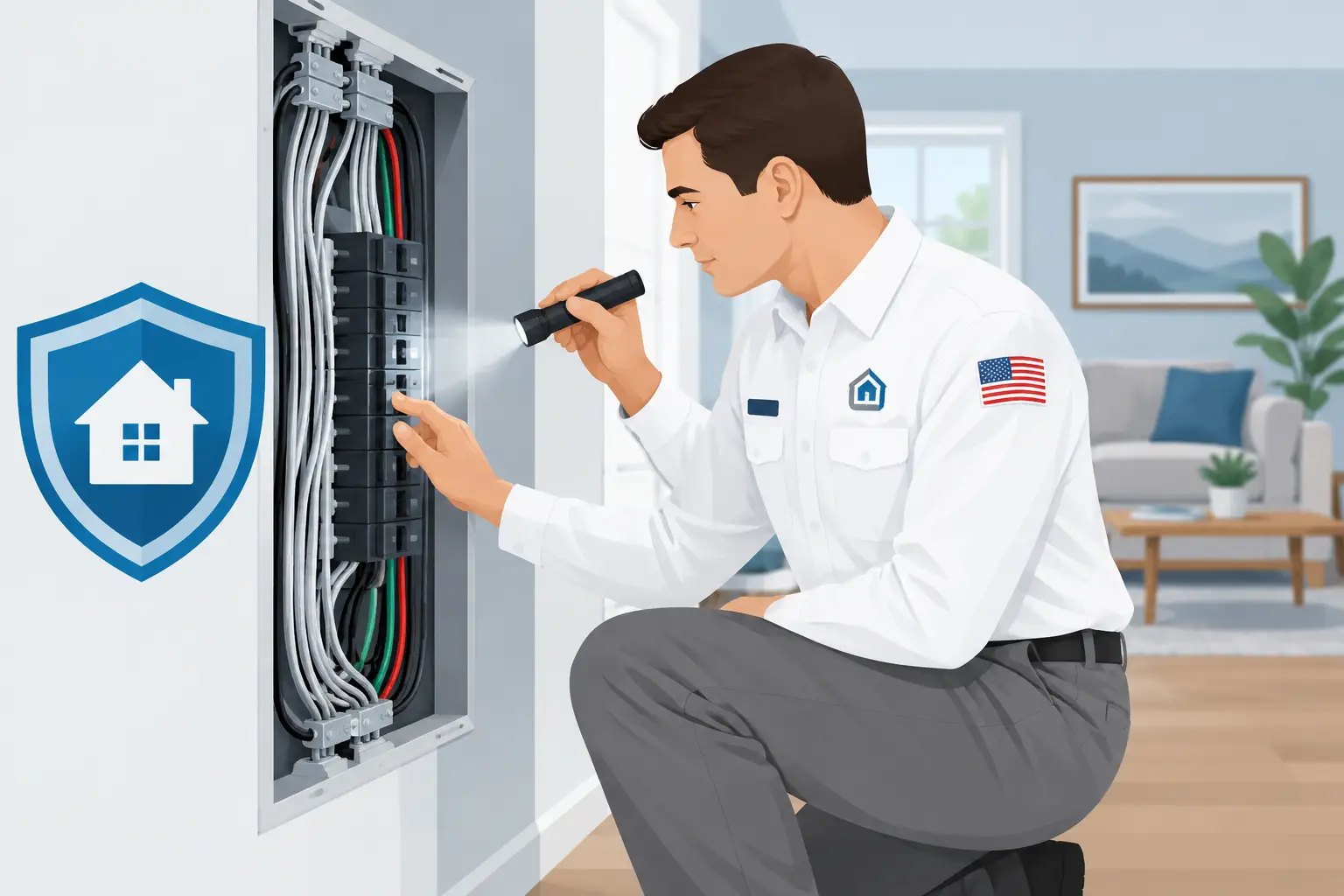
This is why a dead outlet should not automatically be treated as a simple replacement project. The visible receptacle may be only part of the issue. A trained technician can inspect the outlet, test the circuit, check related connections, and determine whether the cause is a failed device, a tripped protective device, a damaged conductor, or a circuit problem.
This is also a good time to consider whether the outlet is suited to the room. Bathrooms, kitchens, garages, outdoor living areas, and locations near water have specific safety requirements. Older homes may benefit from updated GFCI or arc-fault protection, properly grounded outlets, or additional outlets that reduce reliance on extension cords.
What to Do Until an Electrician Arrives
If an outlet appears damaged or acts unpredictably, unplug devices and do not use it. If the outlet is hot, smells burned, sparks, or has visible damage, turn off the appropriate breaker if you can do so safely. Mark the outlet so no one in the household accidentally plugs something into it.
Keep the area dry and clear. Do not cover the outlet with furniture, rugs, or storage bins that could trap heat or prevent you from noticing worsening damage. If an outlet is near a sink, outdoors, or exposed to moisture, avoid touching it until a professional has assessed it.
When you call, be ready to describe what happened: whether the outlet stopped working, whether the breaker tripped, what was plugged in, and whether you noticed heat, odor, sounds, or flickering lights. Those details help the technician diagnose the issue efficiently and explain the repair before work begins.
Get the Problem Diagnosed and Fixed Right
Electrical outlets are easy to overlook because they are part of daily life. But a loose, hot, discolored, or unreliable outlet is your home telling you something needs attention. Acting early can protect your family, your appliances, and the wiring hidden behind the wall.
For homeowners in Southern Utah, Service Right Electric follows a straightforward approach: call, diagnose, fix. Our licensed residential electricians inspect the cause, explain what they find clearly, provide upfront pricing before work begins, and complete repairs with safety at the center. If an outlet does not feel right, trust that instinct and have it checked before the next plug-in turns a warning sign into a bigger repair.


0 Comments