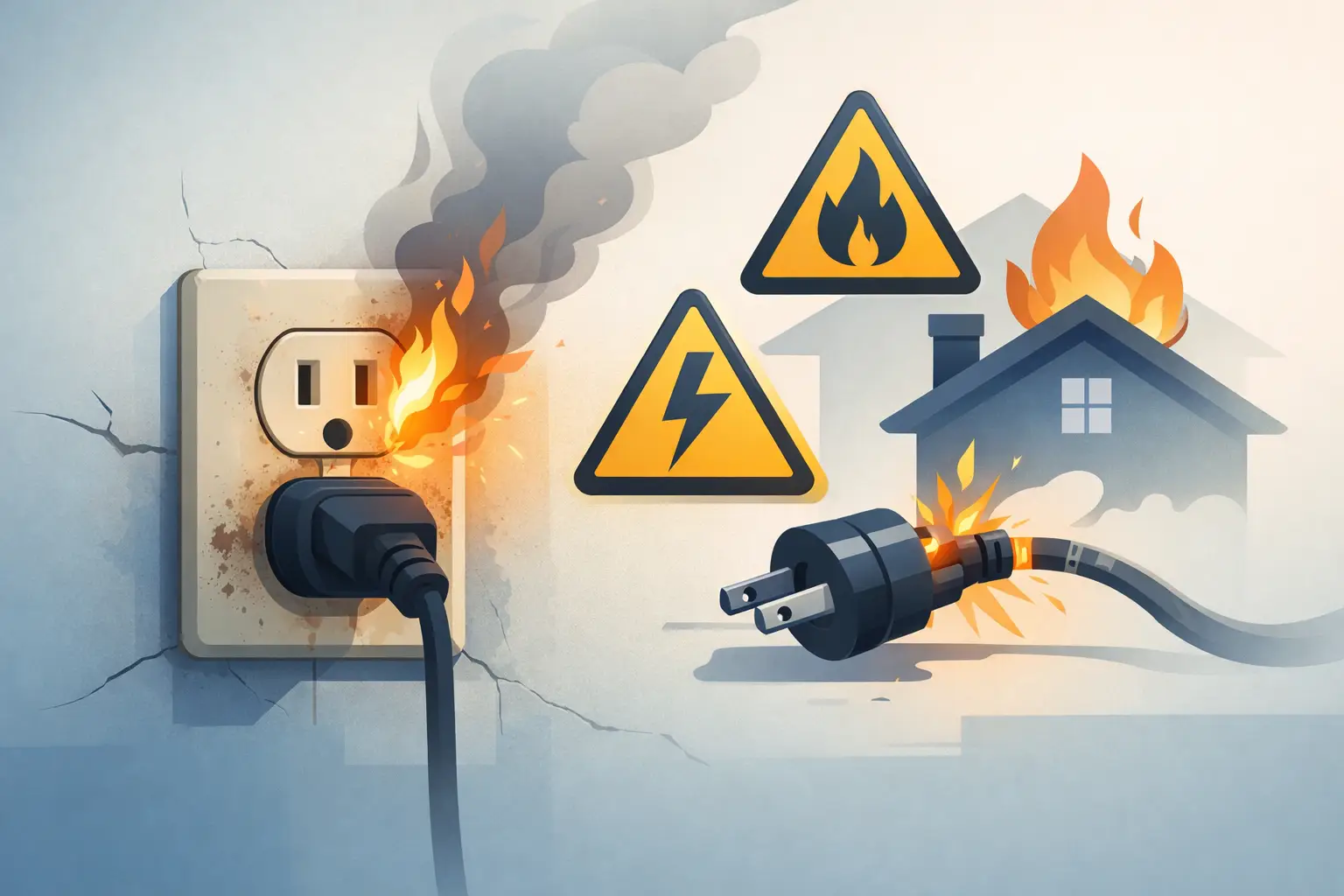
A phone charger that slips out of the wall, a kitchen outlet that feels warm, or a plug that only works when the cord sits just right can seem like small household annoyances. But homeowners often ask, are old outlets fire hazards? The answer is sometimes – not simply because an outlet is old, but because age, wear, outdated wiring, and poor repairs can create conditions that allow overheating or arcing.
A receptacle is a small part of your electrical system, but it is asked to do a lot. It holds plugs in place, transfers electricity safely, and protects the wiring behind the wall from loose connections. When it can no longer do those jobs reliably, it deserves professional attention.
Are Old Outlets Fire Hazards?
Old outlets can be fire hazards when their internal contacts loosen, their wiring connections deteriorate, or they are not suited to the way a modern household uses electricity. A 40-year-old outlet that is clean, tight, correctly wired, and used lightly may not be an immediate emergency. A newer outlet that is cracked, loose, overloaded, or installed incorrectly can be far more dangerous.
That is why an electrician looks beyond the faceplate. The visible outlet is only one part of the picture. The condition of the receptacle, the wire connections, the electrical box, the circuit protection, and the appliances connected to the circuit all matter.
Many Southern Utah homes have been updated in stages over the years. You may have newer lighting or appliances connected to older branch wiring, or a remodeled room with a mix of modern and original outlets. An inspection can identify whether the system is safely supporting your home as it is used now.
Warning Signs an Outlet Needs Attention
Do not wait for a breaker to trip or for an outlet to stop working completely. Electrical failures often give homeowners a warning first. Call for an electrical diagnosis if you notice any of the following:
- An outlet, plug, or wall plate feels warm, looks discolored, or has a burning smell.
- Plugs fall out easily, fit loosely, or need to be held in a certain position to work.
- You hear buzzing, crackling, or popping from an outlet or switch.
- The outlet sparks repeatedly when a plug is inserted or removed.
- A receptacle is cracked, damaged, wet, or has dark marks around the slots.
- Lights flicker or power cuts in and out when you use an appliance on that circuit.
A tiny blue spark can occasionally occur when a device is switched on as it is plugged in. Repeated sparking, loud arcing, heat, smoke, or a burning odor is different. Stop using the outlet and have it checked promptly.
If an outlet is hot enough that you do not want to touch it, if you see smoke, or if there are signs of charring, turn off the circuit at the breaker panel if you can do so safely. Keep people away from the area and seek immediate professional help. Do not keep testing the outlet to see whether the problem has gone away.
Why Loose Outlets Create Real Risk
The most common outlet problem is also one of the easiest to overlook: worn-out internal contacts. A receptacle is designed to grip the metal blades of a plug firmly. After years of use, especially with heavy adapters, chargers, and frequently moved cords, those contacts can lose tension.
A loose plug can create a poor electrical connection. Electricity then has to pass through a smaller, less stable contact area, which creates resistance and heat. In some cases, electricity can jump across a gap, producing an arc. That arcing can damage the receptacle and nearby wiring insulation.
The outlet may look normal from across the room. The risk is happening behind the plug or inside the wall box, where homeowners cannot see it. Replacing a worn receptacle is usually straightforward for a qualified electrician, but determining whether heat or arcing has affected the wiring is the part that should not be guessed at.
Two-Prong Outlets and Ungrounded Circuits
Two-prong outlets are common in older homes. They are not automatically unsafe merely because they lack a third, round grounding opening. However, they do not provide the same protection for many modern appliances and electronics as a properly grounded outlet.
The unsafe shortcut is replacing a two-prong receptacle with a three-prong receptacle when no grounding path is present. That can make the outlet appear grounded when it is not. It may also leave homeowners with a false sense of security around computers, televisions, power tools, and other equipment with grounding plugs.
There are safe ways to address an ungrounded outlet, but the right option depends on the wiring and the location. It may involve adding a grounding conductor, installing appropriate GFCI protection and labeling, or planning a more complete wiring upgrade. A licensed electrician can test what is actually in the wall and explain the options before work begins.
Old Outlets in Kitchens, Bathrooms, and Outdoors
Location changes the safety requirements. Outlets near sinks, tubs, laundry areas, garages, exterior walls, and other damp locations need ground-fault circuit interrupter protection, commonly called GFCI protection. A GFCI is designed to shut off power quickly when it detects a ground fault that could cause a serious shock.
If your bathroom or kitchen outlets do not have test and reset buttons, that does not always mean GFCI protection is missing. They may be protected by another GFCI outlet upstream or by a breaker in the panel. Still, that protection needs to be tested and verified, not assumed.
Outdoor outlets also need weather-resistant components and covers designed to protect the receptacle while a cord is plugged in. A cracked cover, an exposed outlet, or water intrusion around an exterior box is a repair issue, not a cosmetic one.
Overloading Can Make a Good Outlet Unsafe
Sometimes the receptacle is not the original problem. A sound outlet can overheat if a circuit is overloaded or if a high-demand appliance is connected through an undersized extension cord, power strip, or adapter.
Space heaters, portable air conditioners, hair tools, microwaves, countertop cooking equipment, and workshop tools can draw significant power. High-wattage appliances should be plugged directly into a properly rated wall outlet whenever possible. They should not share a lightweight power strip with other demanding devices.
Frequent breaker trips are not a reason to install a larger breaker. The breaker is protecting the circuit wiring. Replacing it with a larger size without confirming the wire rating can allow conductors to overheat. That is a professional diagnosis issue, especially in an older home where circuit capacity may not match current needs.
What a Professional Outlet Inspection Can Find
A proper inspection is more useful than swapping a faceplate or installing a replacement receptacle and hoping for the best. An electrician can test polarity and grounding, check for loose connections, inspect the condition of the box and wiring, and verify that the circuit has the correct breaker and safety protection.
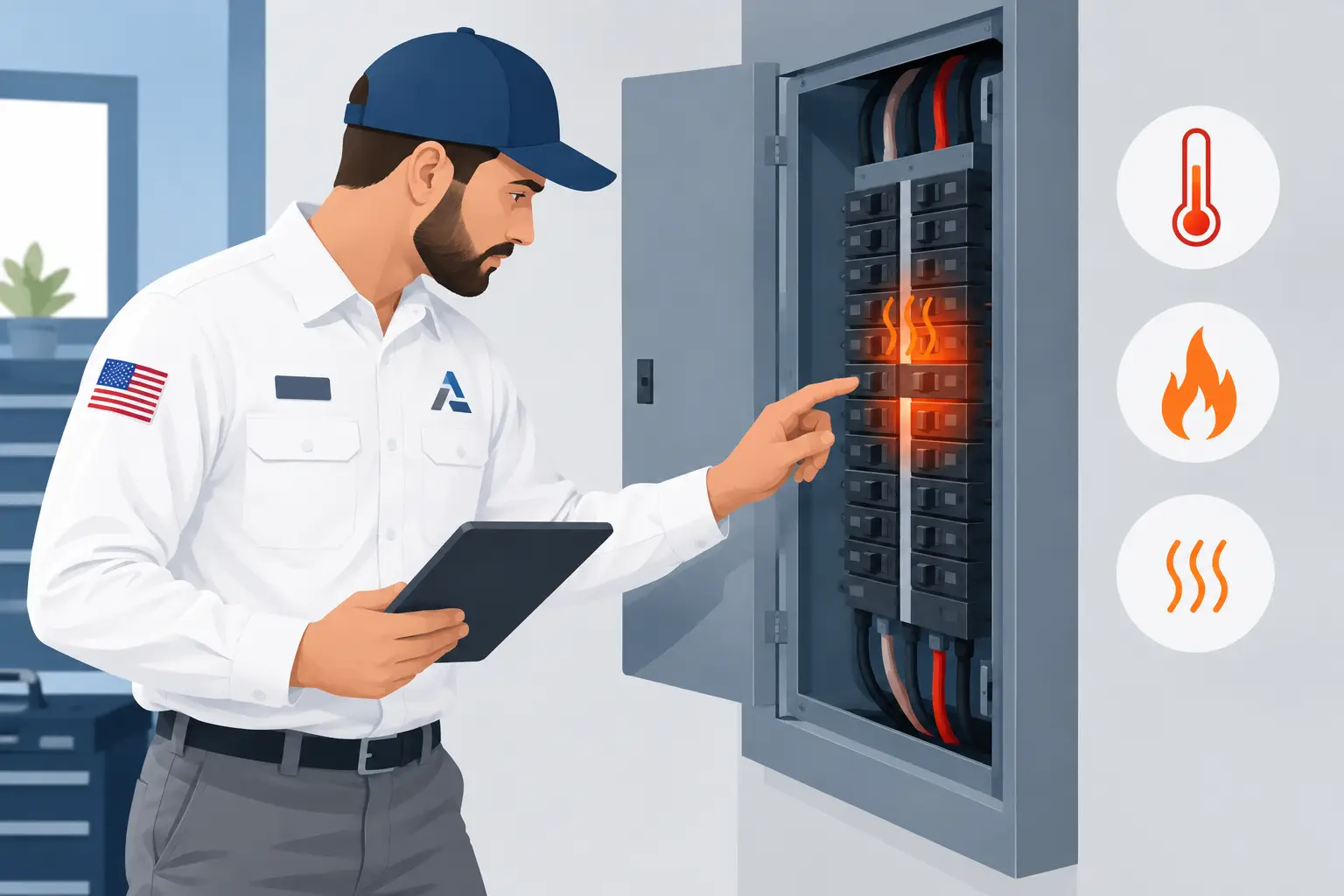
The inspection can also identify related concerns, such as overloaded circuits, outdated panels, missing GFCI protection, damaged aluminum wiring terminations, or signs of heat at other outlets on the same circuit. Not every older home needs a full rewire. Some need a targeted repair, added outlets, GFCI upgrades, or a dedicated circuit for equipment that has outgrown the home’s original electrical design.
That distinction matters because transparent recommendations start with the actual problem. Service Right Electric can diagnose the outlet, explain what is causing the concern, and provide upfront options for a safe repair or upgrade.
Do Not Treat Outlet Repairs as a Weekend Project
Replacing an outlet may look simple in a video, but electrical boxes can contain more than one circuit, damaged conductors, improper previous repairs, or wiring that does not follow expected color conventions. Turning off the wrong breaker can leave a box energized. Moving wires without understanding the circuit can create a shock, fire, or code problem.
Homeowners can take sensible steps: avoid using a damaged outlet, unplug equipment from a hot or sparking receptacle if it is safe to do so, and keep cords from being pinched under rugs or furniture. The repair itself belongs with a trained electrician who can test the circuit before and after the work.
A dependable outlet should hold plugs securely, stay cool in normal use, and deliver power without flickering, buzzing, or burned marks. If yours does not, treat that small warning as a good reason to get clear answers before it becomes a larger repair.



0 Comments