A breaker that trips once after a storm may be a simple nuisance. A breaker that keeps tripping, a warm outlet, or a light that flickers when the AC starts can point to a real safety issue. This residential electrical inspection guide helps homeowners recognize what deserves attention, what they can safely observe, and when it is time to bring in a licensed electrician.
Electrical systems work quietly until they do not. Many warning signs begin small, especially in older homes or homes that have added high-demand equipment over the years. A careful inspection is less about finding a reason to worry and more about catching problems before they become damaged equipment, lost power, or a fire hazard.
When a Home Electrical Inspection Makes Sense
A professional electrical inspection is a smart move after buying an older home, before a major remodel, or when adding equipment that needs substantial power. EV chargers, hot tubs, saunas, workshop tools, and standby generators may require dedicated circuits or panel capacity that an existing system does not have.
It also makes sense after water intrusion, storm damage, rodent damage, or a long period of vacancy. Southern Utah homes deal with intense heat, monsoon weather, and outdoor living spaces that can put added demands on electrical equipment. An inspection can identify concerns in the panel, wiring, outlets, outdoor connections, and grounding before those concerns disrupt daily life.
You should schedule help sooner rather than later if you notice frequent breaker trips, lights that dim or flicker, buzzing from a panel or outlet, shocks or tingling from appliances, a burning smell, or discoloration around switches and receptacles. Turn off power to the affected area if you can do so safely, avoid using the equipment, and call a qualified electrician.
Residential Electrical Inspection Guide: What to Check Safely
Homeowners should not remove a panel cover, touch exposed wiring, or try to diagnose a circuit by trial and error. Those tasks belong to trained professionals. You can still make useful observations from a safe distance and share them during a service visit.
Start With the Electrical Panel
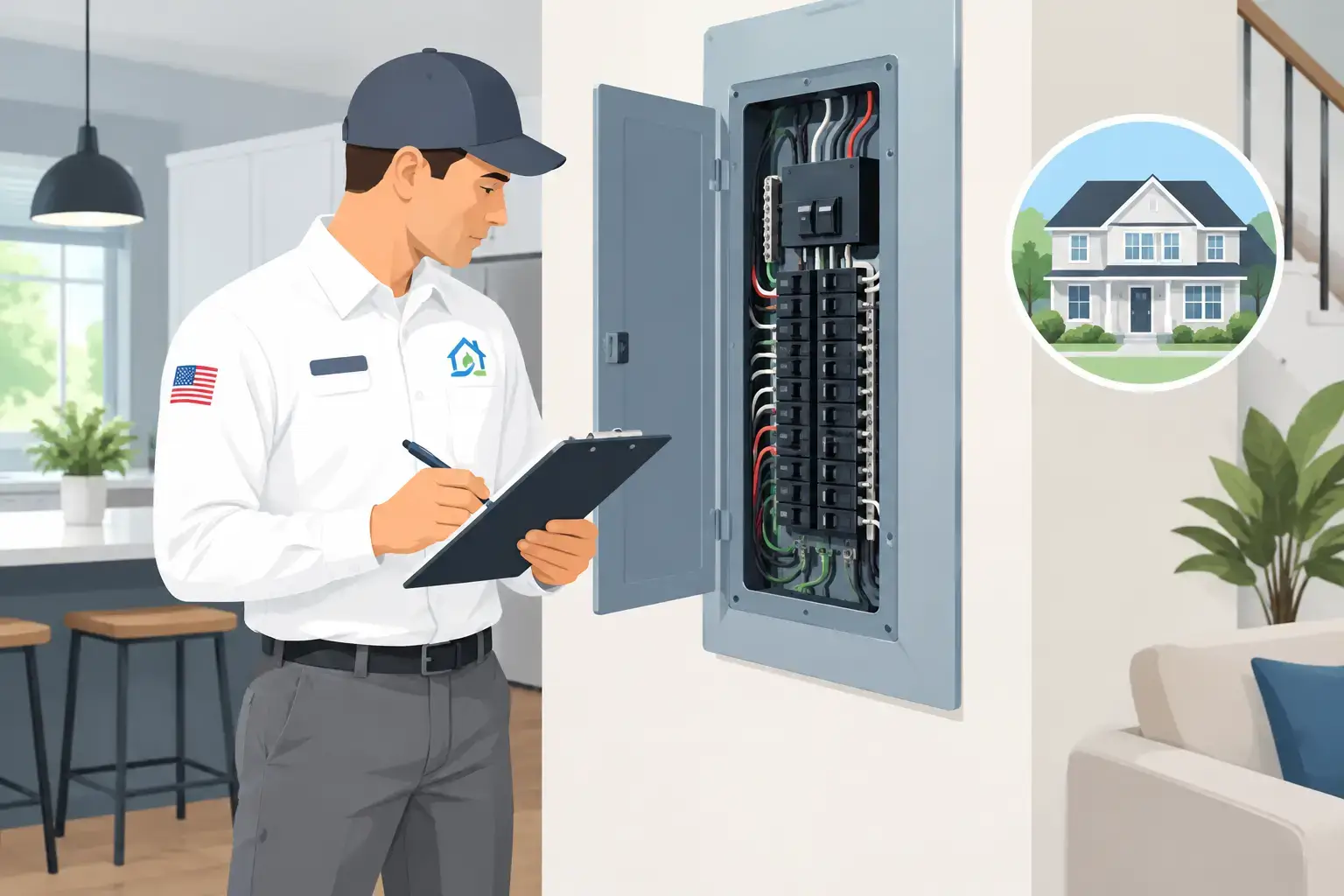
Look at the outside of the breaker panel with the door closed or open, but do not remove its cover. The panel should be dry, accessible, and free of rust, scorch marks, unusual heat, or buzzing sounds. Breakers should be clearly labeled so someone can quickly identify the circuit serving the kitchen, bedrooms, HVAC equipment, garage, and other areas.
A panel with missing labels is not automatically unsafe, but it makes emergencies and future repairs harder to manage. Breakers that will not reset, repeatedly trip, or feel hot need professional attention. Never hold a breaker in the on position or replace it with a larger breaker to stop tripping. That can allow wiring to overheat.
Look Closely at Outlets and Switches
Walk through each room and check whether outlets and switches sit firmly against the wall. Cracked covers, loose devices, dark marks, or melted plastic are reasons to stop using that location and arrange service. Plugs should fit securely. A plug that falls out easily may indicate a worn receptacle.
Pay extra attention to kitchens, bathrooms, laundry rooms, garages, unfinished spaces, and outdoor areas. These locations are more likely to need ground-fault protection, which is designed to reduce shock risk where water or moisture may be present. Test buttons on these outlets can be checked according to the manufacturer’s instructions, but a device that will not reset should be evaluated instead of ignored.
Extension cords are another useful clue. If a room relies on extension cords or power strips for everyday appliances, the home may not have enough outlets or circuits for how the space is being used. Power strips are not a permanent solution for space heaters, microwaves, refrigerators, or other high-demand equipment.
Notice Changes in Lights and Appliances
One light bulb that burns out early may be a bulb issue. Several lights flickering at once, lights changing brightness when an appliance turns on, or a ceiling fixture that feels unusually hot can signal a circuit, connection, or load problem.
Pay attention to patterns. Does the issue happen only in one room, only at certain times, or whenever a particular appliance runs? Does one breaker control more areas than expected? Clear notes about what happened, when it happened, and what was running at the time help an electrician diagnose the issue efficiently.
Check Outdoor Electrical Components From a Distance
Outdoor receptacles, lighting, pool or spa equipment, and exterior fixtures are exposed to heat, rain, dust, and physical damage. Covers should be intact, cords should not be pinched in doors or run where they can be damaged, and fixtures should not have cracked lenses or exposed parts.
If you see damaged electrical equipment near water, do not touch it. Keep family members away from the area and contact a licensed electrician. Outdoor wiring and equipment must be installed for the environment they serve, not adapted with indoor parts or temporary fixes.
What a Licensed Electrician Evaluates
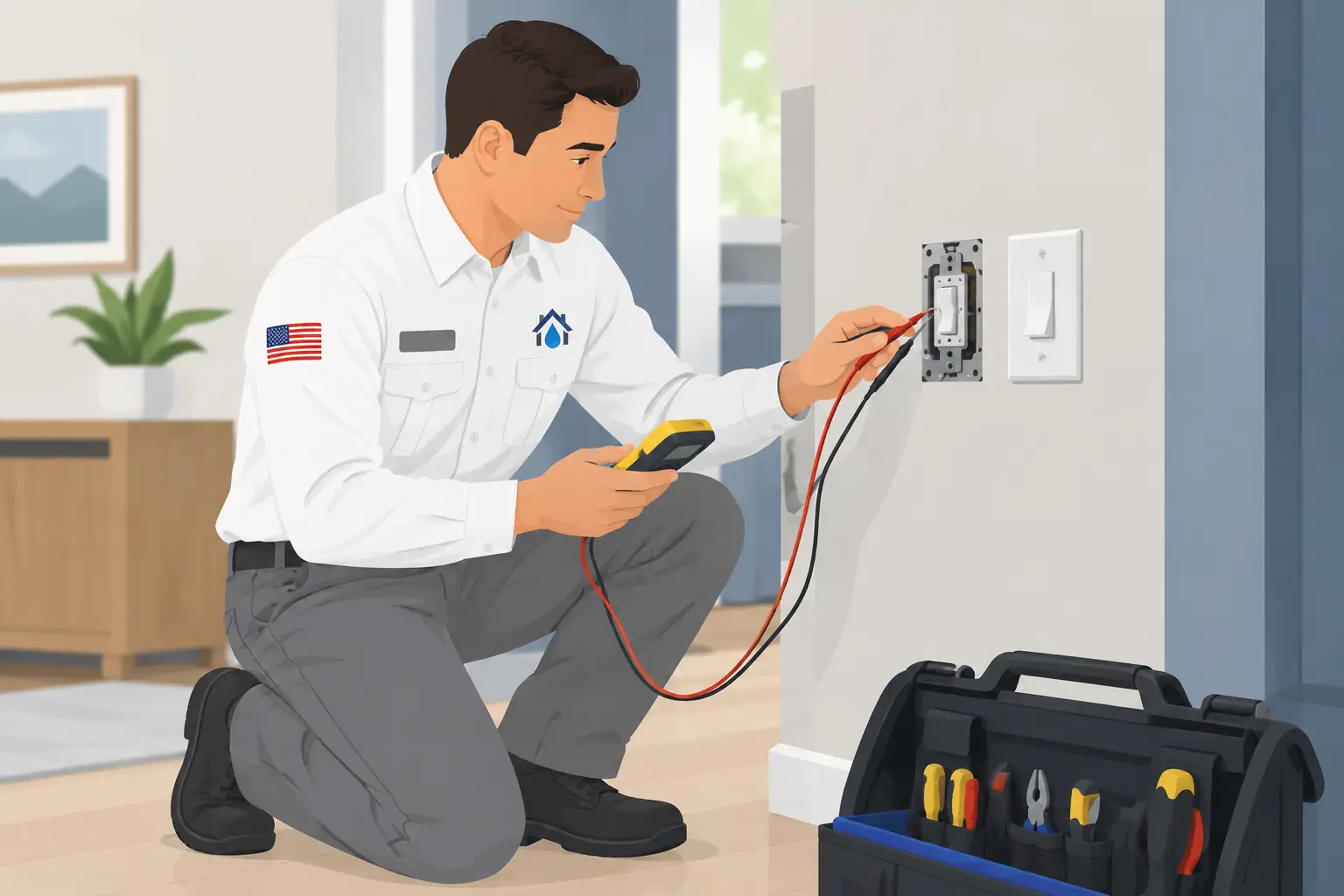
A thorough inspection goes beyond what is visible. A licensed electrician can assess panel capacity, breaker condition, grounding and bonding, circuit loading, wiring condition, connections, receptacle protection, and whether equipment appears properly installed for its use.
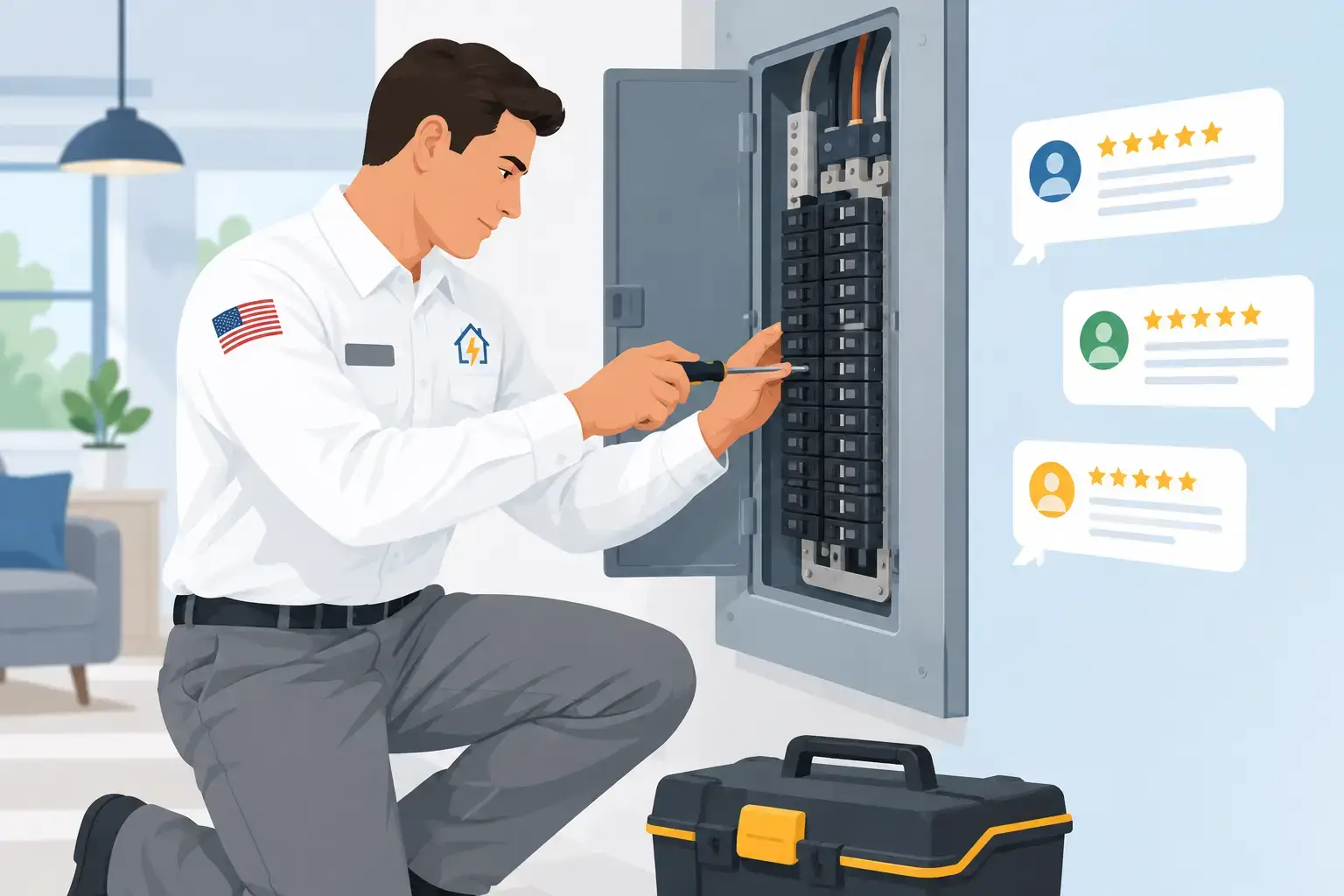
The goal is not to recommend work that a home does not need. It is to identify the condition of the system, explain any safety concerns in plain language, and separate urgent repairs from sensible future upgrades. In some homes, the right answer is a targeted outlet or circuit repair. In others, a panel upgrade or added dedicated circuit may be the safer long-term choice.
Code requirements can change over time, and older homes are not automatically required to be rebuilt to current standards. However, outdated components, unsafe alterations, or equipment that no longer supports the home’s electrical demand should be addressed. That distinction matters when planning a remodel, preparing for an inspection during a sale, or adding modern equipment.
Common Problems an Inspection Can Catch
Electrical concerns are not always dramatic. Some of the most common findings involve overloaded circuits, aging receptacles, loose connections, inadequate grounding, improper outdoor wiring, and panels that are near their practical capacity.
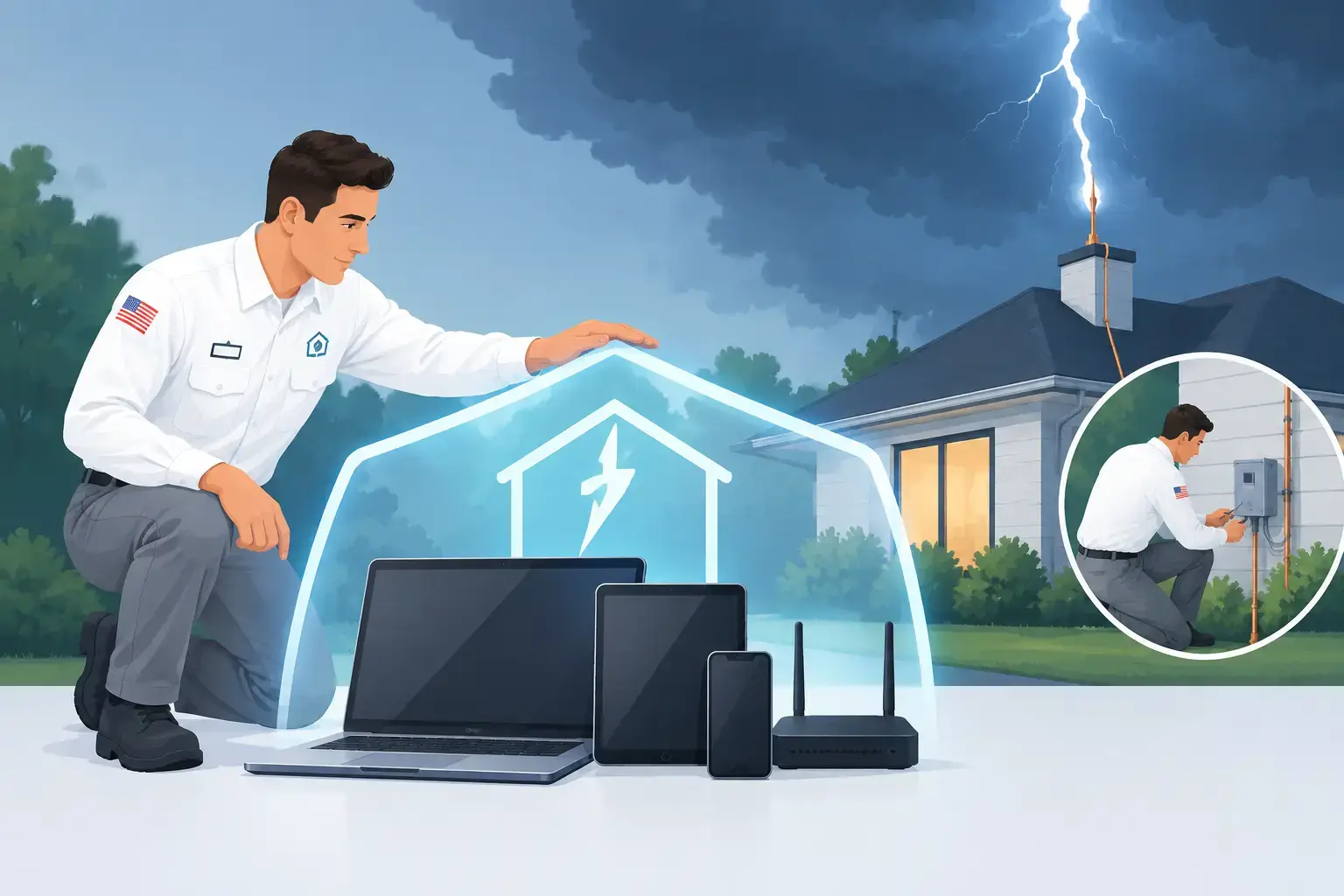
A dedicated circuit is often needed when a new appliance or upgrade draws consistent, significant power. Adding one may be a better solution than repeatedly resetting a breaker or moving plugs around. Likewise, surge protection can help protect sensitive electronics and appliances, but it does not replace proper wiring, grounding, or a properly sized electrical panel.
Smoke and carbon monoxide alarms also deserve attention during an inspection. Their placement, power source, interconnection, and age can affect how well they protect the household. If alarms chirp, fail tests, or have been painted over, do not treat the issue as a minor inconvenience.
Prepare for a More Useful Service Visit
Before the electrician arrives, write down your concerns and gather basic details: which rooms are affected, which breakers trip, when the issue began, and whether recent work or weather events may be connected. Clear access to the electrical panel, affected outlets, and relevant equipment helps the visit move faster.
Do not cover symptoms by avoiding the affected circuit for weeks. And do not attempt a repair inside an outlet box or panel if you are unsure what you are looking at. Electrical work is not a weekend DIY project. The risk is not limited to a shock in the moment – a loose or incorrect connection can create problems long after the cover plate goes back on.
At Service Right Electric, our residential team follows a straightforward process: call, diagnose, fix. We explain what we find, provide upfront pricing before work begins, and focus on repairs or upgrades that make sense for your home.
A home that powers your family reliably should never leave you guessing about safety. If something looks, sounds, smells, or feels wrong, trust that signal and have it checked before a small electrical concern becomes a larger one.


0 Comments