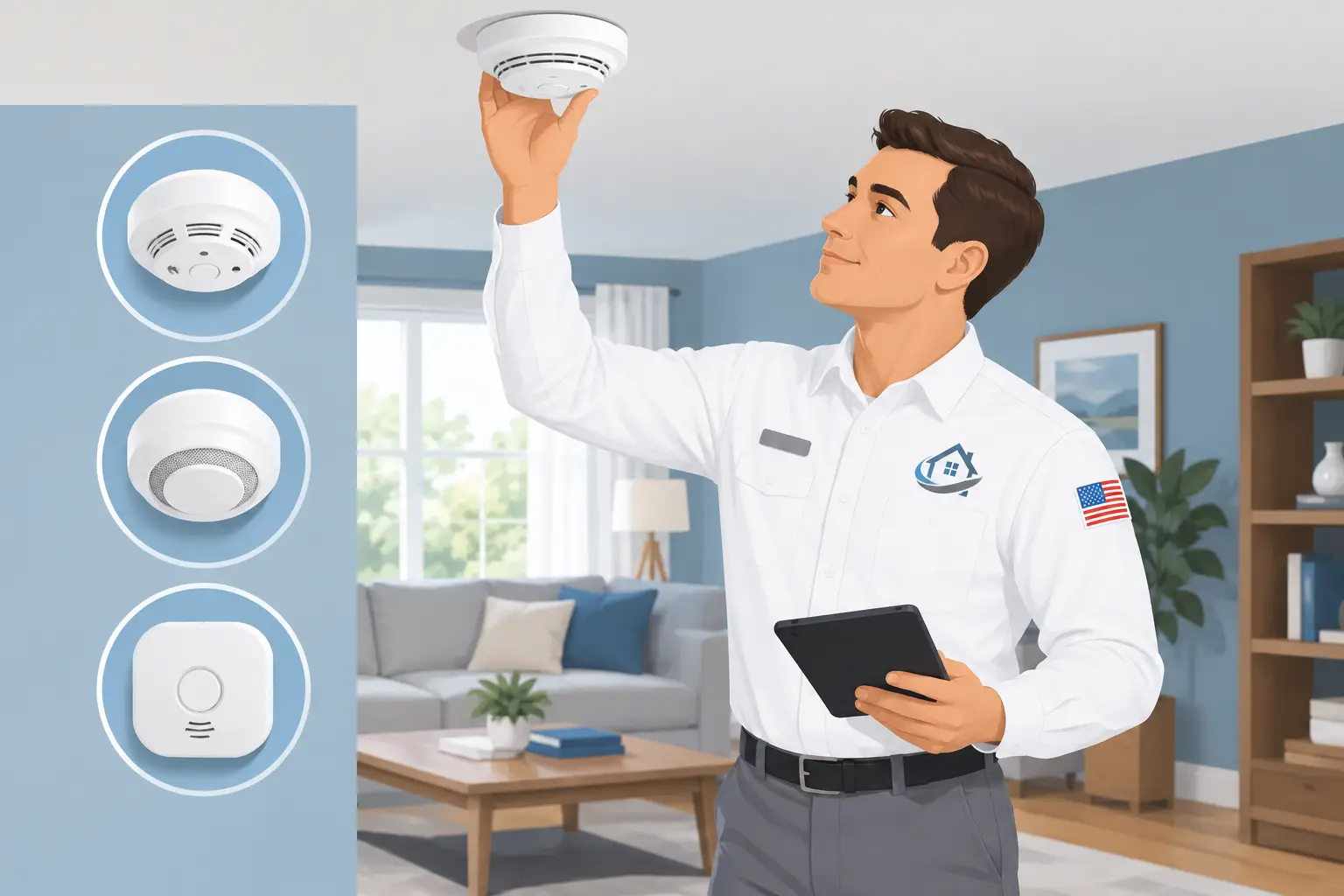
A smoke alarm only helps if it detects a fire early enough to wake the people inside. That is why knowing how to choose smoke alarms is about more than picking a device from a shelf. The right setup considers the type of fire risk in each area, where alarms are installed, how they receive power, and whether every alarm in the home can warn everyone at once.
For Southern Utah homeowners, this decision can be especially important in homes with attached garages, gas appliances, fireplaces, workshops, aging electrical systems, or additions completed years after the original construction. A few well-chosen, properly installed alarms can provide the early warning your family needs to get out safely.
Start With the Right Smoke Sensor Type
Not every fire produces the same kind of smoke at the same speed. Smoke alarms use different sensing methods, and understanding the difference helps you avoid gaps in protection.
Photoelectric smoke alarms are generally more responsive to slow, smoldering fires. These fires may start in upholstery, bedding, or wiring that overheats over time before visible flames develop. Because they can detect larger smoke particles earlier, photoelectric alarms are often a practical choice near bedrooms and living areas.
Ionization smoke alarms are generally more responsive to fast-flaming fires, such as a fire involving paper, some cooking materials, or other quick-burning items. They can provide valuable warning during a rapidly developing fire, but they may also be more prone to nuisance alarms near cooking areas.
For broad protection, many homeowners choose dual-sensor alarms that combine both technologies in one unit. They can be a straightforward option when you want coverage for both smoldering and flaming fires without having to compare separate alarm types room by room.
There is a trade-off: a device with more features is not automatically the best answer if it is installed in the wrong spot, ignored when it chirps, or disconnected after false alarms. A dependable alarm system is one your household can live with and maintain.
How to Choose Smoke Alarms That Work Together
A single alarm in the hallway is not enough for most homes. Fires can begin in a garage, a laundry room, an electrical panel area, a bedroom, or a remote section of the house. The people sleeping farthest away may not hear an alarm sounding on the other side of the home.
That is where interconnected smoke alarms make a meaningful difference. When one alarm senses smoke, all connected alarms sound. A bedroom alarm, for example, can alert your family even if the fire begins in the garage or downstairs living room.
Interconnection can be wired into the home’s electrical system or accomplished through compatible wireless communication, depending on the alarm type and the home. Hardwired interconnected alarms with battery backup are a common choice for homes that already have wiring in place or are undergoing renovation. They continue operating during a power outage because of the backup battery.
Wireless interconnected alarms may make sense in some existing homes where running new wire would require opening finished walls or ceilings. However, compatibility matters. Alarms designed to communicate together should be selected and installed as a complete, compatible system rather than mixed at random.
If your home has older hardwired alarms, do not assume a new replacement will connect correctly with what is already there. An electrician can inspect the existing setup, identify what is practical, and explain whether replacement, rewiring, or an upgraded interconnected system is the better path.
Choose a Reliable Power Option
Smoke alarms are usually powered by replaceable batteries, sealed long-life batteries, household wiring, or a combination of hardwiring and battery backup.
Battery-powered alarms can be useful in locations without existing alarm wiring. The downside is simple: they depend on regular attention. A missing, weak, or expired battery can leave the alarm unable to do its job when it matters most.
Sealed long-life battery alarms reduce the need for annual battery changes. They can be a convenient solution in certain areas, but the entire unit must still be replaced when it reaches the end of its service life.
Hardwired alarms receive normal power from the home, usually with a backup battery. This option reduces the chance that an alarm will be left without power after a missed battery change. It is also a good fit when alarms need to be interconnected. Because this work involves household wiring and must be properly integrated with the electrical system, it is not a weekend DIY project.
No matter which power method you choose, check the manufacture date on every alarm. Smoke alarms do not last forever. Most need replacement after about 10 years, even if they still respond when you press the test button. The test button checks that the alarm can sound, but it does not prove the sensor is still performing like a new one.
Put Alarms Where They Can Warn You Early
Placement is just as important as the alarm itself. At a minimum, homes commonly need smoke alarms inside every sleeping room, outside each separate sleeping area, and on every level of the home, including a basement if one is present. Larger homes, split-level layouts, and homes with sleeping areas separated by long hallways may need additional coverage.
Alarms should be installed according to the manufacturer’s instructions and applicable local requirements. Avoid placing them too close to cooking appliances, bathrooms with heavy steam, open windows, supply vents, ceiling fans, or locations where dust and insects can interfere with sensing. The goal is to prevent repeated nuisance alarms without moving protection too far away from the areas where a fire could start.
The kitchen deserves special consideration. A smoke alarm placed directly next to the stove may sound during normal cooking, leading someone to disable it. A properly located alarm, combined with good ventilation and a photoelectric sensor where appropriate, can help reduce that frustration while preserving early warning.
Garages are another area that homeowners often overlook. Exhaust, dust, temperature swings, and stored materials can complicate device selection. Ask a qualified electrician which alarm or detection approach is appropriate for an attached garage and how it should be tied into the rest of your home warning system.
Do Not Confuse Smoke Alarms With Carbon Monoxide Alarms
Some devices combine smoke and carbon monoxide detection, while others handle only one hazard. A combination unit can save space and simplify maintenance, but it must be suitable for the location and installed correctly.
Carbon monoxide is a colorless, odorless gas produced by incomplete combustion. It is a separate risk from smoke and may be associated with fuel-burning appliances, fireplaces, attached garages, or portable equipment used improperly. A smoke alarm alone does not detect carbon monoxide.
Combination alarms can be useful, especially near sleeping areas, but they are not always the only devices your home needs. The right arrangement depends on the home’s layout, heating equipment, attached garage, and local safety requirements. If you are replacing alarms during a remodel or electrical upgrade, it is a good time to review both types of protection together.
Check Features That Make the System Easier to Live With
The best smoke alarm is one your household understands and maintains. Features such as a test button, clearly identified hush function, low-battery notification, and easy-to-read replacement date can make a real difference over the life of the device.
A hush feature can temporarily silence a nuisance alarm caused by minor cooking smoke, but it should never become a reason to ignore repeated alarms. If an alarm goes off often with normal activity, the answer may be better placement or a different sensor type, not removing the battery.
For households with children, older adults, hearing loss, or large floor plans, consider whether the alarm system provides a warning everyone can recognize. Interconnected alarms, more than one notification method, and a practiced escape plan are often more valuable than extra gadget features.
Installation Is Part of the Safety System
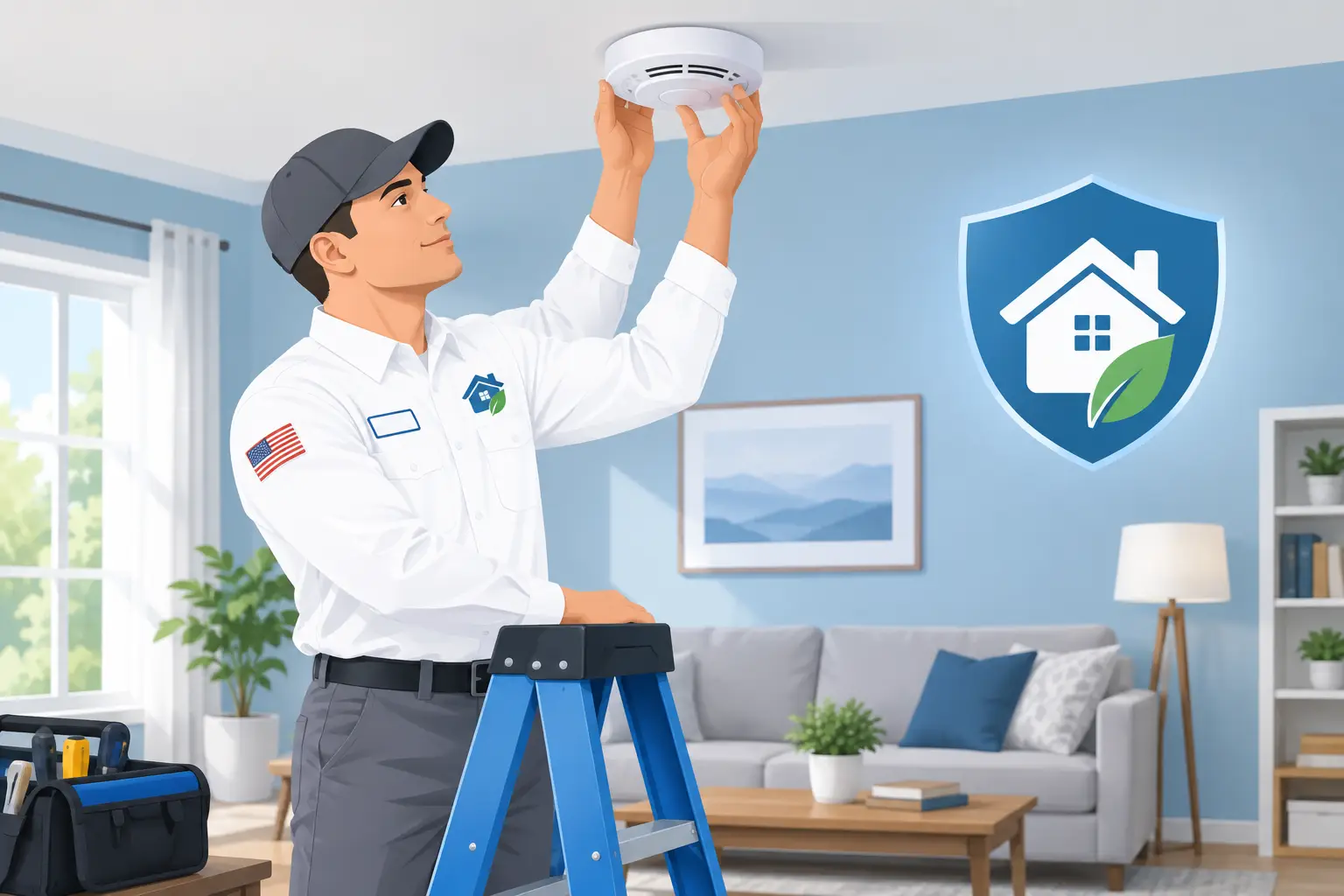
Replacing a battery-powered alarm may be simple. Replacing hardwired alarms, adding interconnection, correcting improper locations, or bringing an older home up to current requirements calls for professional electrical work. The installation has to be secure, properly powered, and designed so the alarms can communicate as intended.
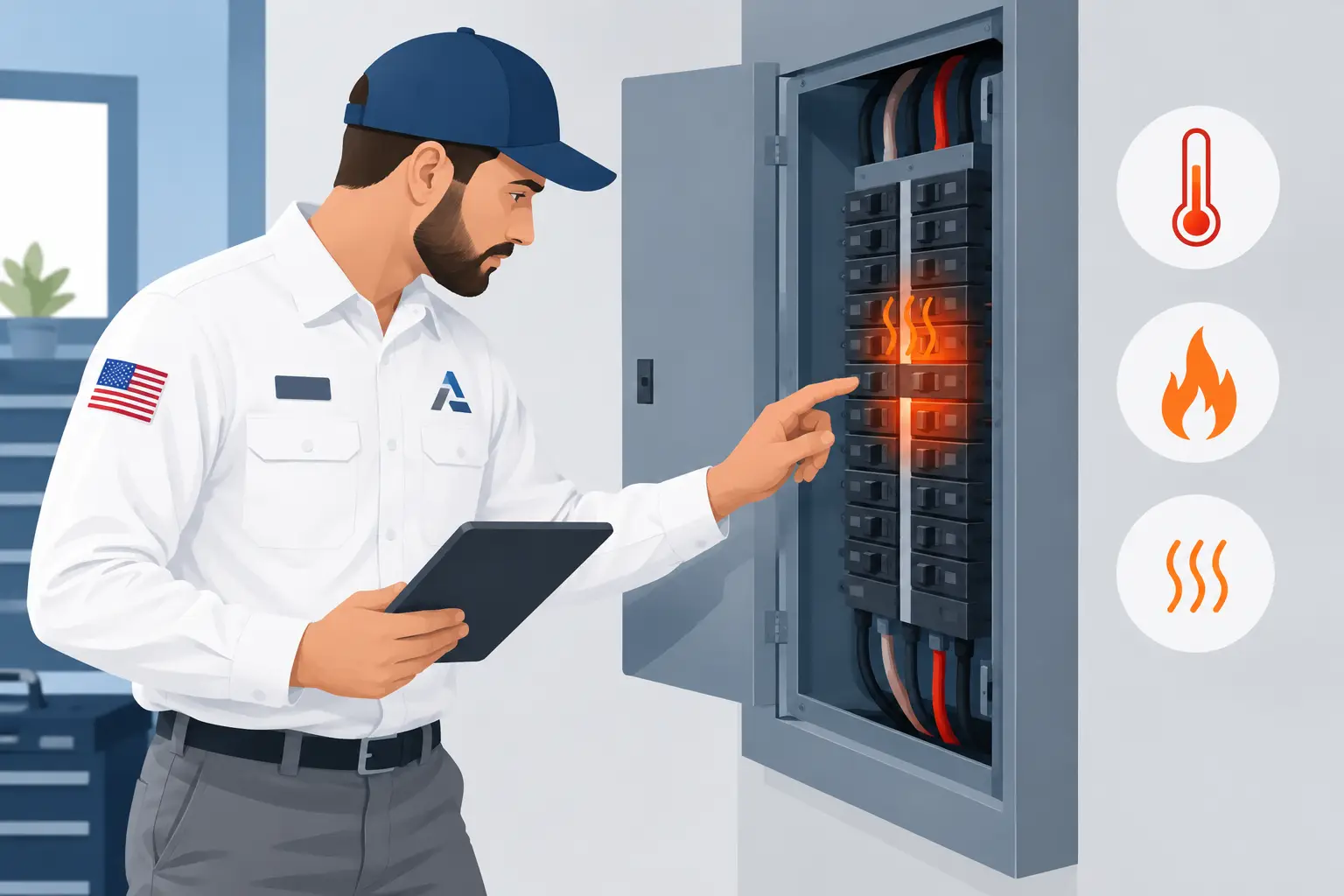
A licensed residential electrician can assess your home’s layout, inspect existing wiring, identify outdated alarms, and explain your options before work begins. That is especially helpful after a renovation, when finishing a basement, adding a bedroom, upgrading a panel, or moving into an older home with unknown alarm history.
At Service Right Electric, the focus is simple: help homeowners make practical safety upgrades with clear communication and work completed correctly. A working smoke alarm system is one of the few home improvements that can give your family time when time matters most.



0 Comments