A new EV can come with a portable charging cord, which makes an ordinary garage outlet look like the easy answer. But the EV charger versus outlet decision affects far more than how you plug in at night. It determines how quickly your vehicle is ready, how much strain is placed on your home’s electrical system, and whether the setup is appropriate for regular long-term use.
For some homeowners, a standard outlet is perfectly workable. For others, it quickly becomes frustrating or raises safety concerns. The right answer depends on your driving habits, vehicle, garage setup, electrical panel capacity, and the condition of the circuit serving that outlet.
EV Charger Versus Outlet: The Everyday Difference
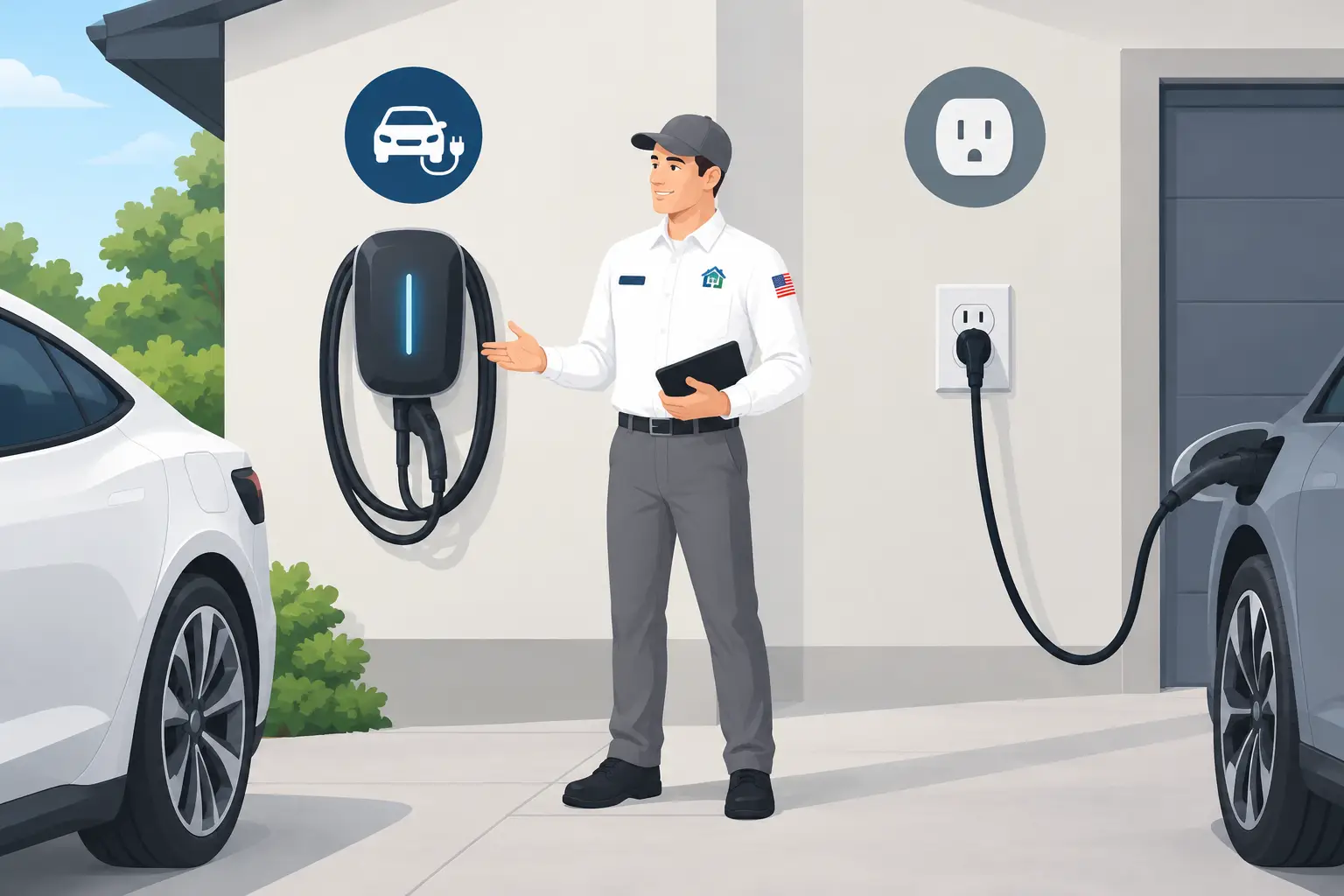
A standard household outlet generally provides 120-volt power, often called Level 1 charging when used for an electric vehicle. A professionally installed home EV charger typically uses a 240-volt dedicated circuit, often called Level 2 charging. Both can charge an EV. The practical difference is time.
Level 1 charging is slow but steady. Depending on the vehicle and conditions, it may add roughly 3 to 5 miles of driving range per hour. If you drive a short distance each day and can leave the vehicle plugged in overnight, over a weekend, or while working from home, that may cover your needs.
A Level 2 charger can add substantially more range per hour, commonly enough to replenish a typical day’s driving overnight. That makes a noticeable difference for families with longer commutes, multiple drivers, frequent trips between St. George and surrounding communities, or limited time at home between drives.
Think of it this way: a regular outlet may be adequate when your vehicle has plenty of downtime. A dedicated EV charger is built for convenience when you need dependable charging on your schedule.
When a Standard Outlet Makes Sense
Using a standard outlet is not automatically unsafe or wrong. It can be a reasonable starting point when the outlet and circuit are in good condition, the charging cord is designed for that outlet, and your driving needs are modest.
It may fit well if you have a plug-in vehicle that is rarely driven far, a second car that stays home for extended periods, or a workplace where you can also charge during the day. It can also make sense as a temporary solution while planning a permanent home charging upgrade.
The key word is temporary or limited. EV charging places a continuous electrical load on the circuit for hours at a time. A receptacle that has handled a lamp, freezer, or occasional power tool without trouble is not automatically ready for nightly vehicle charging. Loose connections, worn receptacles, damaged cords, and older wiring can heat up under sustained load.
Never treat a warm outlet, a discolored cover plate, a burning odor, a buzzing sound, or a repeatedly tripped breaker as a minor inconvenience. Stop charging and have the circuit evaluated. Those signs call for prompt attention from a qualified electrician.
Extension cords are not the answer
Running an extension cord across a garage or driveway to charge an EV creates avoidable risk. The cord may be undersized, damaged, exposed to moisture, pinched by a garage door, or become a tripping hazard. Even a heavy-looking extension cord is not a substitute for a properly located charging connection.
If the existing outlet is inconveniently placed, the safer path is to have an electrician assess options for a dedicated circuit or properly installed charging location.
Why a Dedicated EV Charger Is Often the Better Long-Term Choice
A Level 2 home charger is designed for the job. It is installed on a dedicated 240-volt circuit sized for the equipment and the home’s electrical capacity. That means the charger is not sharing power with garage outlets, refrigerators, lighting, or other loads that could affect reliability.
Faster charging is the most obvious advantage, but it is not the only one. A properly planned installation can place the charger where it is easy to use, protect the equipment with the correct breaker and wiring, and reduce the temptation to rely on adapters or extension cords.
For many homeowners, the real value is predictability. You pull in, connect the vehicle, and know it will be ready when you need it. That convenience matters even more during busy weeks, hot Southern Utah summers, or when a household has more than one EV or plug-in vehicle.
A dedicated charger can also be a smart fit for homeowners already considering a panel upgrade, garage renovation, solar-related electrical changes, hot tub wiring, or other projects that increase a home’s electrical demand. Looking at the full electrical picture before adding new loads helps prevent surprises later.
Your Electrical Panel Matters More Than Many People Expect
Installing a 240-volt charger is not as simple as adding a breaker to an empty panel space. An empty space does not necessarily mean the panel has enough available capacity for a new continuous load.
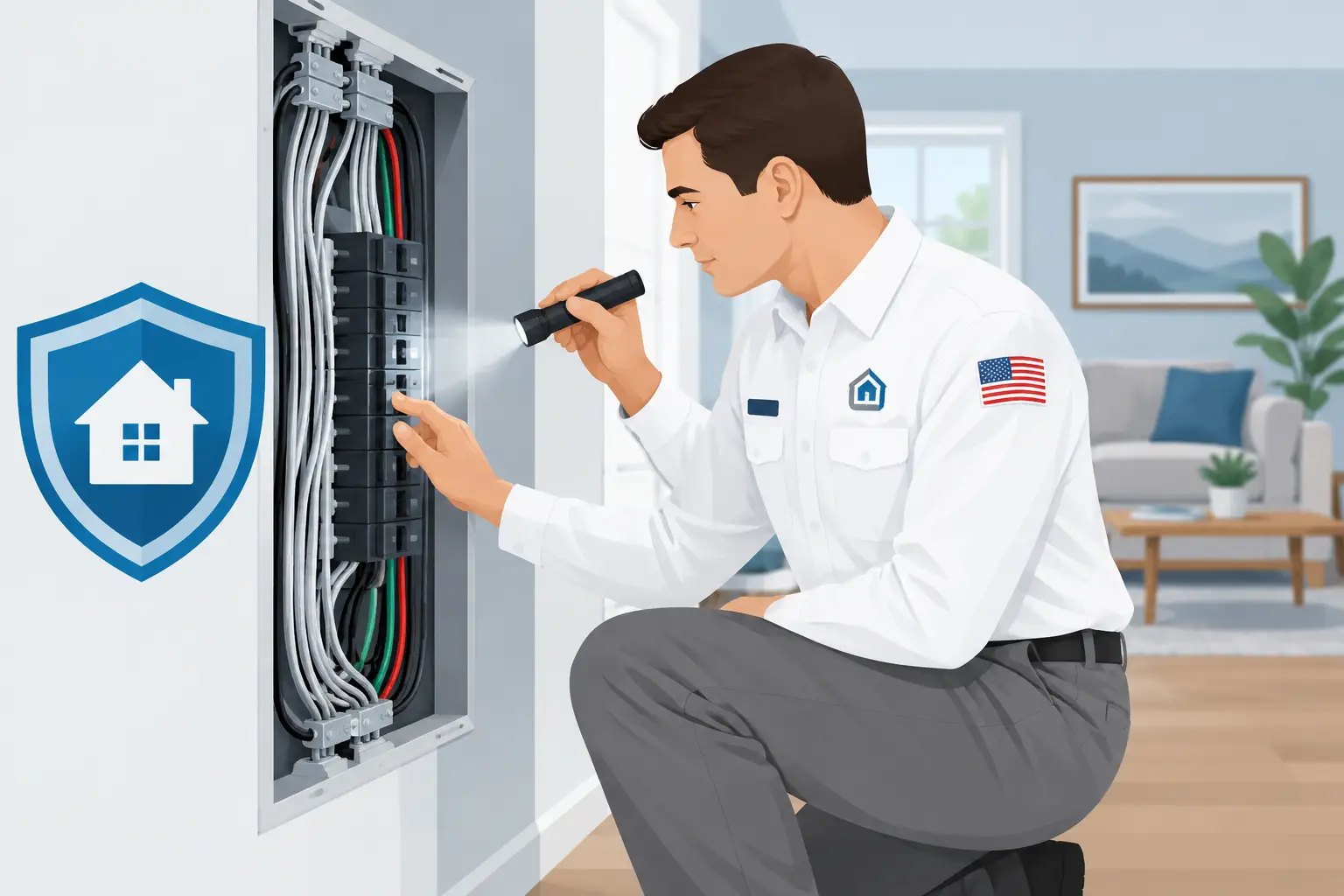
A professional evaluation considers the home’s service size, the electrical loads already in use, the panel’s condition, the route for new wiring, and the charger requirements. Large air conditioning equipment, electric water heating, kitchen appliances, pool equipment, workshops, and future upgrades can all affect the plan.
Older homes deserve particular attention. Some have undersized electrical services, aging panels, limited breaker space, or wiring that was never intended to support modern household demand. That does not mean an EV charger cannot be installed. It simply means the installation may require a different approach, such as panel work, a service upgrade, or load management designed around the home.
This assessment also protects against a common mistake: choosing charging equipment first and discovering later that the home cannot support it as planned. A qualified electrician can help match the charging setup to your vehicle, household power needs, and realistic daily routine.
Safety Details That Should Not Be Skipped
Home EV charging is safe when the equipment and electrical system are correctly matched, installed, and maintained. The risks arise when homeowners make assumptions about old outlets, overloaded circuits, adapters, or DIY wiring.
A proper installation addresses the dedicated circuit, breaker size, wire size, grounding, required protection, mounting location, and local code requirements. It also accounts for the environment. A charger in a dry garage has different placement considerations than equipment exposed to rain, direct sun, dust, or vehicle traffic.
Hardwired chargers and plug-in chargers can both be appropriate, but each needs the right installation. A plug-in charger still depends on a correctly installed receptacle rated for the load. A hardwired unit removes the receptacle connection, but it still requires properly sized wiring and overcurrent protection.
This is not a weekend DIY project. Electrical work that seems straightforward can create hidden hazards behind walls and inside panels. Professional installation protects your home, vehicle, and family while helping ensure the work is completed to code.
How to Choose the Right Home Charging Setup
Start with how you actually drive, not the fastest charger available. If you travel 20 miles most days and your car sits at home for 12 hours, a standard outlet may be sufficient. If you regularly drive 50 miles or more, make multiple trips in a day, or need a quick overnight refill, a Level 2 charger is usually the more practical choice.
Next, consider where the vehicle parks. The best charging location is convenient without creating cord hazards or forcing you to stretch equipment beyond its intended reach. Detached garages, carports, driveway parking, and outdoor installations can all be workable, but the wiring path and weather exposure affect the scope of the job.
Finally, have the electrical system checked before making a purchase decision. A clear diagnosis gives you facts instead of guesses: whether your existing outlet is suitable for limited charging, whether a dedicated circuit can be added, and whether the panel needs attention first.
Service Right Electric follows a straightforward approach: call, diagnose, fix. An electrician can evaluate your home’s current capacity, explain the available options in plain language, and provide upfront pricing before work begins.
The best home charging setup is the one that fits your real routine and is installed safely for the long haul. If your outlet feels slow, gets warm, trips a breaker, or simply no longer keeps up with your driving, treat that as a good reason to schedule a professional evaluation before the next charge.



0 Comments